Надежные сосуды для растворения для точного фармацевтического тестирования
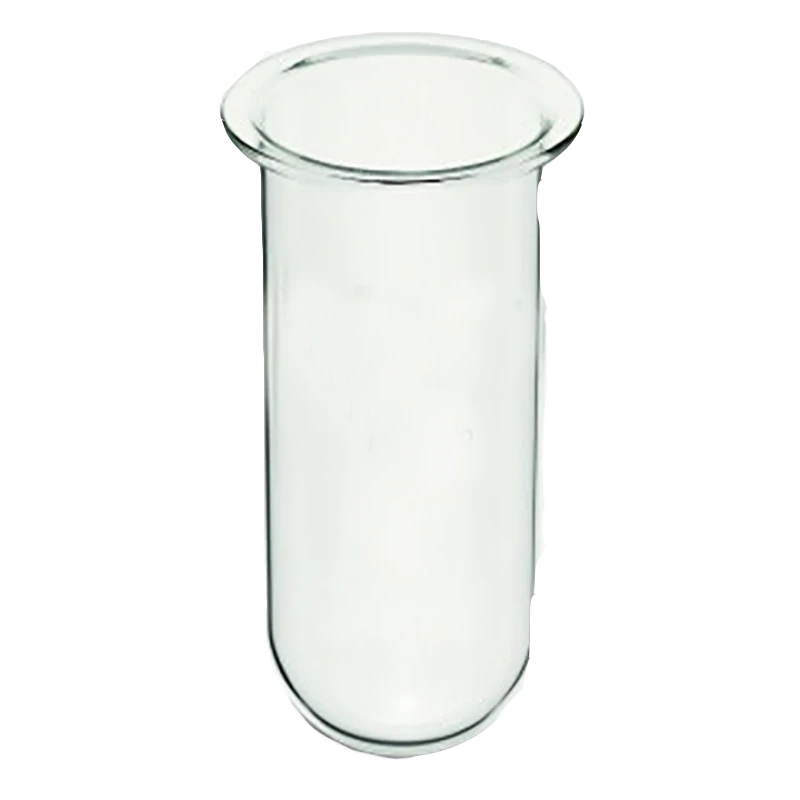
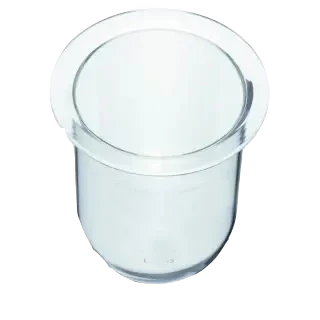
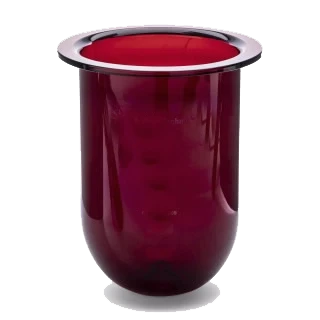
Наши высококачественные сосуды для растворения разработаны для точного и последовательного тестирования растворения, гарантируя соответствие отраслевым стандартам, таким как правила USP, EP и FDA. Изготовленные из боросиликатного стекла или кварца, эти сосуды обеспечивают исключительную прочность, химическую стойкость и оптическую прозрачность, что делает их идеальными для фармацевтических и лабораторных применений.
Приложения
Фармацевтические исследования и разработки — используются для испытаний растворимости лекарственных средств с целью оценки скорости высвобождения лекарственных средств.
Контроль качества и соответствие нормативам — обеспечивает единообразие от партии к партии и соответствие нормативным требованиям.
Академические и научные исследования — идеально подходит для университетов и лабораторий, проводящих исследования растворения.
Промышленные испытания — используются в фармацевтическом производстве для точного анализа продукции.
Техническое обслуживание и уход
Чтобы обеспечить долговечность и точность ваших сосудов для растворения, следуйте следующим рекомендациям по техническому обслуживанию:
Правильная очистка — используйте мягкие моющие средства и промывайте деионизированной водой, чтобы предотвратить образование отложений.
Избегайте абразивной чистки. Очищайте осторожно, чтобы не допустить появления царапин, которые могут повлиять на точность растворения.
Регулярный осмотр — проверяйте сосуды на наличие трещин или износа и при необходимости заменяйте их для поддержания точности испытаний.
Правильное хранение — Хранить в чистом, непыльном помещении, чтобы предотвратить загрязнение.
Наши сосуды для растворения с исключительной прозрачностью, долговечностью и точностью являются важнейшим компонентом любой лаборатории, проводящей тестирование и анализ наркотиков. Ознакомьтесь с нашим ассортиментом сегодня для получения стабильных и надежных результатов растворения!
Dissolution Vessel Function
The dissolution vessel function is central to pharmaceutical and chemical manufacturing processes, serving as a critical component in quality control, formulation testing, and drug development. A dissolution vessel is designed to facilitate the controlled dissolution of solid substances, such as tablets or powders, into a liquid medium, ensuring consistent and reproducible results for analysis. The primary function of a dissolution vessel is to simulate the conditions under which a drug or compound will dissolve in the human body or a designated testing medium, providing vital data on solubility, release rate, and bioavailability.
One of the key aspects of the dissolution vessel function is maintaining uniform agitation and temperature throughout the liquid medium. This ensures that the test sample is exposed to consistent conditions, reducing variability and enabling accurate measurement of dissolution rates. Modern dissolution vessels are equipped with precise mechanical stirrers or paddles, temperature control systems, and optical monitoring ports to facilitate real-time observation. By performing under strictly regulated conditions, dissolution vessels help researchers and manufacturers comply with pharmacopeial standards such as USP, EP, and JP, making them essential in regulatory testing and product validation.
The function of a dissolution vessel extends beyond simple mixing. It allows scientists to study the release kinetics of active pharmaceutical ingredients (APIs), understand excipient interactions, and optimize formulations before large-scale production. In addition, dissolution testing in these vessels provides data that can predict a drug’s performance in vivo, supporting bioequivalence studies and ensuring patient safety. The vessel’s design, including shape, volume, and material, can influence the dissolution rate, highlighting the importance of selecting the appropriate vessel type for each specific application.
Furthermore, the dissolution vessel function supports reproducibility and standardization in laboratory testing. By providing a controlled environment, it minimizes experimental errors and enhances the reliability of results. Industries rely on these vessels not only for development and quality assurance but also for troubleshooting formulation issues and improving product consistency. With advanced features such as automated sampling, integrated temperature sensors, and digital monitoring, dissolution vessels continue to evolve, making them indispensable tools in modern pharmaceutical laboratories.
In summary, the dissolution vessel function is fundamental for accurate, reproducible, and regulatory-compliant dissolution testing. It ensures proper drug solubility assessment, formulation optimization, and quality control, ultimately contributing to the safety and efficacy of pharmaceutical products. Understanding its function helps manufacturers streamline development processes while meeting stringent industry standards.
Dissolution Vessel Physical Description
A dissolution vessel is a critical component in pharmaceutical and chemical testing laboratories, designed to evaluate the rate at which active ingredients dissolve from solid dosage forms into a solvent under controlled conditions. Physically, a dissolution vessel is typically cylindrical, constructed from high-quality, inert materials such as borosilicate glass or transparent polymethyl methacrylate (PMMA), which resist chemical corrosion and provide clear visibility for monitoring the dissolution process. The vessel’s dimensions vary depending on the testing standard and apparatus type, with common volumes ranging from 250 mL to 1,000 mL, ensuring sufficient solvent capacity for accurate dissolution measurement.
The vessel usually features a smooth, polished interior surface to minimize drug adherence and ensure uniform mixing. It is mounted securely on a dissolution apparatus, often with a thermostatic water jacket or external heating system to maintain the solution at a precise temperature, typically around 37°C to mimic physiological conditions. Many vessels also include a detachable lid with ports to accommodate paddles, baskets, or probes, depending on the dissolution apparatus configuration. These lids are designed to prevent contamination, minimize evaporation, and allow sampling without disturbing the system.
Some advanced dissolution vessels incorporate specialized features such as graduated markings for volume measurement, non-reflective glass to reduce optical interference during automated UV or HPLC monitoring, and reinforced bases to enhance stability during high-speed stirring. In addition, vessels may come with positioning guides to ensure the proper alignment of paddles or baskets relative to the tablet or capsule, which is essential for reproducibility and compliance with pharmacopeial standards.
Overall, the dissolution vessel’s physical design balances durability, chemical inertness, transparency, and precise dimensional accuracy. Understanding the dissolution vessel physical description is essential for laboratory personnel and quality control professionals, as it directly impacts the reliability of dissolution testing, compliance with regulatory requirements, and the accurate assessment of drug release profiles. Investing in high-quality, well-designed vessels ensures consistent performance, safety, and efficiency in pharmaceutical testing operations.
Dissolution Vessel Types
Dissolution vessels are essential equipment in pharmaceutical, chemical, and food industries, designed to measure the rate at which a substance dissolves in a solvent. Understanding the different dissolution vessel types is crucial for selecting the right vessel for specific testing requirements and ensuring accurate, reproducible results.
One of the most commonly used dissolution vessel types is the standard paddle vessel. This type features a flat-bottomed glass or stainless-steel vessel with a centrally mounted paddle that rotates at a controlled speed. The paddle vessel is ideal for testing solid oral dosage forms like tablets and capsules, providing uniform agitation that simulates gastrointestinal conditions. Its versatility and reliability make it a standard in quality control laboratories worldwide.
Another widely utilized type is the basket vessel. In this design, a cylindrical mesh basket holds the dosage form while it is submerged in the dissolution medium. The basket rotates to ensure consistent exposure to the solvent, which is particularly useful for capsules and poorly soluble drugs that may float or clump. Basket vessels help prevent dosage forms from sticking to the vessel bottom and ensure complete dissolution for accurate measurement.
For specialized applications, flow-through cells represent a modern variation of dissolution vessels. Unlike paddle or basket types, flow-through cells allow the dissolution medium to continuously pass over the dosage form, making them suitable for extended-release formulations and poorly soluble compounds. These vessels offer precise control over hydrodynamic conditions and enable more detailed dissolution profiling compared to traditional vessels.
In addition to these standard designs, there are also miniature dissolution vessels and automated high-throughput vessels. Miniature vessels are beneficial for small-batch testing or early-stage formulation studies, while high-throughput vessels can simultaneously test multiple samples, saving time in large-scale quality control operations.
Selecting the right dissolution vessel type depends on factors such as the dosage form, solubility characteristics, testing standards, and laboratory capabilities. By choosing the appropriate vessel, researchers and manufacturers can achieve consistent dissolution results, meet regulatory requirements, and improve overall product development efficiency.