Decorative Glass Pipes: An Industrial Perspective
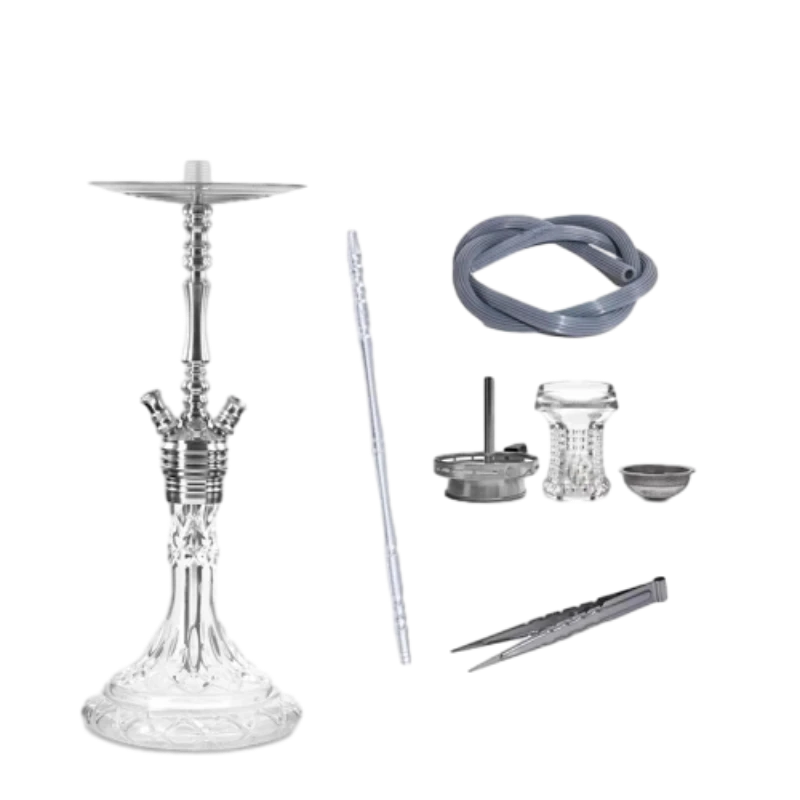
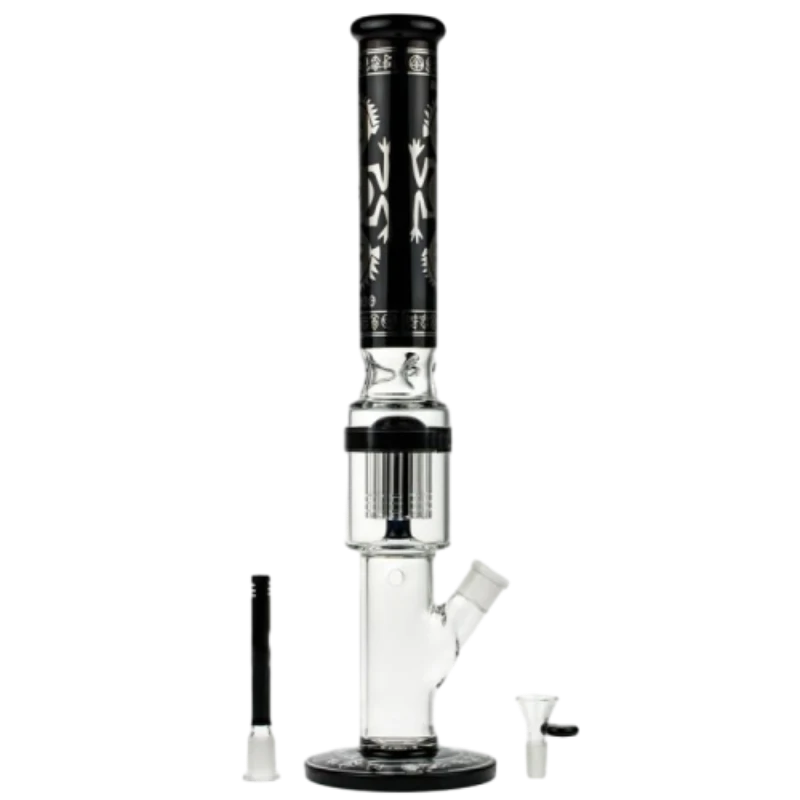
Having spent years in the industrial equipment sector, I can honestly say decorative glass pipes are a bit of a niche fascination but one that’s grown surprisingly technical and creative over the last decade. Frankly, it’s not just about looks anymore — there’s craftsmanship, precision engineering, and even a whisper of high-tech material science involved.
Now, when folks think of glass pipes, many just see delicate décor pieces or artisanal products for collectors. But in real terms, especially on the manufacturing floor, the process demands acute attention to the type of glass used, design tolerances, and how the item will perform under various thermal and mechanical stresses.
Oddly enough, despite this complexity, many manufacturers still rely on traditional borosilicate glass for its balance of toughness and clarity. It’s toughened through specialized annealing cycles—something I’ve witnessed firsthand at several plants. Borosilicate can handle rapid temperature shifts without cracking, which is crucial given the sort of heat exposure these pipes endure.
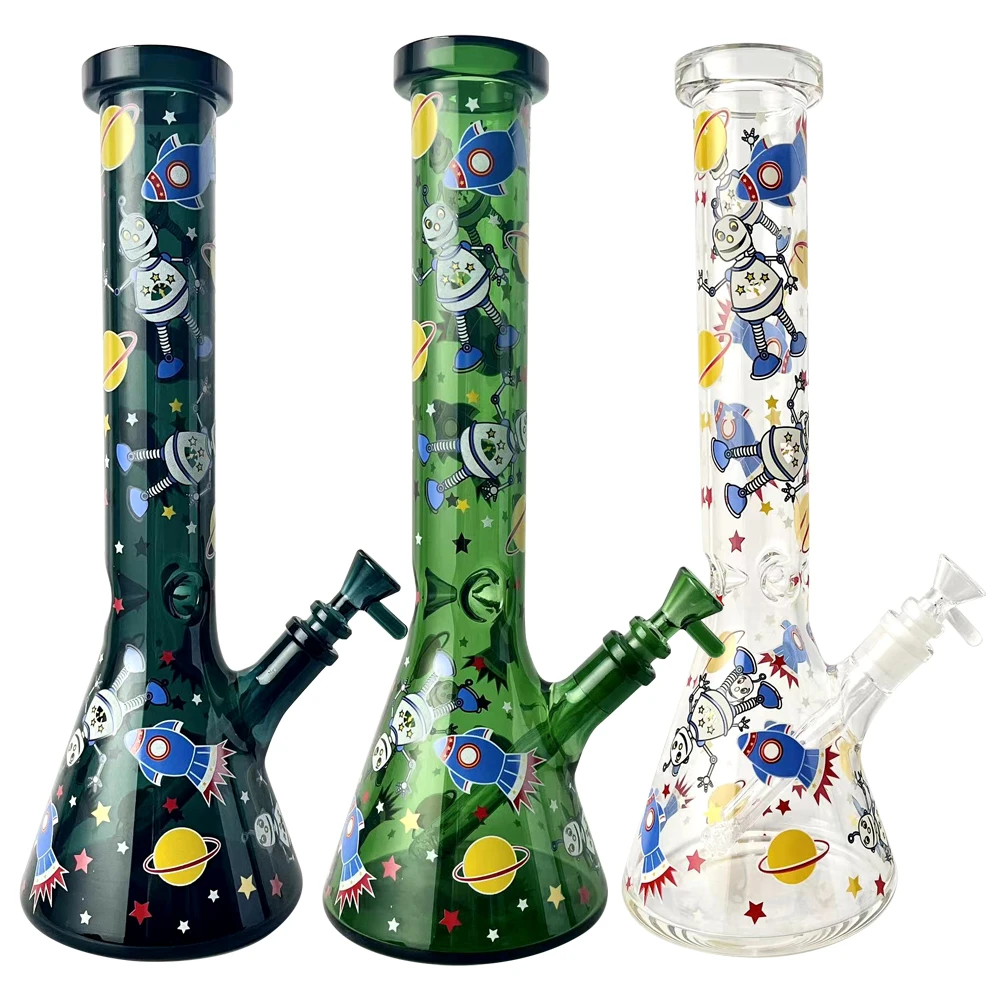
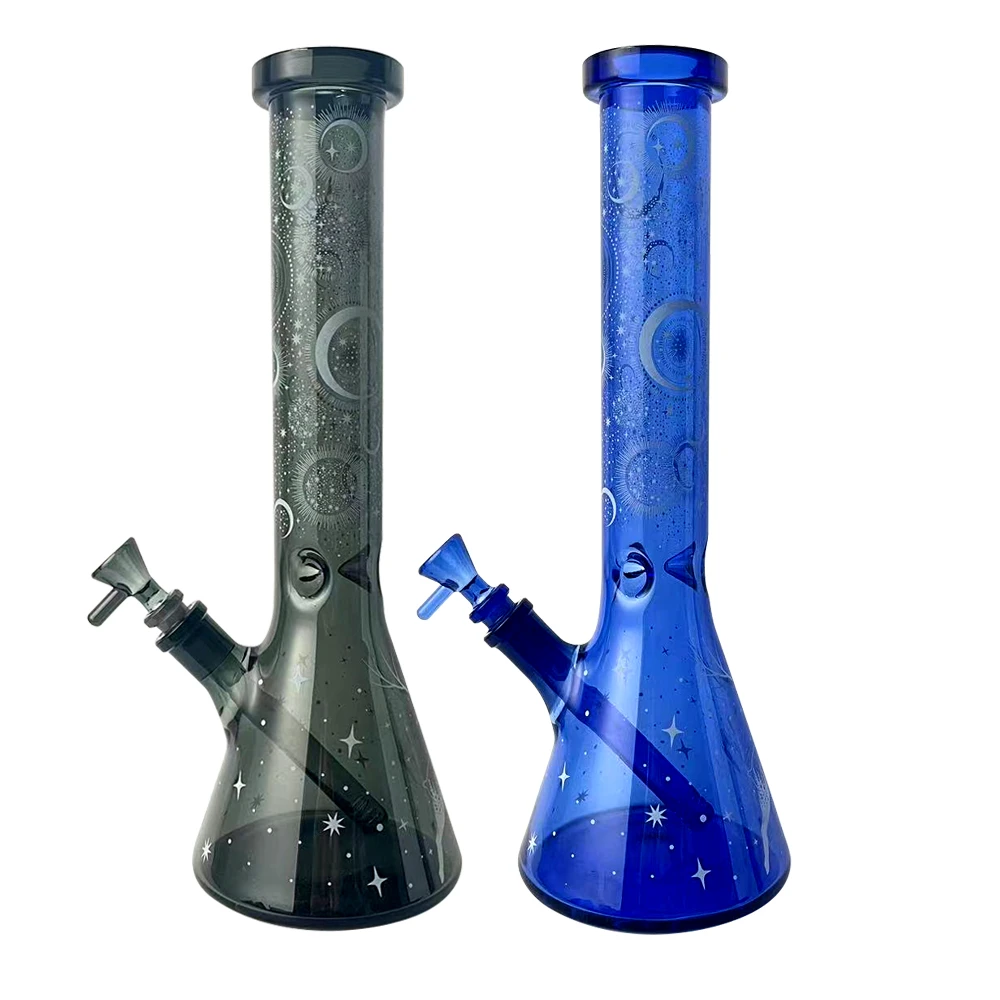
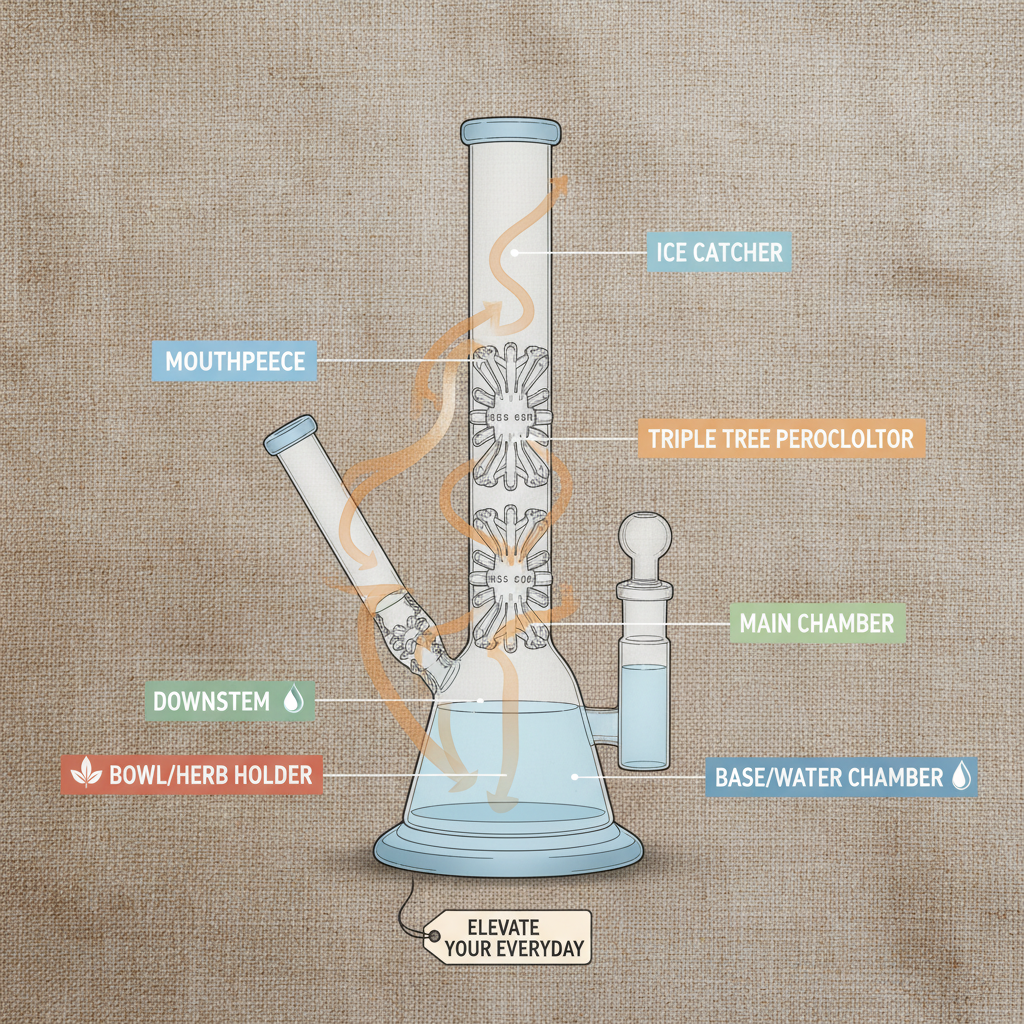
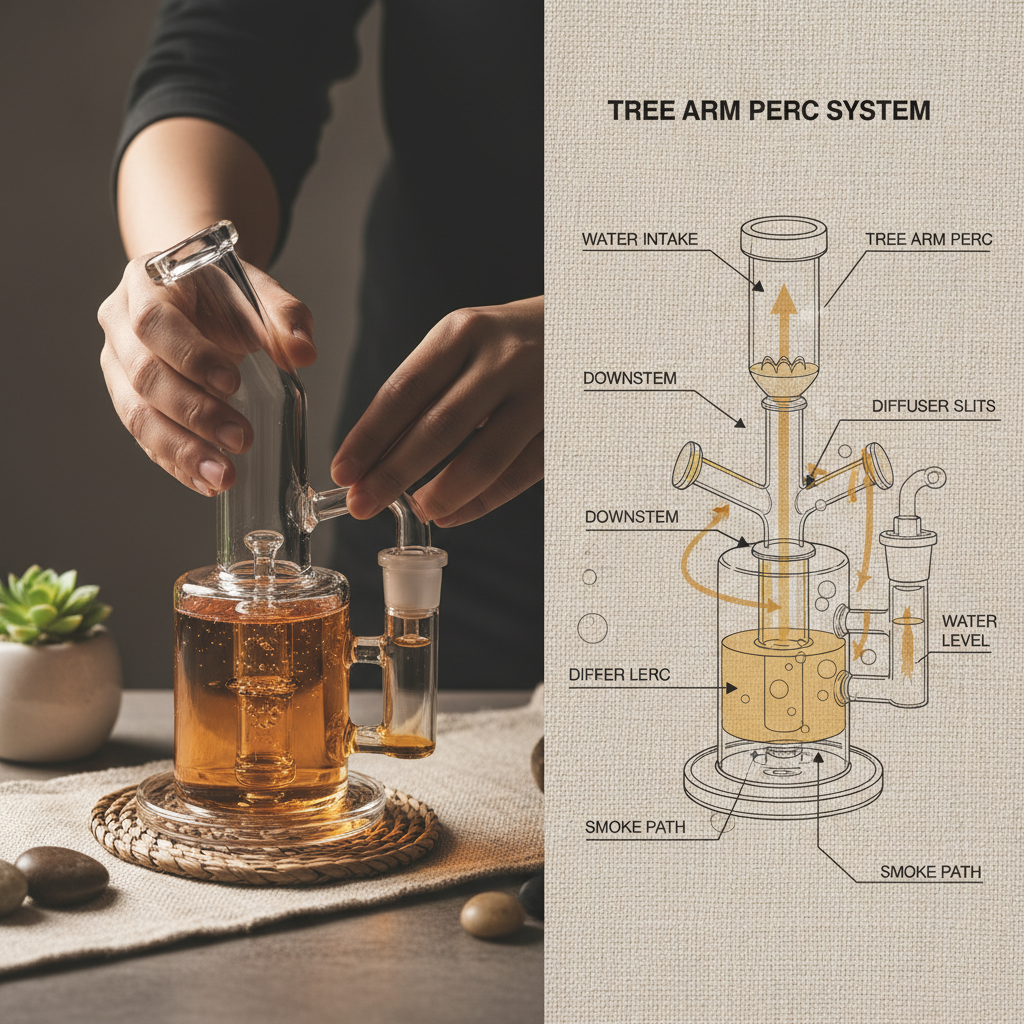
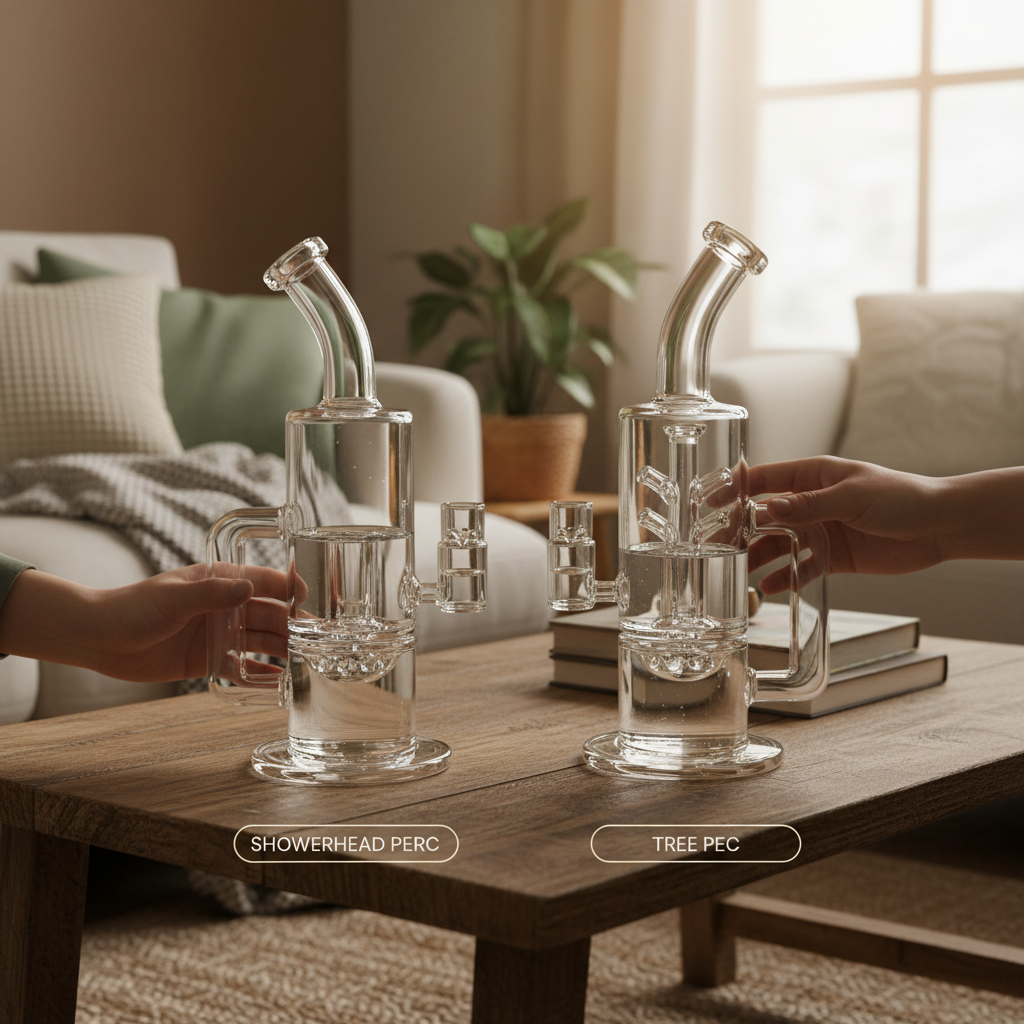
One detail often overlooked by customers is customization. I recall a client who wanted a pipe designed to optimize airflow and enhance visual patterns when smoke passes through — they worked closely with glassblowers, tweaking diameters and bends until everything looked just right and functioned better. These tweaks aren’t merely cosmetic; they affect airflow dynamics and thermal comfort.
Since many engineers say that the devil’s in the details, it’s no surprise that quality control frequently involves microscopic inspections and thermal cycling tests. By doing these, manufacturers reduce the risk of fracture and guarantee a long-lasting product. Decorative glass pipes that pass such tests offer peace of mind as well as eye-catching design.
Key Product Specifications
| Specification | Details |
|---|---|
| Material | Borosilicate Glass |
| Average Length | 120 - 150 mm |
| Wall Thickness | 3 - 5 mm (varies by design) |
| Thermal Resistance | Up to 450°C (annealed) |
| Customization | Color tinting, etching, shape variations |
Vendor Comparison: What To Watch For
| Feature | Vendor A (Mass Producer) | Vendor B (Custom Artisans) | Vendor C (Industrial Grade) |
|---|---|---|---|
| Material Quality | Standard Borosilicate | High-grade Borosilicate + Artistic Additives | Ultra Clear Borosilicate, Thermal Tested |
| Customization | Limited Options | Extensive, Custom Designs | Moderate, Focus on Functionality |
| Price Range | $20–$35 | $40–$70+ | $30–$50 |
| Quality Control | Batch Visual Inspection | Individual Craft Inspection | Automated and Thermal Testing |
| Target Market | Mass Retail | Collectors & Enthusiasts | Industrial & Premium Consumers |
In my experience, decorative glass pipes are not just charming accessories but also feats of engineering. If you’re choosing one, consider the material specs, production process, and what level of customization matters most to you. Honestly, it’s the blend of artistry with industrial precision that makes these pipes stand out in an otherwise utilitarian field.
At the end of the day, these glassworks combine tradition and technology, and if you handle one yourself, you’ll notice the nuanced difference quality makes. It’s sort of like shaking hands with a blend of past and present craftsmanship.
—
References:
1. Industry Materials Handbook, Glass Section, 2022 Edition.
2. Thermal Properties of Borosilicate Glass, Journal of Industrial Materials, 2021.
3. Consumer Trends in Decorative Glassware, MarketWatch Reports, 2023.