High-Performance Laser Tube – Precision & Efficiency
Our high-quality dissolution vessels are designed for precise and consistent dissolution testing, ensuring compliance with industry standards such as USP, EP, and FDA regulations. Made from borosilicate glass or quartz, these vessels provide exceptional durability, chemical resistance, and optical clarity, making them ideal for pharmaceutical and laboratory applications.
Applications
Pharmaceutical Research & Development – Used for drug dissolution testing to evaluate drug release rates.
Quality Control & Compliance – Ensures batch-to-batch consistency and meets regulatory requirements.
Academic & Scientific Research – Ideal for universities and laboratories conducting dissolution studies.
Industrial Testing – Used in pharmaceutical manufacturing for precise product analysis.
Maintenance & Care
To ensure the longevity and accuracy of your dissolution vessels, follow these maintenance guidelines:
Proper Cleaning – Use mild detergents and rinse with deionized water to prevent residue buildup.
Avoid Abrasive Scrubbing – Clean gently to prevent scratches that could affect dissolution accuracy.
Regular Inspection – Check for cracks or wear and replace vessels as needed to maintain testing precision.
Correct Storage – Store in a clean, dust-free environment to prevent contamination.
With exceptional clarity, durability, and precision, our dissolution vessels are an essential component for any laboratory conducting drug testing and analysis. Explore our range today for consistent and reliable dissolution performance!
What Makes Dinsure Laser Tubes Different?
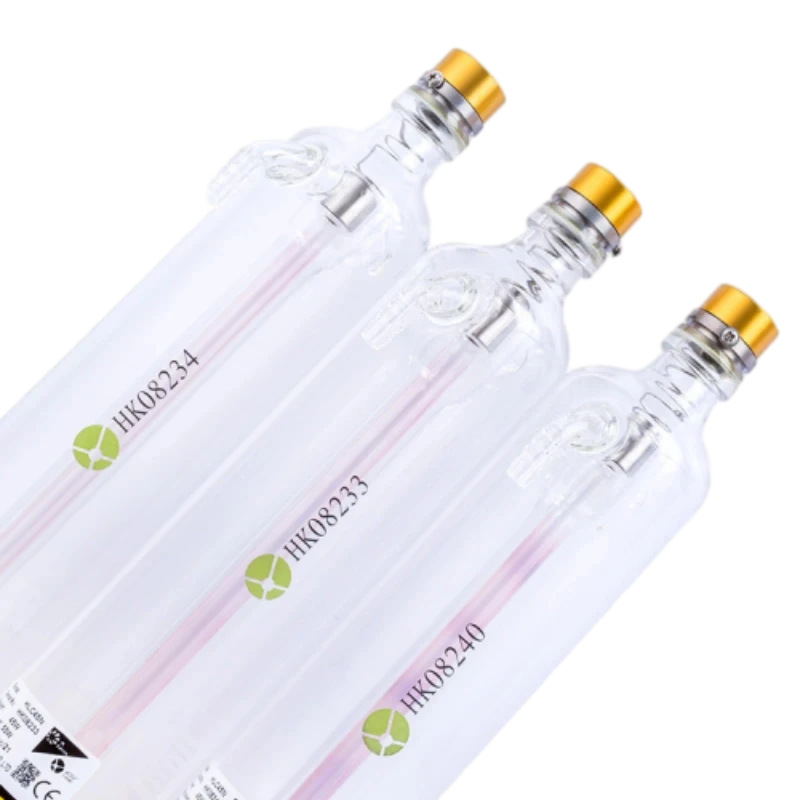
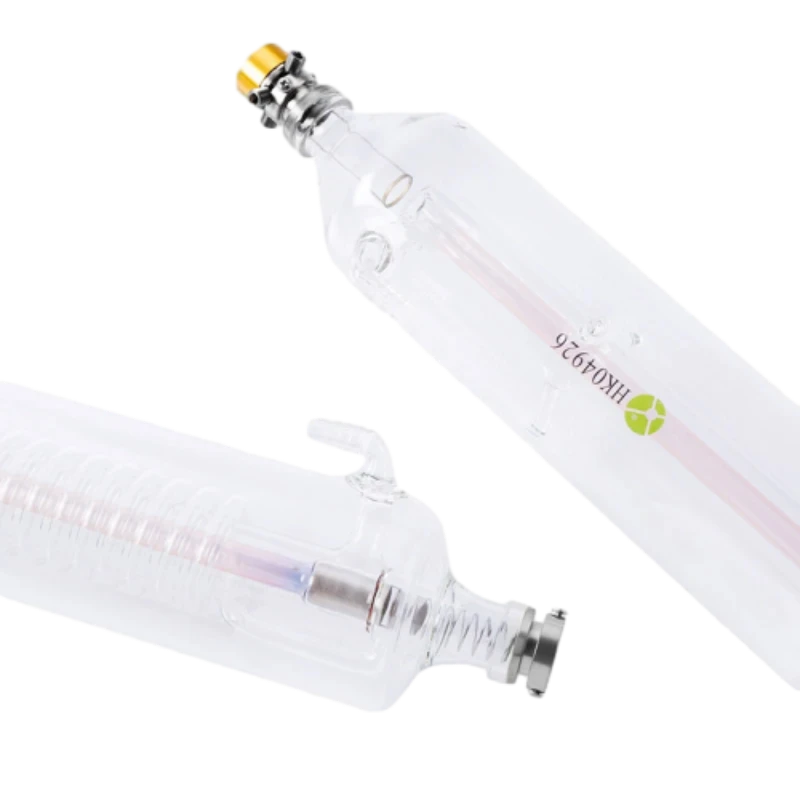
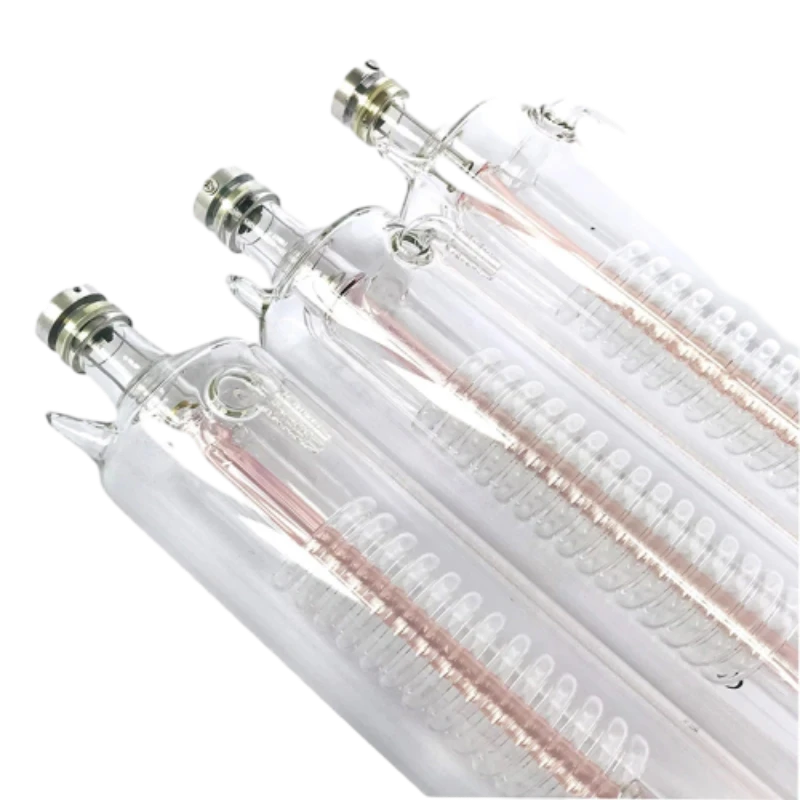
When searching for a reliable laser tube for sale, many factors come into play, including performance, durability, and cost-effectiveness. Dinsure has distinguished itself in the industry by offering high-quality CO2 laser tubes that meet the needs of both small businesses and large-scale manufacturers. Unlike generic products on the market, Dinsure laser tubes are designed with precision engineering, ensuring stable output, longer lifespan, and consistent cutting or engraving quality.
One of the standout features of Dinsure’s products is their extensive range. Customers can find a variety of CO2 laser tube lengths, tailored for different machines and applications. Whether you require a compact 300mm tube for desktop engravers or a long 1300mm tube for industrial cutting systems, Dinsure provides reliable options without compromising performance. This flexibility makes it easier for users to select the perfect fit for their equipment, enhancing productivity and reducing downtime.
As a trusted laser tube supplier, Dinsure emphasizes quality control and safety. Each tube undergoes rigorous testing to ensure uniform power distribution and precise laser alignment. This commitment to quality not only increases the tube’s lifespan but also improves overall cutting and engraving results. Additionally, the company collaborates closely with manufacturers in laser tube China, leveraging advanced production techniques to maintain consistent standards across every batch.
Cost is another critical consideration. Dinsure balances affordability with superior quality, offering competitive laser tube prices without cutting corners. This makes it accessible for businesses of all sizes to acquire high-performance laser tubes without excessive investment. Moreover, Dinsure provides excellent after-sales support, including technical guidance and troubleshooting, which sets it apart from many other suppliers in the market.
In conclusion, what makes Dinsure laser tubes different is their combination of high-quality materials, precision manufacturing, a wide range of CO2 laser tube lengths, and customer-focused service. Whether you are seeking a reliable laser tube for sale for your workshop or sourcing directly from a reputable laser tube supplier in China, Dinsure ensures consistent performance, durability, and value, helping you achieve optimal results in all your laser cutting and engraving projects.
What is a Laser Tube Used For?
A laser tube is a core component in many laser machines, serving as the source of the laser beam itself. It functions by converting electrical energy into a highly focused beam of light, capable of cutting, engraving, or marking various materials. Understanding what a laser tube is used for is essential for industries ranging from manufacturing to creative design, as its applications are versatile and highly precise.
One of the primary uses of a laser tube is in industrial cutting and engraving. CO2 laser tubes, for example, are widely employed to cut materials such as acrylic, wood, leather, and certain plastics. The precision offered by a laser tube ensures clean edges and intricate details that are difficult to achieve with traditional cutting tools. This makes it a preferred choice in furniture manufacturing, signage production, and custom product design. Additionally, laser tubes allow for repetitive and consistent cuts, increasing production efficiency and reducing material waste.
Another key application is in marking and etching. Laser tubes are used in machines that engrave serial numbers, logos, QR codes, or decorative patterns onto metal, glass, plastic, or ceramic surfaces. This process is non-contact, meaning the laser does not physically touch the material, minimizing wear and tear on both the tool and the workpiece. Industries such as electronics, automotive, and jewelry benefit greatly from this capability, as it ensures precision, permanence, and a professional finish.
Laser tubes are also important in medical and scientific applications. Certain types of laser tubes are used in laboratory equipment, surgical devices, and diagnostic tools. They provide controlled and accurate energy delivery for procedures like laser surgery, tissue analysis, and experimental research. The consistency and reliability of a high-quality laser tube are critical for these sensitive applications.
Furthermore, laser tubes play a role in hobbyist and creative projects. Small laser machines equipped with compact laser tubes are popular for DIY projects, personalized gifts, and educational experiments. They allow enthusiasts to explore precise cutting and engraving techniques without the need for large industrial setups.
In summary, a laser tube is used for cutting, engraving, marking, and scientific applications, providing accuracy, efficiency, and versatility. Whether in industrial production, medical research, or creative projects, laser tubes remain an essential technology that transforms electrical energy into a focused beam for countless practical applications.
Complete Guide to CO2 Laser Tubes: 10W to 1000W Options and Replacement Tips
CO2 laser tubes are essential components for laser cutting, engraving, and marking machines, available in a wide range of power options from small 10W CO2 laser tubes to industrial-grade 1000W CO2 laser tubes. Choosing the right CO2 laser tube depends on your application, whether you need a 30W or 50W laser tube for hobby projects, an 80W or 100W laser tube for professional use, or higher-power options like 200W, 300W, 500W, and even 1000W for heavy-duty industrial tasks.
Glass CO2 laser tubes remain popular for their precision and affordability. Variants like the 80W CO2 glass tube and 100W glass laser tube offer reliable performance for engraving and cutting, while higher-power glass tubes such as 150W, 200W, and 300W are ideal for larger projects or denser materials. For those looking for more durability, metal tube lasers or hybrid fiber laser tubes provide longer lifespans and reduced maintenance compared to standard glass tubes.
Replacement is another key consideration. Over time, CO2 laser tubes lose efficiency, so knowing how to replace a laser tube safely is important. Common sizes like 30 watt laser tubes, 50 watt laser tubes, 60W CO2 laser tubes, and 100 watt CO2 laser tubes are often stocked as replacement units. Buying cheap CO2 laser tubes can be tempting, but quality should be prioritized to avoid inconsistent cutting or engraving results.
Other considerations include power ratings such as 40 watt laser tube, 45W, 120W, 130w laser tube, 150 watt laser tube, 180W, and 200W CO2 laser tubes, as well as 300W and 500W options. Each power rating has specific applications: low-wattage tubes are suited for delicate engraving and thin materials, while high-wattage tubes are better for cutting thicker acrylics, wood, or metal with fiber-assisted lasers.
Whether you are selecting a 60W, 80W, or 100W CO2 laser tube, or exploring glass, metal, or fiber tube alternatives, understanding your material requirements and machine compatibility ensures optimal performance. Proper setup, maintenance, and timely replacement of your CO2 laser tube will extend its lifespan and maintain high-quality results across all laser projects.