Golden Arabic Water Pipe: field notes from a fast-evolving niche
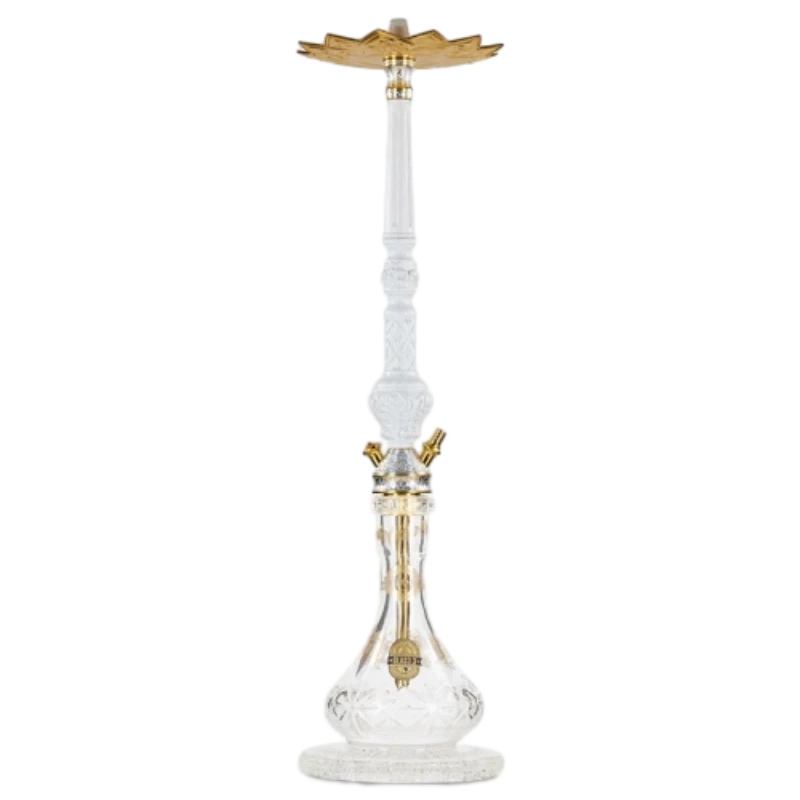
I’ve spent the last few months talking to importers and lounge owners from Jianqiao Township, Fucheng County, Hengshui City, Hebei Province all the way to Doha and Düsseldorf. One model keeps popping up: the Golden Arabic water pipe. To be honest, the demand for gold-tone finishes isn’t just a design fad—it’s tied to durability coatings catching up with hospitality-level abuse. And yes, I’ve seen them survive some brutal weekend shifts.
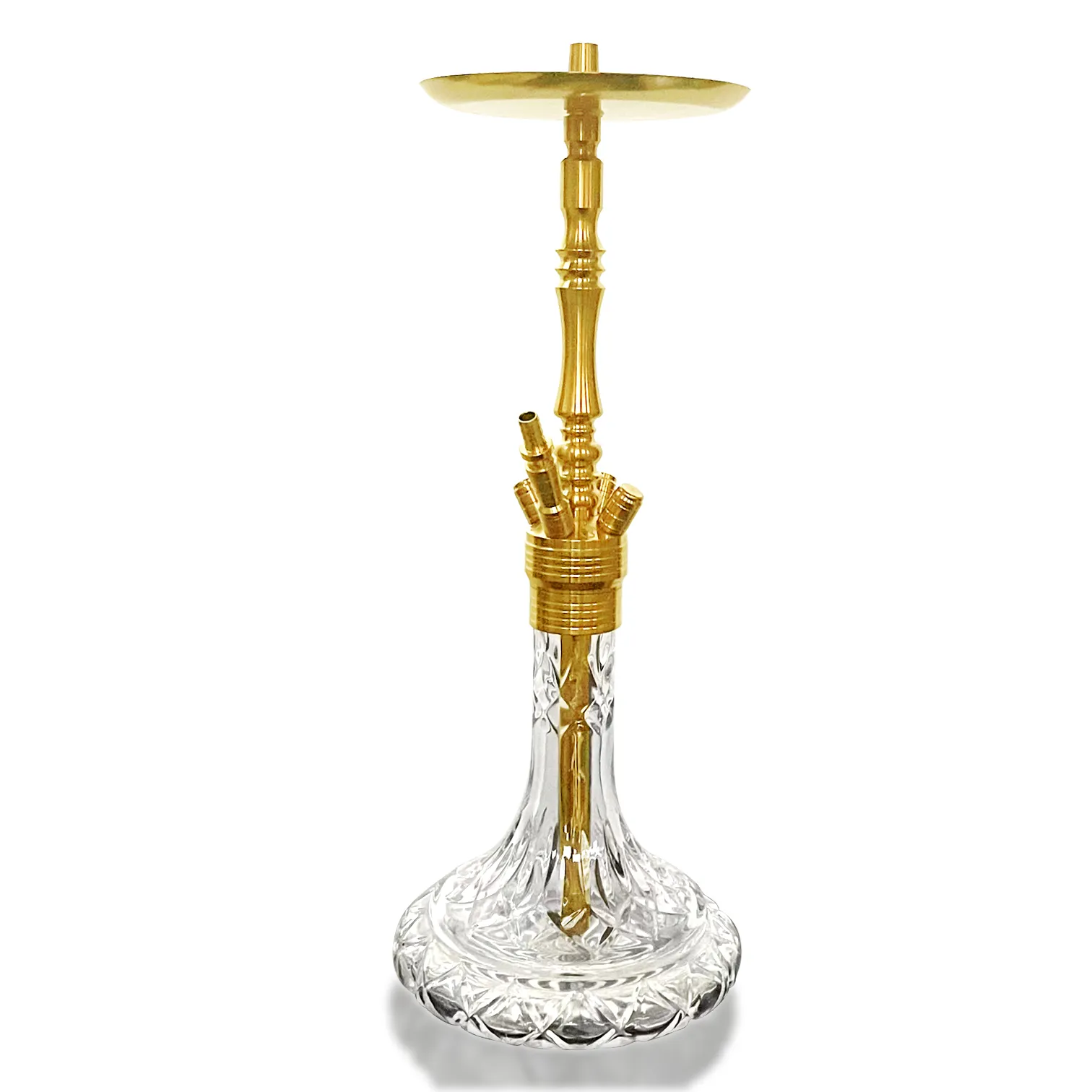
What’s inside: materials and build
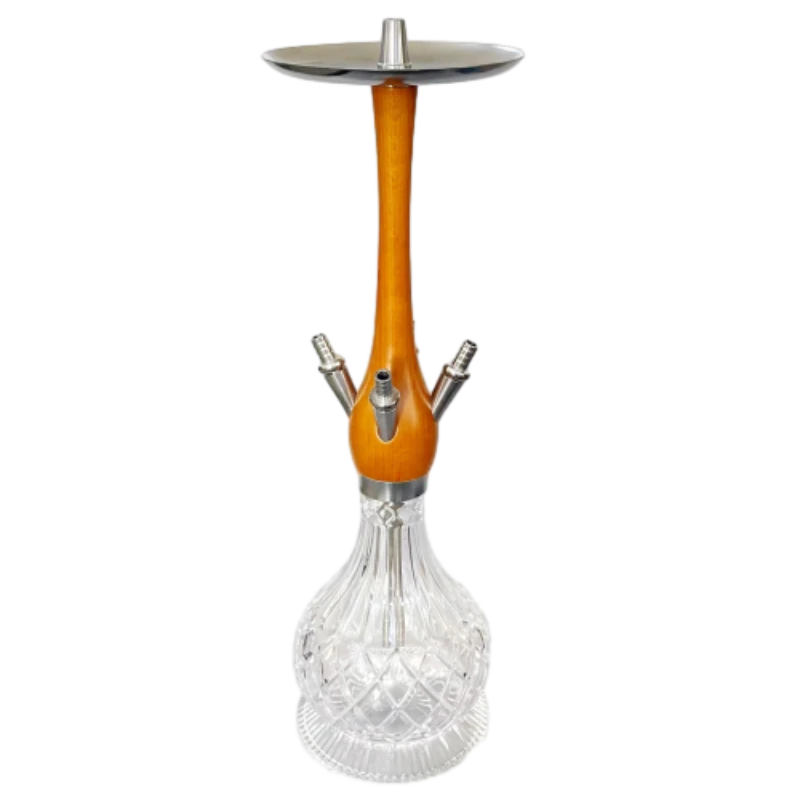
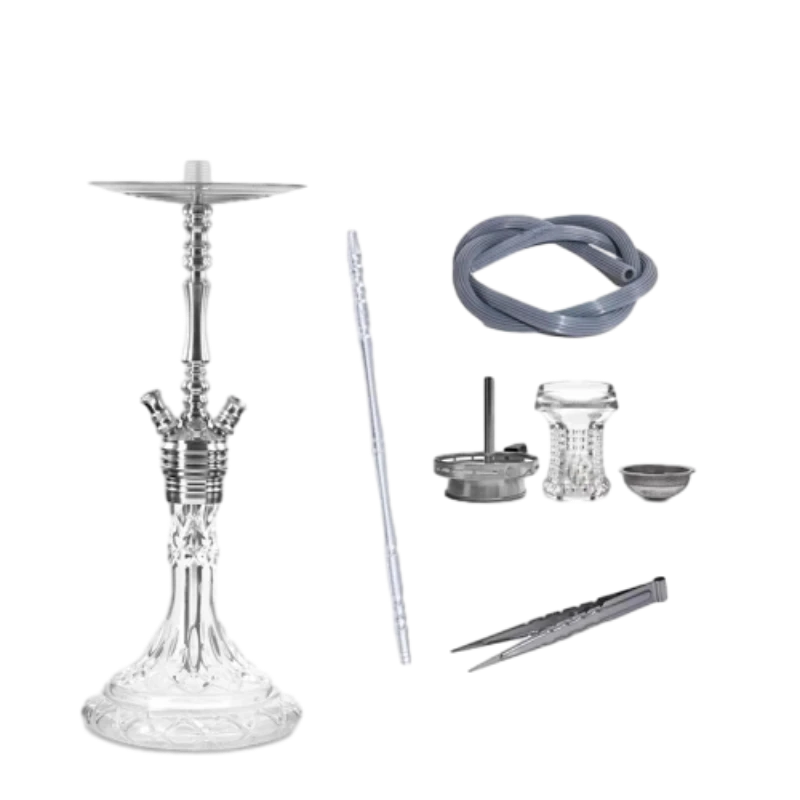
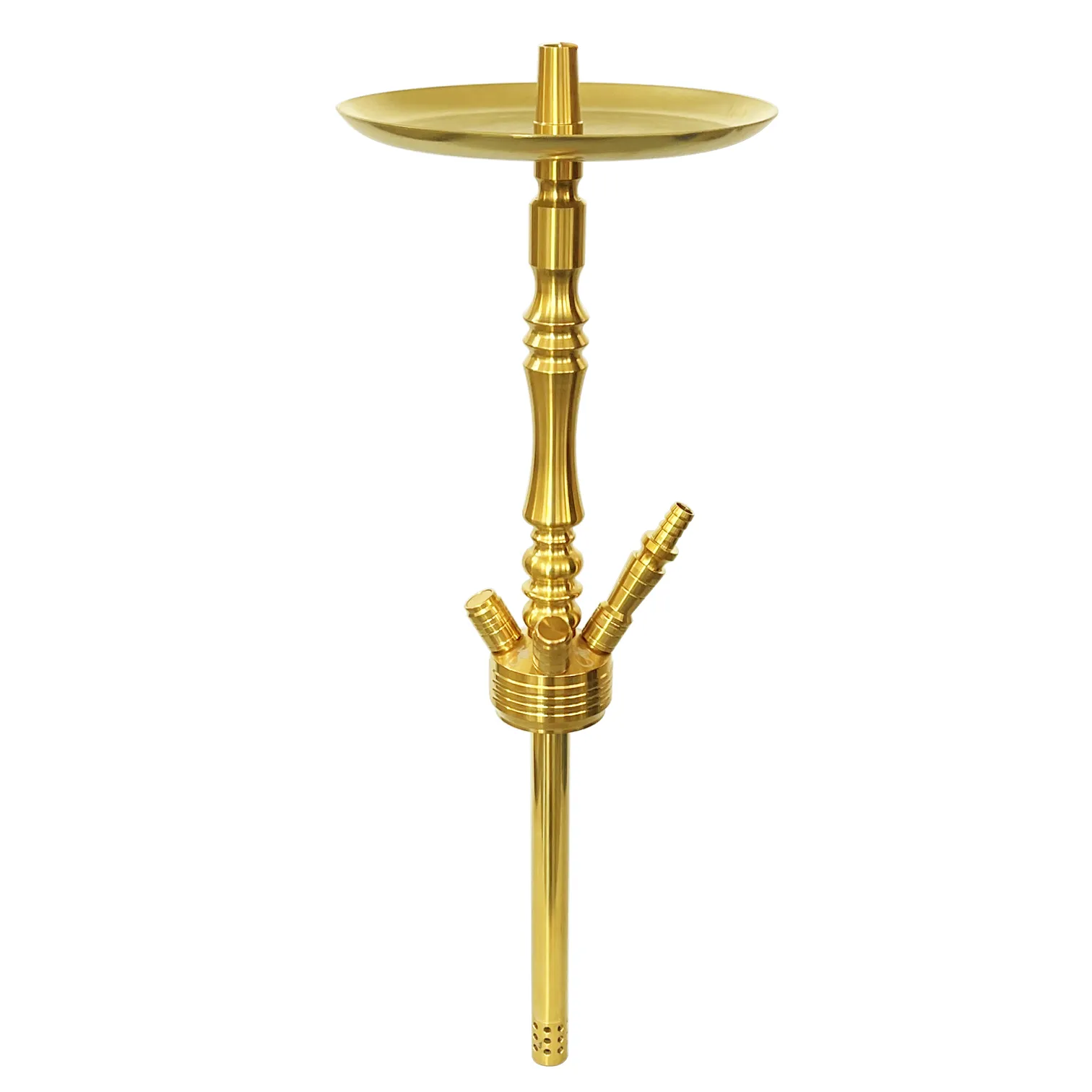
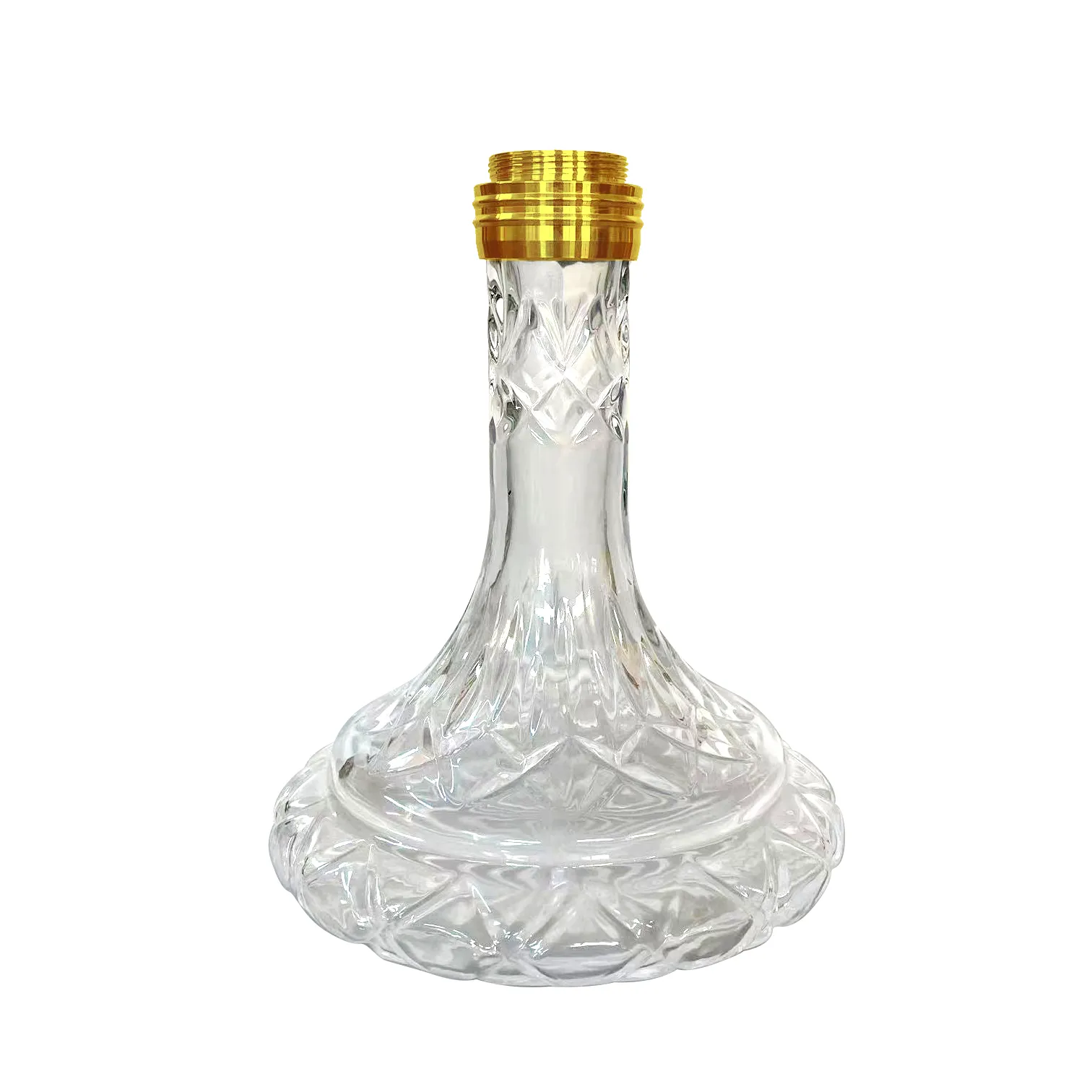
The headline is straightforward: steel stem and a clear base. The steel gives you structural stability; the transparent base is more than aesthetics—you can monitor water clarity, bubble patterns, and catch residue early. Many customers say this combo cuts cleaning guesswork. The gold finish, in most factory runs, is either PVD (physical vapor deposition) or electroplated; the former tends to win on abrasion resistance.
| Spec | Details (≈ real-world values) |
|---|---|
| Model | Golden Arabic water pipe, steel stem + clear base |
| Overall height | ≈ 58–65 cm (customizable) |
| Finish | Gold-tone PVD or electroplated (factory selects by batch/MOQ) |
| Base | Clear, weighted; glass or high-clarity acrylic available |
| Airflow | ≈ 12–15 L/min at 100 Pa (internal QC; lounge use may vary) |
| Service life | ≈ 3–5 years in hospitality with routine cleaning; longer in home use |
Process flow and test regime
- Materials: stainless steel stem/tube set; clear base; silicone hose options; food-contact mouthpiece options.
- Methods: precision tube machining, weld or threaded couplers, deburring, finish application (PVD preferred for abrasion resistance).
- Testing: salt spray per ISO 9227/ASTM B117 (gold finish batches), cross-hatch adhesion per ASTM D3359, leak and pressure drop checks (bench rig), wipe abrasion cycles (shop test).
- Certifications (on request): ISO 9001 quality systems; RoHS/REACH material declarations; LFGB for food-contact silicone parts.
Where it shines
Scenarios: shisha lounges needing fast turnover and rugged hardware; boutique hotels curating a premium look; event rentals (gold pops on camera); home enthusiasts who want minimal fuss cleaning. Actually, the clear base is a quiet win—staff can eyeball water replacement between sessions.
Vendor snapshot (why sourcing matters)
| Vendor | Strengths | Watch-outs |
|---|---|---|
| Factory (Hebei origin) | Direct pricing, OEM tweaks, consistent batches, spare parts | Lead time around 20–35 days in peak season |
| Trading house | Fast quotations, mixed-model consolidation | Specs can drift; clarify finish (PVD vs electroplate) |
| Boutique brand | Premium packaging, retail warranty, design cachet | Highest unit cost; limited OEM flexibility |
Customization menu
Options include laser-etched logos, hose length and color, base material (glass/acrylic), valve count, and stem patterning. MOQ applies for PVD color variants (rose gold, smoked gold). Packaging can be retail-ready with foam density matched to international shipping.
Field results (quick cases)
- Doha lounge chain: after switching to Golden Arabic water pipe, weekly breakage reports dropped ≈28% (self-reported; mostly base chips reduced).
- Berlin event rental: photo teams preferred the gold finish under warm light; cleaning time per unit went from ~9 to ~6 minutes via clear-base checks.
Bottom line
If you’re speccing for high-traffic venues, prioritize PVD finish, spare parts availability, and verifiable test data. The Golden Arabic water pipe from Hebei’s manufacturing belt ticks those boxes—and, frankly, looks the part without being precious about upkeep.
Authoritative citations
- ISO 9001: Quality Management Systems – https://www.iso.org/iso-9001-quality-management.html
- ISO 9227: Corrosion tests in artificial atmospheres (salt spray) – https://www.iso.org/standard/63543.html
- ASTM B117: Standard Practice for Operating Salt Spray Apparatus – https://www.astm.org/b0117-19.html
- ASTM D3359: Standard Test Methods for Measuring Adhesion by Tape Test – https://www.astm.org/d3359.html
- EU RoHS Directive 2011/65/EU – https://ec.europa.eu/environment/topics/waste-and-recycling/rohs-directive_en
- REACH Regulation (EC) No 1907/2006 – https://echa.europa.eu/regulations/reach
- LFGB (German Food, Articles of Daily Use and Feed Code) overview – https://www.bvl.bund.de/EN