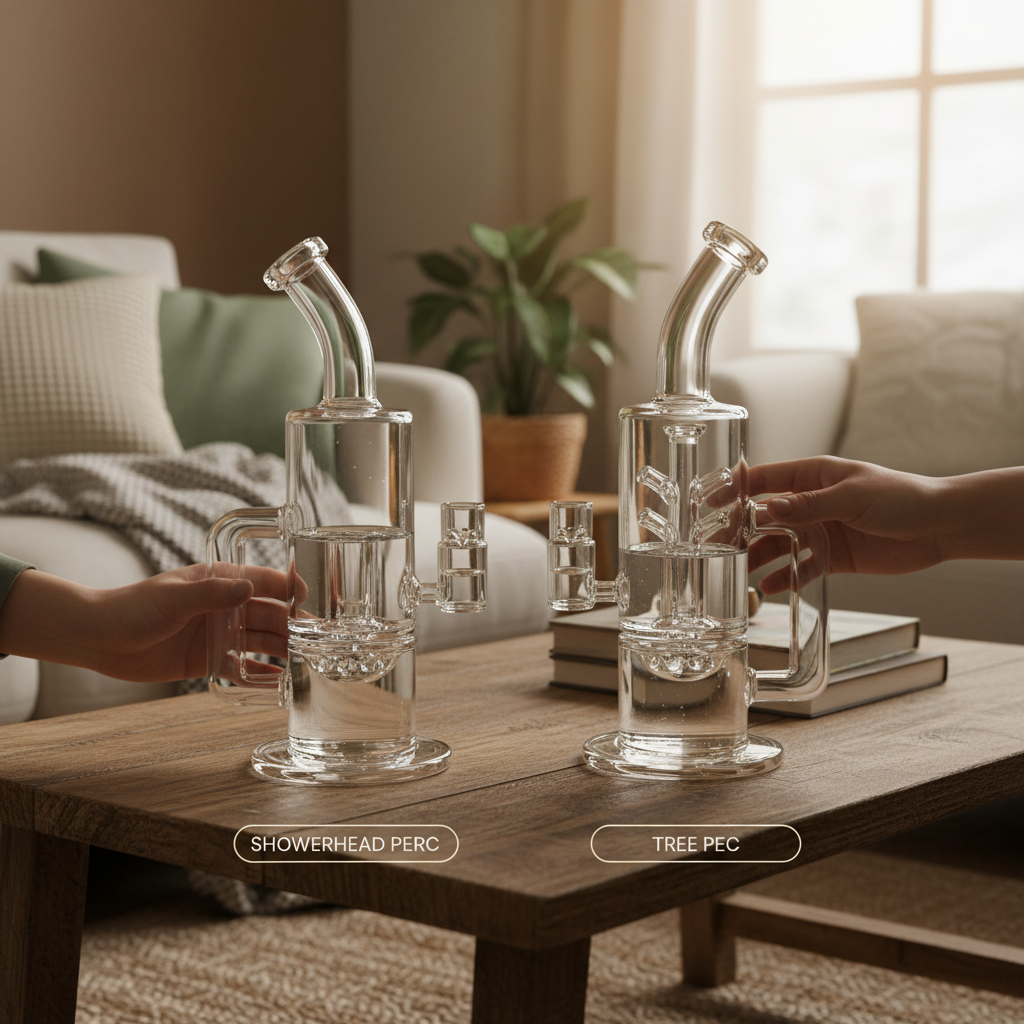
In pharmaceutical and laboratory settings, accuracy and consistency are paramount when conducting drug dissolution tests. Our dissolution vessel collection is meticulously crafted to meet these demanding requirements, providing superior reliability and durability. Designed with high-quality materials such as borosilicate glass or USP-compliant substances, these vessels ensure chemical resistance and transparency, enabling precise observation of dissolution processes essential for regulatory compliance and quality control.
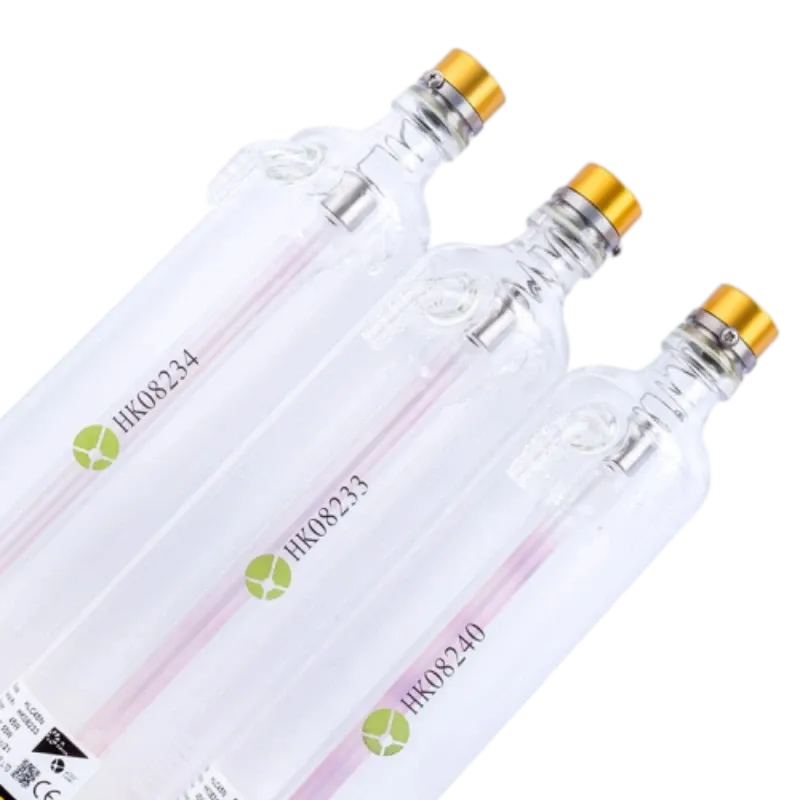
Apex Vessel Dissolution: Enhancing Test Accuracy
The apex vessel dissolution design focuses on optimizing fluid dynamics within the vessel to mimic physiological conditions more closely. This leads to enhanced mixing efficiency and uniform dissolution rates, which are critical for consistent and reproducible results. By minimizing dead zones and ensuring smooth hydrodynamics, apex vessels reduce variability in dissolution tests, helping laboratories meet stringent USP and EP standards with confidence.
Manufactured with durable, heat-resistant glass, apex vessels are compatible with a wide range of dissolution testers. Their transparency facilitates continuous monitoring, allowing researchers to detect any anomalies promptly. When selecting dissolution vessels, choosing apex designs can significantly improve test reliability.
Dissolution Bowls: Versatility and Compatibility in Testing
Integral to the dissolution testing apparatus, dissolution bowls serve as the physical containers that hold the dissolution media and test samples. These bowls are engineered to meet strict dimensional and material standards to guarantee consistency across testing sessions. High-quality dissolution bowls are produced from materials resistant to chemical attack and thermal fluctuations, primarily borosilicate glass or specialized polymers that comply with USP and FDA requirements.
Dissolution bowls come in various sizes and configurations tailored to different testing protocols and apparatus types. Their design ensures a perfect fit with paddles, baskets, or other agitation mechanisms, which is essential for preventing leakage and maintaining the integrity of the test environment. Precision in manufacturing guarantees that the bowls align correctly with these accessories to enable consistent agitation and avoid sample loss.
The durability of dissolution bowls is also a major consideration, as they must withstand repeated cleaning and sterilization cycles without degradation. Many laboratories prefer bowls with smooth inner surfaces to reduce residue buildup and facilitate thorough cleaning, which is paramount for preventing cross-contamination between tests. Additionally, their transparency allows for clear visual monitoring of the dissolution process and immediate identification of any irregularities.
Peak Vessel Dissolution: Optimal Design for Consistency and Clarity
The peak vessel dissolution model incorporates design elements that optimize sample exposure and media circulation to maximize dissolution efficiency. Featuring a conical or peaked bottom, these vessels promote enhanced mixing and prevent sedimentation of samples, leading to more uniform dissolution profiles.
Made from high-quality borosilicate glass or quartz, peak vessels provide excellent chemical resistance and thermal stability. Their transparent construction allows for clear observation of the dissolution process, essential for documenting and verifying results in compliance with FDA and international pharmacopeial standards. These vessels are widely used in both research and quality assurance laboratories for their reliability and performance.
Dissolution Vessel FAQs
What materials are commonly used to manufacture dissolution vessels?
Dissolution vessels are typically made from borosilicate glass, quartz, or USP-compliant polymers. Borosilicate glass is favored for its chemical resistance, thermal stability, and transparency, allowing easy observation. Quartz vessels offer enhanced purity and durability but at a higher cost. Selection depends on the specific testing requirements and chemical compatibility.
How does the apex vessel design improve dissolution testing?
The apex vessel design optimizes fluid flow within the vessel, ensuring better mixing and minimizing stagnant zones. This leads to more uniform dissolution rates and reduces variability between tests, which is critical for producing reliable and reproducible data aligned with regulatory standards.
Can dissolution bowls fit different types of dissolution testers?
Yes, dissolution bowls come in various sizes and designs to be compatible with most common dissolution testers and apparatus brands. Precision manufacturing ensures a snug fit with paddles, baskets, or other accessories, preventing leaks and sample contamination, thus maintaining test integrity.
What advantages do peak vessel dissolution models offer?
Peak vessel models enhance media circulation and sample suspension due to their conical bottom design. This prevents sedimentation, promotes uniform dissolution, and facilitates easier cleaning. Their transparent construction aids visual monitoring, supporting precise and documented testing processes.
How should dissolution vessels be maintained for longevity and accuracy?
Regular cleaning with appropriate solvents and gentle brushes is essential to remove residues without scratching. Avoid sudden temperature changes to prevent thermal shock. Inspect vessels frequently for chips or cracks that could affect test results. Proper storage and handling prolong vessel life and maintain testing accuracy.