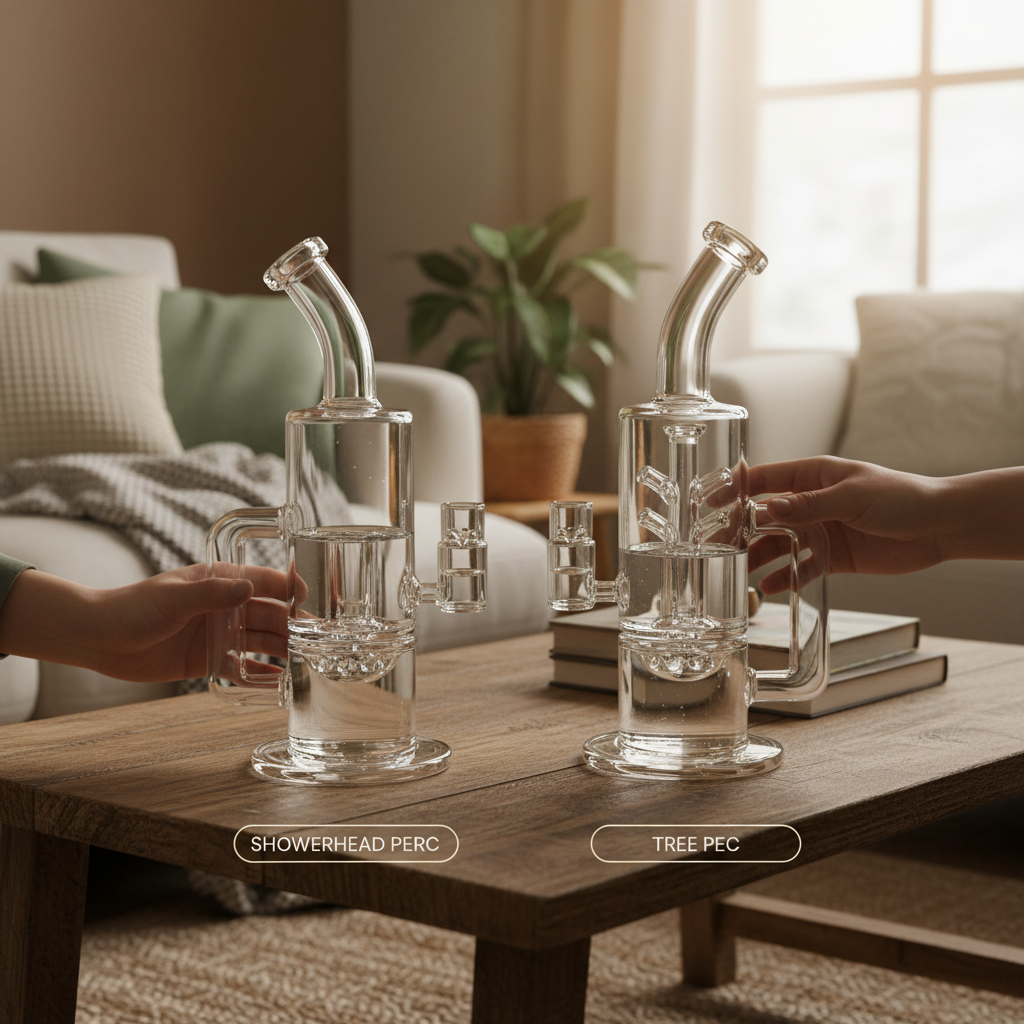
How Do You Clean a Glass Pipe? Tips from Years in the Industrial Equipment World
Having spent years around industrial tools and equipment, I can tell you one thing for sure: clean gear performs noticeably better. Now, glass pipes might not be what you usually think of in industrial settings, but oddly enough, they often pop up either in lab environments or as specialty tools. I suppose that’s where my experience comes in handy. Cleaning a glass pipe, frankly, is not rocket science but it does demand care, the right materials, and a bit of patience.
Glass, as you probably know, is non-porous which makes it easier to clean than many other materials—but it can also be a pain if you’re not careful because glass is fragile. So it’s about finding that balance between getting your pipe spotless and not turning it into shards.
I'm talking mostly about smaller glass pipes used in lab or industrial personal gear, and yes, sometimes even artistic glass pipes used elsewhere. Cleaning a glass pipe properly keeps it functioning well and looking sharp for a long time.
The basics? Rinse with warm water first. Never hot – sharp temperature changes can cause cracks. Then soak it in a cleaning solution. Many swear by isopropyl alcohol mixed with coarse salt because the salt acts like a gentle abrasive scrubbing stubborn residues inside while alcohol dissolves them. The salt’s roughness depends on the size—usually rock salt or kosher salt does the job without scratching.
I remember we tried some commercial pipe-cleaning products during one routine lab cleanup. They work, sure, but can be a bit harsh on your hands and the environment. So, isopropyl alcohol and salt remain my go-to.
After soaking for about 30 minutes (sometimes longer depending on how grimy your pipe is), give it a good shake. You’ll see bits breaking free. Then rinse again with warm water until the solution runs clear. Dry it with a lint-free cloth or just let it air dry.
Oddly enough, some engineers I know suggest ultrasonic cleaners for glass pipes used in labs or industries where sterility counts. Those machines use high-frequency sound waves to dislodge particles, reaching nooks a hand just can’t. It feels a bit high-tech for a humble glass pipe, but hey, industrial contexts call for that.
One quick note: avoid harsh abrasives like steel wool or anything too rough that could scratch the surface — scratches on glass can actually trap contaminants and defeat your cleaning efforts.
Basic Product Specifications for an Industrial Glass Pipe
| Feature | Specification |
|---|---|
| Material | Borosilicate Glass |
| Length | 4 to 8 inches (varies by model) |
| Wall thickness | 3 to 5 mm |
| Dishwasher Safe | Typically no (hand wash preferred) |
| Temperature Range | -20°C to 150°C |
Vendor Comparison: Cleaning Solutions and Equipment
| Vendor | Cleaning Method | Price Range | Pros | Cons |
|---|---|---|---|---|
| DSGlassBong | Isopropyl alcohol + salt soak | $5–15 | Economical, effective, eco-friendlier | Requires manual effort |
| CleanLabPro | Ultrasonic cleaner | $150–300 | Thorough, hands-free | Expensive initial cost |
| PurePipe Solutions | Commercial chemical cleaners | $20–40 | Convenient, quick action | Potentially toxic fumes, harsh on glass |
From my years in the industry, I'd say patience wins over haste every time. Rushing to clean your glass pipe with harsh chemicals or rough scrubbing can lead to microcracks, and down the line, a costly replacement.
A quick note on customization: many industrial users require specific pipe lengths or wall thicknesses depending on their processes, so check with your supplier about tailored options. It's surprising how much difference a slight tweak in design can make both for durability and cleaning ease.
I recall one technician telling me that after switching to a simple alcohol-and-salt cleaning routine recommended by a supplier like DSGlassBong, their downtime dropped significantly. Less brittle glass, less clogging — real-world results like that don’t lie.
So, in real terms, cleaning your glass pipe is about respect — for the material, the process you use it in, and the people handling it. A clean pipe is a happy pipe, after all.
— A quick takeaway: Treat glass gently, clean thoroughly, and it'll serve you well.
References:
1. Industry cleaning protocols for borosilicate glass labware, Journal of Chemical Health & Safety, 2022
2. User manual and product data sheets for DSGlassBong products, 2023
3. Interviews with maintenance engineers, industrial equipment sector, 2021–2023