How to Clean a Glass Water Pipe: A Practical Guide From the Industrial Trenches
Having spent a good chunk of my career dealing with industrial equipment — glassware included — I’ve come to appreciate just how delicate, yet robust, a glass water pipe really is. Cleaning a glass water pipe may sound straightforward, but oddly enough, when it comes to maintaining its clarity and function, there’s a little art (and science) involved.
In real terms, these pipes are precision-crafted instruments made mostly of borosilicate glass, which—by the way—is chosen for its thermal resistance and durability. It’s the very same type of glass that lab glassware is made from, so it can handle temperature shifts without cracking. Engineers and glassblowers alike rely on that strength to craft pieces that handle rough handling better than most would guess. But all that care can be undone if you don’t clean it right.
Why Cleaning Matters Beyond Looks
Sure, no one wants a grimy pipe with resin buildup obstructing airflow and altering flavor. But there’s more to it. Many industry veterans I’ve talked to point out that regular cleaning extends the pipe’s lifespan significantly. Resin buildup isn’t just unsightly—it can lead to stuck removable parts or impact the water clarity, which frankly, bugs many users who aim for a pure experience.
When cleaning, the key is to keep the glass’s integrity intact while efficiently removing deposits. That requires the right materials and technique—which brings me to an anecdote:
Once on-site at a midwest distributor, a customer showed me a pipe so caked in residue it was borderline opaque. They’d tried soap and water to no avail and even some homemade concoctions. I suggested isopropyl alcohol with coarse salt — the trusted combo in labs and workshops — and within minutes we saw a visibly cleaner piece. Pleased, the customer remarked, “Honestly, I thought I’d just have to replace it.”
Step-by-Step Cleaning Process
Here’s the down and dirty on cleaning glass water pipes effectively:
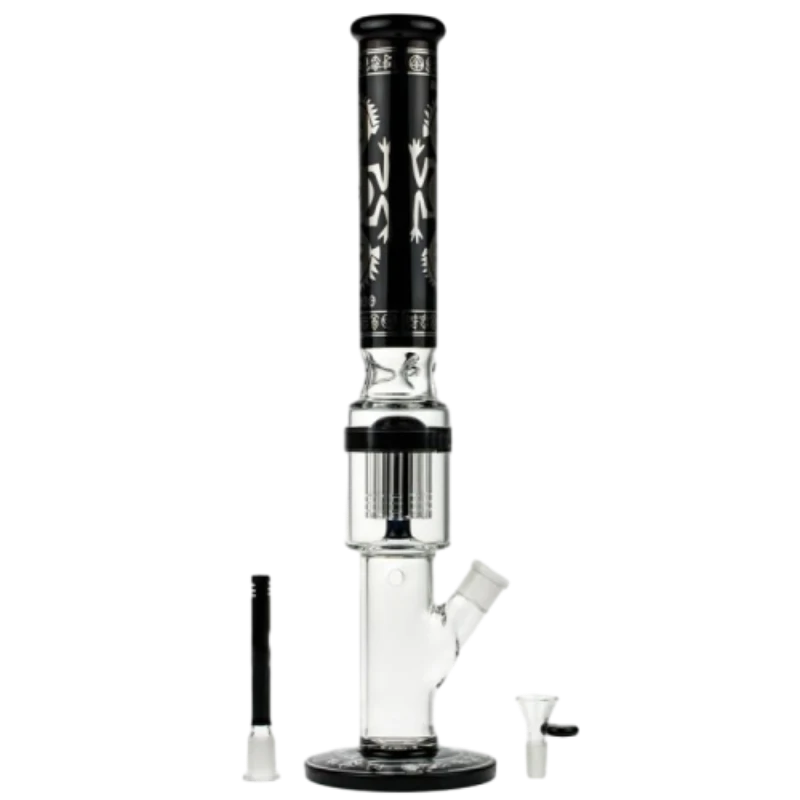
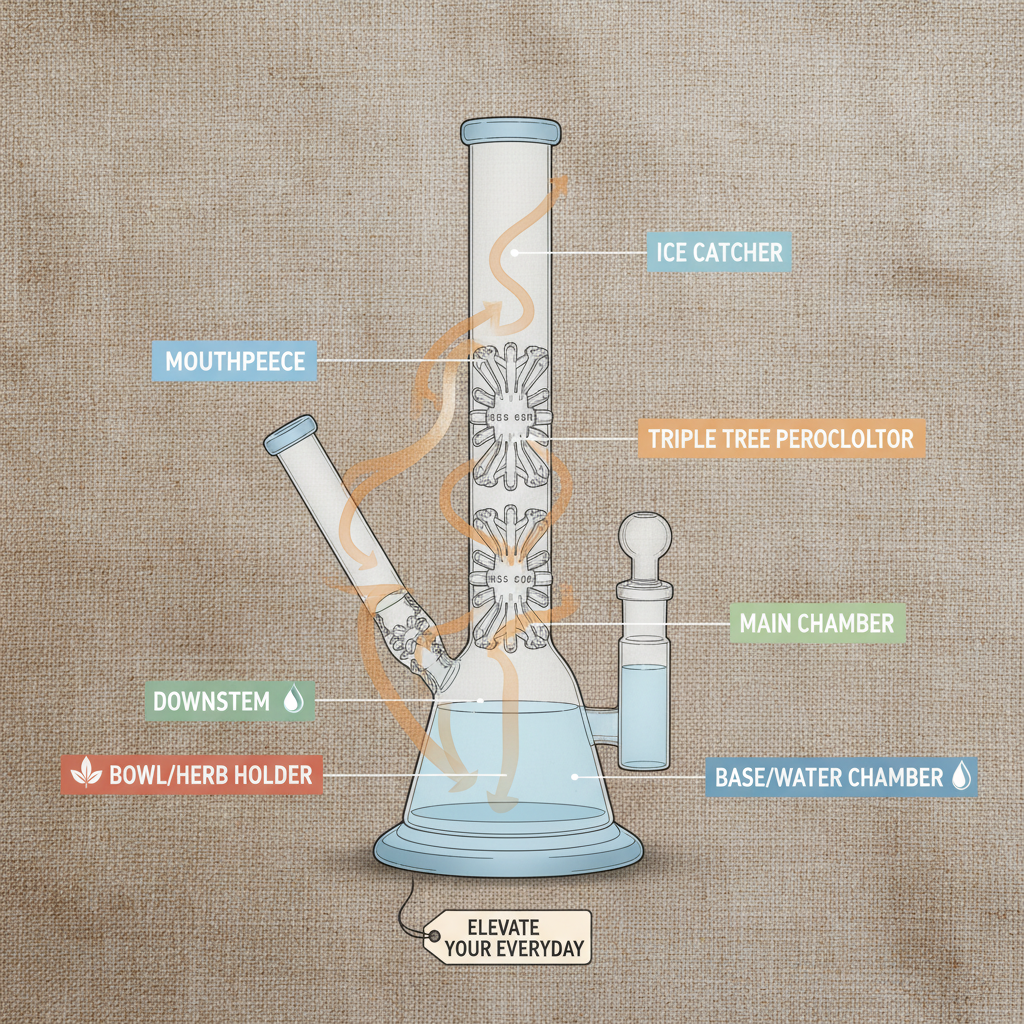
- Disassemble: Remove all detachable parts, including bowls, downstems, and percolators if possible. It’s much easier to clean them individually.
- Rinse: Flush the pieces with warm water to loosen fresh residue.
- Soak: Use a solution of 70-91% isopropyl alcohol mixed with coarse salt (think kosher or sea salt). The salt acts as a mild abrasive without scratching the glass.
- Shake: Seal openings with your hands or plugs and shake gently but thoroughly for several minutes. The abrasive salt combined with the solvent action tackles resin hard to reach otherwise.
- Scrub: If stubborn spots remain, a pipe cleaner or soft brush works wonders—just don’t use anything too harsh.
- Rinse again: To remove all alcohol and salt residue, rinsing with warm water multiple times is important.
- Dry: Let all components air dry fully before reassembling.
Product Specifications at a Glance
| Specification | Details |
|---|---|
| Material | Borosilicate Glass |
| Tolerance | ±0.1mm |
| Heat Resistance | Up to 400°C (752°F) |
| Typical Dimensions | Height: 25-40 cm, Diameter: 4-6 cm |
| Weight | 150-300 grams |
Comparing Top Vendors for Glass Water Pipes
| Vendor | Product Quality | Price Range | Customization Options | Customer Support |
|---|---|---|---|---|
| DS Glass Bong | Premium borosilicate, precision-crafted | $$$ | Custom shapes, colors, engraving | Responsive, knowledgeable |
| ClearStream | Mid-grade glass, standard designs | $ | Limited color options | Basic support |
| CrystalFlow | High-end glass, focus on durability | $$$$ | Some customization, limited | Premium customer service |
To wrap it up, cleaning a glass water pipe isn’t a chore — it’s more like a little ritual you do to honor your equipment. It keeps your experience pure, your glass beautiful, and your gear long-lasting. Having seen pipes withstand years of industrial handling (and abuse), I can say: a few minutes of cleaning regularly beats replacing pieces more often than not.
And the truth is, the process is part of the connection you build with your gear — it feels oddly satisfying to see a sparkling clean pipe, ready to do its job, time after time.
References
- Materials Engineering Handbook, Glass and Ceramics Section, 3rd Ed.
- “Borosilicate Glass Properties and Handling,” Industrial Glass Association Journal, 2022
- Interviews with Industry Veterans, 2018–2023