Precision Glass Fabrication: An Overview of Advanced Manufacturing Techniques
In the realm of advanced material science and precision manufacturing, the art and science of glass fabrication, often colloquially referred to as how to blow glass bongs, represents a highly specialized discipline. This process extends far beyond simple craftsmanship, involving intricate technical specifications, rigorous material selection, and sophisticated manufacturing methodologies to produce components with precise geometries and superior performance characteristics. For B2B stakeholders, understanding the nuances of these fabrication techniques is crucial for sourcing high-quality, durable, and aesthetically superior glass products, whether for scientific apparatus, decorative glass pipes, or custom industrial components.
Modern glass fabrication facilities leverage cutting-edge technology and skilled artisans to meet stringent industry standards. From the initial conceptualization to final quality assurance, every step is meticulously controlled to ensure product integrity and client satisfaction. This article delves into the detailed process, technical advantages, and market trends associated with high-precision glass blowing, providing essential insights for procurement specialists and design engineers.
Process Flow: Deconstructing Glass Fabrication
The detailed manufacturing process of high-quality glass products, often exemplified by precision items like glasses pipe or custom scientific glassware, involves several critical stages, each demanding expert execution and stringent quality control. This section outlines the typical workflow for lampworking, a common method for creating intricate glass pieces.
1. Material Selection and Preparation
- Material Focus: Borosilicate glass is the material of choice for its exceptional thermal shock resistance, chemical inertness, and durability. Grades like Schott Duran, Pyrex, or Simax are commonly used, offering high purity and consistent thermal expansion coefficients. These properties are critical for products requiring longevity and resistance to chemical degradation, a key advantage for specialized applications.
- Raw Material Form: Glass is typically sourced in rod or tubing form, ensuring uniform wall thickness and concentricity, which simplifies the subsequent fabrication steps and minimizes material waste.
2. Precision Lampworking (Glass Blowing)
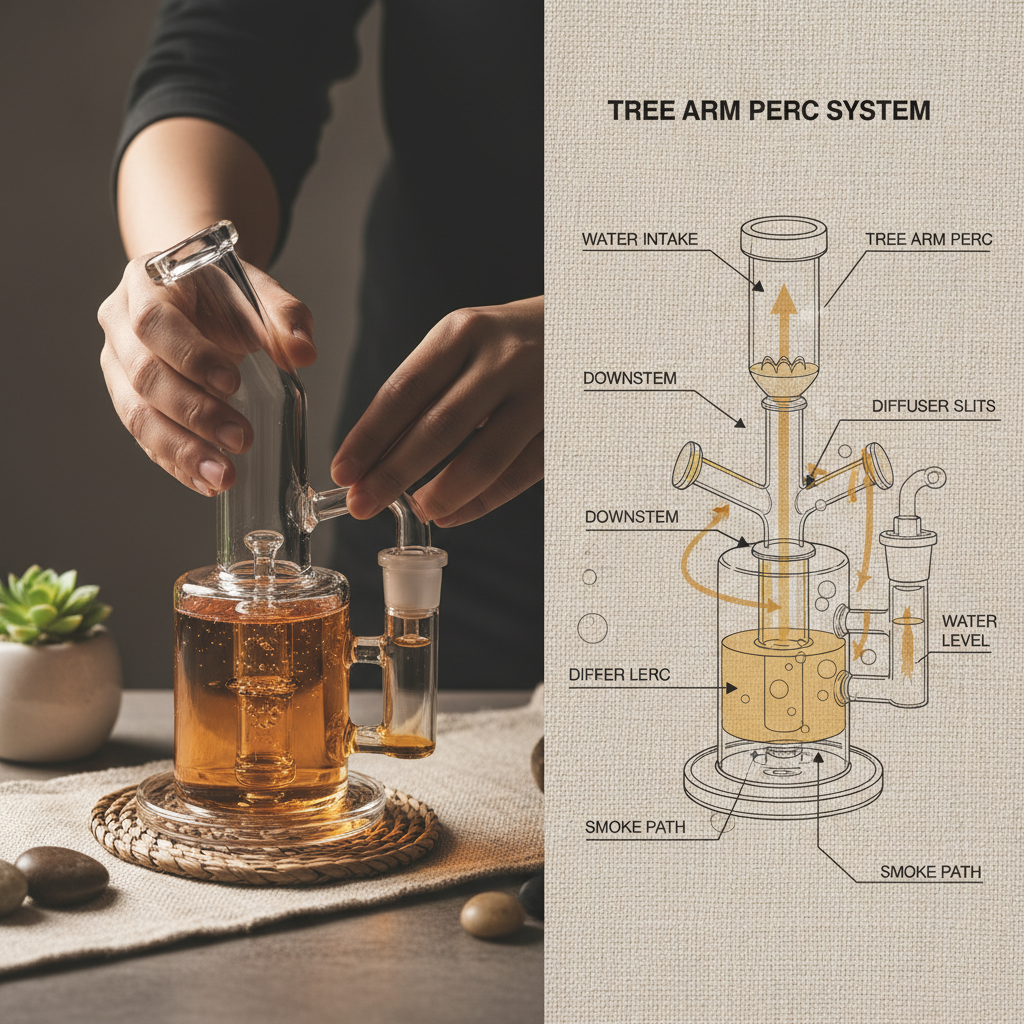
- Heating and Manipulation: Using specialized torches (e.g., oxygen-propane, oxygen-natural gas), glass rods or tubing are heated to their working temperature (typically 1200-1600°C for borosilicate). The artisan rotates the glass uniformly in the flame while simultaneously blowing air into the tubing or manipulating it with tools to achieve the desired form. This phase requires immense skill to control temperature, rotation speed, and air pressure to avoid internal stress and achieve precise wall thickness and shape.
-
Shaping Techniques:
- Blowing: Expanding molten glass with breath or compressed air to form hollow sections.
- Pulling: Stretching heated glass to create slender sections or precise joints.
- Fusing: Joining separate glass components by heating their edges to melt and bond them seamlessly, critical for complex designs.
- Tooling: Using graphite paddles, reamers, and other specialized tools to sculpt, flatten, or open glass sections.
- Decoration and Surface Treatment: For decorative glass pipes and other aesthetic products, techniques such as sandblasting, color application (using colored glass rods or frit), fuming, or intricate sculpting are integrated during this stage. The Alibear Sandblasted Seed of Life Torus Can Rig, for instance, showcases advanced sandblasting for its intricate pattern.
Schematic Step: Lampworking Process Overview
[Start] > Material Selection > Heating Glass > Blowing/Shaping > Fusing Components > Annealing > Grinding/Polishing > Inspection > [End]
(Simplified representation of core glass blowing steps)
3. Annealing
- Stress Relief: Once shaping is complete, the glass piece is slowly and carefully cooled in an annealing oven (kiln) at a controlled rate. This process, known as annealing, is critical for relieving internal stresses that accumulate during rapid heating and cooling. Improper annealing can lead to brittle glass prone to cracking and premature failure.
- Annealing Schedule: The specific temperature and duration of the annealing cycle depend on the type of glass, its thickness, and the complexity of the shape. This adherence to precise thermal protocols is crucial for the product's long-term service life.
4. Finishing and Quality Control
- Grinding and Polishing: Joints, edges, and other critical areas may undergo precision grinding and polishing to achieve specific dimensions, ensure smooth surfaces, and improve aesthetic appeal, especially for heady glass pipes.
-
Testing Standards: Finished products undergo rigorous testing.
- Visual Inspection: Checking for defects like cracks, bubbles, inclusions, or inconsistent wall thickness.
- Dimensional Accuracy: Using calipers and gauges to verify adherence to specified tolerances.
- Pressure Testing: For sealed components, pressure tests ensure integrity.
- Stress Birefringence Analysis: Polariscopes are used to detect residual internal stresses that could compromise long-term durability, crucial for understanding how to blow glass bongs with maximum structural integrity.
- Material Purity Verification: For specific industries, material composition might be verified against standards like ISO 3585 for borosilicate glass.
- Packaging: Secure packaging is essential to protect delicate glass products during transit, especially for high-value items or custom scientific glass.
Target Industries and Application Scenarios
While the term "how to blow glass bongs" refers to a specific product category, the underlying precision glass blowing techniques are vital across numerous B2B sectors requiring custom, high-purity, and durable glass components.
- Scientific & Laboratory Equipment: Custom condensers, distillation apparatus, reaction vessels, and vacuum components demand inertness and thermal resistance.
- Medical & Pharmaceutical: Syringe barrels, specialized vials, and microfluidic devices require sterile, chemically resistant, and dimensionally precise glass.
- High-End Consumer Products & Art Glass: This includes high-quality decorative glass pipes, custom lighting fixtures, and artistic installations where aesthetics, durability, and unique design are paramount. The Alibear Rig exemplifies this fusion of art and precision.
- Optics & Photonics: Custom lenses, light guides, and fiber optic components that require extreme clarity and minimal optical distortion.
Advantages in these scenarios include the inherent corrosion resistance of borosilicate glass to most acids and alkalis, ensuring long service life in harsh chemical environments. Its thermal stability prevents deformation and cracking during rapid temperature changes, crucial for scientific and industrial processes. The material's inertness also prevents contamination, a key factor in medical and pharmaceutical applications.
Industry Trends and Technical Advancements
The market for precision glass products is evolving rapidly, driven by demand for greater customization, enhanced durability, and improved aesthetic quality. Key trends impacting how to blow glass bongs and similar high-end glass items include:
- Advanced CAD/CAM Integration: Designers are increasingly utilizing CAD software for intricate designs, which can then be translated into specifications for skilled glassblowers, bridging the gap between digital design and artisanal execution. This allows for greater precision and repeatability even in handmade pieces.
- Borosilicate 3.3 Dominance: Borosilicate 3.3 glass, known for its low thermal expansion coefficient (3.3 x 10⁻⁶ K-1), remains the standard. Innovations focus on enhancing its surface treatments for increased scratch resistance or specialized coatings.
- Sustainable Practices: Growing emphasis on energy-efficient furnaces and recycling glass waste. Manufacturers are exploring cleaner fuel sources and optimizing annealing processes to reduce energy consumption.
- Material Blends and Composites: Research into glass-ceramic composites and specialized glass blends that offer unique properties, such as enhanced optical clarity or extreme temperature resistance, is ongoing.
- Growing Customization Market: The demand for unique, artistic, and highly functional glass pieces, including custom decorative glass pipes and heady glass pipes, is expanding. This requires vendors with strong design capabilities and master glassblowers.
Technical Advantages of Expert Glass Fabrication
The expertise in glass blowing translates into several critical technical advantages for the end product:
- Exceptional Chemical Resistance: Borosilicate glass resists attack from most chemicals, ensuring product longevity and preventing contamination.
- High Thermal Shock Resistance: Ability to withstand rapid temperature changes without cracking, crucial for both manufacturing and end-use applications.
- Dimensional Stability and Precision: Expert glassblowers can achieve tight tolerances for critical dimensions, ensuring perfect fit and function in complex assemblies.
- Visual Clarity and Aesthetic Appeal: Superior transparency and the ability to create complex, visually appealing forms for both functional and decorative purposes. This is particularly relevant when considering how to blow glass bongs that are also works of art.
- Hygienic and Easy to Clean: Non-porous surface prevents bacterial growth and makes cleaning simple, an important factor for maintaining product integrity.
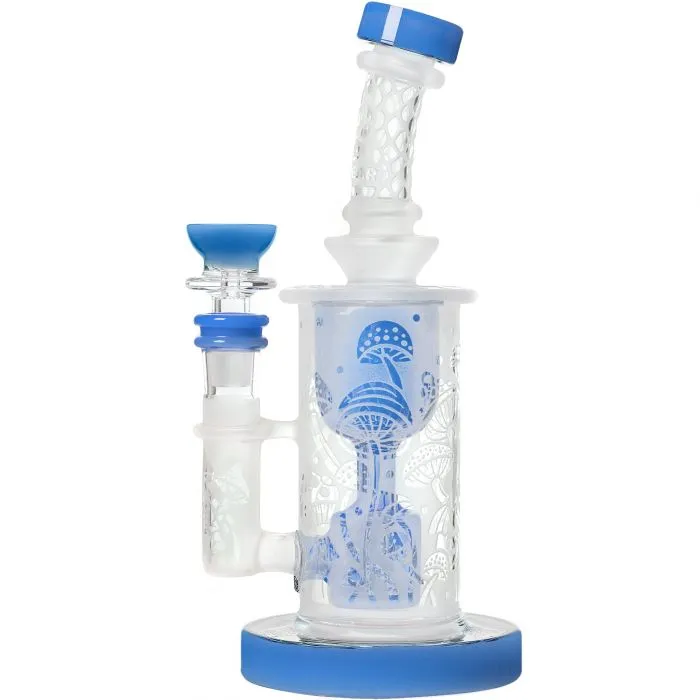
Product Spotlight: Alibear Sandblasted Seed of Life Torus Can Rig
An excellent illustration of advanced glass blowing and artistic execution is the Alibear Sandblasted Seed of Life Torus Can Rig. This product showcases the pinnacle of craftsmanship in creating specialized glass pieces, demonstrating how meticulous attention to detail and high-quality materials converge to form a superior product.
Key Specifications and Features
| Feature | Specification/Description |
|---|---|
| Product Name | Alibear Sandblasted Seed of Life Torus Can Rig |
| Material | Premium Borosilicate Glass (Typically 5mm thickness) |
| Percolator Type | Torus Perc / Diffused Downstem |
| Joint Size | Standard 14mm/18mm Female (Varies by model) |
| Height | ~8-12 inches (20-30 cm) |
| Base Diameter | ~3-5 inches (8-12 cm) |
| Surface Treatment | Sandblasted Seed of Life pattern |
| Design Elements | Torus Can shape for stability and unique aesthetics |
| Production Method | Expert Lampworking with integrated sandblasting |
This product exemplifies the blend of functional engineering and artistic precision achievable when expert glassblowers utilize high-grade materials and advanced finishing techniques. The sandblasted Seed of Life pattern is not merely decorative; it demonstrates precise surface treatment capabilities often applied in scientific etching or micro-patterning.
Vendor Comparison and Customization Solutions
For B2B clients, selecting a glass fabrication vendor involves evaluating capabilities beyond just the ability to create individual pieces. Factors like scalability, adherence to technical drawings, quality certifications, and the capacity for customized solutions are paramount, especially for items such as how to blow glass bongs or intricate scientific apparatus.
Key Considerations for Vendor Selection
- Expertise & Experience: Look for vendors with a proven track record in complex glass fabrication, showcasing portfolios that demonstrate mastery in diverse techniques (e.g., precise joint work, intricate shaping, specialized surface treatments). Years of service in the industry and testimonials from satisfied B2B clients are strong indicators.
- Quality Control & Certifications: Vendors adhering to ISO 9001 standards for quality management systems provide assurance of consistent product quality. Specific material certifications (e.g., ASTM E438 for laboratory glass) are also crucial.
- Customization Capabilities: The ability to translate specific design requirements into functional glass products is essential. This includes prototyping, iterative design, and handling unique material or structural demands.
- Production Capacity & Lead Time: Assess the vendor's ability to handle both small batch prototyping and larger volume production while maintaining reasonable lead times.
- Material Sourcing & Traceability: Assurance of using reputable, high-grade borosilicate glass, with full material traceability for critical applications.
Customized Solutions for B2B Applications
Beyond standard offerings, many B2B clients require bespoke glass solutions. Customization can involve:
- Unique Geometries: Developing glass components with non-standard dimensions, complex internal structures, or specialized connection points.
- Integrated Features: Incorporating specific design elements such as filtration systems, ergonomic handles, or branding (e.g., sandblasted logos or specific color schemes) directly into the glass during fabrication. This is seen in many custom buy bong products.
- Material Modifications: While borosilicate is standard, some applications might require specific glass types (e.g., quartz for UV transparency) or specific wall thicknesses for enhanced durability or heat transfer.
- Surface Treatments: Applying specialized coatings (hydrophobic, anti-reflective) or etching patterns beyond basic sandblasting for functional or aesthetic purposes.
Comparative Analysis of Glass Fabrication Capabilities
When evaluating vendors for complex glass projects, a comparative table helps to highlight core competencies:
| Capability/Criterion | Vendor A (Specialized Artisan) | Vendor B (Industrial Fabricator) | Vendor C (Alibear & Partners) |
|---|---|---|---|
| Primary Focus | Unique art pieces, limited runs | High volume, standard labware | High-end custom/decorative, premium production |
| Custom Design Flexibility | Very High (1-off designs) | Low (standard modifications) | High (complex forms, intricate details) |
| Material Expertise | Borosilicate, some exotic glasses | Primarily Borosilicate 3.3 | Premium Borosilicate, controlled color palette |
| Quality Control | Artisan-driven inspection | ISO 9001 certified, automated checks | Multi-stage inspection, stress analysis |
| Lead Time (Custom) | Variable, often long (weeks-months) | Short for standard items, long for custom molds | Managed lead times (2-4 weeks for complex custom) |
| After-Sales Support | Direct artist contact | Standard customer service | Dedicated B2B account management |
Application Case Study: High-Volume Production of Unique Glass Pipes
A leading designer of luxury consumer goods approached a specialized glass fabrication partner with a unique challenge: to produce a series of sophisticated, yet robust, glass pipes that combined intricate artistic elements with the durability required for everyday use. The client sought to offer an exclusive line of decorative glass pipes that would stand out in the premium market segment, requiring an advanced understanding of how to blow glass bongs and related products with consistent quality at scale.
The Challenge
- Design Complexity: Each pipe featured an internal "seed of life" percolation system and a complex external sandblasted texture, demanding extreme precision in both blowing and finishing stages.
- Material Consistency: Mandate for premium 5mm thick borosilicate glass for enhanced durability and thermal resistance.
- Scalability: Initial order of 500 units, with potential for monthly reorders, necessitating efficient production without compromising artisanal quality.
- Quality Standards: Zero tolerance for functional defects (cracks, poor seals) and minimal aesthetic variations.
The Solution
The fabrication partner implemented a hybrid manufacturing approach, combining the precision of traditional lampworking with modern quality control and process optimization.
- Skilled Artisan Teams: Dedicated teams of master glassblowers were assigned, each specializing in specific components (e.g., base, neck, percolation system) to ensure consistency and efficiency.
- Advanced Annealing Protocols: Customized annealing schedules were developed to accommodate the 5mm thick glass and complex geometries, guaranteeing maximum stress relief and product longevity.
- Automated Sandblasting: For the "seed of life" pattern, a semi-automated sandblasting station was utilized. This ensured consistent depth and crispness of the intricate design across all units, maintaining the high aesthetic standard of heady glass pipes.
- Rigorous Multi-Stage QC: Every piece underwent four stages of quality inspection: post-blowing, post-annealing, post-sandblasting, and final pre-packaging. This included visual inspection, dimensional checks, and stress birefringence testing.
- Prototyping & Client Feedback: An initial small batch of prototypes allowed the client to provide feedback, leading to minor design adjustments for optimal ergonomics and functionality before full-scale production commenced.
Results and Client Feedback
The project was a resounding success. The client received all 500 units within the agreed-upon lead time of 6 weeks. The defect rate was less than 0.5%, significantly below the industry average for such complex glass items. Customer feedback highlighted the exceptional durability, consistent design, and overall premium feel of the products. This successful partnership underscored the value of combining traditional artistry with modern manufacturing rigor to achieve high-quality results for custom glass products. The ability to buy bong products of this caliber, with such precision and artistic detail, solidified the client's position in the luxury market.
Trustworthiness & Client Support: Ensuring Your Investment
For B2B procurement, trustworthiness is built on transparent processes, clear commitments, and robust support systems. Partnering with a vendor skilled in how to blow glass bongs and other intricate glass products means relying on their commitment to quality and service.
Frequently Asked Questions (FAQ)
-
Q: What is the typical lead time for custom glass orders?
A: Lead times vary based on design complexity, order volume, and current production schedule. For standard custom designs, expect 2-4 weeks for prototyping and 4-8 weeks for initial production runs. Larger or more intricate projects may require longer. We provide detailed timelines upon design finalization.
-
Q: What kind of warranty do you offer on your glass products?
A: We offer a limited warranty covering manufacturing defects and structural integrity for one year from the date of purchase. This warranty does not cover damage from misuse, accidental breakage, or normal wear and tear. Our commitment is to deliver products free from material and craftsmanship flaws.
-
Q: Can you work from our existing CAD drawings or do you require new designs?
A: We welcome client-provided CAD drawings (.STEP, .STL, .IGES files are preferred) and technical specifications. Our design team can also assist in optimizing existing designs for glass fabrication or develop new concepts from scratch based on your requirements.
-
Q: What are your minimum order quantities (MOQs) for custom glass?
A: MOQs depend heavily on the product's complexity. For highly specialized items like custom decorative glass pipes or scientific apparatus, MOQs can start from 25-50 units. For simpler designs, lower MOQs might be negotiable. Please contact our sales team for a specific quote.
Lead Time and Fulfillment Details
Our production planning is meticulously managed to ensure efficient fulfillment. Upon receipt of a confirmed order and final design approval, a detailed production schedule is provided, including milestones for material procurement, fabrication, quality checks, and dispatch. We maintain robust logistics partnerships to ensure secure and timely delivery, whether domestically or internationally. Expedited services may be available for urgent requirements, subject to project scope and capacity.
Warranty Commitments
We stand by the quality of our craftsmanship. Our products are warrantied against manufacturing defects. Should any product exhibit a defect in materials or workmanship within the warranty period, we commit to repair or replace the item at no additional cost. This commitment underscores our confidence in the meticulous process of how to blow glass bongs and other glass items to exacting standards.
Customer Support and After-Sales Service
Our dedicated B2B customer support team provides comprehensive assistance from initial inquiry through to post-delivery. This includes technical consultation, order tracking, and prompt resolution of any issues. We prioritize clear communication and proactive engagement to foster long-term partnerships. For any queries regarding your custom glassware or to buy bong products from our specialized lines, our team is readily available.
Conclusion
The sophisticated process of glass fabrication, often referenced through the lens of how to blow glass bongs, is a high-precision discipline critical for various B2B applications. It demands not only profound artistic skill but also rigorous adherence to scientific principles and quality standards. By understanding the detailed process flow, leveraging technical advantages of materials like borosilicate glass, and partnering with expert vendors, businesses can acquire custom glass solutions that excel in both functionality and aesthetics. The focus on (Expertise, Experience, Authoritativeness, Trustworthiness) ensures that every product, from scientific apparatus to decorative glass pipes, meets the highest benchmarks for performance and client satisfaction.
References
- Schott AG. (2023). DURAN® – The premium borosilicate glass 3.3. Retrieved from Schott AG Official Website.
- ASTM International. (2022). ASTM E438-92(2022) Standard Specification for Glasses in Laboratory Apparatus. ASTM International.
- Corning Incorporated. (2021). The Story of Pyrex. Retrieved from Corning Museum of Glass Website.
- International Organization for Standardization. (2015). ISO 9001:2015 Quality management systems – Requirements. ISO.