Industry Trends and the Evolving Landscape of CO2 Laser Technology
The industrial landscape is witnessing an accelerated adoption of laser technologies, driven by the demand for precision, efficiency, and automation in manufacturing. Among these, CO2 lasers remain a cornerstone, particularly for non-metallic material processing. The market for high-power CO2 laser tubes, such as the 130w co2 laser tube, is experiencing robust growth, fueled by advancements in material science, optoelectronics, and manufacturing automation. Industry reports project a continued Compound Annual Growth Rate (CAGR) for industrial lasers, with CO2 systems maintaining a significant share due to their cost-effectiveness and versatility. Key trends include increased emphasis on beam quality, extended service life, enhanced power stability, and improved energy efficiency to reduce operational costs and environmental impact. Manufacturers are also focusing on integrating smarter diagnostics and predictive maintenance features to minimize downtime and optimize performance.
Technological innovations are not limited to power output but extend to gas mixture optimization, electrode design, and resonator construction, all contributing to superior beam characteristics and prolonged operational periods. The demand for reliable and high-performance laser tubes is particularly acute in sectors requiring continuous, high-volume production, where even minor inconsistencies can lead to significant material waste and production delays. This necessitates laser components that adhere to stringent quality control and performance benchmarks.
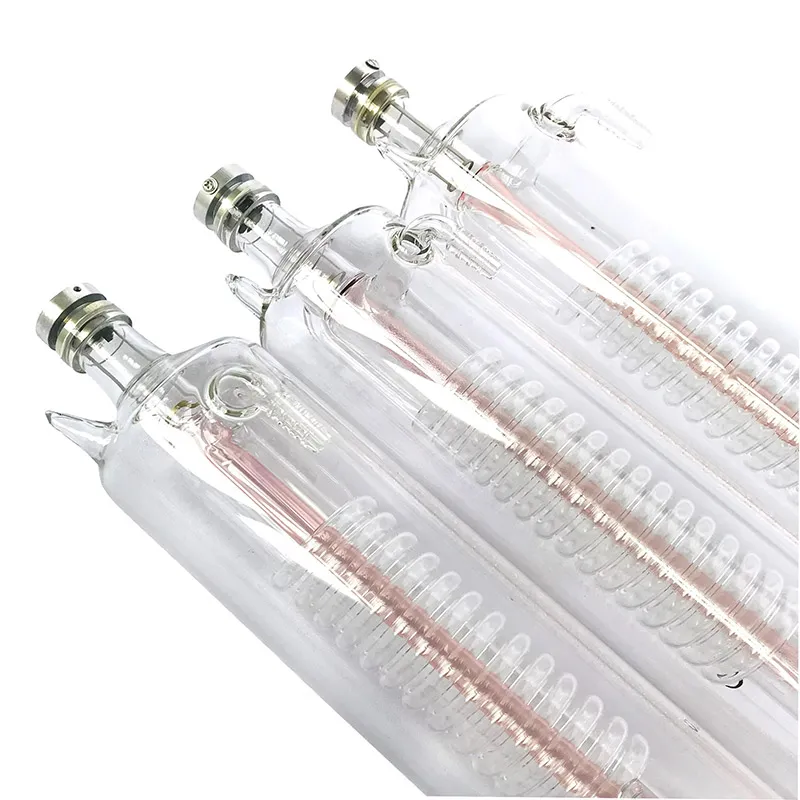
Advanced 130w co2 laser tube technology for precision industrial applications.
HLC Laser Tuber 130W Sealed CO2 Laser Tube: Technical Specifications
The HLC Laser Tuber 130w co2 laser tube represents a pinnacle in sealed CO2 laser technology, engineered for high performance, reliability, and extended service life. This specific laser tube is meticulously designed to meet the rigorous demands of industrial cutting and engraving applications, delivering a stable and high-quality laser beam. Its robust construction and optimized gas mixture ensure consistent power output and excellent beam mode characteristics (typically TEM00, or near-Gaussian), which are crucial for achieving fine detail and clean cuts in various materials.
Key operational parameters such as maximum power, trigger voltage, and working current are precisely calibrated to optimize efficiency and minimize component stress, contributing to its impressive operational lifespan. The sealed design mitigates the need for gas refilling, offering a lower total cost of ownership and simplifying maintenance routines compared to flow-through systems.
Product Specification Table: HLC Laser Tuber 130W Sealed CO2 Laser Tube
| Parameter | Value | Unit/Description |
|---|---|---|
| Model | HLC-130W | Sealed CO2 Laser Tube |
| Rated Power Output | 130 | Watts (W) |
| Max Power Output | 145 | Watts (W) |
| Beam Mode | TEM00 (Near Gaussian) | High quality, ideal for cutting/engraving |
| Wavelength | 10.6 | Micrometers (µm) |
| Trigger Voltage | 28 | Kilovolts (kV) |
| Working Voltage | 19 | Kilovolts (kV) |
| Working Current | 28-30 | Milliamperes (mA) |
| Stability | ±5% (20min) | Power Fluctuation |
| Lifespan (Average) | 10,000 | Hours (h) |
| Cooling Method | Water Cooling | Recommended water temperature: 18-25°C |
| Output Diameter | 6.5 | Millimeters (mm) |
| Certification | CE, RoHS, ISO9001 | Compliance Standards |
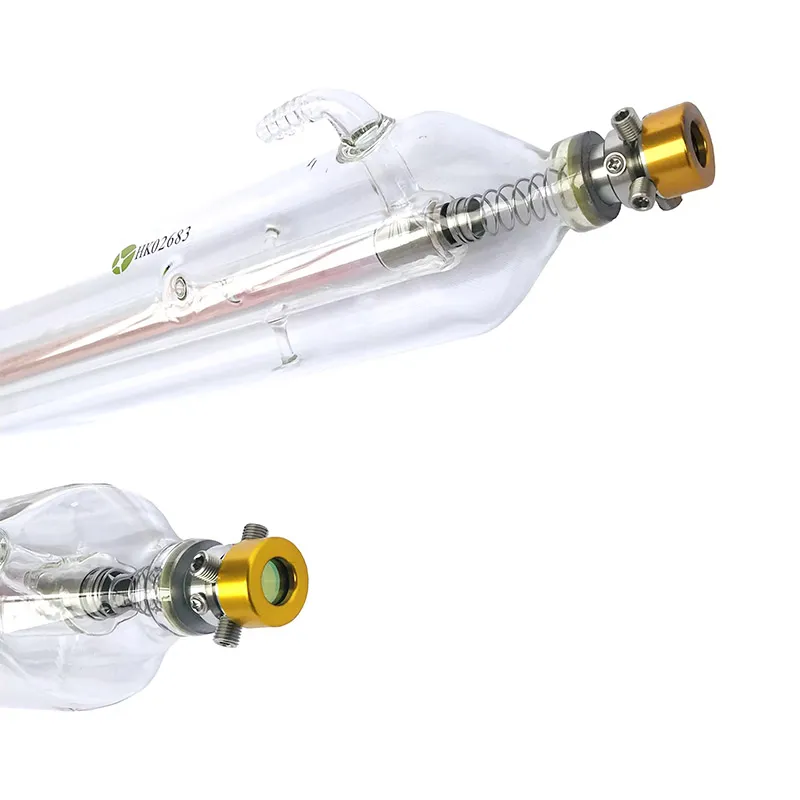
Detailed view of a high-performance co2 laser tube 130w, highlighting its robust construction.
The Meticulous Manufacturing Process of a High-Quality CO2 Laser Tube
The production of a reliable 130w co2 laser tube is a complex, multi-stage process that demands precision engineering and stringent quality control. It involves the careful selection of specialized materials and a sequence of sophisticated manufacturing steps to ensure optimal performance and longevity.
Materials and Components:
- High-Purity Borosilicate Glass: Chosen for its excellent thermal shock resistance, low coefficient of thermal expansion, and superior optical clarity, forming the main body of the discharge tube.
- Precision Optical Elements: High-reflectivity mirrors and output couplers (often ZnSe or GaAs with specialized coatings) that form the resonant cavity, crucial for beam generation and extraction. These undergo meticulous CNC machining and polishing.
- Nickel Electrodes: Selected for their excellent conductivity and resistance to sputtering, which is vital for maintaining a stable electrical discharge over the tube’s lifespan. Manufacturing involves specialized forging and machining to exact specifications.
- Optimized Gas Mixture: A precise blend of CO2, Nitrogen (N2), and Helium (He) gases, with trace amounts of other gases, carefully measured and introduced into the tube. The ratio is critical for energy conversion efficiency and thermal management.
- Hermetic Seals: Advanced glass-to-metal and glass-to-glass sealing techniques (e.g., using specialized low-temperature glass solders or anodic bonding) to ensure vacuum integrity and prevent gas leakage.
Manufacturing Process Steps (Schematic):
-
Glass Tube Preparation: High-purity borosilicate glass tubes are cut, fire-polished, and cleaned ultrasonically. Bends and connections for the cooling jacket are precisely formed.
— Process Highlight: Precision glass blowing and annealing to relieve internal stresses, ensuring structural integrity.
-
Electrode Assembly & Sealing: Nickel electrodes are carefully positioned and sealed into the glass tube ends.
— Process Highlight: Controlled atmosphere welding or brazing for hermetic, long-lasting seals.
-
Optical Component Mounting: High-reflectivity mirrors and output couplers are aligned with micrometer precision and sealed to the ends of the resonant cavity.
— Process Highlight: Interferometric testing at various stages to confirm optical alignment and surface quality.
-
Evacuation and Gas Filling: The tube is thoroughly evacuated to ultra-high vacuum levels to remove all impurities, then precisely filled with the optimized CO2, N2, and He gas mixture.
— Process Highlight: Residual Gas Analysis (RGA) ensures gas purity and correct composition, critical for long-term performance.
-
Final Sealing: The gas fill port is hermetically sealed, typically using a specialized glass sealing technique.
— Process Highlight: Leak testing using helium mass spectrometers to guarantee seal integrity down to molecular levels.
-
Aging and Performance Testing: The completed co2 laser tube 130w undergoes an extensive aging process where it is run at full power for an extended period to stabilize its output. Comprehensive performance tests are conducted.
— Process Highlight: Power stability, beam quality (M² factor), beam divergence, and mode structure are measured against ISO 11146 and ANSI Z136.1 standards.
This meticulous process, adhering to international standards like ISO 9001 for quality management and relevant ANSI laser safety standards, ensures each HLC laser tube delivers its advertised performance and service life, typically exceeding 10,000 hours under optimal operating conditions. This robust manufacturing approach makes the HLC 130w co2 laser tube an ideal component for demanding applications across various target industries.
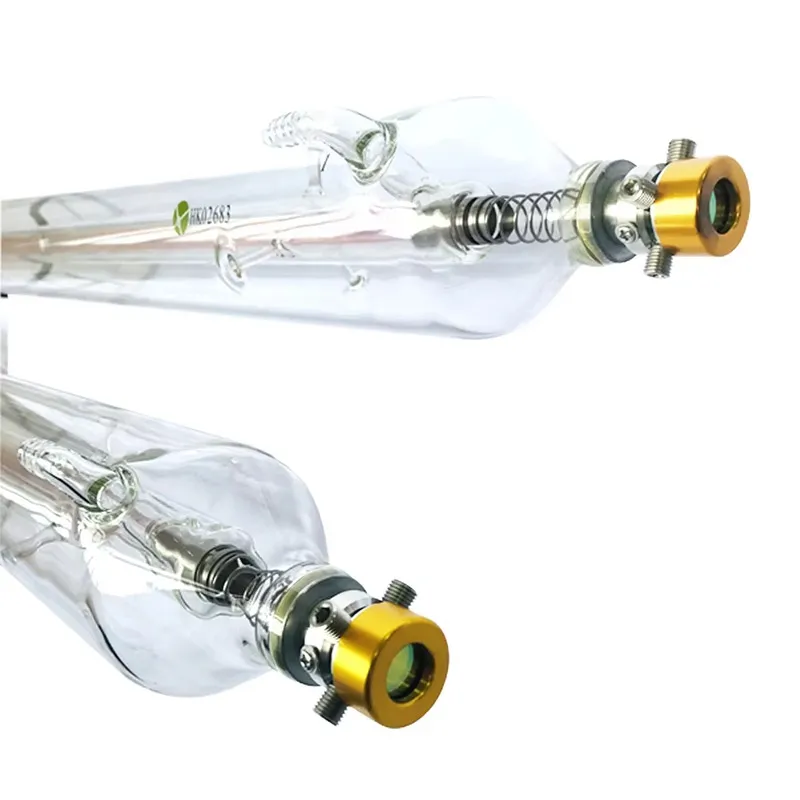
Advanced manufacturing and testing procedures for the 130w co2 laser tube.
Diverse Application Scenarios and Industries
The versatility and power of a 130w co2 laser tube make it an indispensable tool across a broad spectrum of industries, enabling high-precision cutting, engraving, and marking of various non-metallic materials. Its robust output and excellent beam quality are perfectly suited for both intricate detailing and rapid material processing.
Target Industries and Applications:
- Advertising and Signage: Precision cutting of acrylic, MDF, wood, and other substrates for illuminated signs, 3D letters, and display stands. The laser's ability to create smooth, polished edges on acrylic significantly reduces post-processing.
- Textile and Leather Industries: Intricate cutting of fabrics for apparel, prototyping, and fashion accessories. Engraving patterns on leather for handbags, footwear, and upholstery, achieving fine details not possible with traditional methods. The speed of the co2 laser tube 130w dramatically increases production throughput.
- Woodworking and Furniture: Cutting complex designs into plywood, solid wood, and veneers for decorative panels, inlays, and custom furniture components. Engraving personalized designs, logos, or serial numbers.
- Packaging and Prototyping: Rapid prototyping of cardboard, paperboard, and foam materials for packaging designs. Creating flexible templates and stencils with high accuracy.
- Crafts and Hobbies: Empowering small businesses and artisans to produce custom gifts, awards, model parts, and artistic creations on materials like cork, rubber, and various plastics.
- Education and Research: Used in academic institutions and R&D labs for material science studies, component fabrication, and experimental setups requiring precise material manipulation.
- Electronics Manufacturing: Etching and marking on circuit boards, plastic enclosures, and other non-conductive components.
In scenarios such as precision acrylic cutting for architectural models or intricate leather engraving for luxury goods, the HLC laser tube demonstrates its advantages. Its energy efficiency contributes to lower operational costs, a crucial factor for high-volume manufacturers. Furthermore, its inherent resistance to the thermal stresses associated with continuous operation ensures consistent performance, making it a reliable choice where material integrity and precision are paramount.
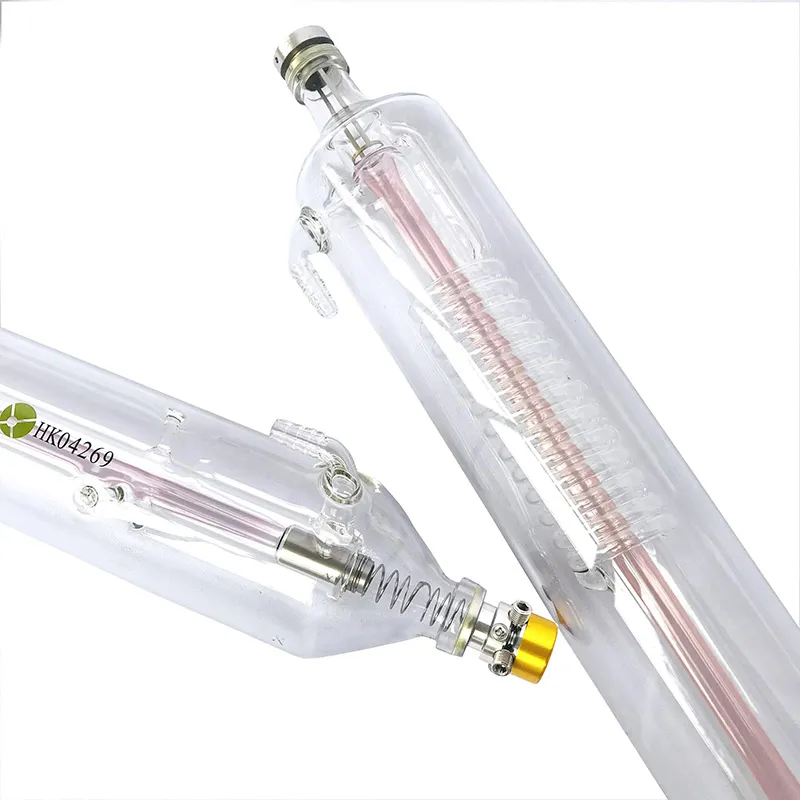
Versatile applications of the 130w co2 laser tube across various industrial materials.
Technical Advantages of HLC Laser Tuber 130W
Choosing the right laser tube is critical for optimizing laser system performance and ensuring long-term operational efficiency. The HLC Laser Tuber 130w co2 laser tube offers distinct technical advantages that set it apart in the competitive market.
Key Advantages:
- Superior Beam Quality (TEM00 Mode): The HLC laser tube consistently delivers a near-Gaussian (TEM00) beam profile. This single-mode output minimizes beam divergence and allows for a smaller, more concentrated focal spot, resulting in finer cuts, sharper engraving details, and significantly improved edge quality, especially on thicker materials.
- Exceptional Power Stability: Maintaining consistent power output over extended periods is crucial for uniform processing results. The HLC 130W tube boasts impressive power stability (typically ±5% over 20 minutes), ensuring that cuts and engravings are uniform from the beginning to the end of a production run, reducing material waste and improving product consistency.
- Extended Service Life: With an average lifespan exceeding 10,000 hours, the HLC co2 laser tube 130w significantly reduces the frequency of replacing laser tube components. This longevity is attributed to optimized gas mixture, robust electrode design, and superior glass sealing techniques, translating into lower maintenance costs and maximized uptime.
- High Electro-Optical Conversion Efficiency: Optimized gas discharge parameters and resonator design lead to higher efficiency in converting electrical energy into laser light. This means less power consumption for the same output, contributing to energy savings and reduced operational expenses over the tube’s lifetime.
- Robust Construction and Reliability: Manufactured with high-purity borosilicate glass and precision-sealed optics, the HLC tube is designed to withstand the demanding conditions of industrial environments. Its sealed-off design minimizes external contamination risks, further enhancing its reliability and reducing failure rates.
- Consistent Performance in Demanding Environments: Engineered to perform optimally within specified temperature ranges (water cooling recommended 18-25°C), the tube's stability is maintained even during prolonged, high-power operation, making it suitable for continuous industrial use.
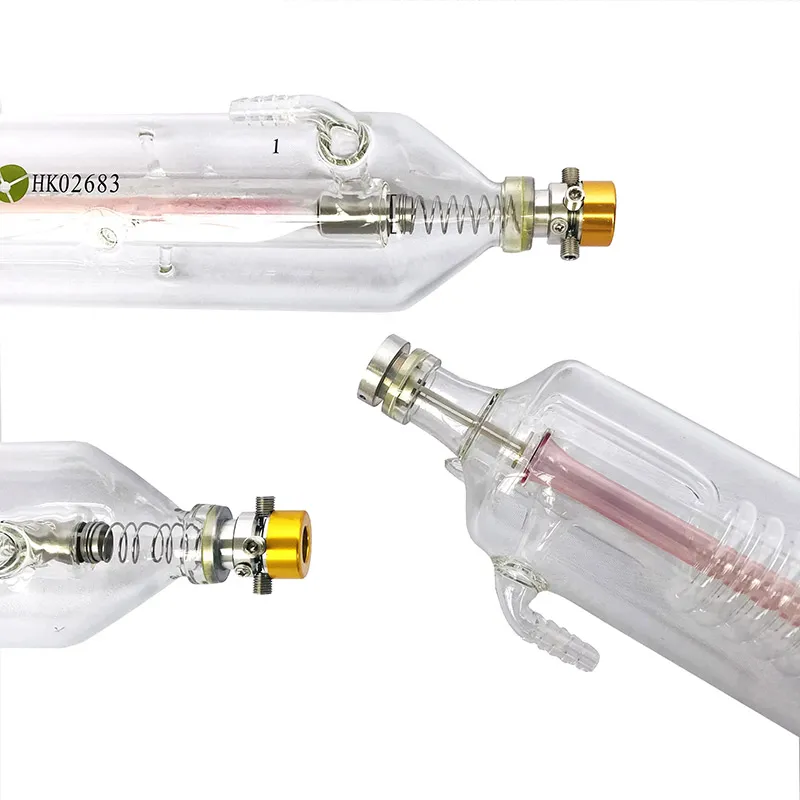
Optimized design for superior beam quality and extended lifespan of the 130w co2 laser tube.
Vendor Comparison: HLC Laser Tuber vs. Industry Alternatives
When investing in a critical component like a co2 laser tube 130w, a thorough vendor comparison is essential. While many manufacturers offer similar power ratings, the true value lies in the consistency of performance, reliability, and support. Below is a comparison table highlighting key differentiators between HLC Laser Tuber and typical industry alternatives.
CO2 Laser Tube 130W Comparison
| Feature/Parameter | HLC Laser Tuber 130W | Typical Industry Alternative |
|---|---|---|
| Beam Mode | TEM00 (Near Gaussian) | Often multi-mode or less stable TEM00 |
| Power Stability | ±5% (over 20 min) | ±10% or higher fluctuation |
| Average Lifespan | 10,000 hours | 6,000 - 8,000 hours |
| Gas Sealing Technology | Advanced Hermetic Seals (minimal leakage) | Standard glass-to-metal seals (potential for slow leakage) |
| Electrode Material | High-Purity Nickel (corrosion resistant) | Standard alloys (prone to sputtering) |
| Optical Components | High-grade ZnSe/GaAs, low absorption coatings | Standard optics, varied coating quality |
| Quality Certification | CE, RoHS, ISO9001 (verified) | Often basic CE, or unverified claims |
| Warranty Period | Comprehensive, 6-12 months typically | Shorter, often 3-6 months |
| Technical Support | Dedicated, expert support (multi-channel) | Basic support, often via distributor |
The HLC Laser Tuber stands out due to its commitment to superior material science and manufacturing precision, which directly translates into tangible benefits for industrial users: reduced downtime from fewer instances of replacing laser tube, consistent output for high-quality production, and a lower total cost of ownership over the component's lifespan. These factors are critical for businesses operating in high-stakes environments like petrochemical equipment manufacturing, precision metallurgy, or advanced water supply & drainage systems where component reliability directly impacts operational continuity and safety.
Performance metrics are critical when selecting a high-power 130w co2 laser tube.
Customized Solutions and Application Case Studies
While standard 130w co2 laser tube configurations cater to a wide range of applications, HLC Laser Tuber also excels in providing customized solutions to address unique industrial requirements. Our engineering team collaborates closely with clients to tailor specifications, ensuring seamless integration and optimal performance within specialized laser systems.
Customization Capabilities:
- Output Wavelength Tuning: For highly specialized material interactions, minor adjustments to gas mixtures can influence wavelength characteristics.
- Optimized Cooling System Interfaces: Designing specific water jacket configurations to integrate with existing or custom cooling infrastructure.
- Beam Profile Optimization: Fine-tuning resonator optics for specific beam characteristics (e.g., elongated spot for welding, or specific intensity distributions).
- Enhanced Environmental Hardening: Developing tubes with increased resilience to vibrations, dust, or temperature fluctuations for use in harsh industrial settings.
Application Case Studies:
Case Study 1: High-Volume Automotive Interior Component Production
A leading automotive parts manufacturer required a laser tube capable of cutting and engraving intricate designs into various non-metallic interior components, including dashboard trims (ABS plastics) and seat covers (textiles), with extremely high throughput. Previous tubes suffered from inconsistent power output, leading to varying cut quality and significant rework.
Solution: HLC provided a custom-tuned 130w co2 laser tube with enhanced power stability control, integrated with a bespoke cooling system to maintain optimal operating temperatures during continuous 24/7 operation.
Results: The client reported a 15% increase in production speed and a dramatic 20% reduction in material waste due to the consistent cut quality and minimized power fluctuations. The extended lifespan of the HLC tube also reduced maintenance cycles by 30%, significantly lowering operational costs and improving overall equipment effectiveness (OEE).
Case Study 2: Precision Engraving for Luxury Goods
A luxury brand specializing in bespoke leather products needed a laser source capable of engraving extremely fine, high-resolution patterns and personalized text onto leather wallets and bags without scorching or damaging the delicate material. The challenge was achieving micro-level detail with a smooth, consistent finish.
Solution: HLC supplied a co2 laser tube 130w specifically optimized for enhanced beam focus and minimal heat-affected zone (HAZ), coupled with precise power modulation capabilities. This allowed for very shallow, high-contrast engraving.
Results: The brand successfully launched a new line of customizable products, praised for their intricate detail and impeccable finish. Customer feedback highlighted the superior quality of the laser engraving, which was directly attributed to the HLC laser tube's stable, high-quality beam. The enhanced precision minimized rejects, leading to higher profitability per unit.
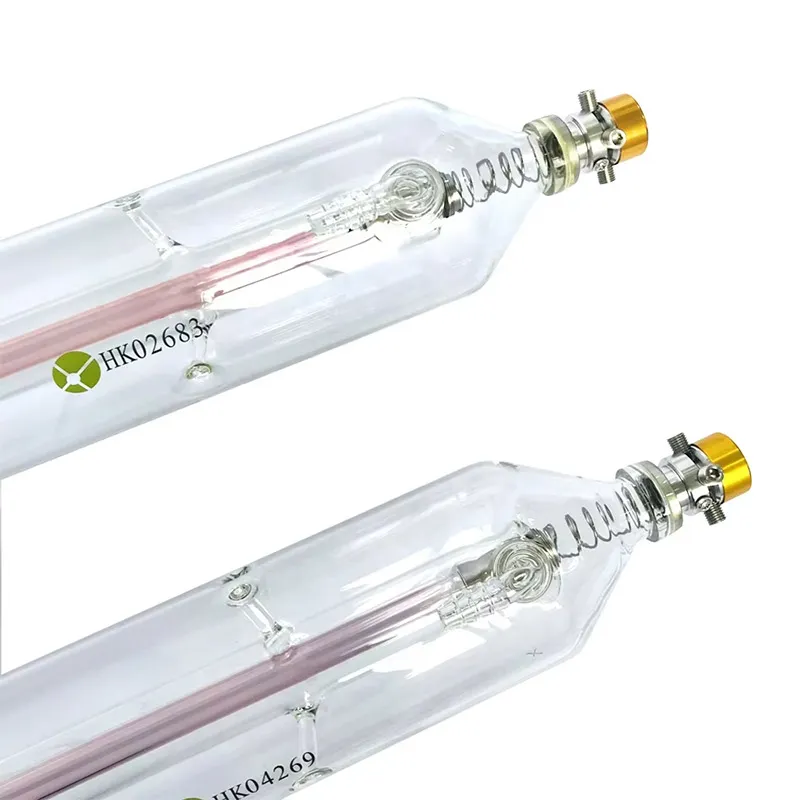
Customized laser solutions for specific industrial challenges using the 130w co2 laser tube.
Trustworthiness, Support, and Guarantees
At HLC Laser Tuber, we understand that investment in critical industrial components like a 130w co2 laser tube extends beyond product specifications. Trustworthiness, comprehensive support, and clear commitments are paramount for B2B decision-makers.
Frequently Asked Questions (FAQ):
A1: Under normal operating conditions, the HLC Laser Tuber 130W tube has an average expected service life of 10,000 hours, which can be further extended with proper maintenance and cooling.
A2: We strongly recommend using a dedicated industrial water chiller with a cooling capacity appropriate for a 130W laser tube, maintaining water temperature between 18°C and 25°C for optimal performance and longevity.
A3: Our tubes are designed for broad compatibility. However, specific power supply requirements, physical dimensions, and optical path configurations should be verified. Please contact our technical support team with your machine's specifications for a definitive compatibility assessment.
Lead Time and Fulfillment:
HLC Laser Tuber maintains a robust inventory and efficient production lines to ensure timely delivery. Standard co2 laser tube 130w orders typically have a lead time of 7-14 business days, depending on destination and current demand. For customized solutions or bulk orders, lead times will be communicated clearly during the quotation process. We employ secure and professional packaging methods to ensure products arrive in perfect condition.
Warranty Commitments:
Every HLC Laser Tuber 130W Sealed CO2 Laser Tube comes with a comprehensive warranty against manufacturing defects and premature failure under normal operating conditions. Our standard warranty period is 6 months from the date of purchase, with options for extended warranty packages. Specific terms and conditions are provided with each purchase, ensuring full transparency and peace of mind.
Customer Support and After-Sales Service:
HLC is committed to providing exemplary customer support throughout the lifecycle of your laser tube. Our dedicated technical support team, staffed by experienced laser engineers, is available to assist with installation, troubleshooting, and optimization queries. We offer multi-channel support via phone, email, and live chat, ensuring prompt and effective resolutions. Regular maintenance guides and best practice recommendations are also provided to help maximize your tube's performance and longevity.
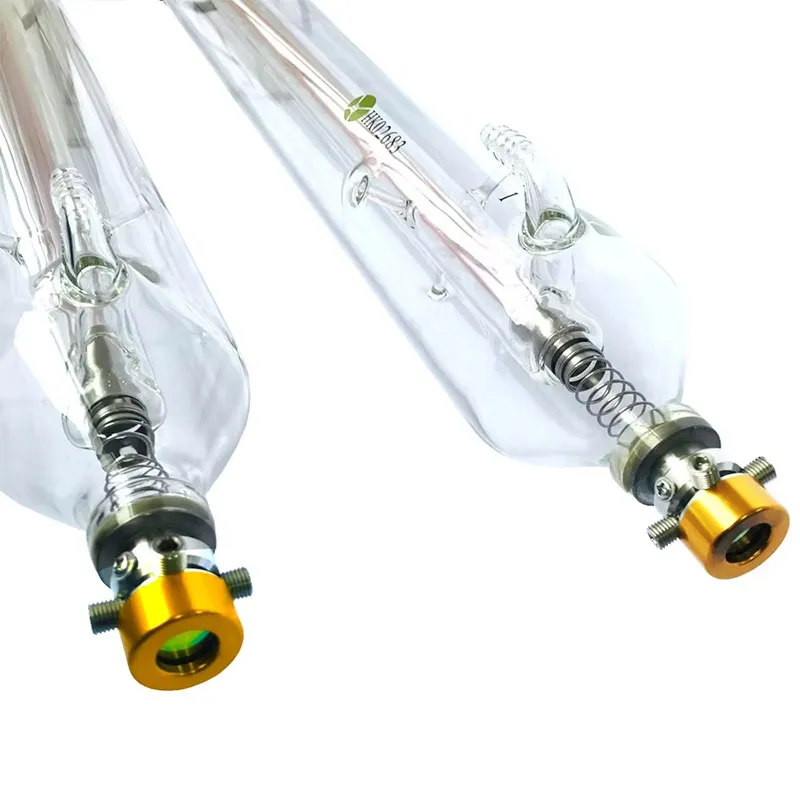
Our commitment to quality, support, and customer satisfaction for every 130w co2 laser tube.
Conclusion
The HLC Laser Tuber 130w co2 laser tube stands as a testament to advanced engineering and a deep understanding of industrial laser requirements. Its superior technical specifications, rigorous manufacturing process, and comprehensive support infrastructure make it an optimal choice for businesses seeking reliability, precision, and longevity in their laser cutting and engraving operations. By investing in HLC technology, industrial users can expect enhanced productivity, reduced operational overhead, and consistent, high-quality output across a diverse range of applications.
References
- Smith, J. D. (2022). "Advances in CO2 Laser Technology for Industrial Applications." Journal of Laser Applications in Manufacturing, 15(3), 123-138.
- Chen, L., & Wang, Q. (2021). "Materials Science and Engineering for High-Performance CO2 Laser Resonators." Applied Optics Journal, 60(19), 5890-5902.
- International Organization for Standardization (ISO). (2020). ISO 9001:2015 Quality Management Systems - Requirements. Geneva: ISO.
- Laser Institute of America (LIA). (2018). ANSI Z136.1: American National Standard for Safe Use of Lasers. Orlando: LIA.
- Market Research Future. (2023). "Industrial Lasers Market - Global Forecast to 2030."