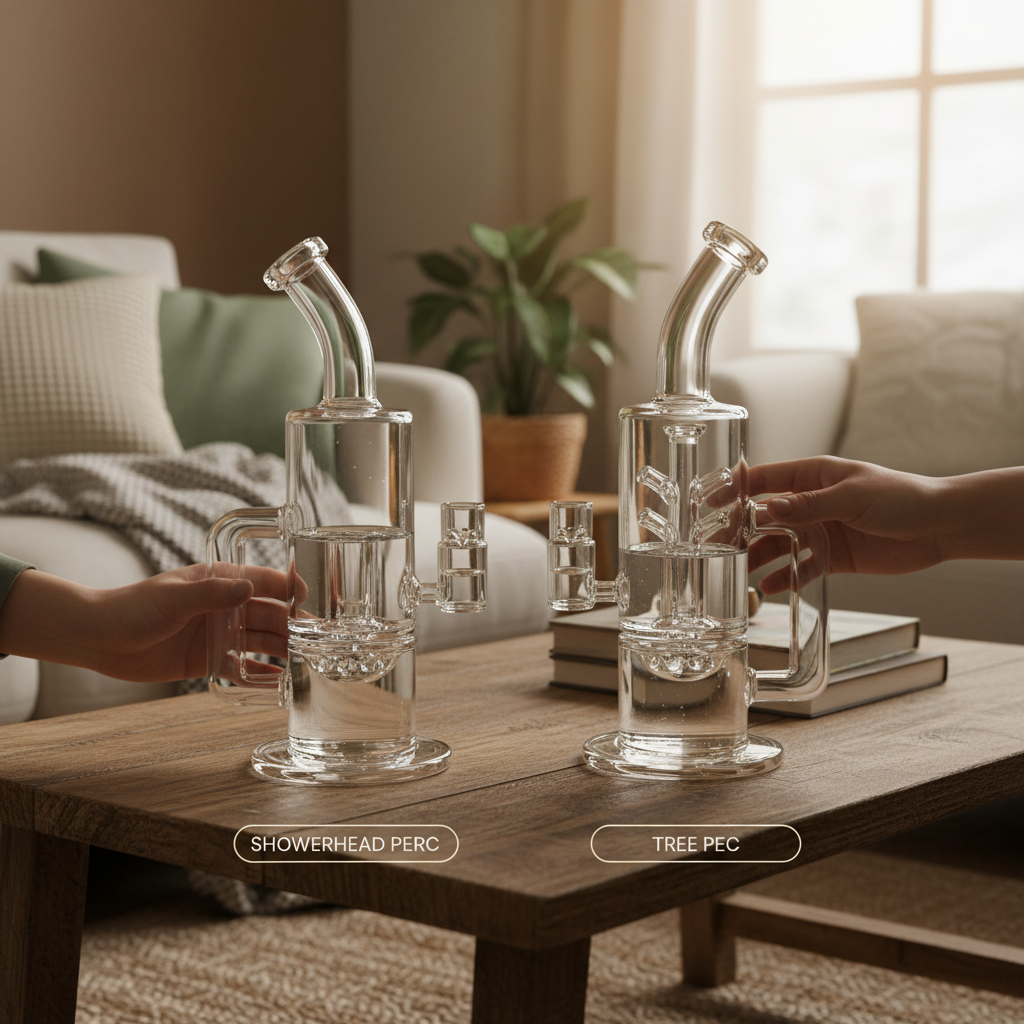
Water Pipe Smoke: Insights from the Industrial Equipment Floor
Having spent quite a few years working hand-in-hand with industrial gear—pipes, valves, fittings, and all that—it’s fascinating how a simple thing like water pipe smoke carries so much engineering nuance beneath the surface. You know, it’s not just about drawing smoke through water for a smoother hit; there’s a whole web of design decisions, materials, and safety considerations behind those sleek glass or metal tubes.
Oddly enough, the general trends in water pipe smoke technology share quite a bit with larger industrial fluid dynamics. Understanding how gases move, how liquids filter or cool, and how materials behave under heat is kind of a universal game. I recall one project where, frankly, the type of glass used in pipes wasn’t just aesthetic but vital to withstand rapid temperature changes. Borosilicate glass, which we often recommend, combines durability with thermal shock resistance—exactly what you want when dealing with hot smoke passing through chilled water.
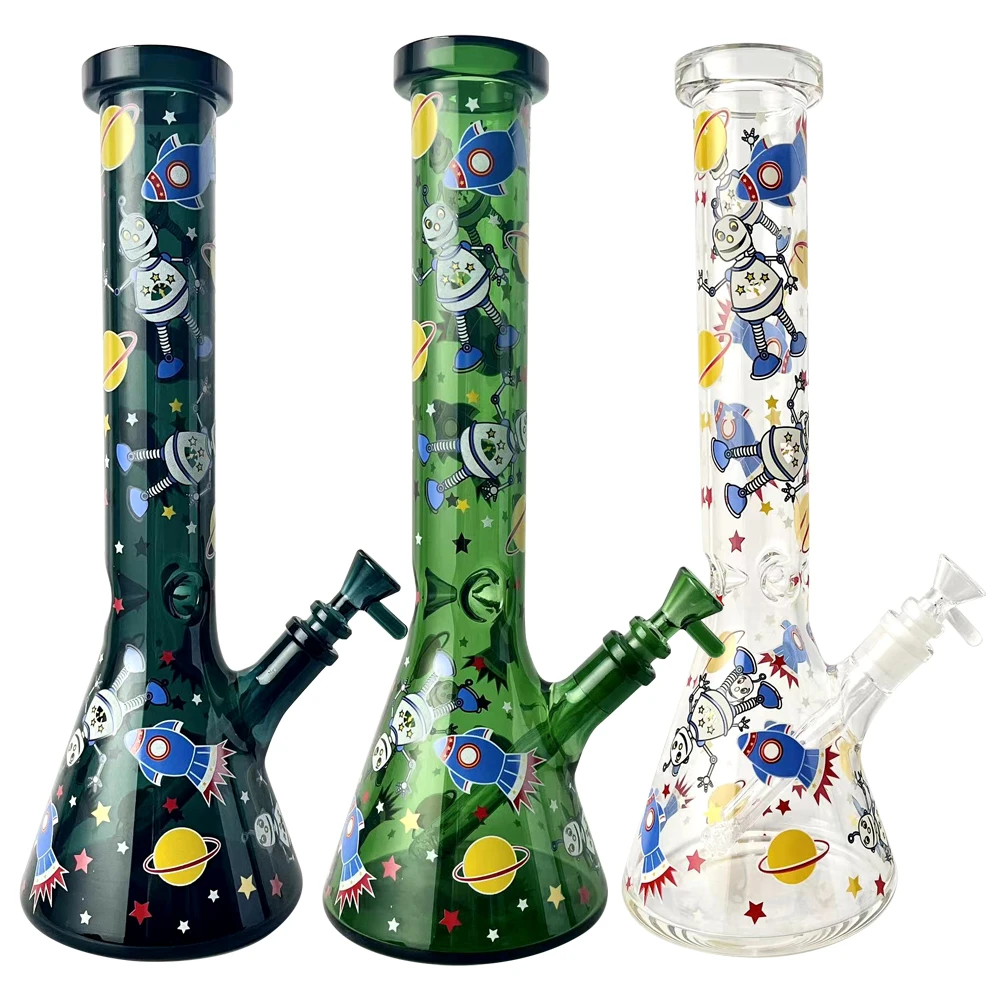
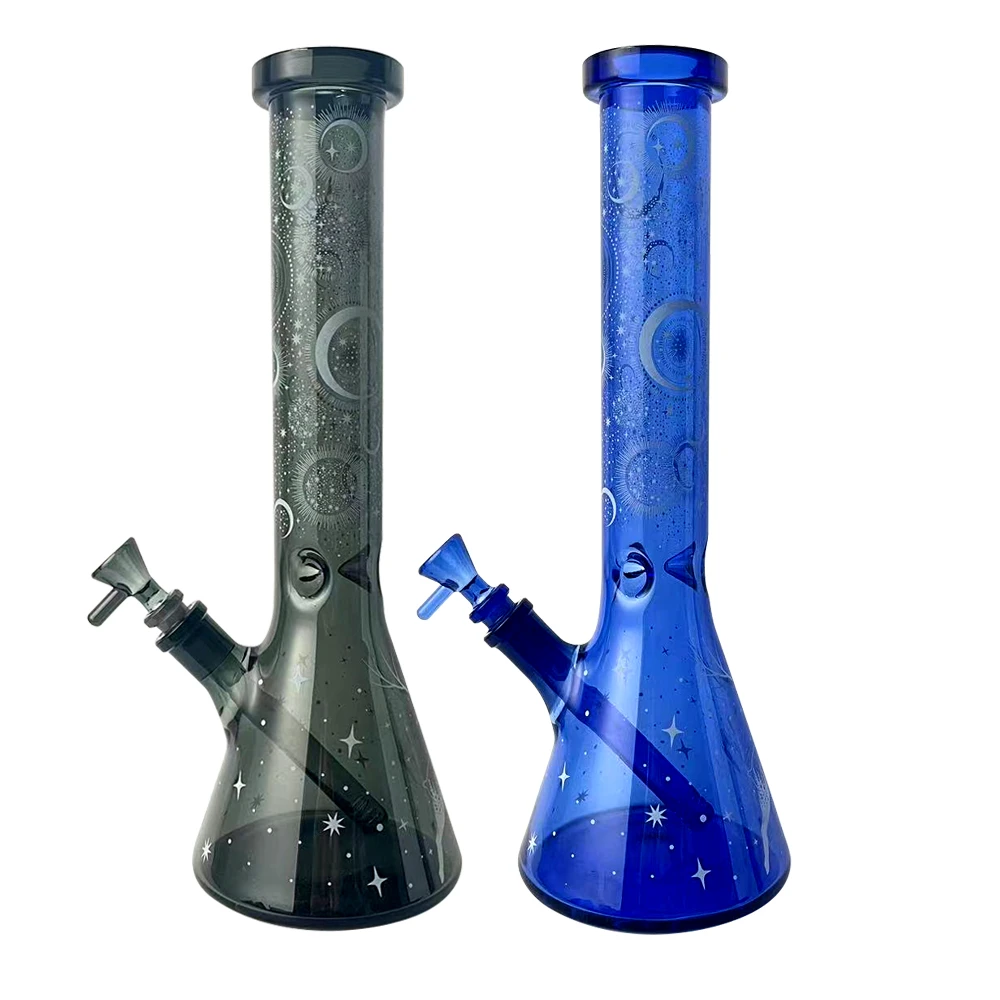
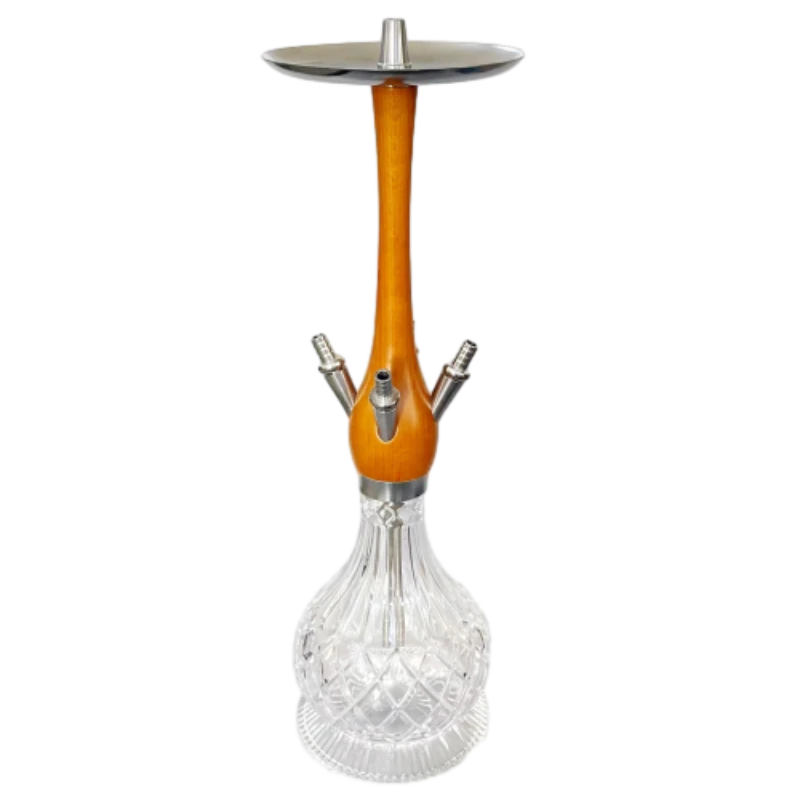
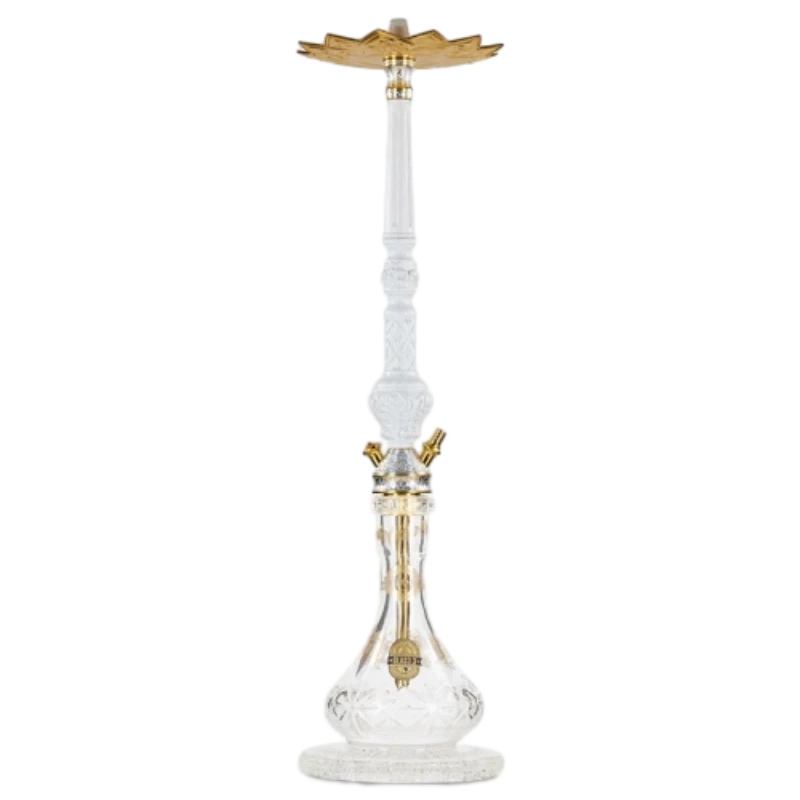
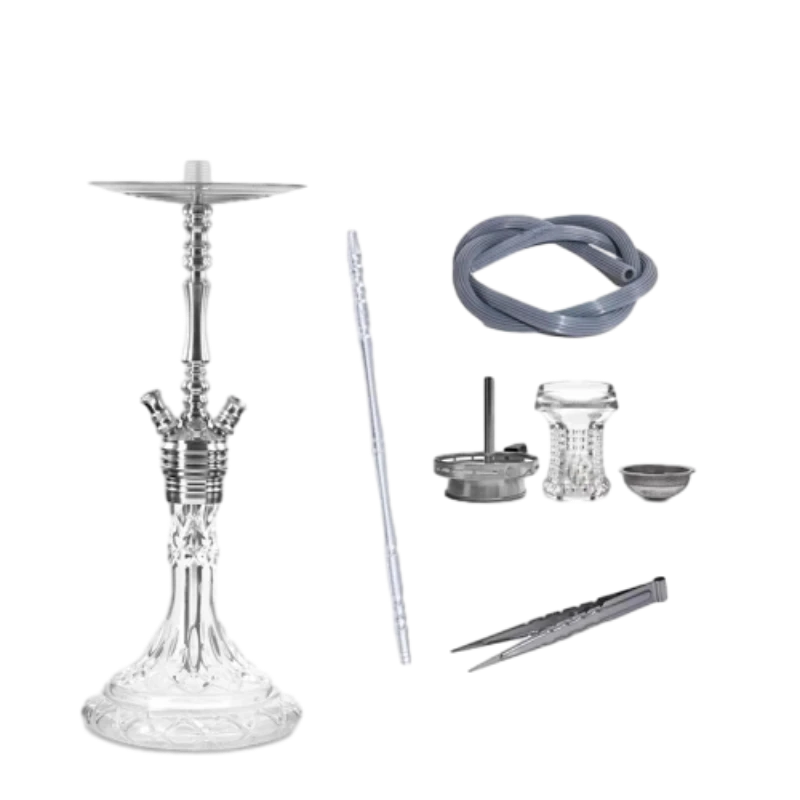
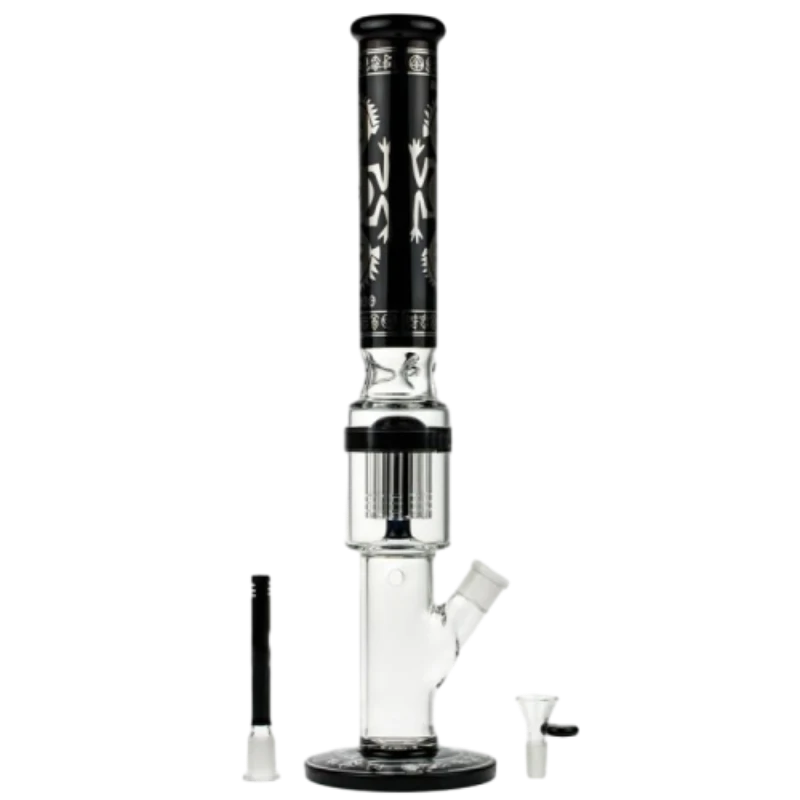
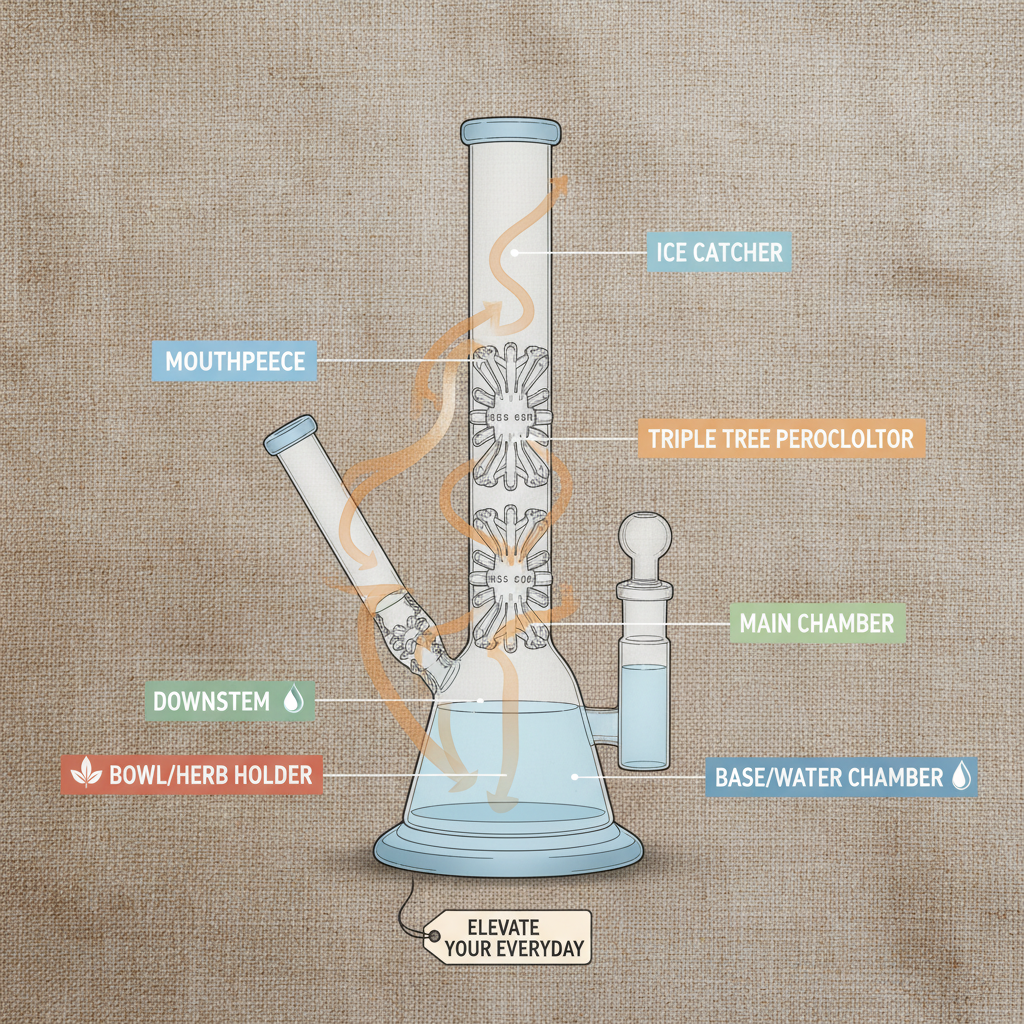
In real terms, the product design often balances form and function. Some water pipes are intricate, boasting percolators and ice catchers to enhance the smoking experience. Others focus on simplicity—think straight tubes where the water acts as a basic filter and cooler. Many customers I’ve worked with tell me the size and shape of the water chamber hugely affect the smoothness. It feels a bit subjective, but there’s clearly some science — and art — in play.
Key Product Specifications for Typical Water Pipe Smoke Devices
| Feature | Specification | Notes |
|---|---|---|
| Material | Borosilicate Glass / Silicone / Acrylic | Durability & heat resistance |
| Height | 20–50 cm (varies by model) | Impacts smoke volume and cooling |
| Percolators | Optional, multiple types | Enhances filtering and smoothness |
| Joint Size | 14mm or 18mm | Standardized for accessory compatibility |
| Water Volume | 100–300 ml | Affects filtration and cooling |
You might be wondering how different suppliers stack up against each other. From my time dealing directly with vendors and custom orders, I’ve noticed some key differentiators around materials quality, customization options, and customer support. Frankly, these all matter more than a quick glance might suggest – when you’re investing in something used daily, you want reliability and tangible value, not just slick marketing.
Vendor Comparison: Water Pipe Smoke Equipment
| Vendor | Material Quality | Customization | Price Range | Customer Support |
|---|---|---|---|---|
| DSGlassBong | Premium borosilicate glass | High (custom colors, sizes) | $$$ | Excellent, responsive |
| Vendor B | Mid-grade glass | Medium | $$ | Moderate |
| Vendor C | Basic glass & acrylic mix | Limited | $ | Poor to fair |
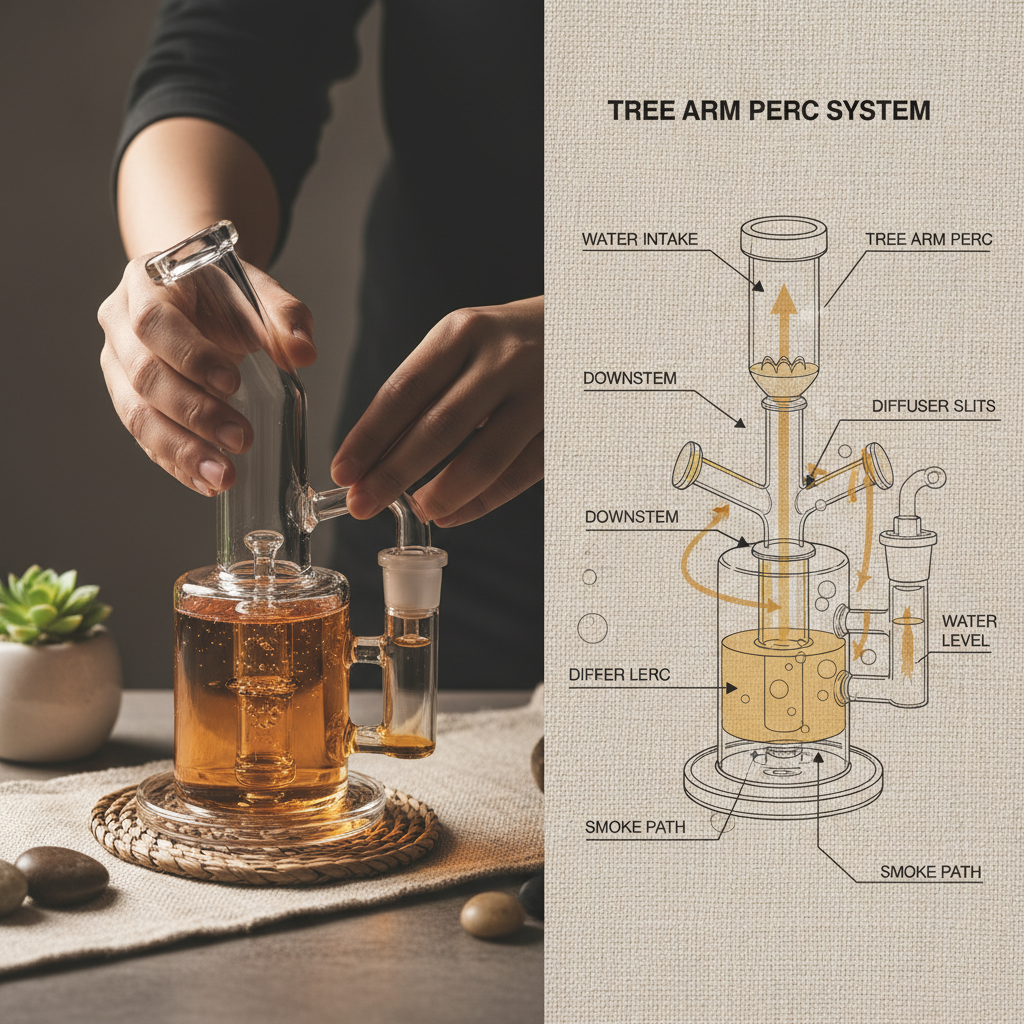
One small anecdote — a longtime client told me recently that switching to a water pipe with an internal diffuser from DSGlassBong “changed everything.” More filtering, smoother pulls, less harshness. It’s a reminder that sometimes, it’s these finer design touches and material upgrades that make the difference in daily use.
To wrap up, water pipe smoke devices might seem straightforward, but there’s a lot to consider if you want an enjoyable, reliable experience. The interplay of material, design, and quality control often determines not just usability, but longevity. Frankly, skipping on quality here is like using a cheap bearing in a machine—it might work for a while, but it won’t last or perform well.
Whether you’re a longtime user or just curious, it pays to know what’s under the surface of your water pipe smoke device.
References:
- Industry standards for borosilicate glass in fluid equipment
- Customer feedback trends from DSGlassBong user reviews
- Comparative market surveys on water pipe smoke component materials
© 2024 Industrial Equipment Insights