Dab Rigs Glass: A Veteran’s Take on Design and Durability
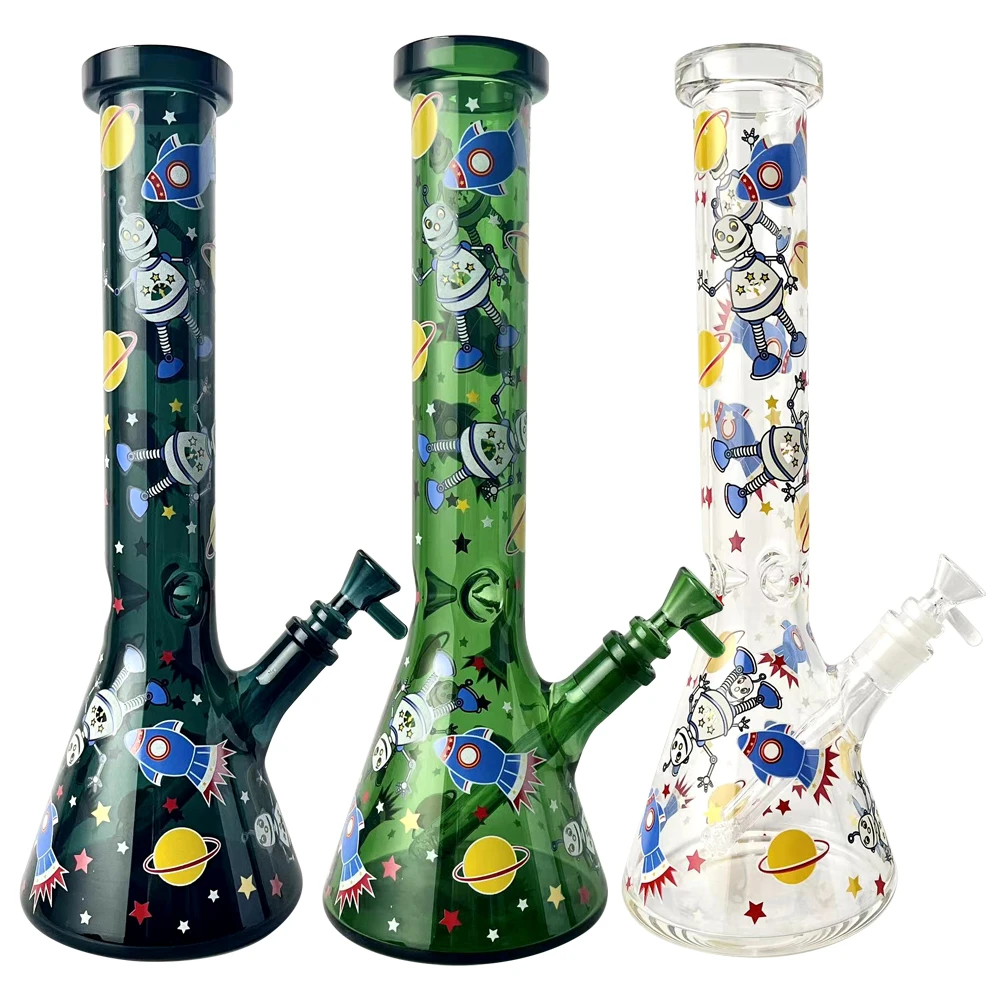
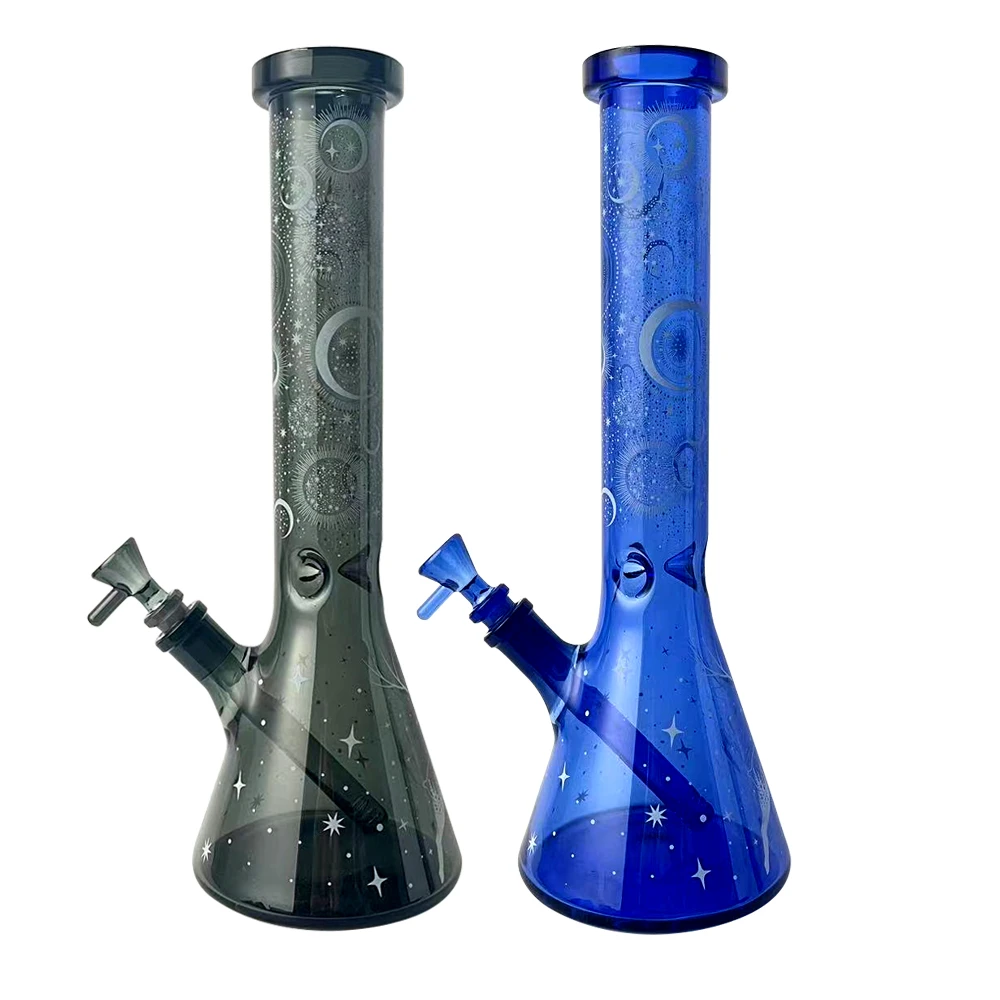
Having spent several years around industrial equipment — and yes, dab rigs glass too — I’ve noticed this niche piece of gear has evolved well beyond a simple accessory. It’s almost like an artwork fused with precision engineering, fragile yet sturdy, elegant yet practical. When you first handle a well-crafted dab rig glass piece, there’s a certain weight and clarity that tells you the manufacturer cared about both aesthetics and function.
You know, the way these rigs have taken form over recent years makes you appreciate the subtle shifts in materials and design. Borosilicate glass has become something of an industry standard — for obvious reasons. It can handle rapid heating and cooling cycles without cracking (which is a lifesaver when you consider how aggressively some users handle their setups). Engineers I’ve spoken to often highlight this glass’s resistance to thermal shock as a key factor in durability. Oddly enough, some companies still opt for cheaper glass types to cut cost, and it shows in user complaints and returns.
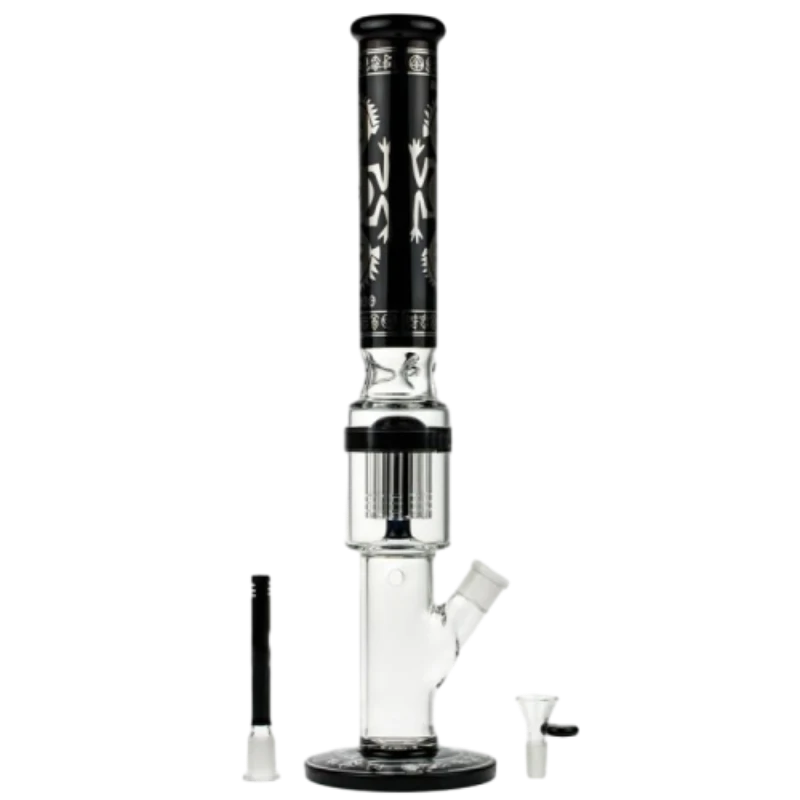
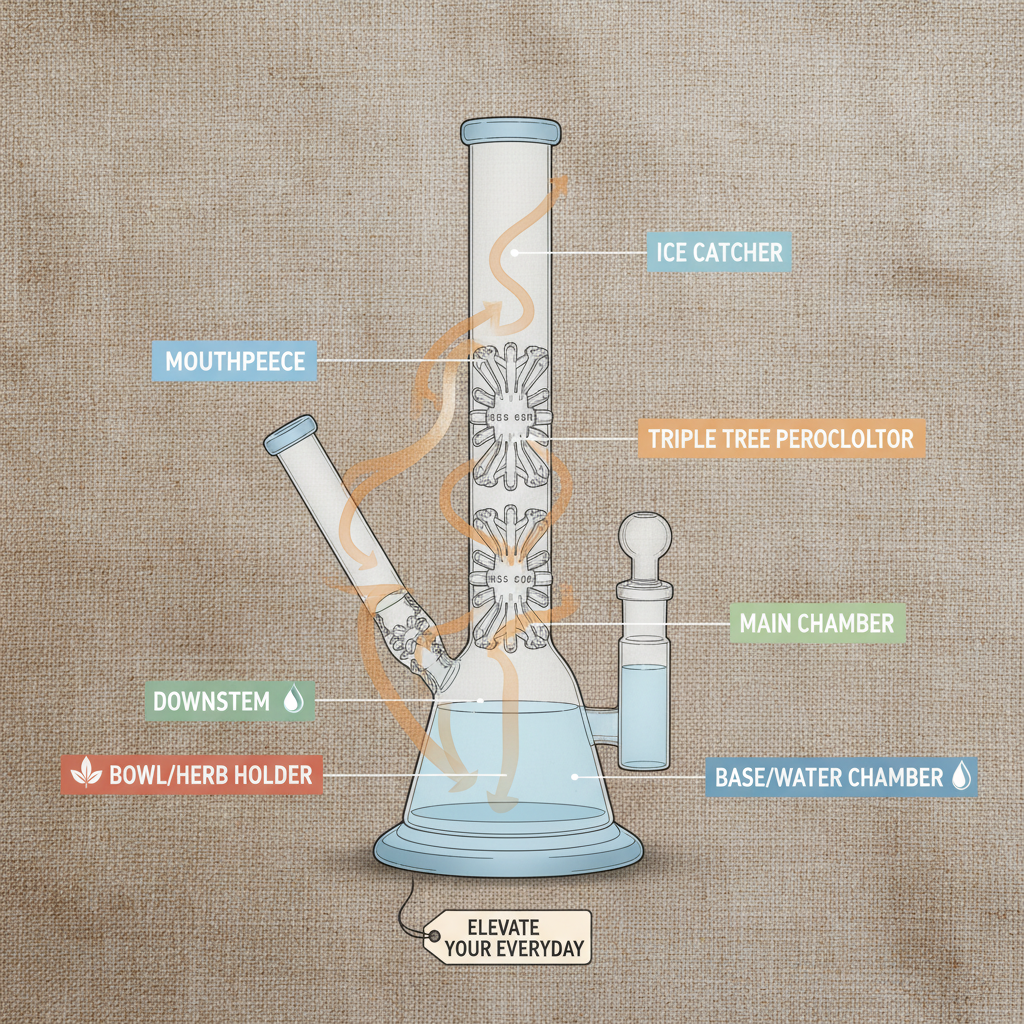
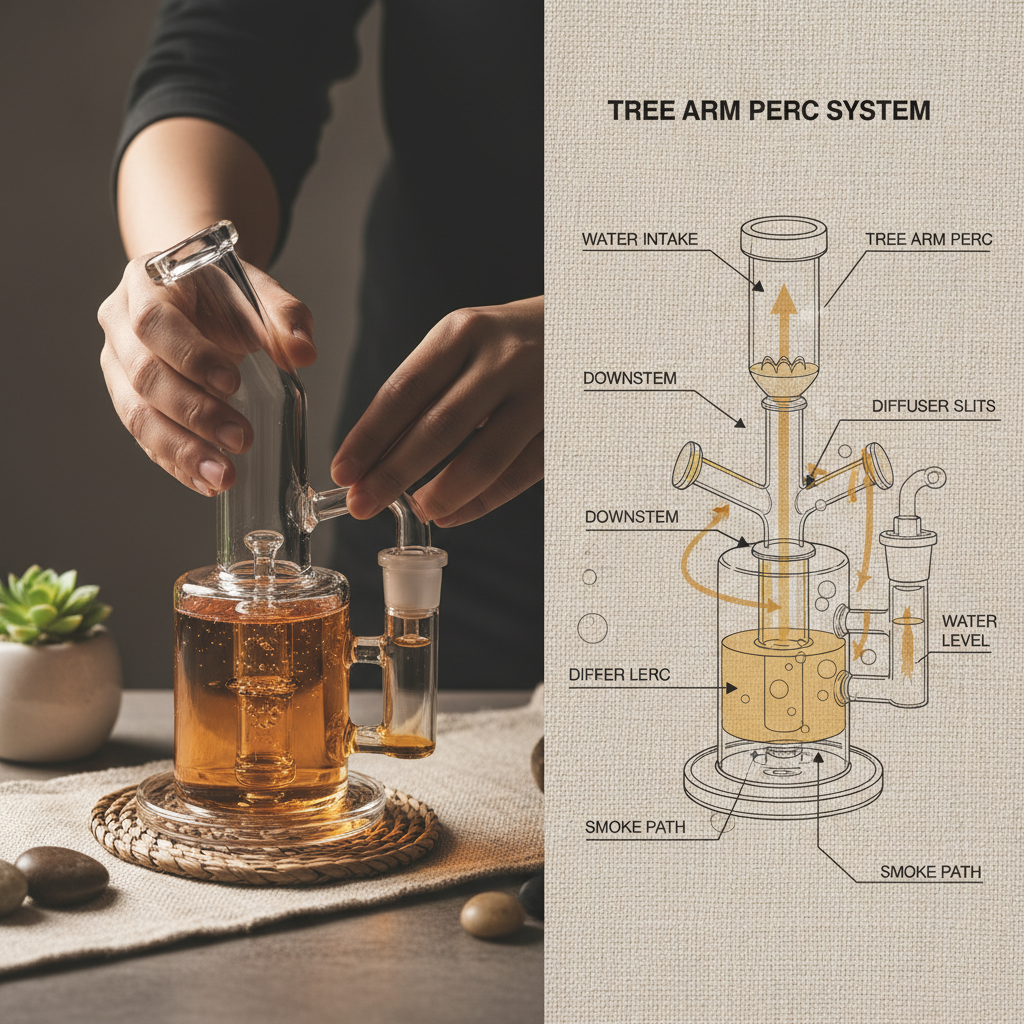
From a design perspective, there’s a neat balance between providing a clean hit and minimizing waste or splashback. Many dab wells incorporate intricate recycler systems or percolators, which enhance flavor and cool the vapor. Frankly, it can get pretty complex inside the glass – channels, diffusers, chambers all working together. I’ve held rigs that looked like tiny aquatic sculptures. And yes, there’s a bit of a trend for customization — users wanting colors, shapes, even functional tweaks tailored to their technique or preference.
Product Specification Snapshot
| Feature | Specification |
|---|---|
| Material | High-grade Borosilicate Glass |
| Joint Size | 10mm, 14mm, 18mm |
| Percolator Type | Tree Arm, Honeycomb, Inline |
| Height | 6” to 12” (varies by model) |
| Weight | 280g to 400g |
What really stuck with me working on site was how some users prioritize airflow. I noticed some rigs with adjustable diffusers or removable percs — a clever, practical solution for tuning drag and flavor. Meanwhile, the joint size not only affects compatibility with nails or domes, but also the tightness of seal and vapor delivery, which, in real terms, can make or break the experience.
Vendor Comparison: What Sets Them Apart?
| Brand | Glass Quality | Design Innovation | Price Range |
|---|---|---|---|
| DS Glass | Premium Borosilicate w/ Thermal Reinforcement | Modular Percolators & Custom Colors | $100 - $250 |
| Brand X | Standard Borosilicate | Basic Inline Perc | $60 - $120 |
| PremiumFlow | Ultra-Thick Borosilicate | Advanced Recycler Systems | $200 - $400 |
I remember one customer from back when I was helping with QA — she was very particular about having no splashback, because she found it ruined her session. After swapping her older rig for a dab rig glass with a honeycomb perc and an adjustable diffuser, her feedback was “Finally, something that feels like it was made for me.” That kind of practical user validation speaks volumes.
Of course, in a market flooded with options, convergence around reliable materials and clever design feels like the future. We engineers always strive for better lifecycle testing, easier cleaning solutions, and more consistent performance. And for anyone new to dab rigs — pick a model that balances function and fit for your style; it makes all the difference.
In the end, these glass pieces carry a blend of artistry, science, and user experience that’s rare to find elsewhere. I suppose that’s why I keep coming back to them.
Quick takeaway: When you shop for dab rigs glass, trust brands that marry quality with design innovation — because it shows in every hit.
- Study of thermal shock resistance in borosilicate glass, Journal of Materials Science, 2022.
- User experience feedback from DS Glass QA sessions, 2023.
- Design trends in dab rigs, Industrial Glass Review, 2023.