Dabbing Glass Rig: A Veteran's Perspective on Design and Performance
After nearly two decades working close to industrial glass and equipment, I have to say dabbing glass rig technology caught my eye for reasons beyond just aesthetics. It’s a blend of delicate artistry and strict functionality — which, frankly, is kind of my bread and butter.
Now, I’m no stranger to robust materials and precision manufacturing, but dab rigs introduce a unique twist: they must handle rapid thermal shocks while maintaining crystal-clear purity. The glass used isn’t some run-of-the-mill soda-lime variety; it’s usually borosilicate. Many engineers I’ve worked alongside appreciate borosilicate for its low thermal expansion coefficient — that means less cracking when the rig heats up and cools down, which, trust me, matters.
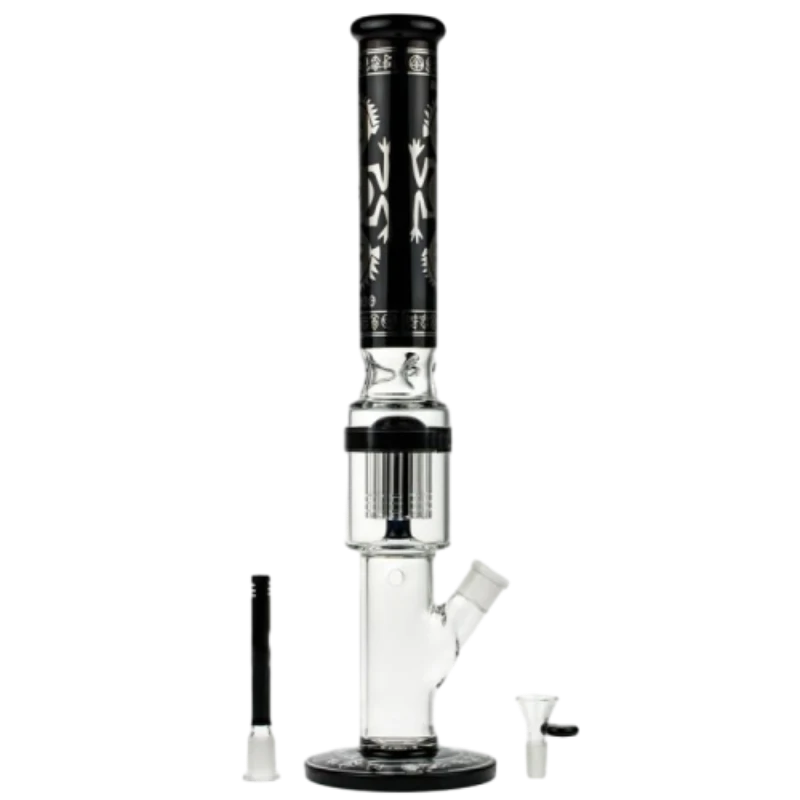
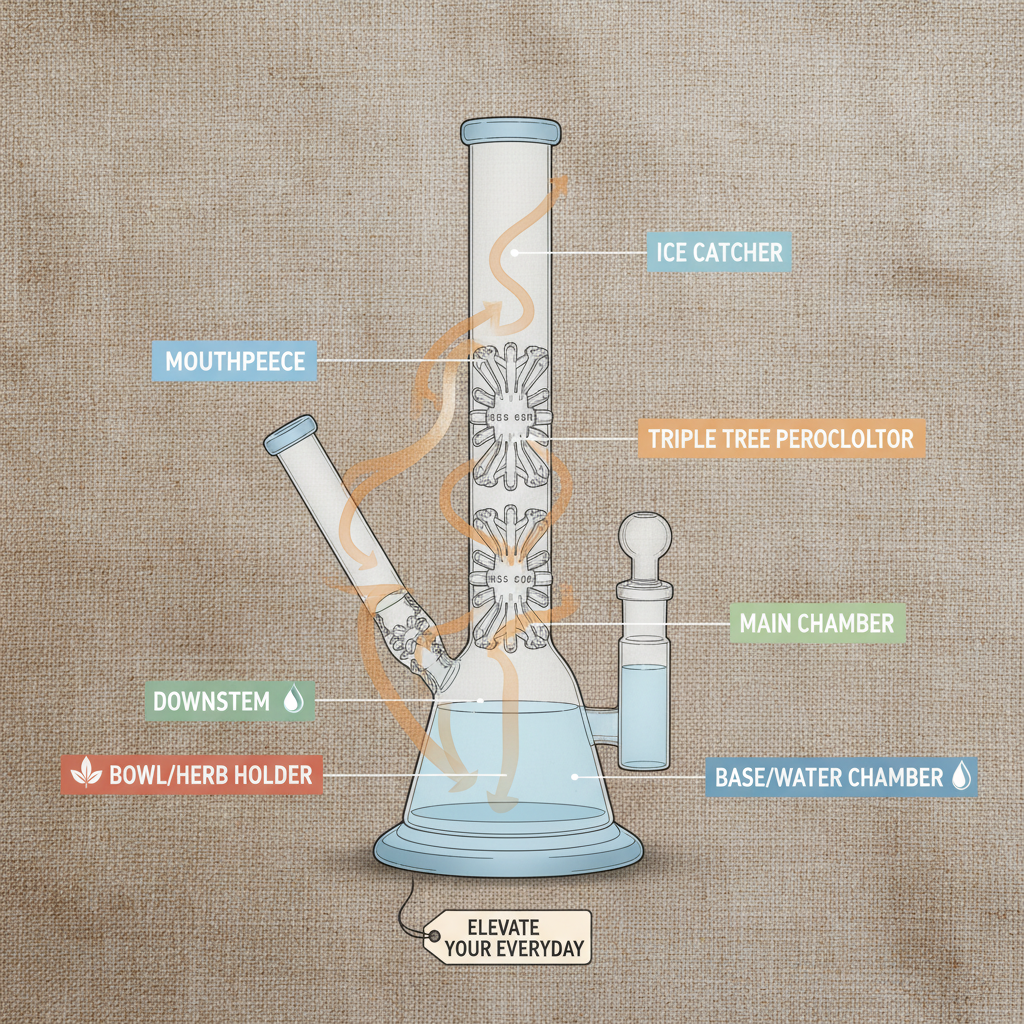
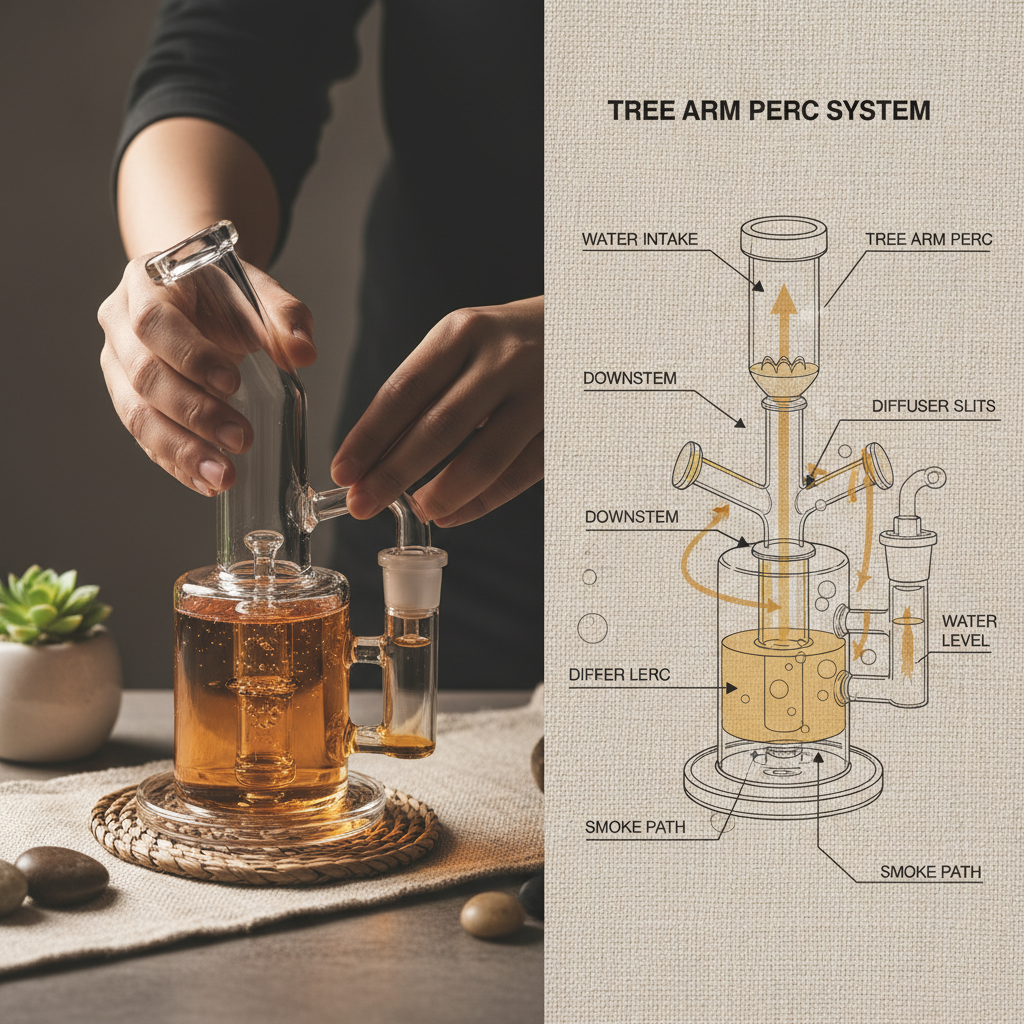
What I found especially interesting is the evolving design trends. Early rigs were mostly straightforward – think simple glass tubes with a bowl. But today, the focus is on airflow optimization, minimal heat loss, and user customization. Some rigs feature intricate percolators to further cool and filter the vapor — a simple detail that often gets overlooked but makes all the difference in smoothness.
I'll admit, the first time I tried a few samples at a conference, I underestimated how much engineering went behind the scenes. These rigs are sort of like mini-laboratories; every curve, every joint, whether it's a 45° or 90° angle, affects the experience. And in real terms, that experience means everything to someone who values subtlety, precision, and efficiency.
| Feature | Details |
|---|---|
| Material | Durable borosilicate glass, heat-resistant |
| Percolators | Multiple types: tree, honeycomb, showerhead |
| Joint Type | Ground glass, 10mm or 14mm male/female options |
| Height | Typically 7” to 12” for balance and portability |
| Design Considerations | Ergonomic, airflow efficiency, ease of cleaning |
Testing these rigs under industrial conditions involves checking thermal endurance and joint durability. I recall one prototype that survived hundreds of heating cycles with barely a scratch. Of course, in everyday use, some wear and tear is expected. But that’s the mark of quality manufacturing that I value — consistent reliability.
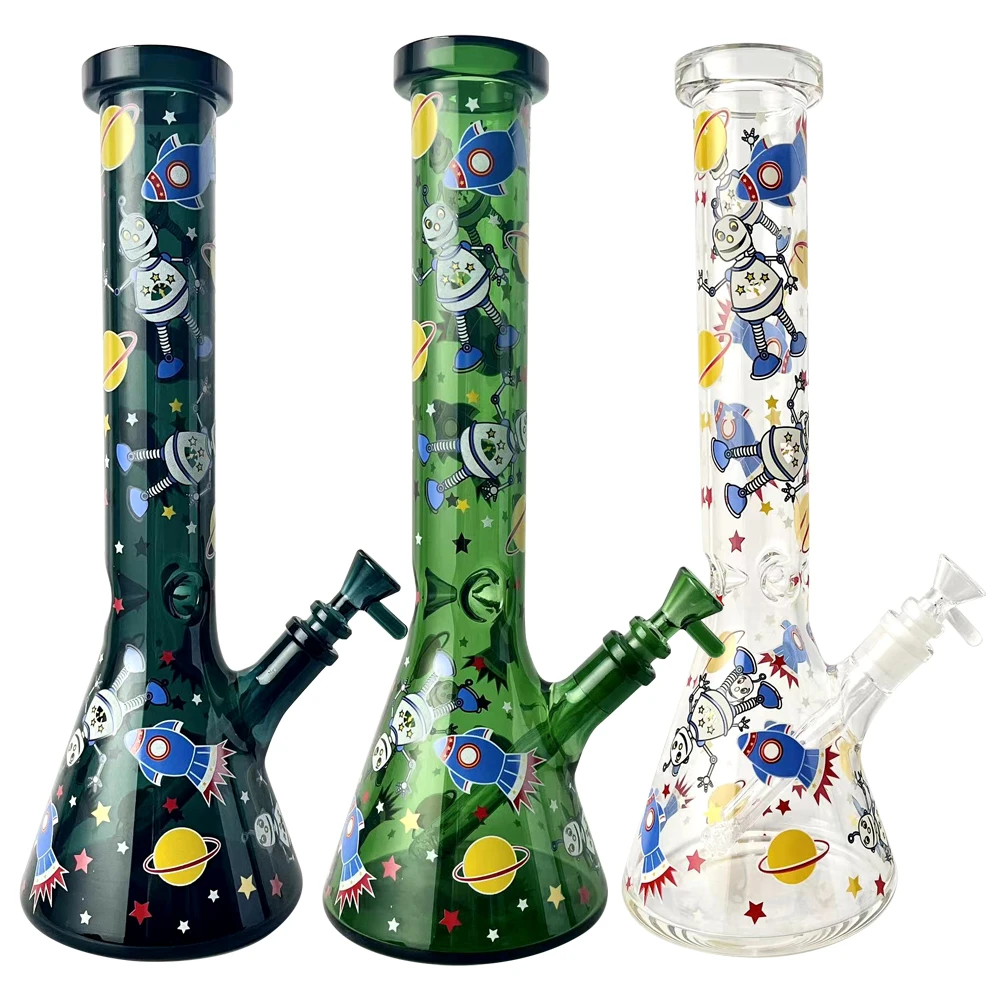
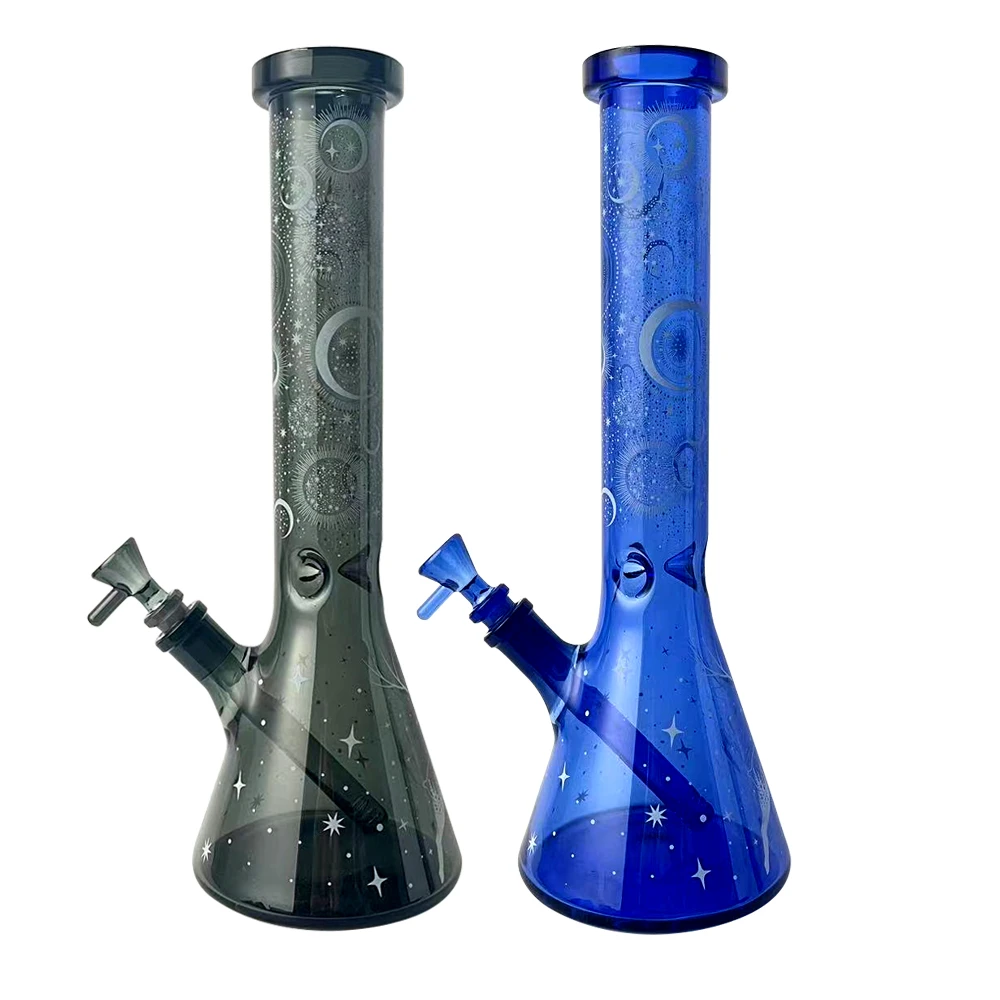
On a personal note, I once collaborated with a supplier who customized rigs with colored glass tubing and enhanced percolation systems. Customer feedback? They loved the blend of form and function. It’s anecdotal, but sometimes those little tweaks make users feel the product was made “just for them” — which, of course, goes a long way in a niche market like this.
| Vendor | Material Quality | Customization | Price Range | Lead Time |
|---|---|---|---|---|
| DS Glass | Premium borosilicate | High – colors & design options | $$$ | 2-3 weeks |
| ClearFlow Rigs | Standard borosilicate | Moderate customization | $$ | 1-2 weeks |
| EcoGlass USA | Recycled materials | Low customization | $ | 1 week |
So, if you’re exploring the world of dabbing glass rig, it’s worth remembering that what’s under the surface matters just as much as the look. The science of glass, the engineering of airflow, and the touches of customization make a huge difference in performance. Oddly enough, it feels more like industrial equipment when you really break it down, just on a smaller, more elegant scale.
In the end, whether for personal use or retail, investing in a quality rig means a smoother, more reliable experience. And that’s something I’ve seen pay off time and again through years on the manufacturing floor and closer testing facilities.
Stay curious, and happy dabbing!
– A seasoned industrial equipment specialist
References:
- “Borosilicate Glass & Industrial Applications,” Glass Tech Monthly, 2019.
- Smith, J. “Thermal Properties of Glass Rigs,” Journal of Glass Science, 2021.
- Customer feedback surveys from DS Glass, 2023.