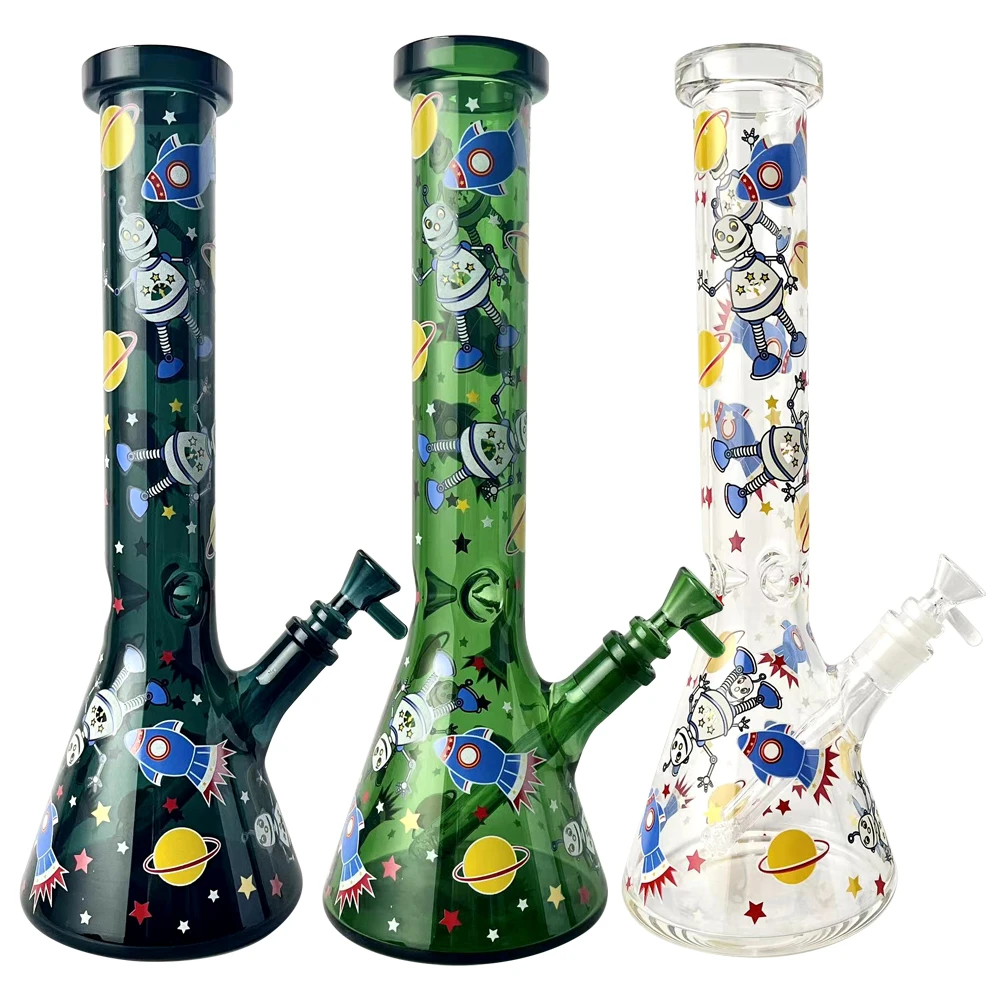
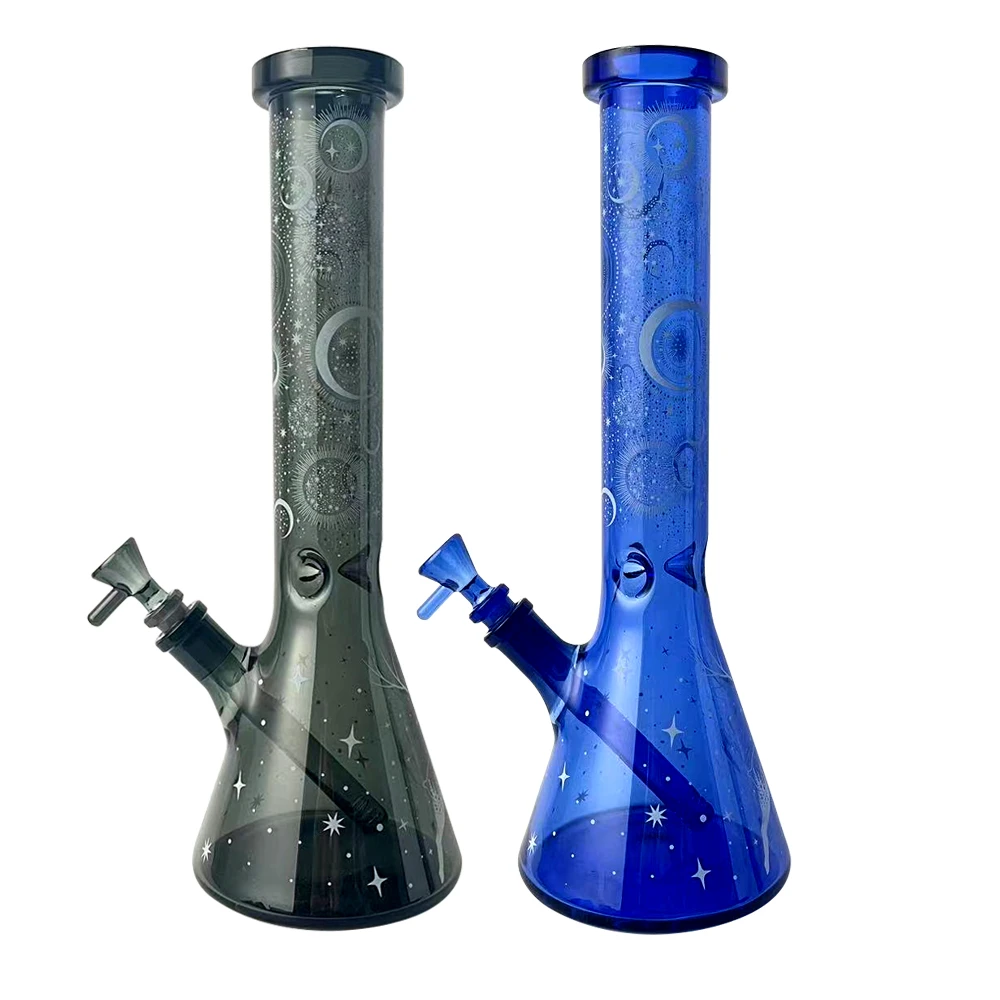
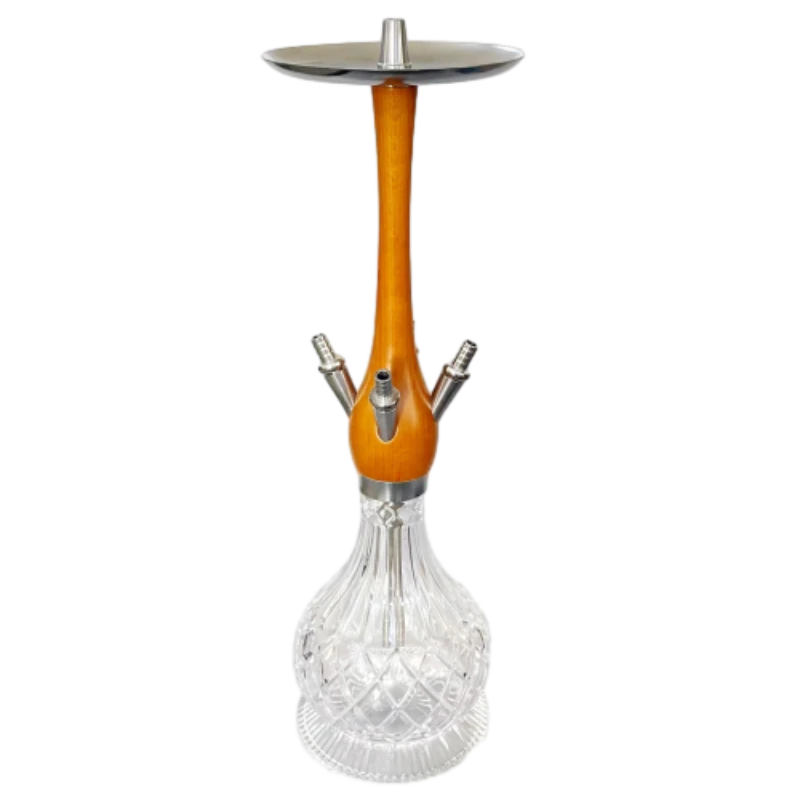
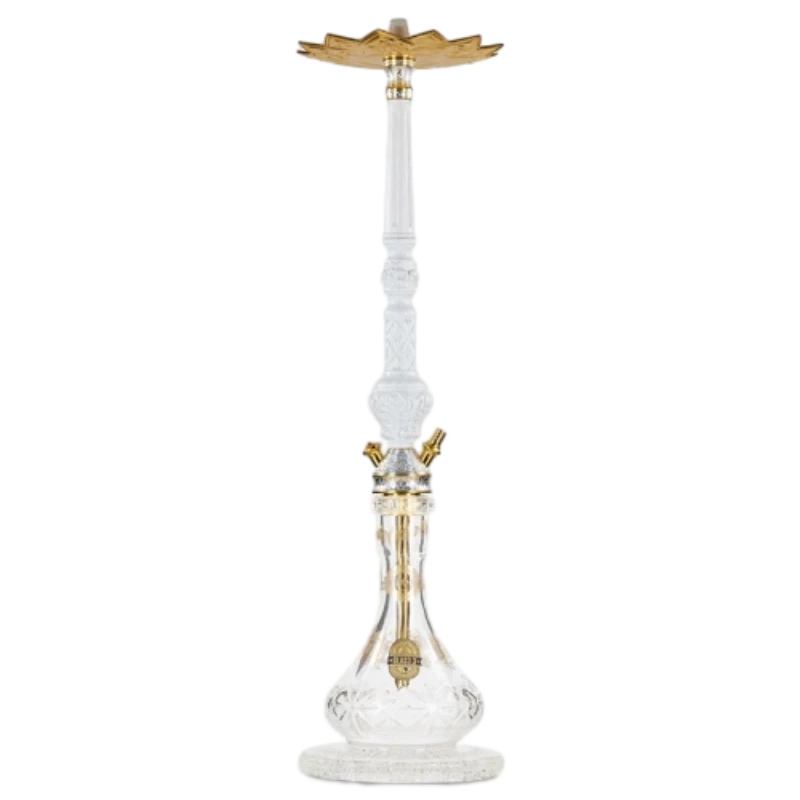
Understanding Glass Dabbing Rigs: A Veteran’s Perspective
Having spent a fair chunk of my career in the industrial equipment sector, I’ve seen many niche products evolve from mere curiosities into refined, high-quality tools. Glass dabbing rigs, oddly enough, fall into that category—these specialized pieces might seem straightforward, but the detail in their design and manufacturing is surprisingly rich.
If you’re not deeply familiar, a glass dabbing rig is essentially a vaporizer made predominantly from borosilicate glass, designed to facilitate the quick vaporization of concentrates. You might liken it to the precision instruments we engineer in industrial settings, where heat resistance and durability matter immensely.
Frankly, working with glass has my respect. It’s a material that combines fragility and toughness in a way that’s almost paradoxical. Borosilicate glass, which many rigs use, takes the heat well—it’s the same stuff used in laboratory glassware and high-end cookware. That’s important because the whole point of a dab rig is to withstand flashes of intense heat without cracking or deforming. You want that instant vaporization, but you don’t want your rig turning into a hazard.
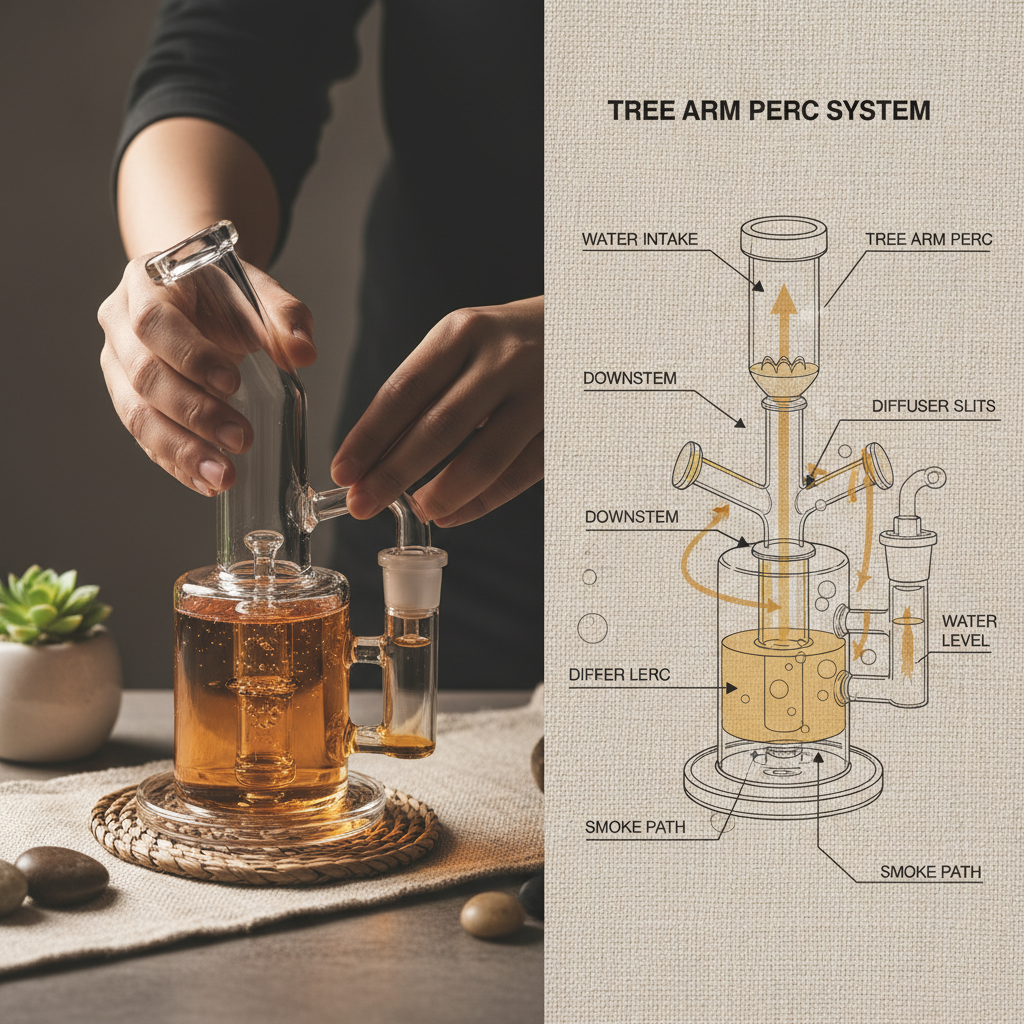
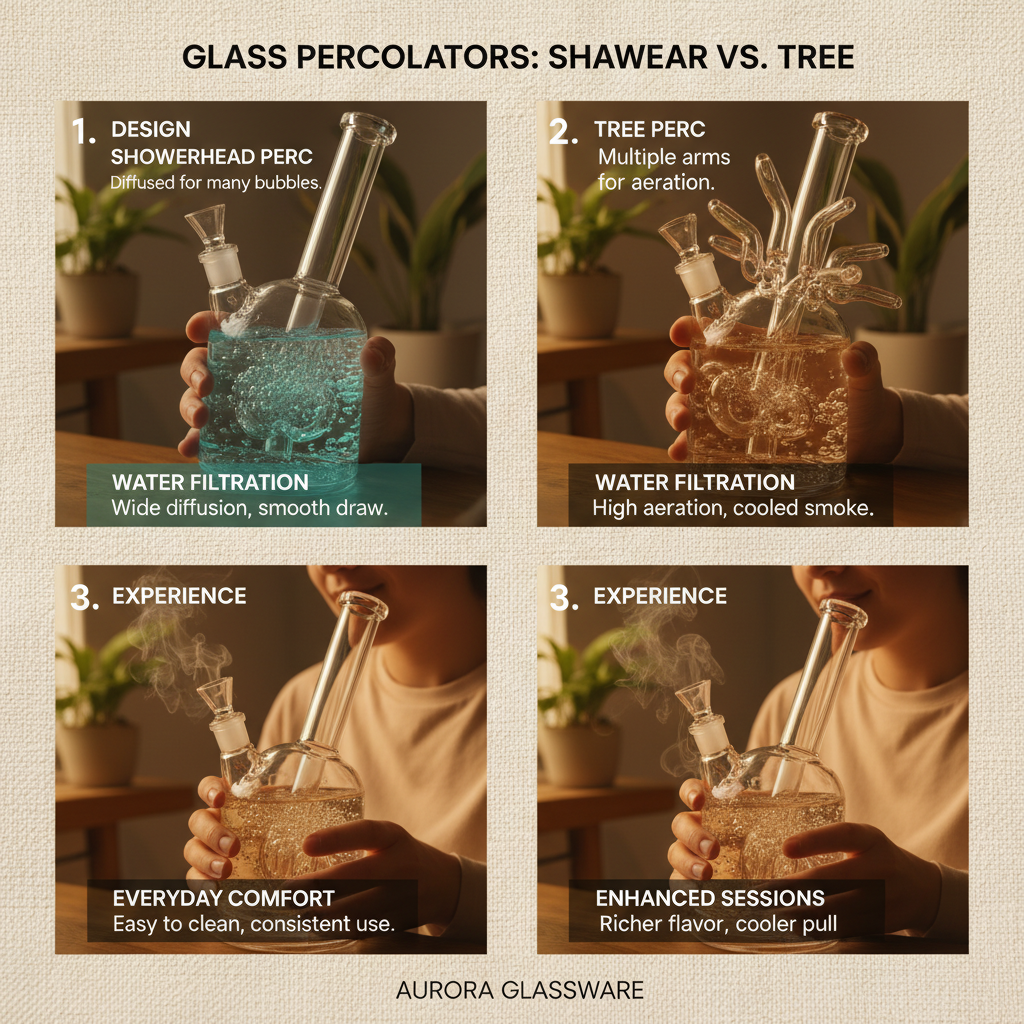
From a design standpoint, glass dabbing rigs aren’t just about heat resistance. The airflow, the joint size, the size of the water chamber, and even the shape influence the flavor and smoothness of the vapor. I suppose it’s like tuning a piece of industrial equipment: small tweaks can make a big difference.
A few years ago, I came across a small custom glass workshop. The craftsmen there emphasized how each rig was hand-tested for structural integrity and smooth airflow, and it showed. Their rigs had noticeably cleaner hits and better longevity than the mass-produced variety. It reminded me of how many in our industry swear by precision and finish over just raw specs.
| Feature | Specification |
|---|---|
| Material | Borosilicate Glass |
| Joint Size | 10mm, 14mm, 18mm |
| Water Chamber Volume | 30-60 ml |
| Perc Type | Recycler, Tree, Inline |
| Typical Height | 5 to 10 inches |
| Weight (empty) | 200 - 450 grams |
Of course, no two vendors are the same, and you’ll find variation in price, craftsmanship, and innovation. Here’s a quick comparison of three popular manufacturers I’ve seen firsthand, emphasizing what the industrial gear head in me notices:
| Aspect | Vendor A | Vendor B | Vendor C |
|---|---|---|---|
| Price Range | $80 - $150 | $120 - $200 | $60 - $100 |
| Material Thickness | 5 mm | 7 mm | 4 mm |
| Special Features | Integrated recycler | Custom percolators | Budget-friendly, simple design |
| Durability | High | Very High | Moderate |
| User-Friendliness | Moderate | Moderate | Easy for beginners |
You might notice the trade-off between thickness and price, or the balance between complex features and user-friendliness. It’s definitely not one-size-fits-all, but rather an ecosystem where your priorities dictate the ideal rig.
Having advised on equipment quality for years, it always comes down to reliability and fit-for-purpose. Glass dabbing rigs are no different. If you want delicate flavor without harshness, a well-crafted rig with precise airflow and sturdy glass will serve you well.
Oddly enough, many engineers I know describe their preferred rigs as “precision instruments,” which seems fitting. In real terms—whether tinkering with machines or enjoying a clean vapor hit—quality and attention to detail matter just as much as innovation.
Ultimately, if you’re exploring rigs, I’d suggest looking for those with borosilicate glass construction and some form of tested durability guarantee. And, well, if you want a straightforward, reliable introduction, you might just want to check out options like the ones offered at DS Glass Bong. They seem to strike a nice balance in quality and value.
In the end, a good dabbing rig isn’t just a tool. It’s a little bit like a well designed industrial machine—built to perform under exacting conditions, and made to last.
That’s my two cents, based on years of elbow grease and a damn appreciation for glasswork.
References:
- “Materials for Heat-Resistant Glassware,” Journal of Industrial Glass, 2021.
- “Trends in Glass Craftsmanship,” Industry Insights Quarterly, 2023.
- DS Glass Bong Product Catalog, 2024.