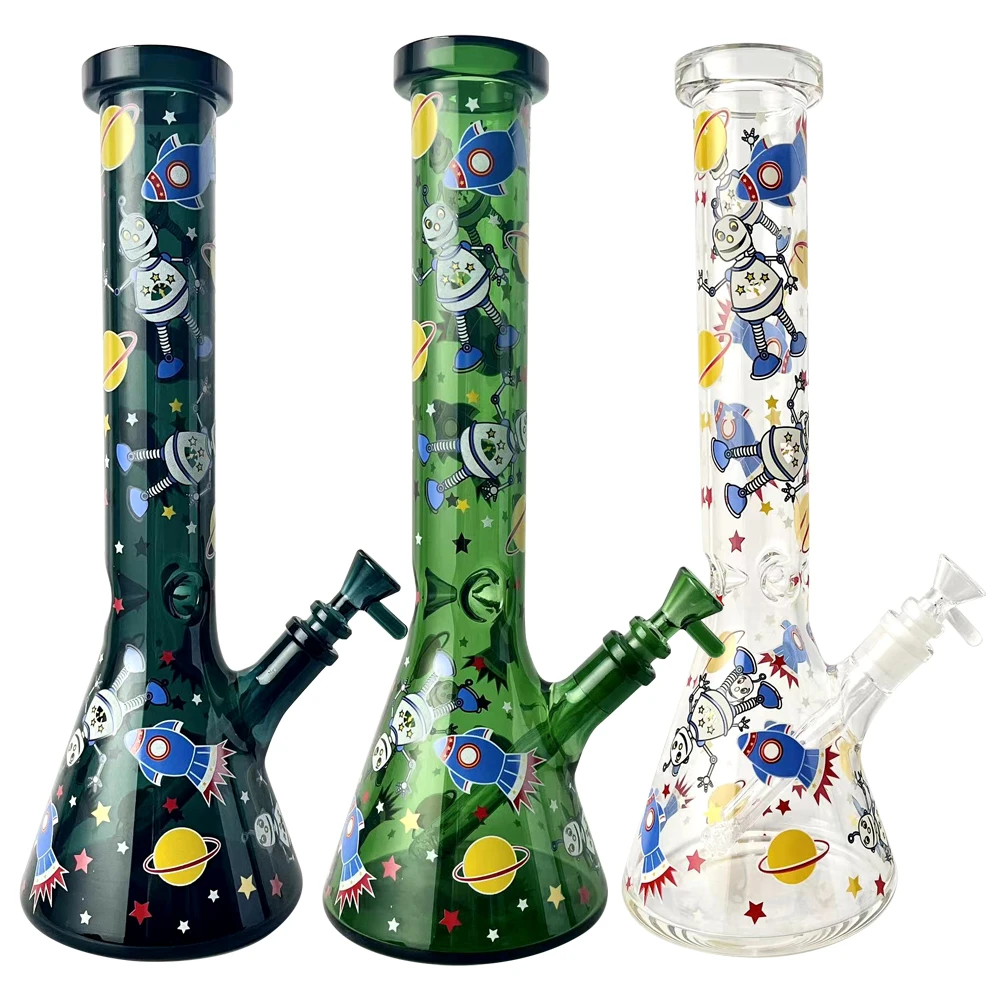
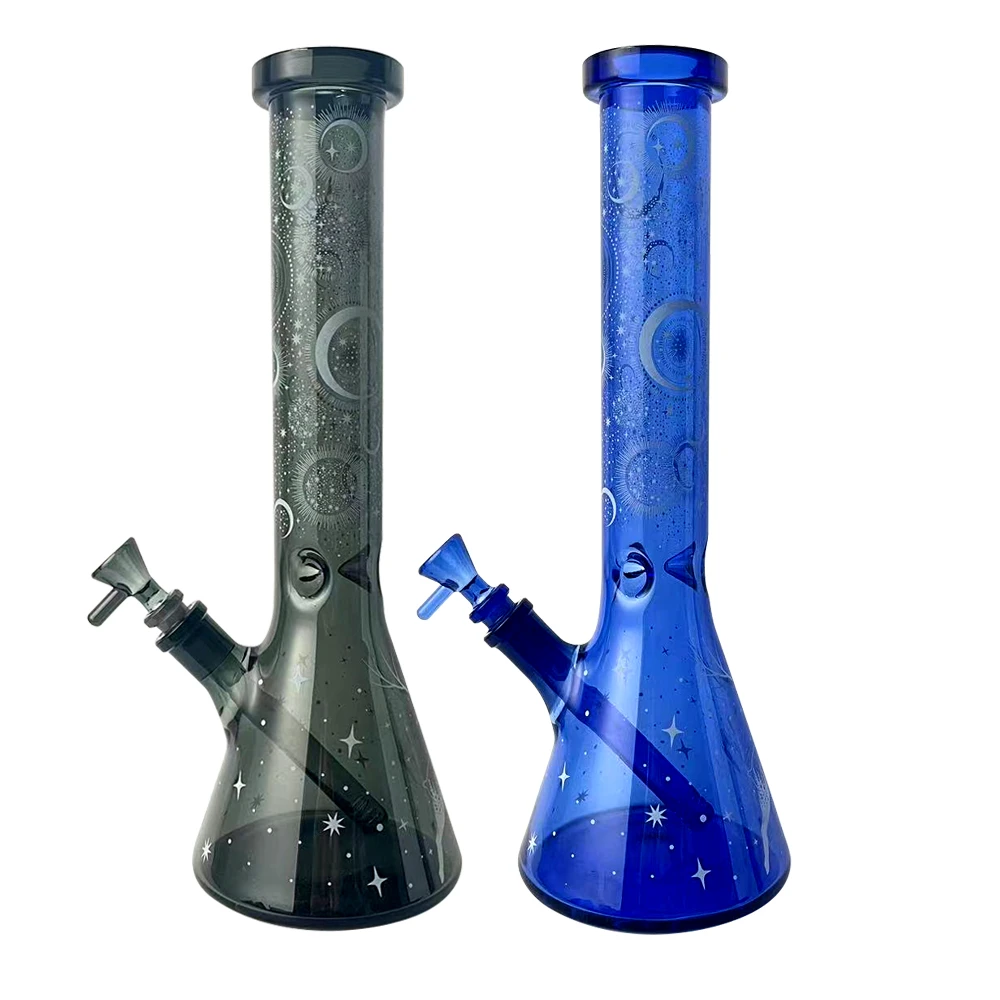
The Rise of Glass Dab Rigs: Insights from an Industrial Equipment Veteran
Having spent a fair share of my career navigating the world of industrial equipment, I didn't expect to develop a particular appreciation for something as niche as glass dab rigs. Oddly enough, there's a subtle engineering finesse behind these pieces that reminds me of precision tools used in industrial settings—only designed for a quite different craft.
The dab rig industry has quietly matured over the past decade in terms of design, materials, and function. Initially, dab rigs were fairly rudimentary, but today's models echo the same high standards that come from sectors where reliability and material integrity rule the day.
One key trend I’ve noticed is the growing use of borosilicate glass. It’s that same type of glass used widely in lab equipment because it’s resistant to thermal shock and chemical corrosion. I suppose that’s a natural choice if you want your rig to last beyond casual or one-off usage. If you handle industrial glassware, you appreciate how important durability is, and it’s cool to see this translate to dab rigs.
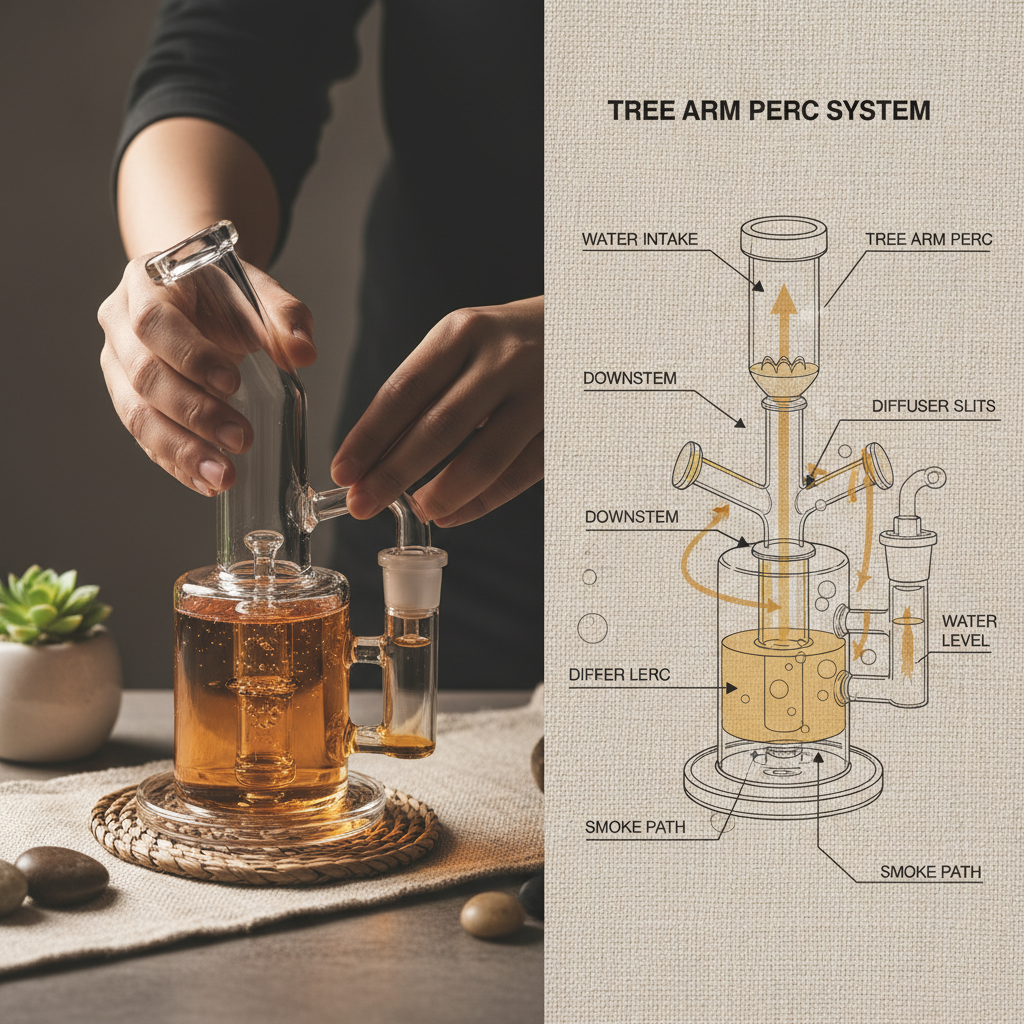
Design innovations don’t stop with the material. The precision of airflow and chamber design plays a huge role in the efficiency and flavor of the vapor produced. The better rigs incorporate percolators and diffusers—not too different from filtration and mixing technologies in industrial fluid systems. This kind of crossover makes me wonder about how experience in one field can surprisingly inform another.
Testing of these rigs often seems informal, yet some reputable vendors conduct rigorous quality checks. I recall visiting a startup that, much like industrial equipment manufacturers, runs durability tests with repeated heating cycles and drop simulations. It's impressive to see that level of commitment when dab rigs can sometimes be seen merely as lifestyle accessories.
Customization is another facet that has allowed glass dab rigs to carve a specialized niche. From custom colors to intricate joint angles and sizes, users can tailor their rigs for optimal personal experiences. It reminds me of how customization in industrial fittings can vastly impact performance, albeit here it’s flavor and smoothness at stake.
On a more personal note, I remember chatting with a longtime user who treated his rig carefully, like a prized instrument. For him, it was less about the utility and more about the artistry and ritual. It feels like dab rigs have become a blend of both high-quality product and personal expression.
| Specification | Details |
|---|---|
| Material | Borosilicate Glass |
| Height | 5 to 8 inches (varies by model) |
| Joint Size | 10mm, 14mm, or 18mm (male/female) |
| Percolation | Single or multiple percolators |
| Additional Features | Quartz bangers, splash guards, reclaim catchers |
From a vendor perspective, there’s quite a range in the marketplace that’s worth considering for anyone serious about dab rigs:
| Vendor | Price Range | Material Quality | Customization Options | Innovation Features |
|---|---|---|---|---|
| DS Glass | $$ - Mid-range | High-grade borosilicate | Good, custom colors & designs | Popular for splash guards, quartz bangers |
| MAV Glass | $$$ - Premium | Top-tier borosilicate and quartz | Extensive bespoke options | Advanced percolator designs |
| Pulsar | $ - Budget friendly | Standard borosilicate | Limited | Basic features |
Honestly, evaluating vendors in this space feels a little like picking industrial suppliers. You want quality, but also a sense that the maker values their craft, not just the bottom line. From my conversations and observations, DS Glass strikes a balance that appeals to many users starting out or upgrading — sturdy, thoughtfully designed, yet reasonably priced. Of course, if you’re really deep into this, premium or custom rigs might be where you head next.
All in all, glass dab rigs are an intriguing niche where industrial science meets artisanal product design. Whether you’re a casual user or someone fascinated by the technical side, it’s worth appreciating that these rigs aren’t just stylish or trendy—they’re carefully engineered, tested, and refined. If the field of industrial equipment taught me anything, it’s that attention to detail matters, even in places you might not expect.
In real terms, the next time you see a glass dab rig, maybe have a closer look – it’s the little technical details that often make all the difference.
References:
1. Borosilicate Glass Properties – Industrial Materials Handbook
2. “Innovations in Vapor Filtration” – Journal of Consumer Product Engineering, 2022
3. Direct vendor interviews and product walkthroughs, 2023