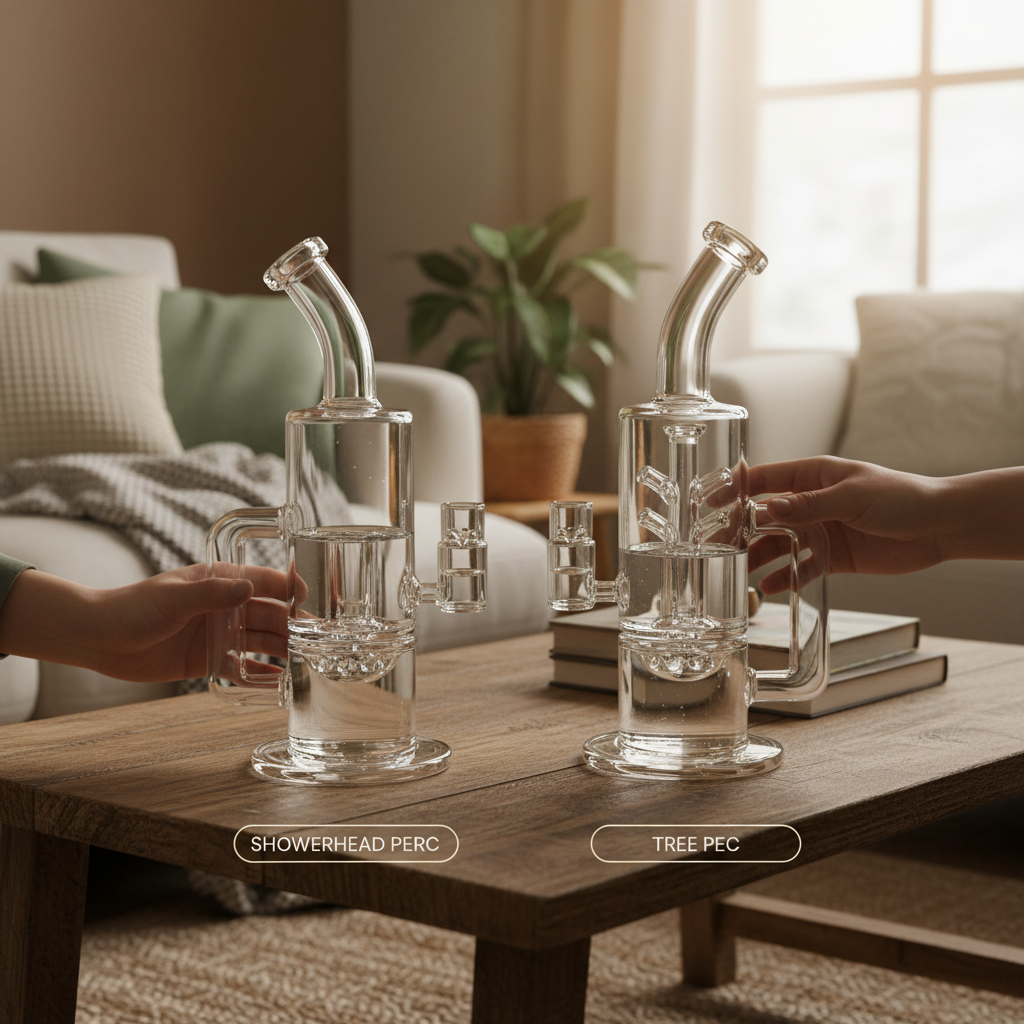
Understanding bong design: An insider's take from the industrial equipment sector
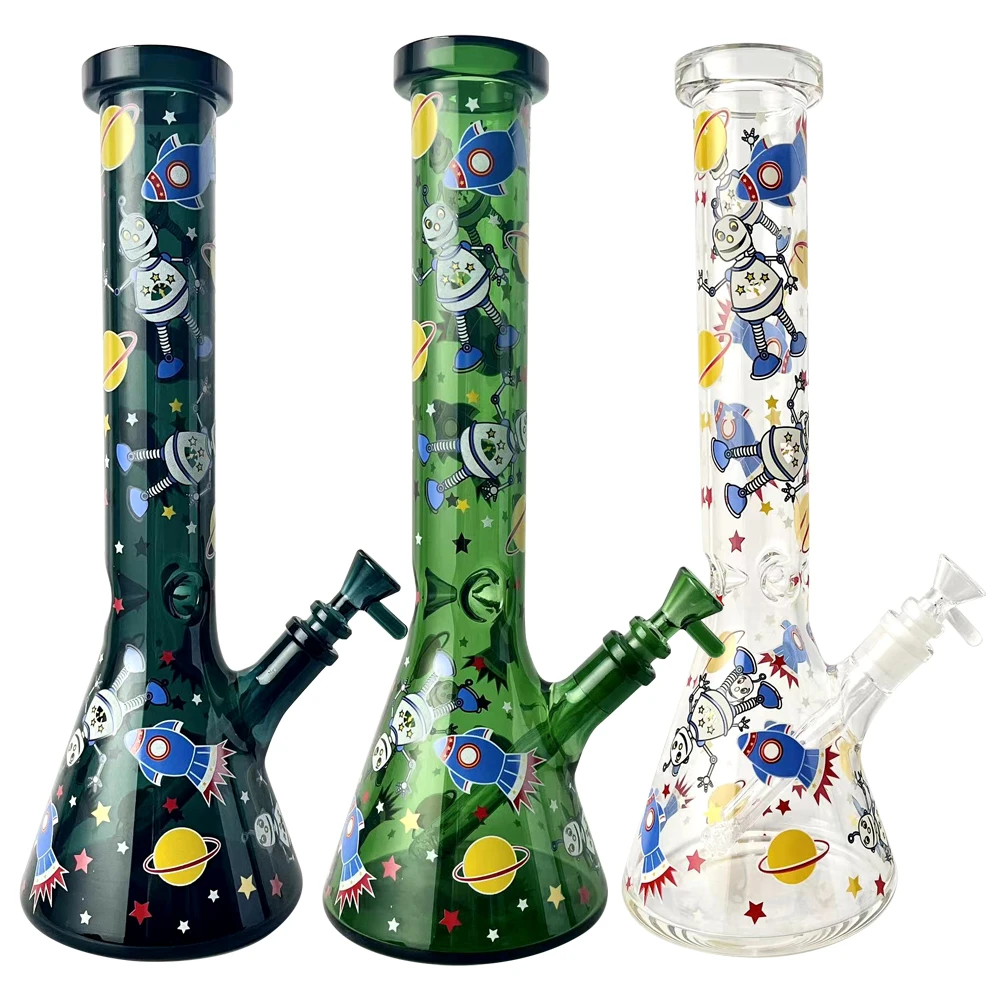
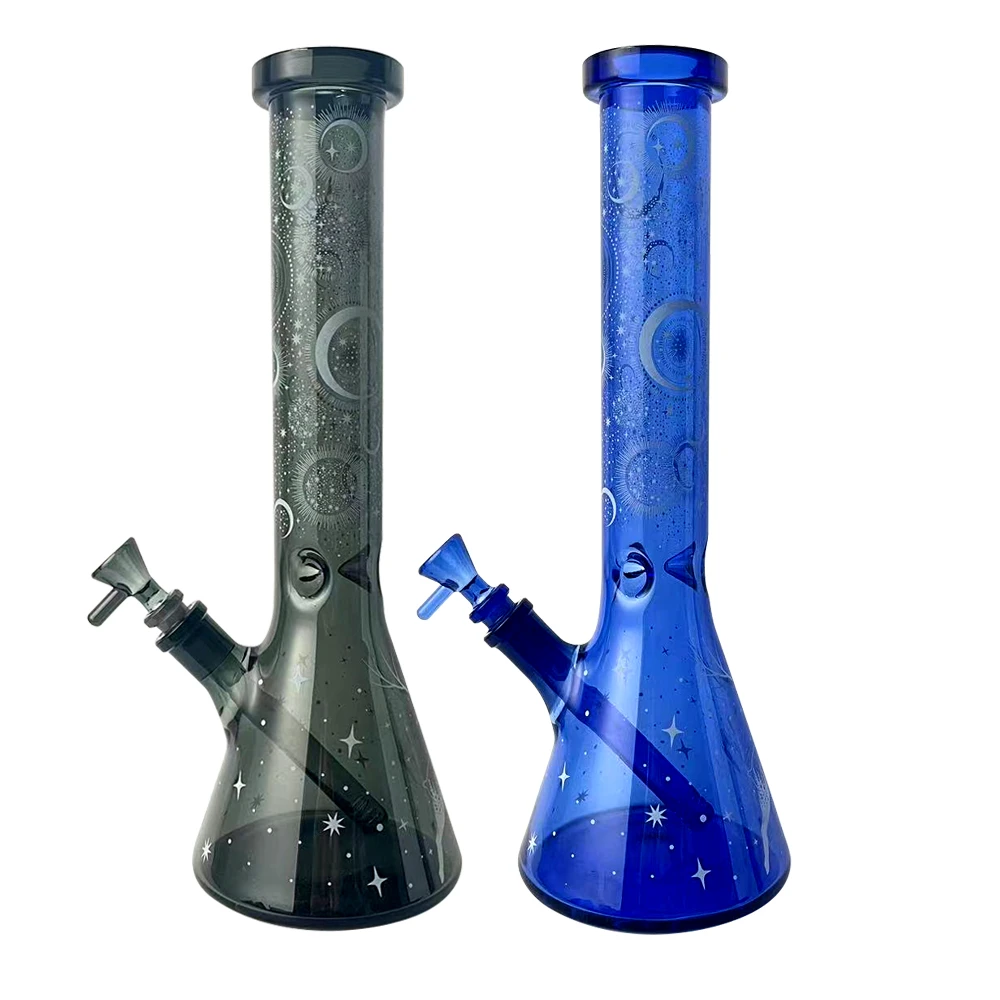
Having spent more than a decade in the world of industrial design and equipment manufacturing, I’ve seen a lot of products that rely heavily on both function and form. Oddly enough, bong design fits into this realm surprisingly well. Sure, it’s often discussed in casual circles, but from an engineering perspective, it’s a fascinating blend of fluid mechanics, material science, and ergonomic design – kind of like a small laboratory setup you can hold in your hands.
When I first encountered high-quality glass bongs, I was struck by the craftsmanship—not just the obvious artistic flair but how every curve and chamber affects airflow, filtration, and, frankly, user experience. You’d think it’s a simple tube, but there’s real science behind it, making it much like other industrial equipment designed to perform under very specific parameters.
Materials and Manufacturing: More than meets the eye
Most bongs you’ll find in the market are either made of glass or silicone, but for someone who works with industrial-grade materials daily, glass stands out. Borosilicate glass, in particular, is the gold standard—only because it’s durable, heat-resistant, and non-reactive. Many engineers I know swear by it because it handles thermal stress well, which is crucial when heat is involved.
From a manufacturing perspective, the glass must be expertly shaped and annealed to ensure no weak points that might cause breakage. You can imagine how tough the quality control process can be. Even minor flaws can affect function and durability.
| Specification | Typical Range / Feature |
|---|---|
| Material | Borosilicate glass |
| Height | 6" to 18" (customizable) |
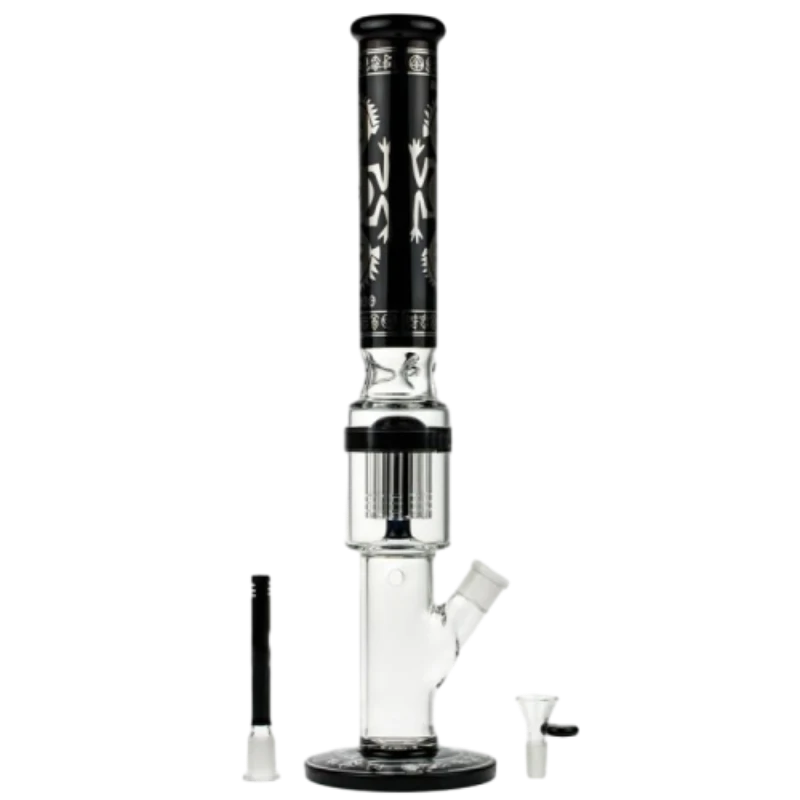
| Chamber Design | Straight tube, beaker, percolator |
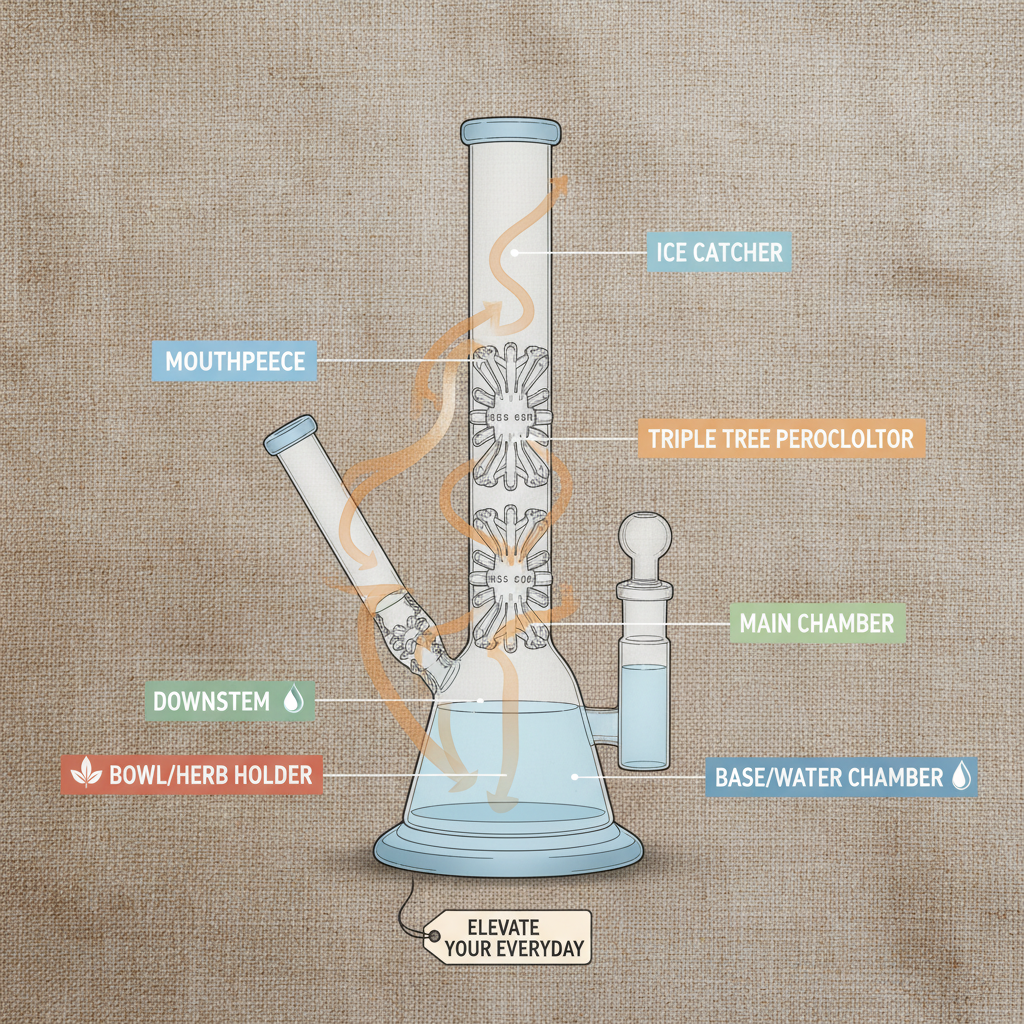
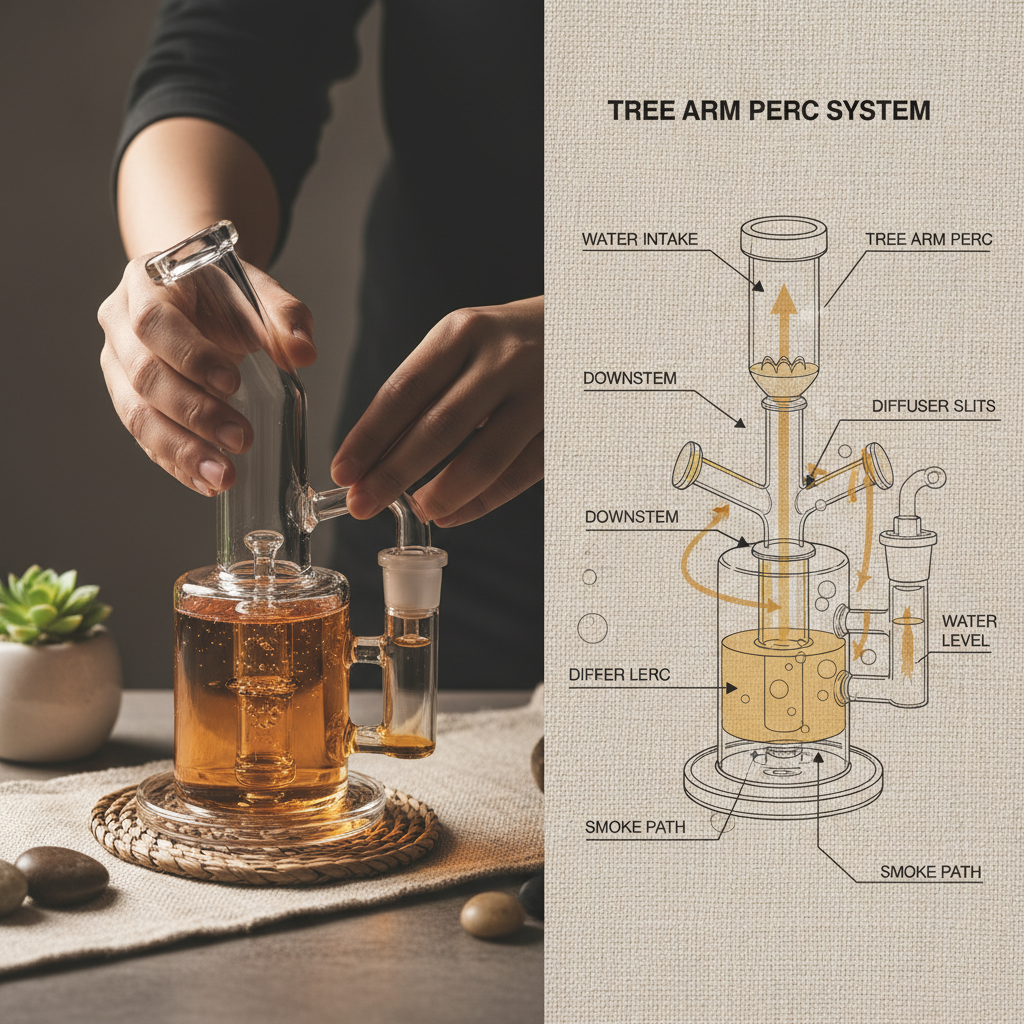
| Filtration Type | Diffused downstem, percolators, ice catchers |
| Weight | 200g to 700g |
| Customization | Colors, logos, accessories |
Industry Vendors: Who measures up?
In my years dealing with various equipment suppliers, I noticed the smoke industry is a bit niche but very competitive. To keep things fair, I compared some key vendors well-known for quality and innovation. By no means is this exhaustive, but it should give you a snapshot of the market.
| Vendor | Material Quality | Price Range | Customization | Innovation |
|---|---|---|---|---|
| DSGlassBong | Premium borosilicate | $$$ | Extensive | High (custom percs & designs) |
| BasicGlassCo | Standard glass | $ | Limited | Low |
| InnovSmoke | High-quality borosilicate | $$ | Moderate | Moderate |
User Experience & Custom Features
Let me share a quick anecdote: a colleague of mine, who was initially skeptical about the ‘bong craze,’ tried out a custom DSGlassBong unit I recommended. He was impressed by the smooth draw and how the percolator genuinely cooled the smoke without harshness. For him, it was a revelation — he noticed the difference that thoughtful design and crisp manufacturing make.
The reality is, many engineers and product designers in this niche focus on optimizing airflow dynamics, heat dissipation, and filtration efficiency. Components like diffused downstems and ice catchers aren’t just aesthetic—they significantly impact performance.
If you’re considering a quality piece (and I suppose you are if you’re reading this), look for strong customer support and a willingness to customize. That’s where vendors like DSGlassBong often shine.
Final thoughts
In real terms, bong design is a neat intersection of form and function—you get artistry with solid engineering. It’s a small-scale piece of industrial equipment, really, with its own challenges and craftsmanship. Whether for personal use or wholesale, understanding the nuances can save you from disappointment.
In the end, picking a well-crafted glass bong feels like choosing a finely tuned machine — smooth, reliable, and just the right fit.
References
- “Borosilicate Glass Characteristics” - Glass Technology Journal, 2022
- Customer feedback compiled from DSGlassBong user surveys, 2023
- Engineering principles of fluid dynamics – Industrial Handbook, 2019