Understanding Different bong types: A seasoned perspective
Having spent over a decade dabbling in the industrial equipment sector—yes, that includes some unexpectedly intricate glass apparatus—I’ve come across my fair share of bongs in various forms and designs. Oddly enough, these devices, while often overlooked in the broader industrial context, showcase some fascinating engineering and material choices. Frankly, I wasn’t expecting to become somewhat of an aficionado!
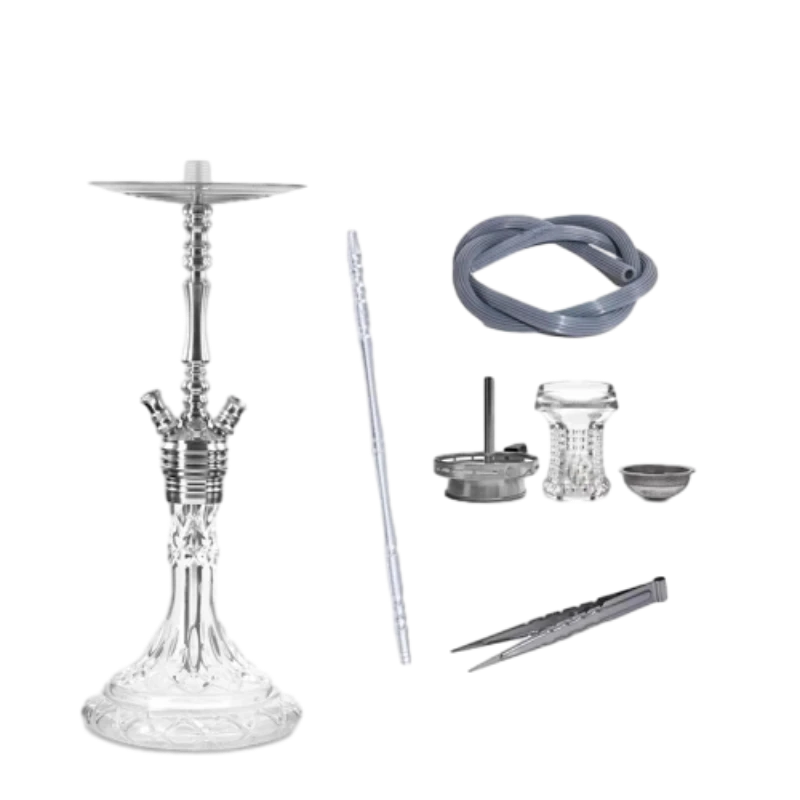
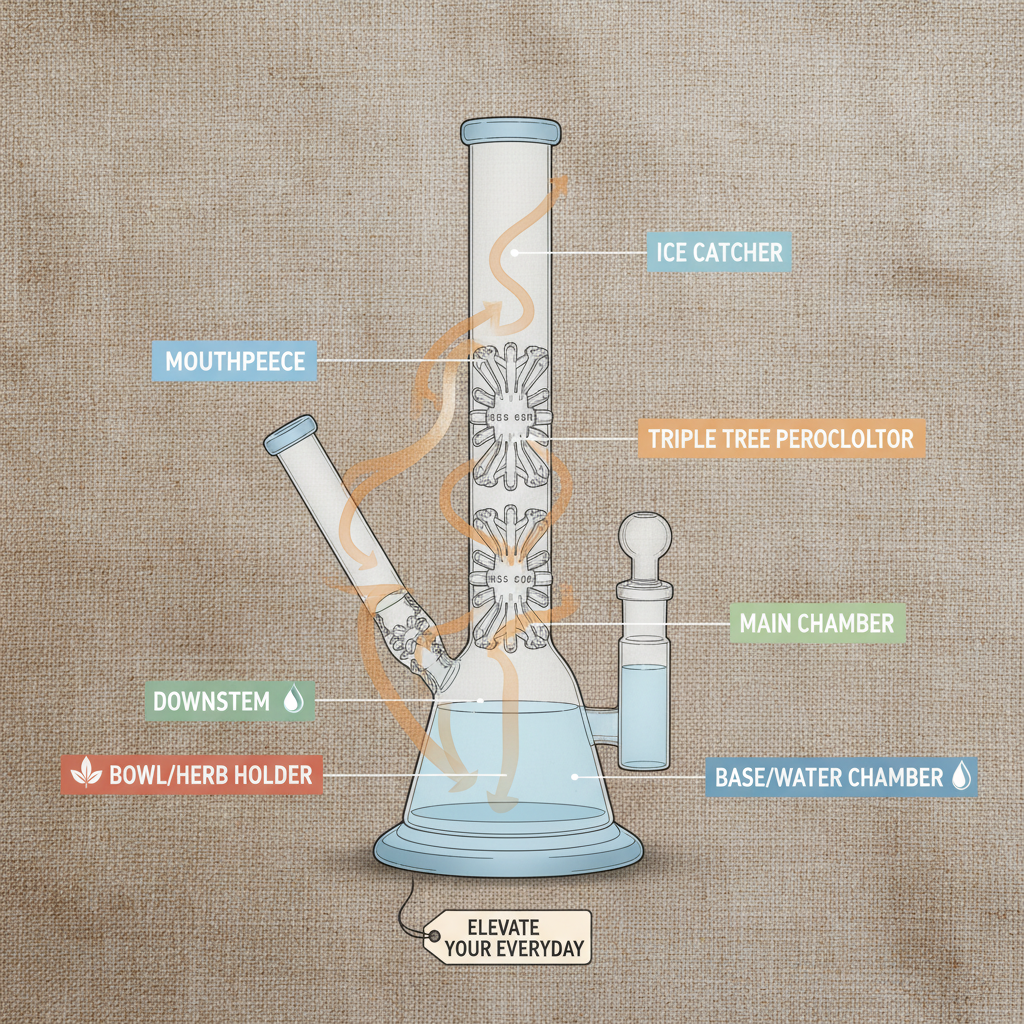
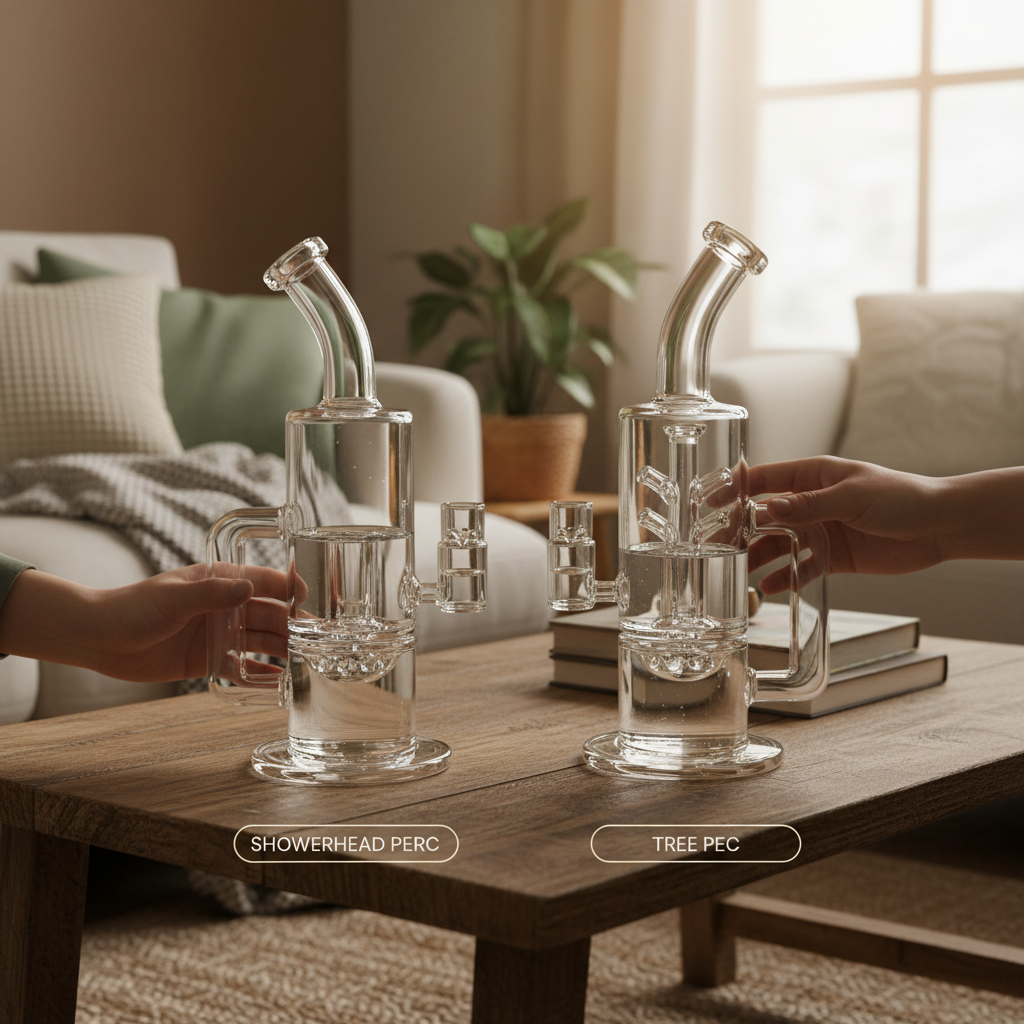
So, why should you care about bong types beyond the usual "water pipe" label? Well, it’s all about the function and user experience, kind of like industrial equipment: design tweaks can significantly change performance and comfort. Whether it’s the material quality, shape, or percolator type, each element plays a vital role.
Materials & Design – The Backbone of Quality
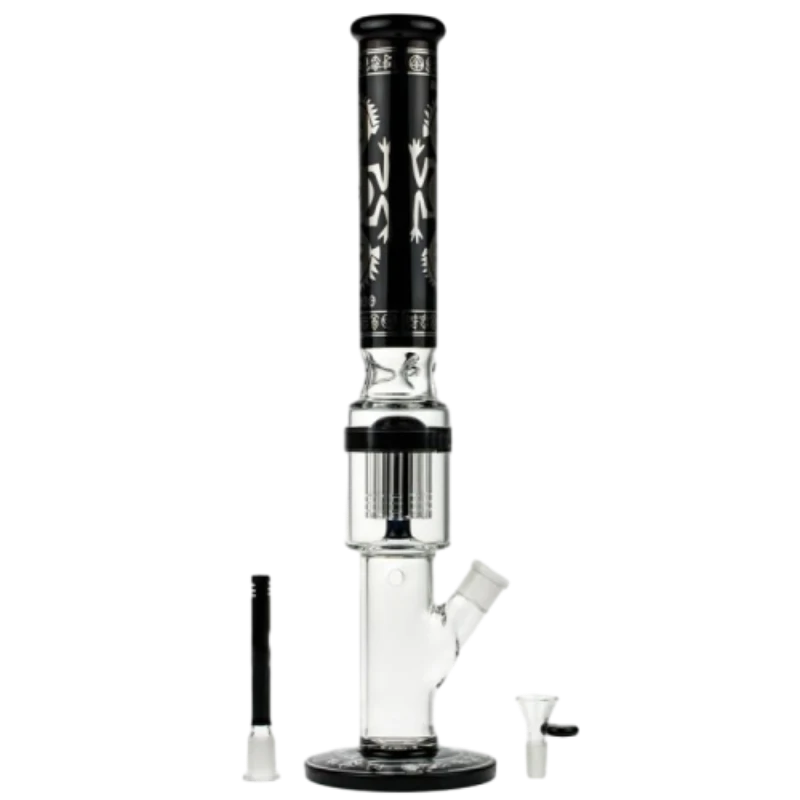
Most high-grade bongs out there today lean heavily on borosilicate glass. If you’re not familiar, this type of glass is a workhorse in labs and industry for its durability and thermal resistance. I’ve seen firsthand how standard soda-lime glass just won't cut it for lasting use—it’s more prone to cracks and quirks. Borosilicate keeps the cool flow smooth and the structure intact, even after heavy use.
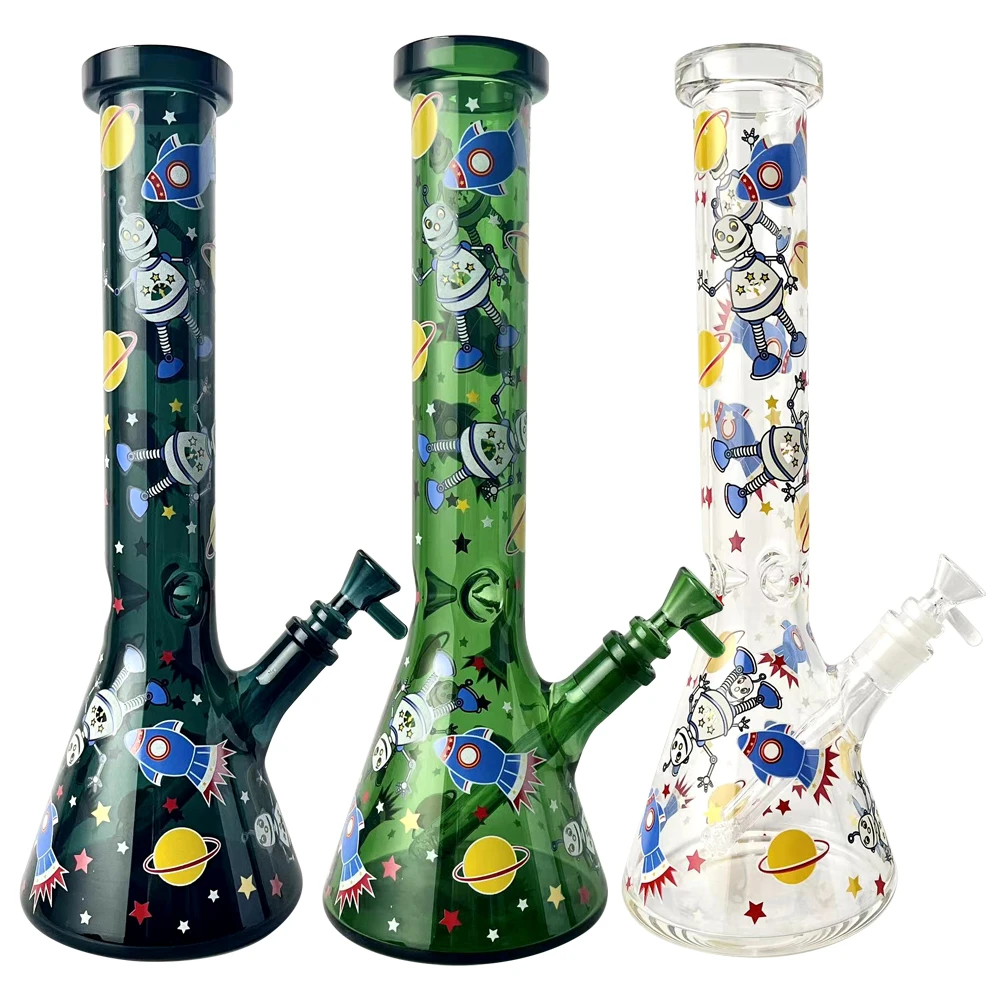
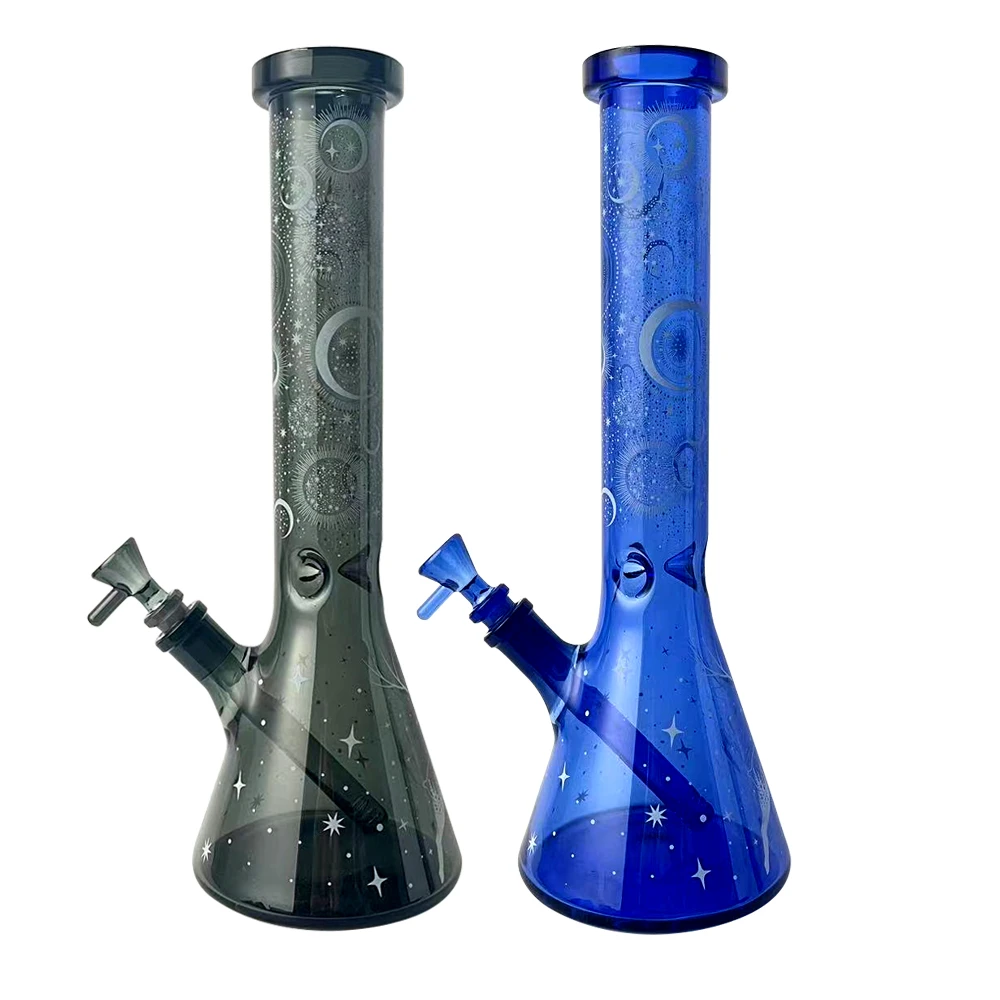
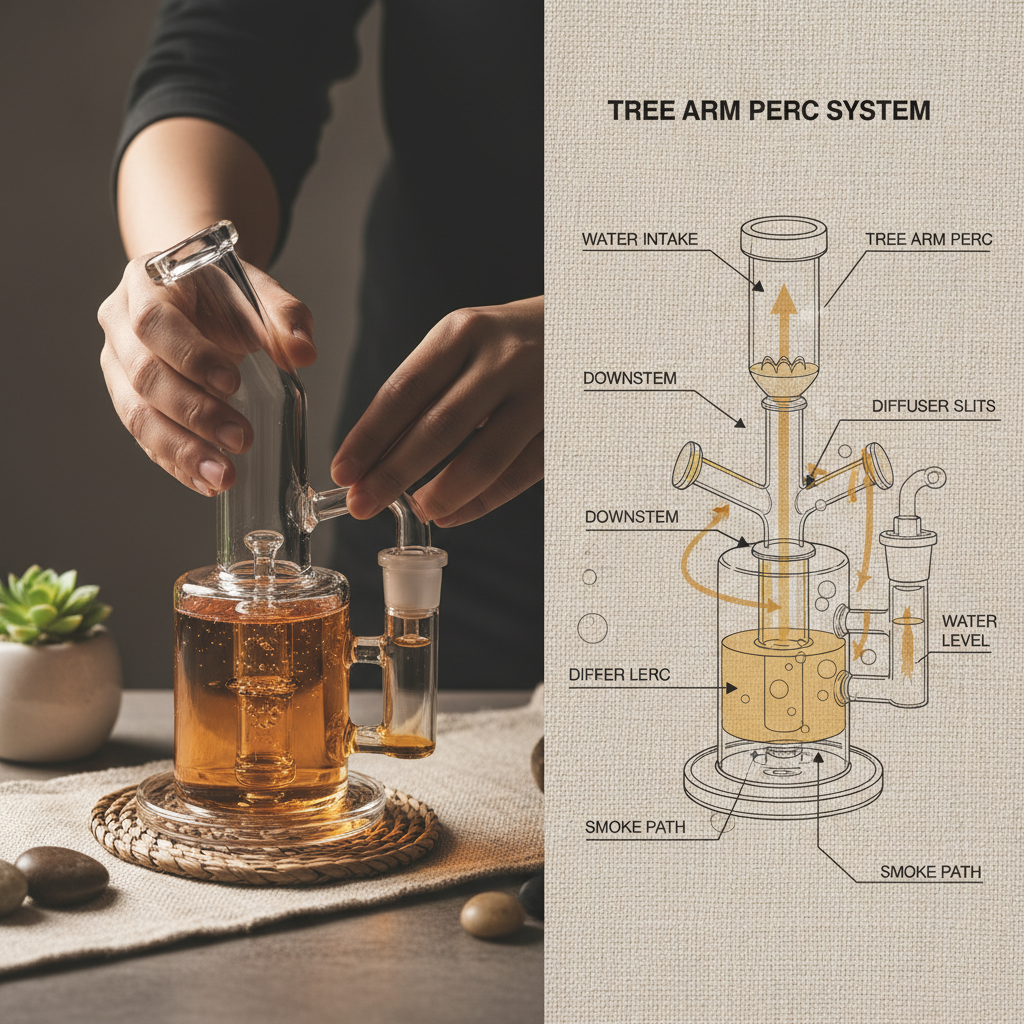
Beyond glass, some bongs integrate silicone sleeves or ash catchers—sort of like the shock absorbers in machinery—to enhance grip and filtration. The shapes also vary: beaker base, straight tube, recycler style, each influencing water volume and cooling time. Personally, I find the recycler models intriguing; they recycle water while filtering, kind of a neat bit of continuous flow engineering.
Product Specs of a Popular Borosilicate Bong
| Specification | Detail |
|---|---|
| Material | Borosilicate glass (7mm thick) |
| Height | 12 inches (30 cm) |
| Base Type | Beaker |
| Percolator | Honeycomb for smooth filtration |
| Joint Size | 14mm male, 45° angle |
| Additional Features | Silicone sleeve & splash guard |
Vendor Showdown: Top Bong Manufacturers
In my experience, not all suppliers are created equal. Let’s glance at how some leading vendors stack up in terms of quality, innovation, and customer service—these are crucial factors, not just the sticker price.
| Vendor | Material Quality | Range of Designs | Customer Support | Price Level |
|---|---|---|---|---|
| DS Glass Bong | Premium borosilicate, 7mm | Classic & modern designs | Responsive & helpful | Mid-range |
| ClearBong Co. | Standard glass, 5mm | Limited styles | Average | Budget |
| GlassPro Experts | High-grade borosilicate, 6mm | Wide variety including recyclers | Good, but slow response | Higher-end |
A Quick Story from the Field
I remember a client who was initially skeptical about investing in a “premium” bong. After some convincing about the durability and smoother experience thanks to superior percolators, they returned with glowing feedback—said it felt like the difference between a vintage manual lathe and a brand-new CNC machine. I suppose that perfectly sums up why design and quality truly matter.
Wrapping it Up
Ultimately, understanding bong types goes beyond just shapes and sizes; it's a blend of materials science, thoughtful engineering, and user preference. Whether you’re an experienced connoisseur or just curious, investing a bit of time in exploring options can vastly improve your enjoyment.
Thanks for sticking through my little dive into this niche but surprisingly fascinating topic. If you’re looking to buy or learn more, check out reputable suppliers who emphasize quality—and don’t forget, a good bong is kind of like good equipment: it’s built to last.
References:
- Borosilicate Glass Properties - Industrial Standards Journal, 2022
- Customer Feedback Case Study - DS Glass Bong Internal Reports
- Material Durability Tests - Glass Equipment Review, 2023