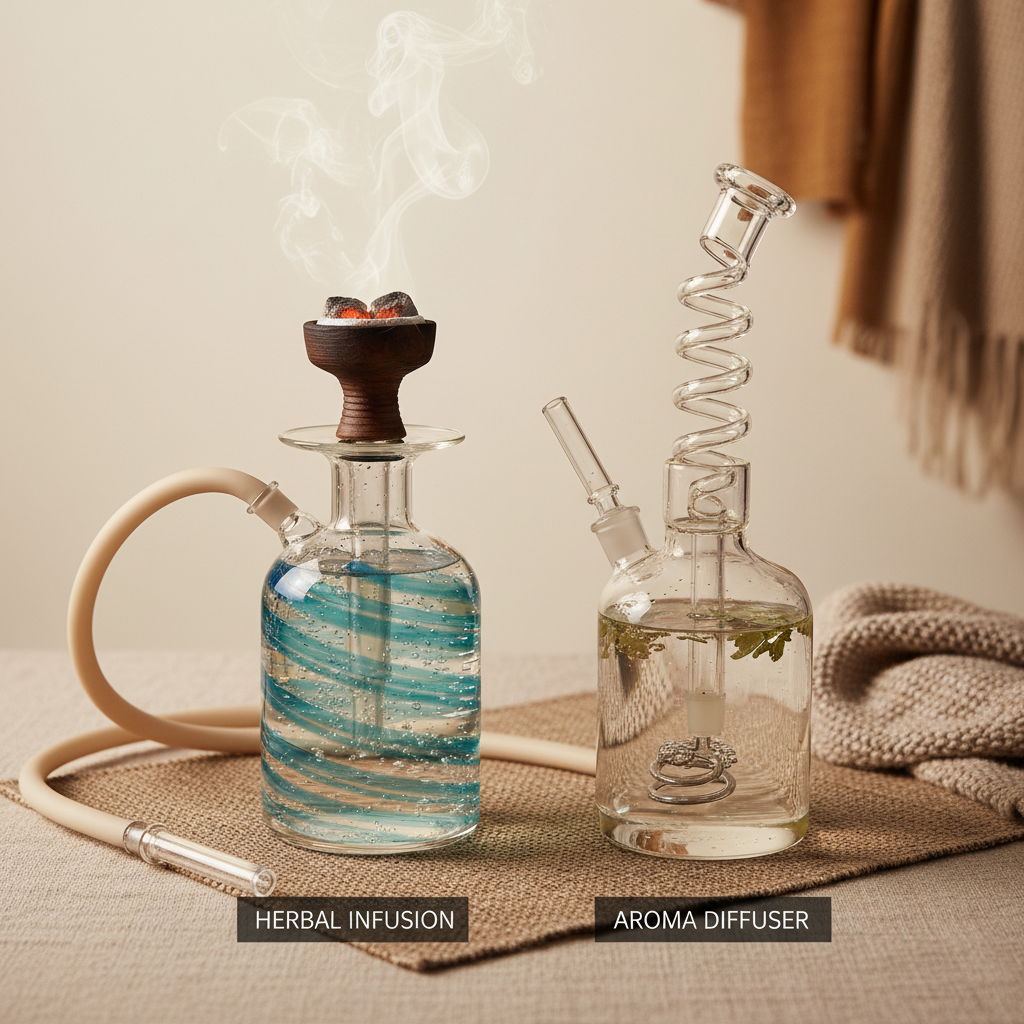
Smoking pipe glass, a seemingly simple material, holds a significant place in both functional artistry and scientific application. Globally, the demand for specialized glass products, including those used in smoking apparatus, reflects evolving cultural practices and increased attention to product quality and safety. The precision manufacturing of smoking pipe glass requires specialized techniques and a deep understanding of material science, contributing to a niche but thriving industry.
The importance of high-quality smoking pipe glass extends beyond recreational use. Its durability, inertness, and ability to withstand high temperatures make it valuable in laboratory settings for various experiments. Furthermore, the demand for customized designs drives innovation within the glassblowing community, showcasing the versatility of this material. This intersection of art, science, and consumer demand makes smoking pipe glass a fascinating subject for exploration.
Understanding the properties and manufacturing processes behind smoking pipe glass is crucial for both consumers seeking safe, reliable products and manufacturers aiming to meet evolving market needs. From traditional hand-blown techniques to modern automated processes, the production of smoking pipe glass continues to adapt and refine, pushing the boundaries of what's possible with this versatile material.
The Global Landscape of Smoking Pipe Glass
The global market for smoking pipe glass is a dynamic one, influenced by shifting consumer preferences and regulations surrounding tobacco and alternative smoking materials. According to recent industry reports, the demand for artisan-crafted glass pieces, particularly in North America and Europe, has experienced consistent growth. This growth is driven by an increasing appreciation for quality craftsmanship and unique designs.
Countries like China, known for its advanced glass manufacturing capabilities, are key players in the production and export of smoking pipe glass components and finished products. The United Nations Comtrade database reveals significant trade volumes of glass products, including those applicable to smoking apparatus, demonstrating the global interconnectedness of this industry. The inherent challenges lie in maintaining ethical sourcing and production standards amidst varying international regulations.
Defining Smoking Pipe Glass: A Comprehensive Overview
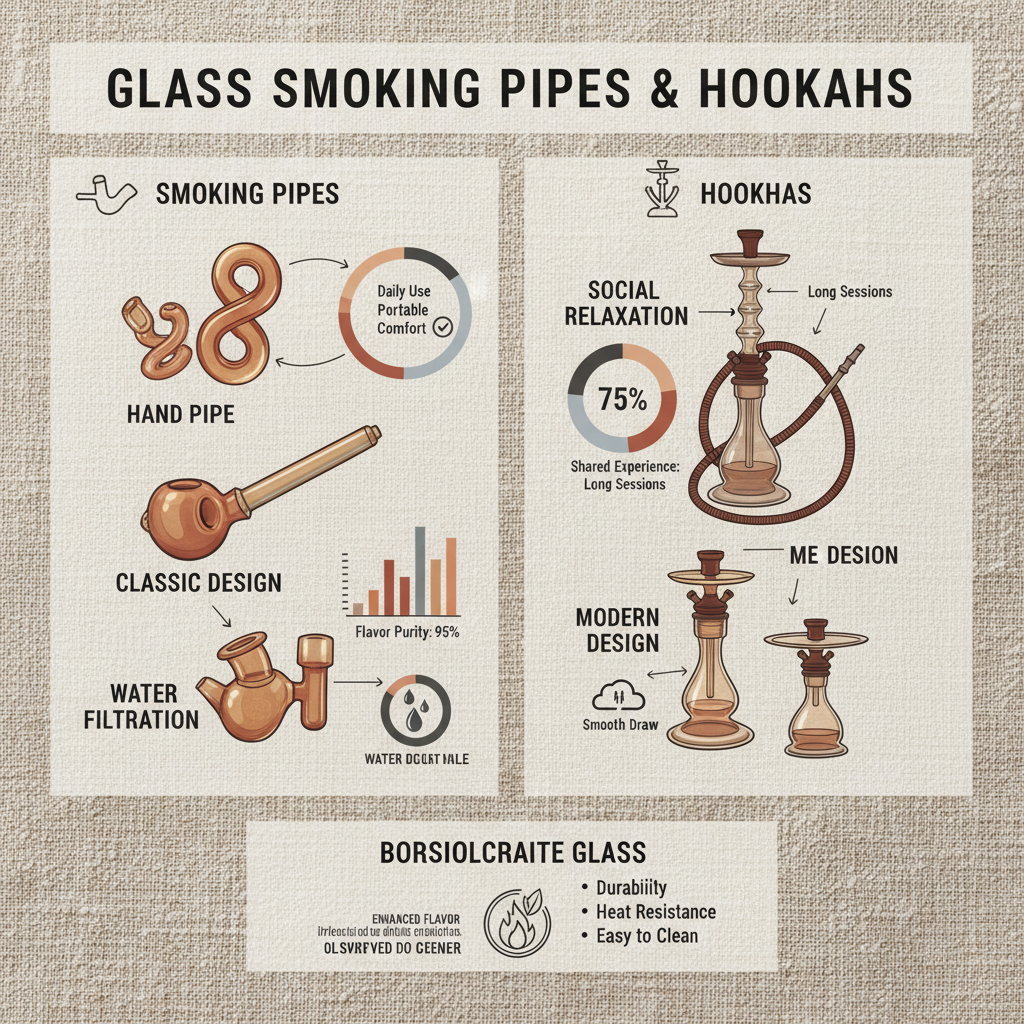
Smoking pipe glass, at its core, is a specialized form of silica-based glass engineered to withstand high temperatures, resist cracking, and remain chemically inert. Unlike standard glass used for windows or containers, smoking pipe glass often incorporates additives like borosilicate or soda-lime to enhance its durability and thermal shock resistance. The type of glass used significantly impacts the quality and longevity of the final product.
Its connection to modern industry goes beyond the realm of recreational use. The same properties that make it suitable for smoking apparatus – heat resistance, chemical inertness, and precise shaping – are also valuable in scientific laboratories for creating intricate glassware, especially in fields like chemistry and biology. smoking pipe glass’s versatility bridges artistic expression with practical application.
Understanding the composition and manufacturing process is essential. Different types of glass offer varying levels of resistance and aesthetic possibilities. The selection of the appropriate glass is the first critical step in creating a functional and visually appealing smoking pipe.
Key Material Properties of Smoking Pipe Glass
Durability is paramount when it comes to smoking pipe glass. The glass must be able to withstand repeated heating and cooling cycles without cracking or breaking. Borosilicate glass, known for its low coefficient of thermal expansion, is often favored for its superior resistance to thermal shock, making it ideal for demanding applications.
Chemical Inertness is another crucial property. Smoking pipe glass should not react with the substances being smoked, ensuring a clean and unaltered flavor profile. Silica glass, being highly inert, prevents unwanted chemical interactions and maintains the purity of the experience. smoking pipe glass demands a purity that ensures the user's experience is uncompromised.
Transparency and Clarity allow for visual inspection and enhance the aesthetic appeal. High-quality smoking pipe glass exhibits exceptional clarity, showcasing the artistry of the glassblower and providing a visually pleasing experience. This clarity also allows users to monitor the condition of the glass for any signs of damage.
Manufacturing Techniques for Superior Smoking Pipe Glass
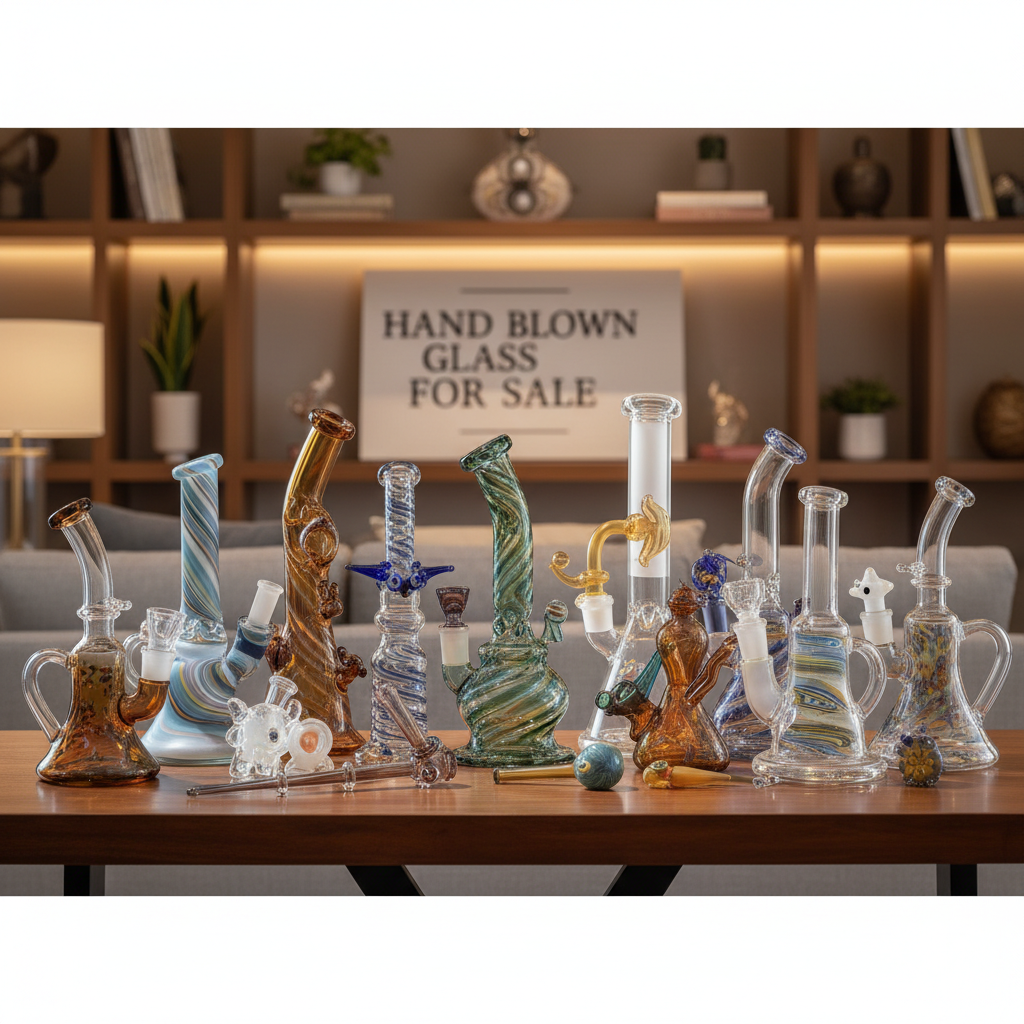
Hand-blowing remains a cornerstone of smoking pipe glass production, allowing for intricate designs and customization. Skilled glassblowers utilize traditional techniques, manipulating molten glass with tools to create unique shapes and patterns. This artisanal approach is valued for its artistry and attention to detail.
Automated manufacturing processes, while less versatile, offer greater efficiency and consistency. Machine-blown glass is often used for mass-produced components and simpler designs. Modern automated techniques, like robotic glass forming, are continuously improving in precision and capabilities.
Comparison of Smoking Pipe Glass Manufacturing Methods
Global Applications and Market Trends for Smoking Pipe Glass
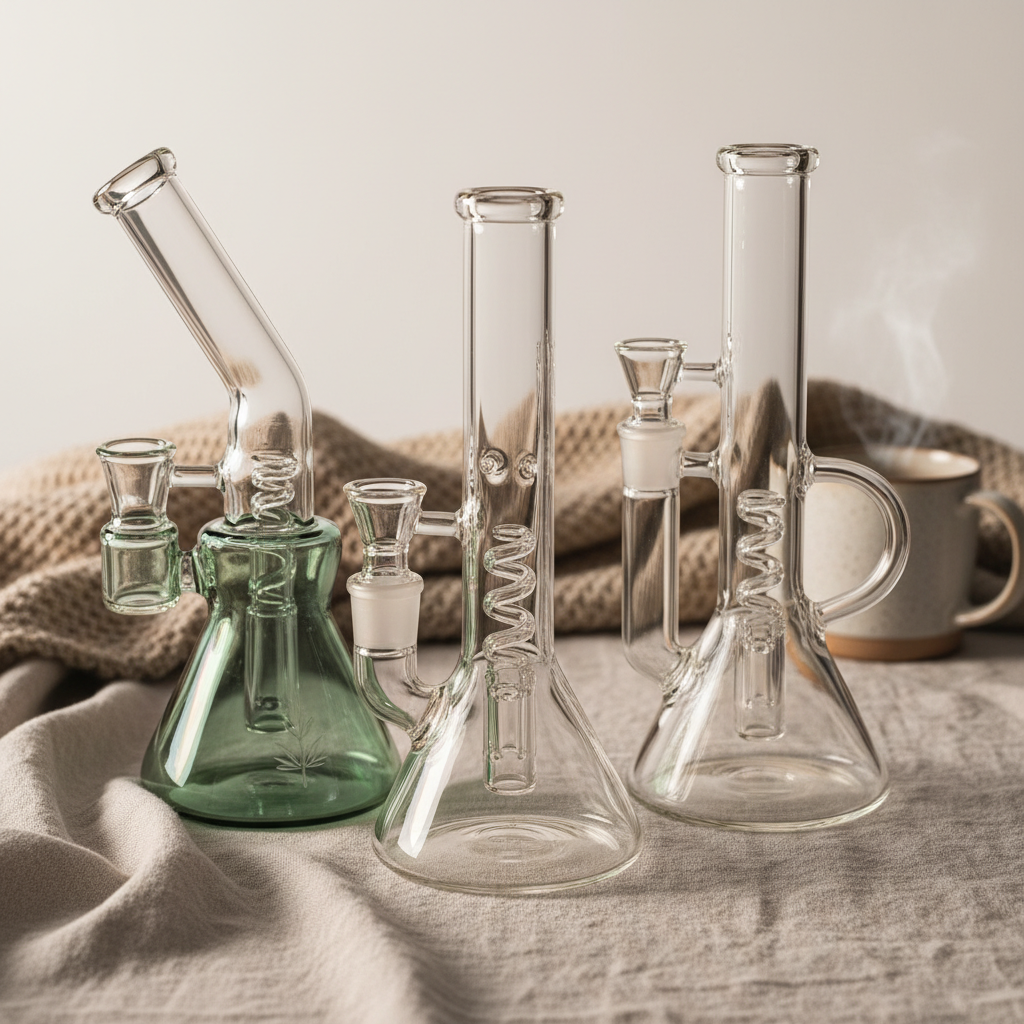
The primary application of smoking pipe glass remains in the production of various smoking devices, including bongs, pipes, and water bubblers. The demand is geographically concentrated in regions with more relaxed regulations surrounding cannabis and tobacco use, such as certain parts of North America and Europe.
Beyond recreational use, smoking pipe glass is increasingly utilized in scientific and industrial settings. Its chemical inertness and thermal stability make it suitable for laboratory glassware, analytical instruments, and specialized equipment where precision and reliability are critical. smoking pipe glass is highly valued in laboratory equipment.
Advantages and Long-Term Value of High-Quality Smoking Pipe Glass
Investing in high-quality smoking pipe glass translates to enhanced durability and a longer lifespan. Superior materials and meticulous craftsmanship minimize the risk of breakage and ensure consistent performance over time, ultimately saving consumers money in the long run.
From an environmental perspective, durable products contribute to reduced waste. A well-made smoking pipe glass piece, with proper care, can last for years, minimizing the need for frequent replacements and reducing landfill waste. This aligns with growing consumer demand for sustainable and ethically sourced products.
The aesthetic appeal of hand-blown glass adds significant value, transforming a functional item into a work of art. The unique designs and intricate patterns enhance the overall user experience and contribute to a sense of personal expression.
Future Innovations in Smoking Pipe Glass Technology
Research and development are focused on creating even more durable and heat-resistant glass compositions. New materials, like advanced ceramics and specialized silica blends, are being explored to enhance the performance characteristics of smoking pipe glass.
Digital fabrication techniques, such as 3D glass printing, hold immense potential for creating complex and customized designs. This technology could revolutionize the manufacturing process, enabling rapid prototyping and personalized production on a scale previously unimaginable.
The integration of smart technology, such as temperature sensors and micro-controllers, could enhance the functionality of smoking pipe glass devices, providing users with real-time feedback and personalized control over their experience.
Summary of Key Challenges and Potential Solutions in Smoking Pipe Glass Manufacturing
| Challenge |
Impact on Product Quality |
Potential Solution |
Implementation Cost (1-10) |
| Thermal Shock Resistance |
Cracking and breakage during use. |
Utilize borosilicate glass with a lower coefficient of thermal expansion. |
6 |
| Material Purity |
Off-flavors and potential health risks. |
Implement rigorous quality control measures for raw materials. |
7 |
| Manufacturing Consistency |
Variations in wall thickness and shape. |
Employ automated manufacturing processes or advanced mold designs. |
8 |
| Design Complexity |
Limitations in achieving intricate designs. |
Explore 3D glass printing technology. |
9 |
| Surface Finish |
Roughness or imperfections impacting aesthetics. |
Implement polishing and finishing processes. |
4 |
| Cost of Materials |
High material costs impacting profitability. |
Optimize material sourcing and explore alternative glass compositions. |
5 |
FAQS
Borosilicate glass, often referred to as Pyrex, boasts a significantly lower coefficient of thermal expansion compared to soda-lime glass. This means it’s much more resistant to cracking when subjected to rapid temperature changes – a crucial property for smoking pipes. Soda-lime glass is more affordable but less durable and prone to shattering with temperature fluctuations, making borosilicate the preferred choice for high-quality pieces.
Regular cleaning is essential for preserving the performance and longevity of your smoking pipe glass. Use a specialized glass cleaning solution, or a mixture of isopropyl alcohol and coarse salt. Gently shake the solution inside the pipe, ensuring it reaches all crevices. Rinse thoroughly with warm water and allow it to air dry completely before use. Avoid abrasive cleaners that could scratch the glass.
Not necessarily. Hand-blown glass offers greater artistic freedom and allows for unique, customized designs. However, machine-blown glass provides consistent quality and is often more affordable. The "superiority" depends on your priorities – artistry and uniqueness versus cost and consistency. Both can be excellent depending on the manufacturing standards.
A cracked smoking pipe glass piece is unsafe to use. Discontinue use immediately to prevent injury from sharp edges or potential shattering. Dispose of the cracked glass responsibly, following local regulations for glass waste. Do not attempt to repair it with adhesives, as this can release harmful fumes when heated.
Generally, thicker glass provides greater durability and resistance to cracking. Thicker walls can better withstand thermal stress and impact. However, excessively thick glass can also increase the weight and reduce aesthetic appeal. The optimal thickness depends on the design and intended use of the smoking pipe glass piece.
While traditional silica-based glass is durable, it's energy-intensive to produce. Research is ongoing into utilizing recycled glass in manufacturing, reducing the environmental impact. Additionally, some manufacturers are exploring alternative materials with lower carbon footprints, but these are still in the early stages of development.
Conclusion
In conclusion, smoking pipe glass represents a fascinating intersection of artistry, science, and consumer demand. Its unique properties – durability, chemical inertness, and heat resistance – make it invaluable not only for its traditional applications but also in various scientific and industrial fields. Understanding the nuances of its manufacturing processes, material composition, and emerging innovations is critical for both consumers and professionals alike.
Looking ahead, advancements in materials science and manufacturing techniques promise to further enhance the quality and versatility of smoking pipe glass. By embracing sustainable practices and fostering innovation, we can ensure that this material continues to thrive as a cornerstone of both artistic expression and practical application. For exceptional smoking pipe glass products, visit our website today!