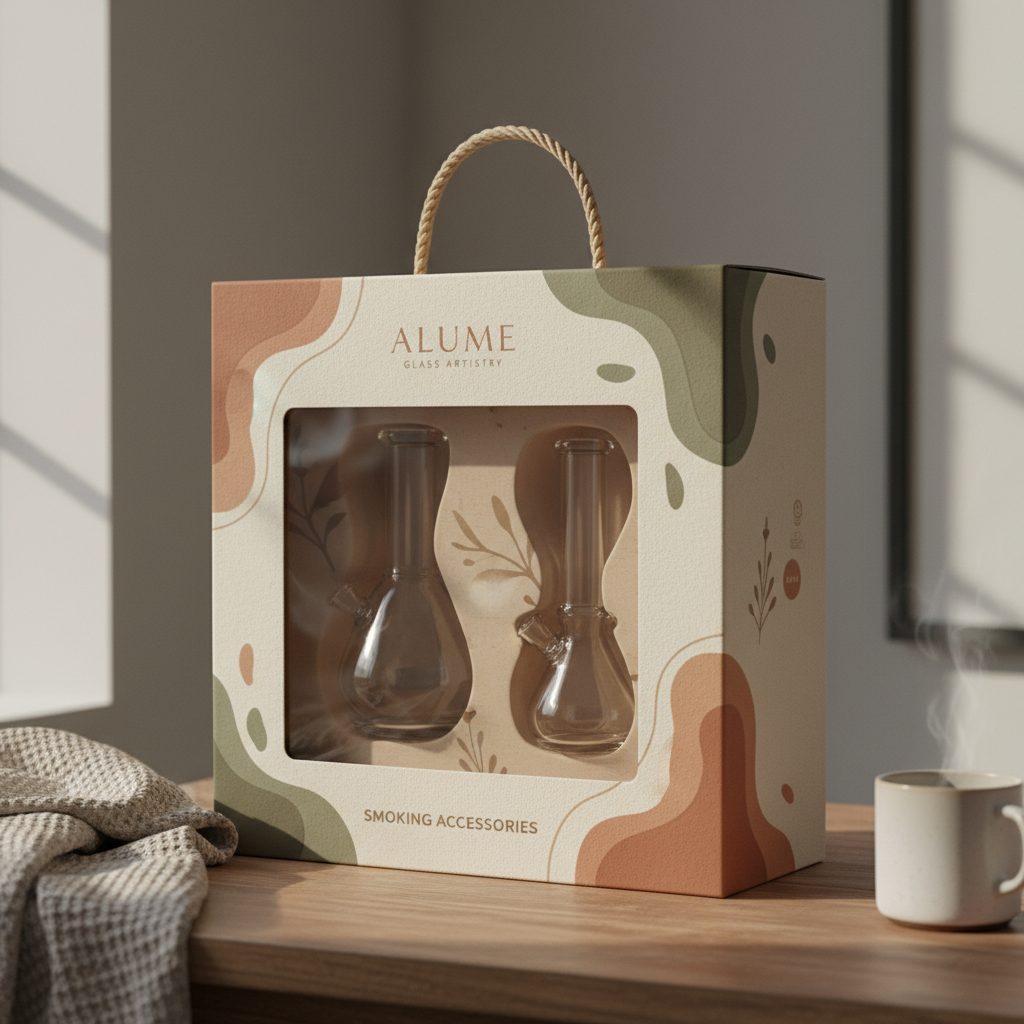
Finding high-quality yet cheap glass bongs has become a primary focus for consumers seeking a balance between affordability and functional excellence. In the modern glasswork industry, the challenge is no longer just about creating a vessel, but about optimizing manufacturing processes to reduce costs without compromising the thermal resistance or structural integrity of the borosilicate glass.
The global market for smoking accessories has seen a significant shift toward accessibility, where the demand for budget-friendly options drives innovation in automated blowing and precision molding. By understanding the nuances of glass grades and production scales, users can identify cheap glass bongs that offer professional-grade performance without the premium artisan price tag.
Whether you are a first-time buyer or a seasoned collector, navigating the landscape of affordable glassware requires an eye for detail regarding wall thickness and joint precision. This guide explores how the industry achieves cost-efficiency and how you can select the best value options in the current market.
Understanding the Value of Cheap Glass Bongs
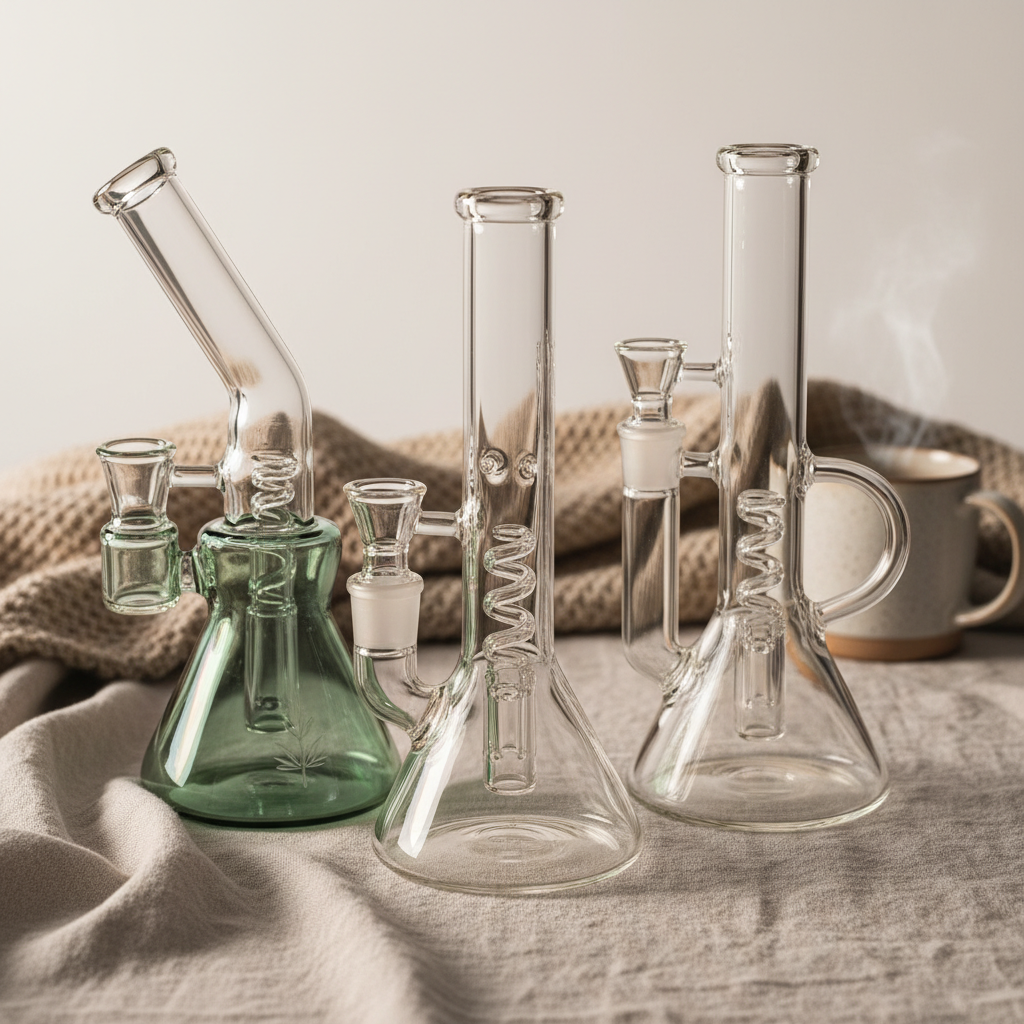
The term "cheap" in the context of cheap glass bongs does not necessarily imply a lack of quality, but rather a streamlining of the production process. By utilizing standardized molds and high-efficiency kilns, manufacturers can produce consistent shapes that reduce labor costs, passing those savings directly to the consumer.
For many, these accessible options provide an entry point into the hobby, allowing users to experiment with different heights and percolation styles without a massive financial investment. The value lies in the democratization of quality glass, ensuring that safety and functionality are available to all budget levels.
Material Science and Cost Efficiency
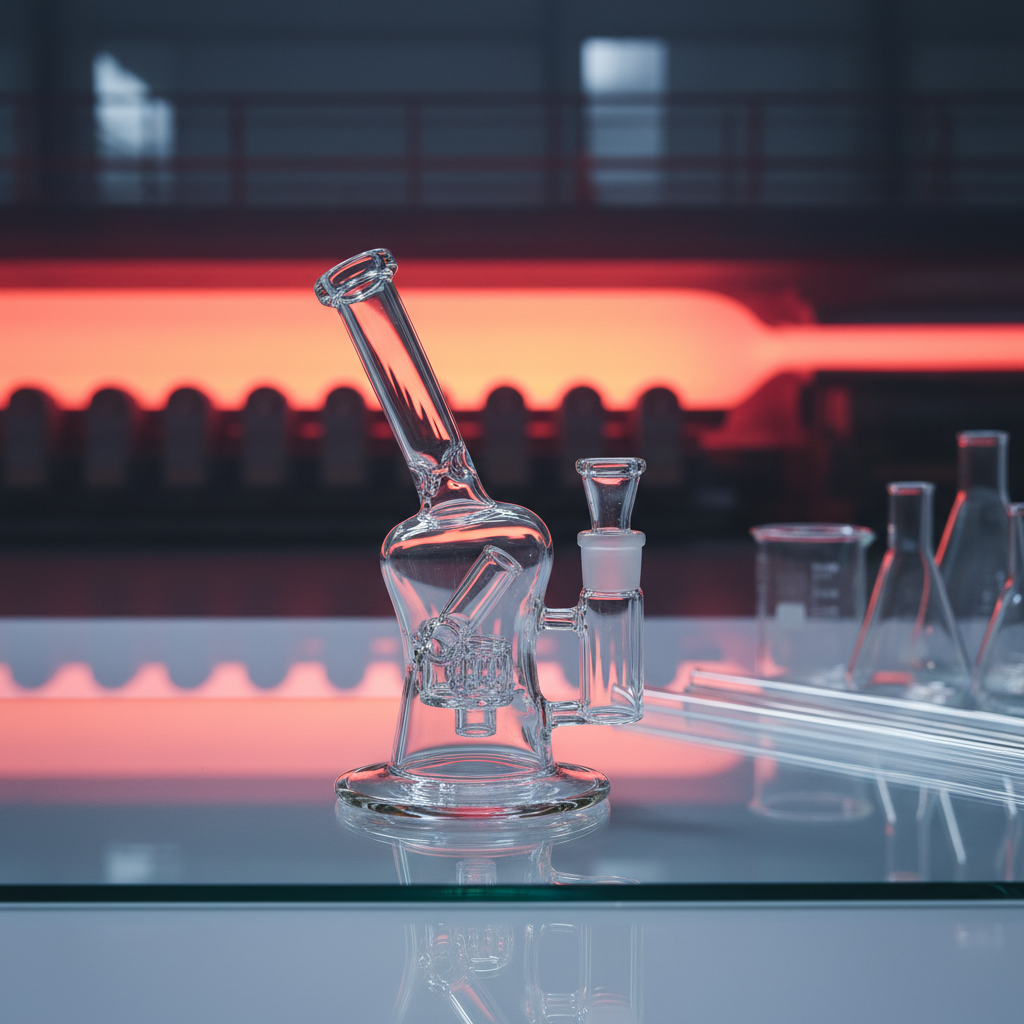
The primary driver behind the availability of cheap glass bongs is the widespread use of borosilicate glass. This material is prized for its low coefficient of thermal expansion, meaning it can withstand rapid temperature changes without cracking. By sourcing this material in bulk, factories can maintain a low cost-per-unit.
Efficiency is further enhanced through the implementation of semi-automated glass blowing. While artisan pieces are hand-blown and unique, budget-friendly pieces utilize precise templates. This ensures that the joint sizes—such as 14mm or 18mm—are perfectly uniform, making them compatible with a wide range of accessories.
Furthermore, the reduction of ornate, non-functional decorations helps keep the price point low. By focusing on the "core" geometry—the base, the neck, and the downstem—manufacturers create a reliable product that prioritizes the user's experience over aesthetic extravagance.
Key Factors in Selecting Affordable Glassware
When shopping for cheap glass bongs, the first thing to evaluate is the thickness of the glass. A thicker base provides better stability and reduces the likelihood of tipping, which is a common cause of breakage in lower-cost models.
Another critical aspect is the quality of the seals. Even with cheap glass bongs, a precise fit between the bowl and the downstem is essential for an airtight draw, ensuring that no smoke escapes and the filtration remains efficient.
Lastly, consider the ease of cleaning. Simple designs with fewer complex chambers are not only cheaper to produce but are significantly easier to maintain, extending the lifespan of your investment.
Performance Comparison of Budget Models
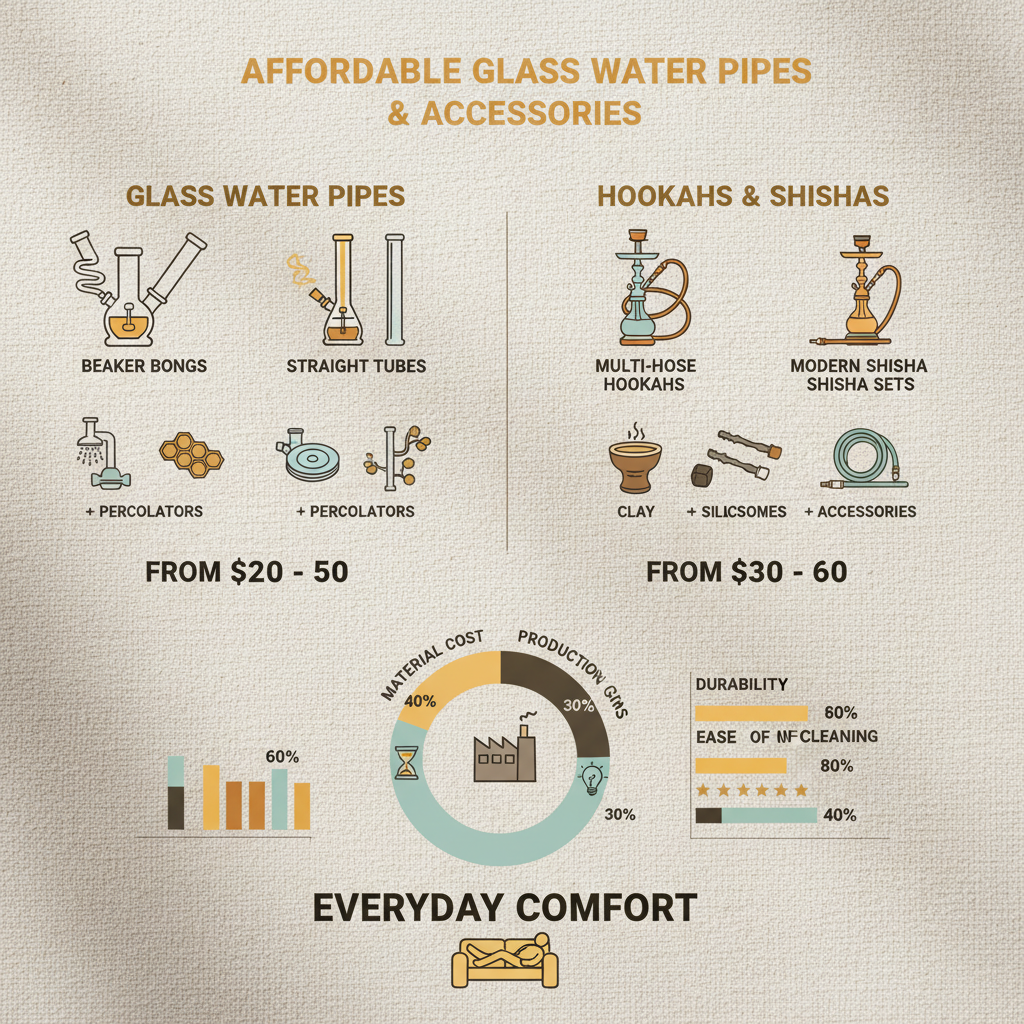
Comparing different styles of cheap glass bongs reveals that specific designs offer better value than others. For instance, straight tubes are typically more durable and cheaper than beaker bases, while honeycombs provide superior filtration at a slightly higher budget point.
By analyzing the airflow and cooling capacity, we can determine which budget-friendly configurations deliver the smoothest experience. The following data illustrates how various affordable designs score across key performance metrics.
Performance Metrics for Cheap Glass Bongs
Global Distribution and Market Accessibility
The distribution of cheap glass bongs has been revolutionized by e-commerce and global logistics. By shipping directly from manufacturing hubs in Asia and Europe, retailers can eliminate the middleman, significantly lowering the retail price for the end-user.
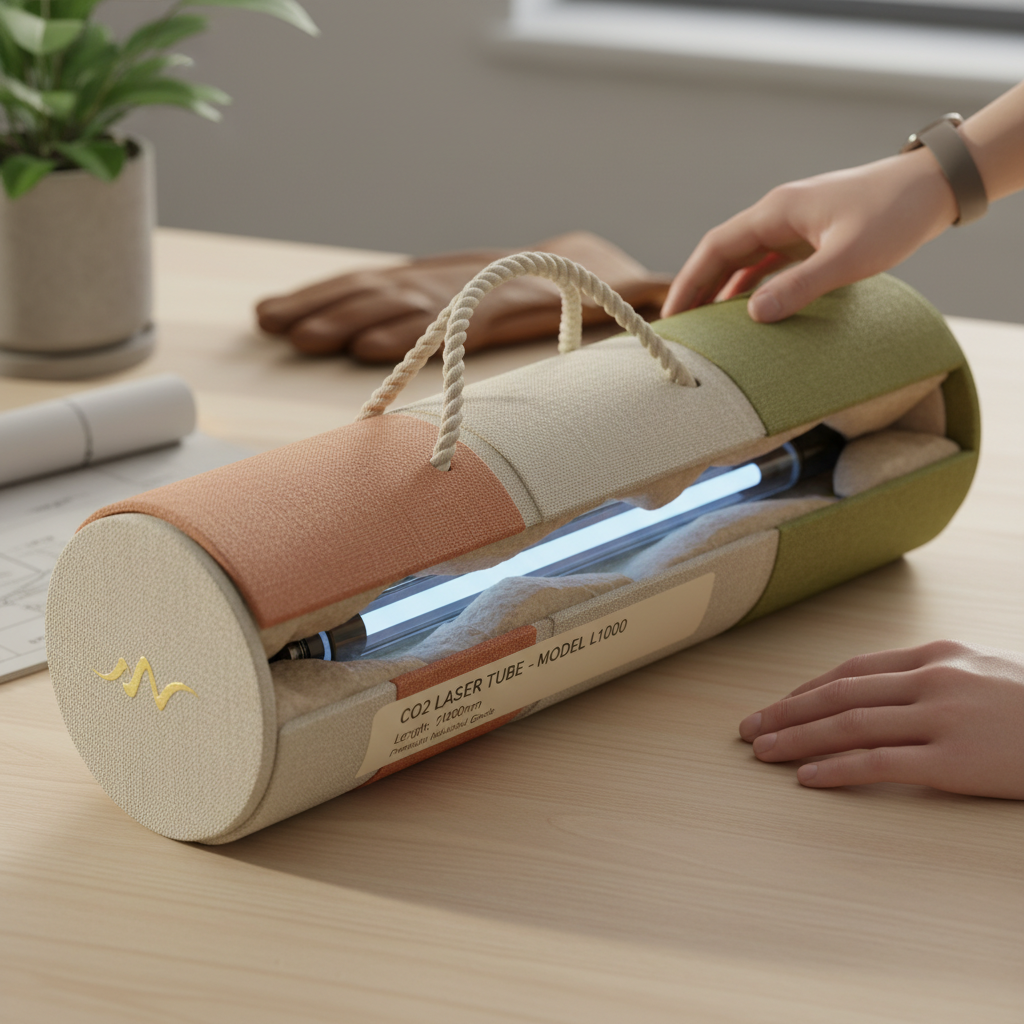
This accessibility allows consumers in various regions to access high-standard borosilicate products that were previously only available in boutique shops. The integration of secure packaging technology also ensures that these affordable pieces arrive intact, regardless of the distance traveled.
Long-term Durability of Low-Cost Glass
A common misconception is that cheap glass bongs are inherently fragile. In reality, the durability of a piece depends more on the annealing process—the slow cooling of glass to relieve internal stresses—than on the price of the item.
Many budget manufacturers employ industrial-grade annealing ovens that provide a more consistent result than some independent artists. This means that a well-made, affordable piece can actually be more resistant to thermal shock than a poorly annealed expensive one.
To maximize the lifespan of your glassware, simple precautions such as using silicone sleeves or placing the piece on a soft surface can mitigate the risks associated with the slightly thinner walls often found in budget-friendly models.
Future Trends in Affordable Glass Fabrication
The future of cheap glass bongs is leaning toward sustainable production and digital design. 3D modeling allows engineers to optimize the airflow of a piece before it ever hits the factory floor, reducing material waste and lowering costs.
We are also seeing a trend toward "modular affordability," where users can buy a basic, cheap glass chassis and upgrade individual components—like the bowl or the percolator—as their budget grows. This hybrid approach blends the cost-savings of mass production with the customization of artisan glass.
Sustainability is also playing a role, with factories implementing closed-loop recycling systems for scrap borosilicate glass, ensuring that the production of affordable glassware remains eco-friendly.
Comparative Analysis of Budget Glass Production Methods
|
Production Method
|
Cost Level
|
Durability Score
|
Market Availability
|
|
Standard Molded
|
Very Low
|
7/10
|
High
|
|
Semi-Automated
|
Low
|
8/10
|
Very High
|
|
Batch-Processed
|
Moderate-Low
|
8/10
|
Moderate
|
|
Modular Assembly
|
Low
|
9/10
|
Growing
|
|
Recycled Borosilicate
|
Very Low
|
6/10
|
Low
|
|
Precision Cast
|
Moderate
|
10/10
|
Moderate
|
FAQS
Yes, provided they are made from genuine borosilicate glass. Safety in glassware is primarily about the material's purity and the annealing process. Most reputable budget manufacturers use standard industrial borosilicate, which is chemically inert and heat-resistant, making them just as safe as high-end alternatives.
Look for clarity and the absence of bubbles or "seeds" in the glass walls. Check the thickness of the base and ensure the joints are smooth and fit snugly. If the glass has a slight blue or green tint, it may be soda-lime glass, which is less durable than the clear borosilicate typically found in quality cheap glass bongs.
Not necessarily. While some budget models have thinner walls to save on material, many are designed with simple, sturdy shapes that are actually more durable than complex, fragile artisan pieces. The key is to avoid overly thin "fashion" glass and stick to functional, thick-walled designs.
Upgrading is generally about aesthetics and advanced filtration (percolation). If you value unique art or a specific, highly-refined smoke experience, a luxury piece is great. However, for daily use, cheap glass bongs often provide 90% of the performance at a fraction of the cost.
Use a mixture of isopropyl alcohol and coarse salt. Gently shake the solution inside the piece to scrub away residue. Avoid using harsh metal scrubbers or boiling water in non-borosilicate glass, as this can cause stress fractures. Regular cleaning prevents buildup that can make the glass more prone to breaking.
The best value is usually found at specialized online wholesalers who source directly from the factory. This removes retail markups. Always check customer reviews for shipping safety and glass thickness to ensure you are getting a durable product.
Conclusion
In summary, the market for cheap glass bongs has evolved into a sophisticated sector where industrial efficiency meets functional design. By prioritizing borosilicate material and simple, robust geometries, manufacturers have made it possible for consumers to own reliable, safe, and effective glassware without spending a fortune. The core value lies in the balance of durability, ease of maintenance, and cost-effectiveness.
As we move forward, the integration of sustainable materials and digital optimization will likely drive prices even lower while increasing quality. For those looking to enter the world of glass or simply seeking a dependable daily driver, investing in a well-reviewed, budget-friendly piece is a logical and satisfying choice. To explore the best options in affordable glassware, visit our website: www.dsglassbong.com