The art of blowing glass bongs represents a sophisticated intersection of traditional craftsmanship and modern borosilicate science. Globally, this practice has evolved from simple utility to a high-end artisanal industry, where precision in temperature control and airflow dynamics determines the quality of the final product. Understanding the nuances of this process is essential for collectors and distributors who seek durability and aesthetic excellence.
From a manufacturing perspective, the global demand for high-quality glassware is driven by a shift toward sustainable, non-toxic materials. The transition from acrylics to heavy-duty glass has highlighted the importance of professional blowing techniques to ensure that structural integrity is not compromised for the sake of design. This evolution ensures that the products can withstand thermal shock and daily wear.
Ultimately, the value of professional blowing glass bongs lies in the balance between form and function. By integrating advanced laboratory-grade glass with artistic vision, manufacturers can create pieces that are not only visually stunning but also highly efficient in their primary purpose, providing a safer and more reliable experience for the end-user.
The Technical Foundations of Blowing Glass Bongs
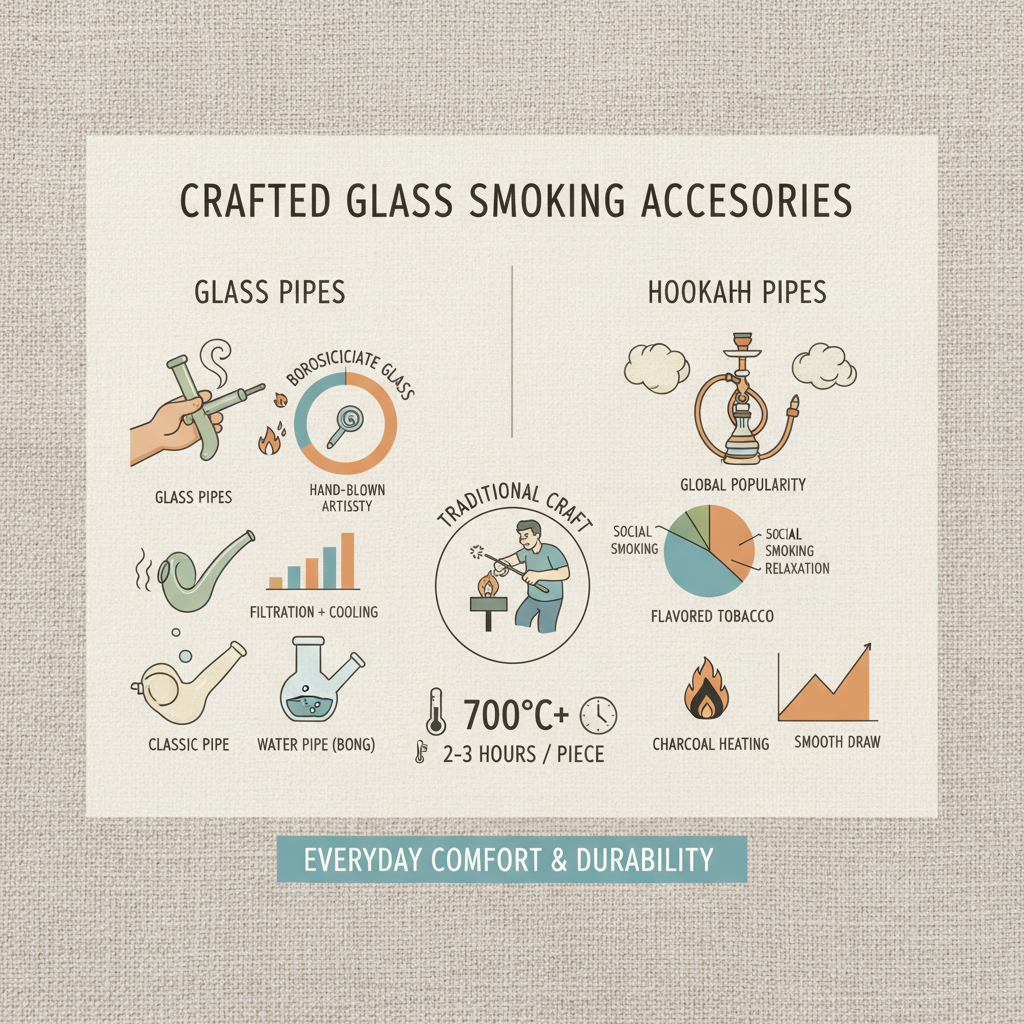
The process of blowing glass bongs begins with the careful selection of raw materials, primarily borosilicate glass, which is favored for its low coefficient of thermal expansion. This allows the artisan to manipulate the glass at extreme temperatures without the risk of immediate shattering, enabling the creation of complex chambers and intricate percolators that enhance filtration.
Mastering the "gather" and the subsequent inflation of the glass bubble requires an intimate knowledge of fluid dynamics. By controlling the air pressure and the rotation of the blowpipe, the craftsman ensures a uniform wall thickness, which is critical for the structural stability of the bong, preventing weak points that could lead to failure under pressure or accidental impact.
Material Science and Durability Standards
In the realm of high-end glass production, the distinction between soda-lime glass and borosilicate glass is paramount. For those involved in blowing glass bongs, borosilicate is the industry gold standard because it incorporates boron trioxide, which significantly increases the material's resistance to thermal shock. This means the product can transition from high heat to cold water without cracking.
Durability is further enhanced through a process called annealing. After the bong is shaped, it is placed in a kiln to be cooled slowly and systematically. This removes internal stresses from the glass, ensuring that the finished piece is not only aesthetically pleasing but also resilient enough for long-term commercial and personal use across various climates.
Furthermore, the chemical inertness of the glass ensures that no harmful toxins leach into the water or vapor during use. This commitment to purity makes professional glass blowing a necessity for health-conscious consumers, as it eliminates the risks associated with plastics or inferior alloys found in mass-produced alternatives.
Precision Engineering in Glass Artistry
Achieving the perfect draw requires more than just artistic flair; it requires precision engineering. When blowing glass bongs, the diameter of the downstem and the volume of the base must be mathematically aligned to optimize airflow and water resistance.
The integration of multi-stage percolators is where the complexity of blowing glass bongs truly shines. These internal structures break the smoke into thousands of tiny bubbles, increasing the surface area contact with the water and significantly cooling the vapor before it reaches the user.
Finally, the joint sizing—typically 14mm or 18mm—must be precise to the millimeter. This ensures a vacuum-tight seal with bowls and adapters, preventing air leaks that would otherwise compromise the efficiency of the filtration system.
Comparing Manufacturing Methods for Glass Bongs
There are several approaches to producing high-quality glassware, ranging from fully manual artisan blowing to semi-automated mold-blown techniques. Manual blowing allows for unparalleled customization and unique "one-of-one" pieces, whereas mold-blowing provides consistency and scalability for global distribution.
The choice of method often depends on the target market—whether the goal is a luxury collector's item or a durable, standardized tool for laboratory or commercial environments. Each method impacts the final wall thickness and the clarity of the glass.
Efficiency and Quality Ratings of Glass Blowing Methods
Global Market Applications and Demand
The application of blowing glass bongs extends beyond the consumer market into specialized sectors. For instance, in regions with growing wellness and holistic health trends, there is a surging demand for medical-grade glass that can be easily sterilized and reused without degradation.
Furthermore, the industrial glass sector in Asia and North America has seen a convergence of art and utility, where "functional glass art" is now traded as a high-value asset. This has led to a globalized supply chain where raw borosilicate is sourced from premium suppliers and crafted by master blowers to meet international ISO standards.
Long-Term Value and Sustainability
Investing in professionally blown glass offers significant long-term value compared to disposable alternatives. Because borosilicate glass is virtually indestructible when handled correctly and can be cleaned with simple isopropyl alcohol, the lifecycle of a high-quality bong is measured in decades rather than months.
From an environmental standpoint, the shift toward blowing glass bongs reduces the global reliance on plastics and silicone. Glass is a natural material that can be recycled, and the longevity of these products drastically reduces the amount of waste entering landfills in urban industrial zones.
Moreover, the emotional value associated with hand-blown glass—the knowledge that a human artisan spent hours shaping the piece—creates a bond of trust and appreciation between the manufacturer and the consumer, elevating the product from a commodity to a piece of heritage.
Future Innovations in Glass Blowing Technology
The future of blowing glass bongs is being shaped by digital transformation. We are seeing the introduction of 3D-assisted design (CAD) to plan complex percolator geometries before the glass even hits the flame, allowing for unprecedented airflow efficiency and structural strength.
Sustainability is also driving the adoption of green energy in glass furnaces. Electric-powered kilns and recycled glass particulates are being integrated into the blowing process to reduce the carbon footprint of the manufacturing plant, aligning the industry with global ESG (Environmental, Social, and Governance) goals.
Additionally, the exploration of "smart glass" coatings—materials that can change opacity or provide added thermal insulation—promises to revolutionize the user experience, making the process of blowing glass bongs an evolving science.
Analysis of Technological Advancements in Glass Blowing
| Innovation Type |
Core Technology |
Impact on Quality |
Adoption Rate |
| CAD Modeling |
Digital Blueprinting |
High (Precision) |
Moderate |
| Eco-Kilns |
Electric Induction |
Neutral (Green) |
Growing |
| Advanced Boron Mix |
Alumina-Silicate Hybrid |
Very High (Strength) |
Low |
| Automated Annealing |
Computerized Cooling |
High (Reliability) |
High |
| Plasma Coating |
Nanotechnology |
Moderate (Cleanliness) |
Experimental |
| Modular Joints |
Interchangeable Fittings |
High (Versatility) |
Very High |
FAQS
Hand-blown pieces allow for thicker walls and customized percolator designs that are often impossible for machines to replicate. Artisans can adjust the glass thickness in real-time to ensure that high-stress areas are reinforced, resulting in a product that is generally more durable and performs better in terms of filtration and airflow.
True borosilicate glass is highly resistant to thermal shock. A common professional test involves applying controlled heat; borosilicate will not crack under rapid temperature changes, whereas soda-lime glass will. Additionally, borosilicate typically has a higher clarity and a specific "ring" when gently tapped compared to cheaper glass.
Compared to plastic or acrylic manufacturing, glass blowing is significantly more sustainable. Glass is a natural material and is infinitely recyclable. Furthermore, the longevity of a high-quality glass piece means fewer replacements are needed, drastically reducing the environmental footprint associated with disposable smoking accessories.
Annealing is a critical cooling process where the glass is held at a specific temperature and then cooled very slowly. This prevents "internal stress" from being locked into the glass. Without proper annealing, a bong might spontaneously shatter or crack even without being dropped, making this step vital for safety and durability.
Yes, percolators are integrated during the blowing stage. The artisan uses specialized tools to create "honeycomb" or "tree" structures within the main chamber. This requires extreme precision to ensure the glass doesn't collapse under its own weight while still being hot enough to fuse seamlessly with the outer wall.
The best way to maintain a blown glass bong is to clean it regularly with coarse salt and isopropyl alcohol. This removes resin buildup without scratching the glass. Avoiding extreme mechanical impact and using a padded surface for storage will ensure the borosilicate structure remains intact for years.
Conclusion
The sophisticated process of blowing glass bongs is far more than a simple manufacturing task; it is a rigorous discipline combining material science, thermal dynamics, and artistic precision. By prioritizing borosilicate materials, implementing strict annealing protocols, and embracing innovative CAD designs, the industry has moved toward a standard of excellence that guarantees both user safety and product longevity.
As we look toward the future, the integration of green energy and smart materials will further refine this craft, ensuring that high-performance glassware remains a sustainable choice for consumers worldwide. For those seeking the perfect blend of durability and art, investing in professionally blown glassware is the only way to ensure a reliable and premium experience. Visit our website: www.dsglassbong.com