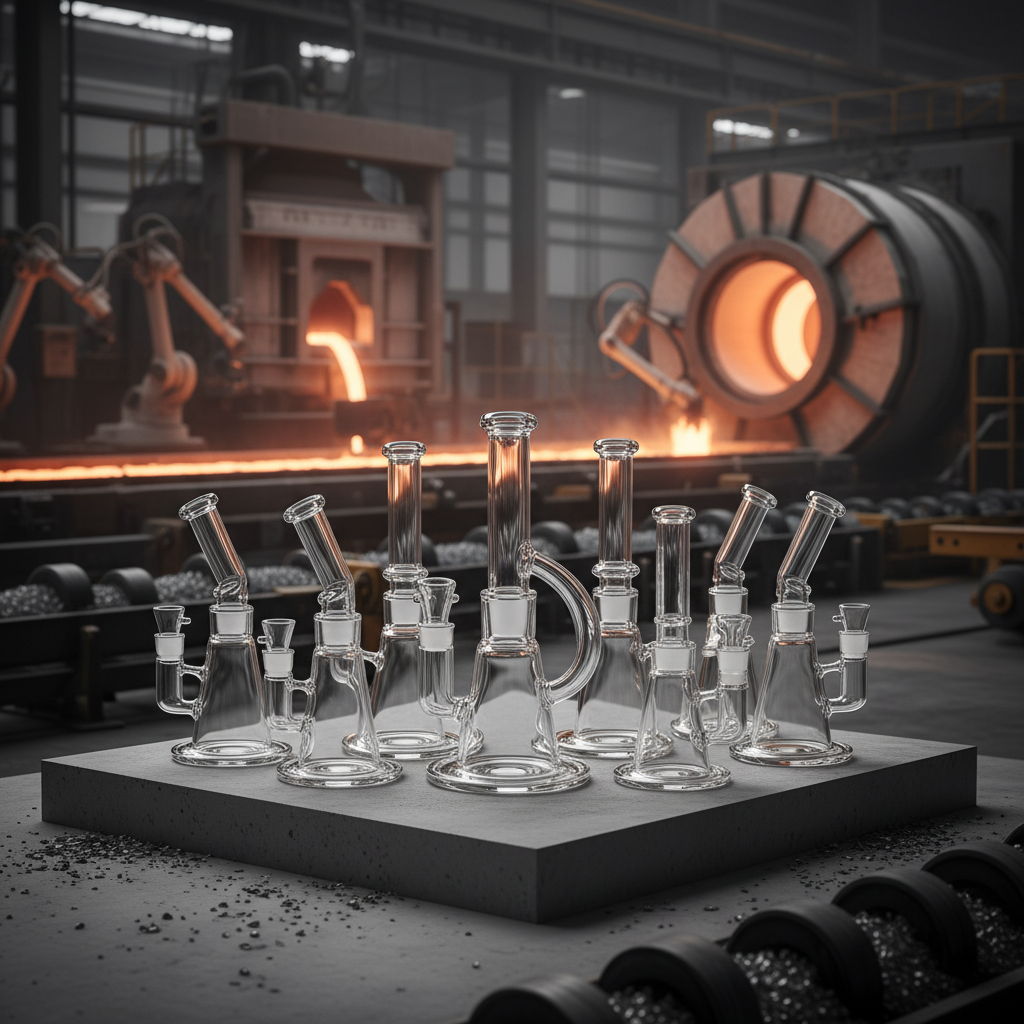
The global market for high-end glassware has seen a significant shift toward personalization and aesthetic expression, with coloured glass bongs leading the way in the luxury smoking accessories sector. No longer viewed as mere functional tools, these pieces represent a fusion of chemical engineering and artisanal craftsmanship, catering to a demographic that values both performance and visual art.
Understanding the technical nuances of how colors are integrated into borosilicate glass is essential for collectors and wholesalers alike. The interplay between metal oxides and extreme temperatures determines not only the vibrancy of the hue but also the structural integrity of the piece, ensuring that the aesthetic appeal does not compromise the heat resistance required for long-term use.
By exploring the evolution of coloured glass bongs, we can uncover the intersection of industrial manufacturing and creative design. From the precision of laboratory-grade glass to the vivid palettes of modern art, these products highlight a growing demand for sustainability, durability, and a unique sensory experience in the non-metallic mineral products industry.
The Material Science of Coloured Glass Bongs
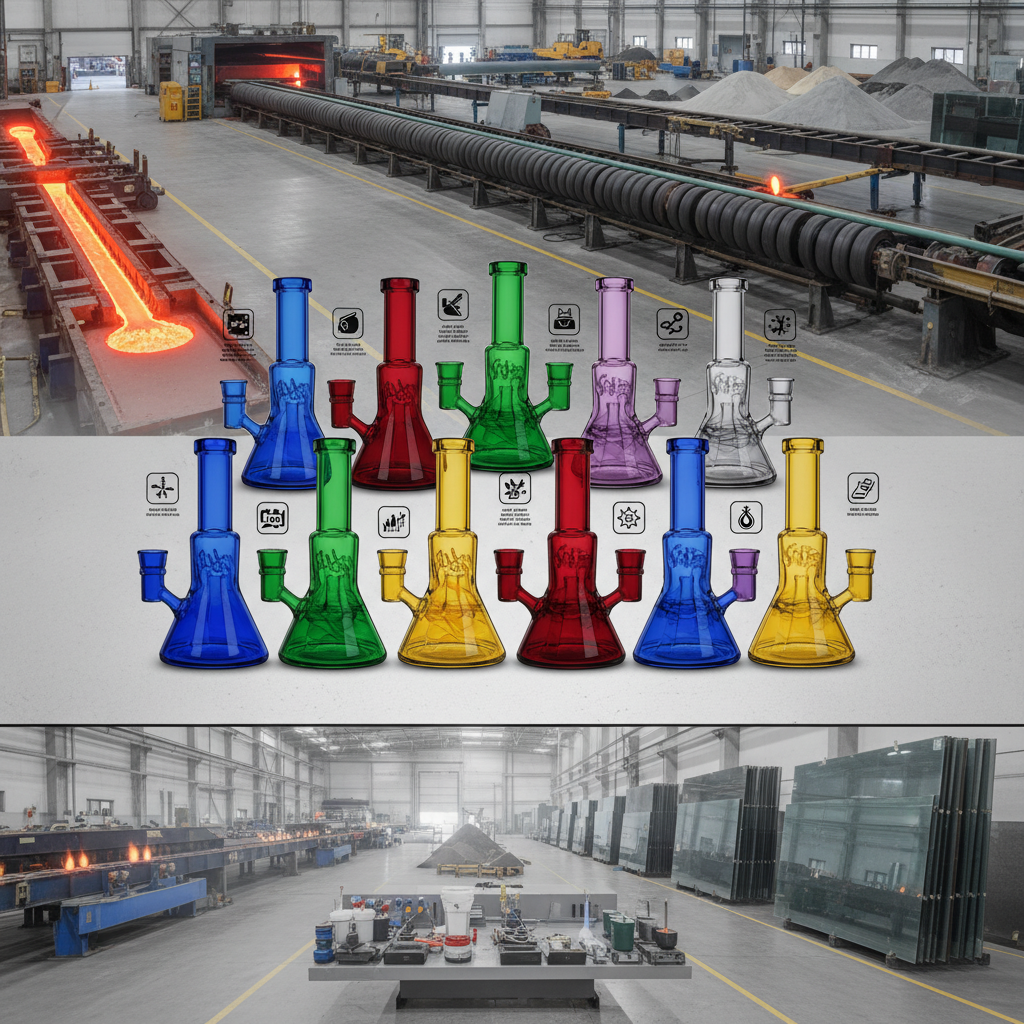
The creation of coloured glass bongs begins with the selection of high-quality borosilicate glass, known for its low coefficient of thermal expansion. To achieve the vivid colors that define these pieces, manufacturers introduce specific metallic oxides—such as cobalt for deep blues or gold chlorides for rich reds—into the molten glass. This process requires precise temperature control to ensure the color is infused throughout the glass matrix rather than just applied as a surface coating.
From a technical perspective, the integration of these pigments must be balanced with the glass's purity. Any impurity in the base material can lead to "seeds" or bubbles, which weaken the structural integrity of the bong. By adhering to ISO standards for laboratory glassware, producers can ensure that their coloured pieces maintain the same resilience and clarity as their clear counterparts, blending industrial strength with artistic flair.
Manufacturing Standards and Thermal Stability
Thermal shock resistance is the most critical parameter when producing coloured glass bongs. Because these items are frequently exposed to rapid temperature changes, the annealing process—a controlled cooling period—is vital. If the glass is cooled too quickly, internal stresses can develop, leading to spontaneous fractures, regardless of how beautiful the color is.
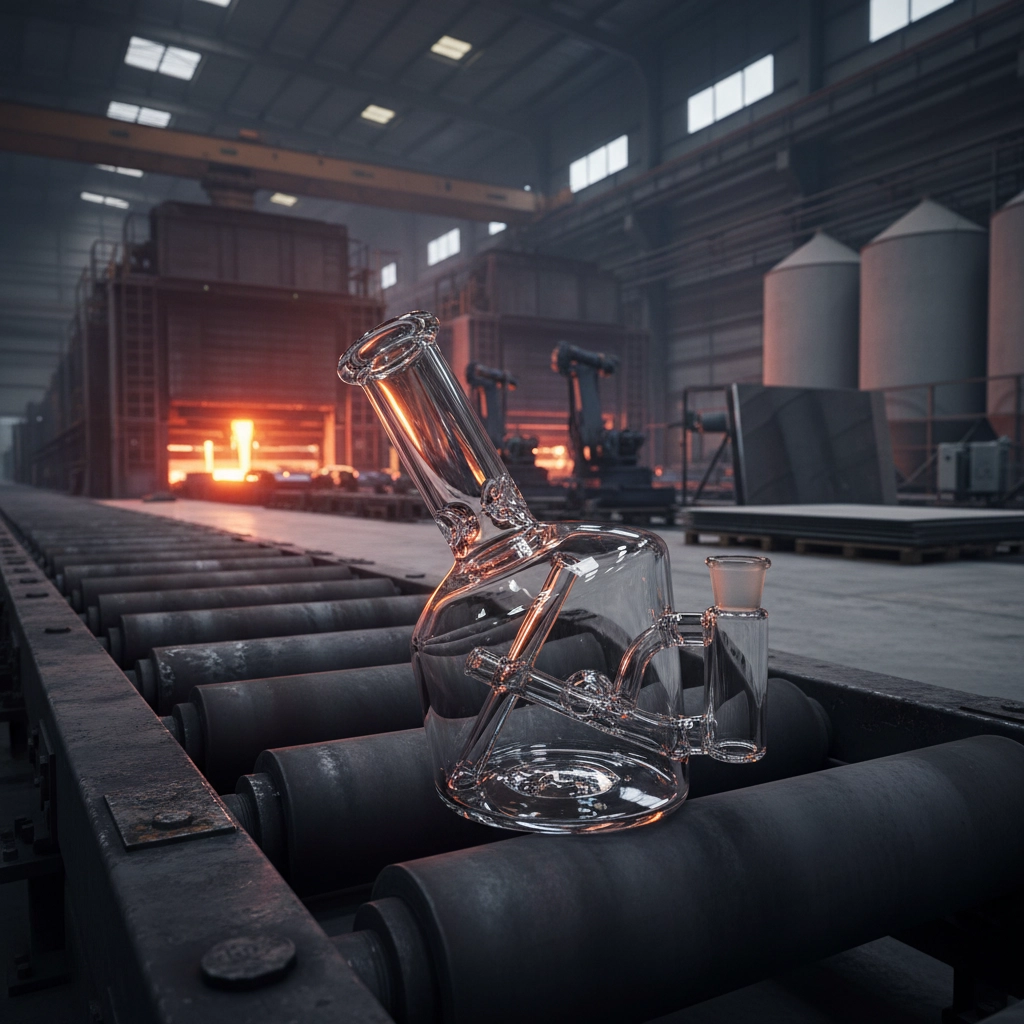
Modern manufacturing employs advanced kilns that monitor temperature gradients in real-time. This ensures that the added colorants do not create "hot spots" or areas of uneven expansion. For professional-grade equipment, the goal is to achieve a level of stability that allows the user to transition from room temperature to high heat without any risk of structural failure.
Furthermore, the synergy between the glass tube material and the coloring agents is analyzed using spectroscopic tools. This scientific approach ensures that the chemicals used for coloring are non-toxic and lead-free, meeting international health and safety regulations for consumer products. This commitment to safety transforms a simple accessory into a high-performance tool.
Aesthetic Engineering and Visual Appeal
Designing coloured glass bongs is an exercise in aesthetic engineering. Designers must consider how light refracts through different thicknesses of colored glass, creating gradients and depth that enhance the user's visual experience. This involves a deep understanding of optics and the behavior of light in translucent mediums.
The application of "fuming" techniques—where silver or gold is vaporized onto the glass surface—allows for iridescent effects that change color depending on the angle of view. This elevates coloured glass bongs from standard commercial products to collectible art pieces, increasing their market value and desirability among enthusiasts.
Moreover, the psychological impact of color is leveraged to create specific "moods" for the product line. Cool tones like emerald green and sapphire blue often signify luxury and tranquility, while vibrant oranges and purples cater to a more energetic, modern audience. This strategic use of color ensures that the product resonates emotionally with a global customer base.
Performance Metrics and User Experience
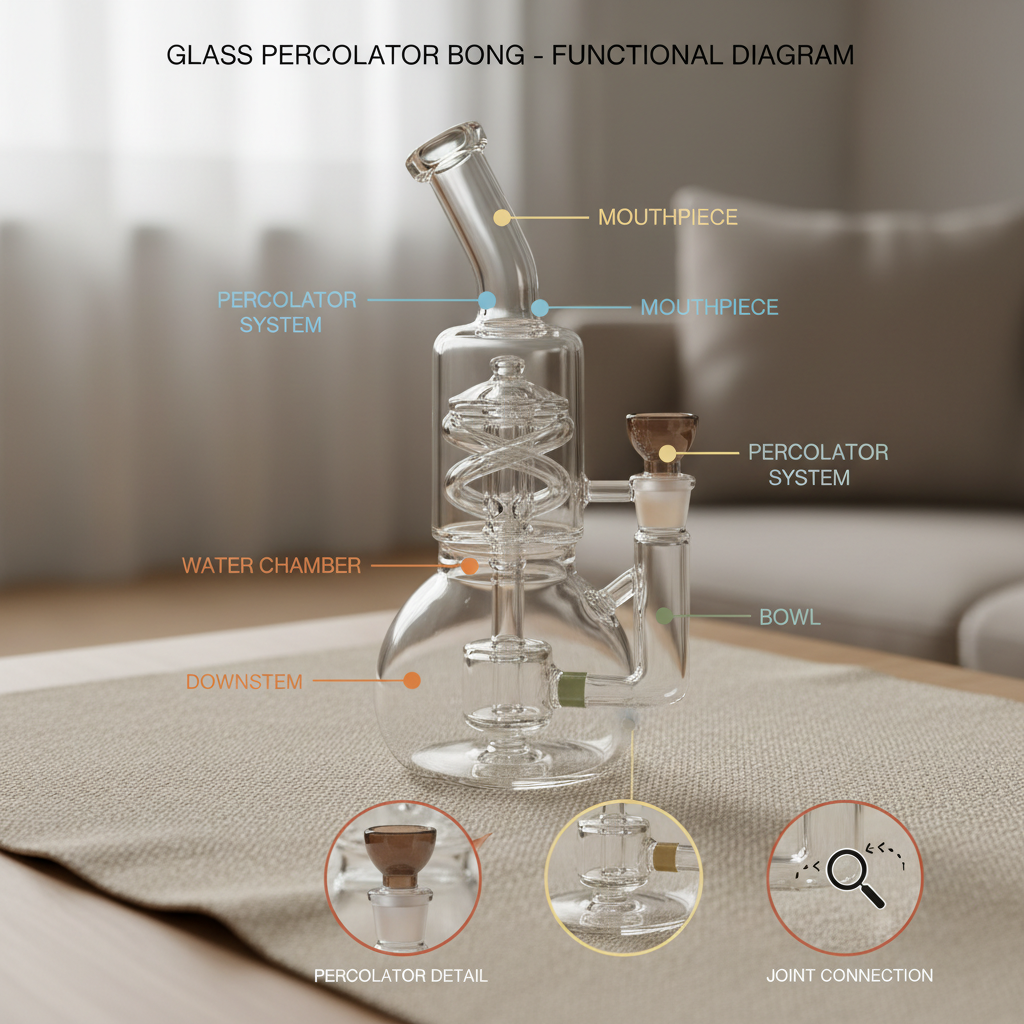
Beyond the visual allure, the performance of coloured glass bongs is measured by airflow efficiency and filtration capability. The thickness of the walls must be optimized: too thin, and the piece becomes fragile; too thick, and the thermal mass may affect the temperature of the smoke. Precision engineering ensures a seamless balance between durability and functionality.
The ergonomics of the design—such as the grip of the base and the angle of the mouthpiece—are tailored to provide a comfortable experience. When combined with the psychological satisfaction of owning a visually stunning piece, the overall user experience is significantly enhanced compared to generic, clear alternatives.
Performance Comparison of Coloured Glass Bongs Variations
Global Market Trends and Consumer Demand
The demand for coloured glass bongs has surged across North America, Europe, and Southeast Asia, driven by a culture of "conspicuous consumption" and the rise of social media. Platforms like Instagram and TikTok have turned these products into status symbols, where the uniqueness of a piece's color and design determines its trendiness.
From a business perspective, this has led to a shift toward limited-edition drops and artist collaborations. Manufacturers are now focusing on "small-batch" production to maintain exclusivity, ensuring that collectors feel they own a rare piece of art. This strategy has effectively decoupled the product from its basic utility, repositioning it as a lifestyle accessory.
Sustainability in Glass Production
Sustainability is becoming a cornerstone of the non-metallic mineral industry. The production of coloured glass bongs is evolving to incorporate recycled cullet (crushed glass), which reduces the energy required for melting and lowers the overall carbon footprint of the manufacturing plant.
Innovation in "green chemistry" is also replacing traditional heavy-metal oxides with organic or less harmful alternatives. This not only protects the environment during the production phase but also ensures that the end-user is not exposed to hazardous materials, aligning the product with global eco-friendly standards.
Furthermore, the longevity of high-quality borosilicate glass means these products are far more sustainable than plastic or acrylic alternatives. By promoting a "buy once, keep forever" mentality, the industry is moving away from the disposable culture, emphasizing the enduring value of a well-crafted coloured piece.
Quality Control and Long-term Value
Ensuring the longevity of coloured glass bongs requires rigorous quality control (QC) protocols. Each piece must undergo a stress test, often involving rapid temperature cycling, to ensure that the internal tension is fully relieved. This prevents the dreaded "stress crack" that can occur months after purchase.
The value of these pieces often appreciates over time, particularly those created by renowned glassblowers. The intersection of scarcity, artistic merit, and material purity makes them viable assets for collectors. When a piece maintains its color vibrancy and structural integrity over decades, it proves the superiority of the manufacturing process.
Ultimately, the long-term value is rooted in the transparency of the supply chain. From the sourcing of raw silica to the final polishing stage, every step must be documented. This traceability gives the consumer confidence in the authenticity and quality of their purchase, securing the brand's reputation in a competitive global market.
Comparative Analysis of Quality Standards for Coloured Glass Bongs
|
Product Grade
|
Color Consistency
|
Thermal Resistance
|
Market Value Score
|
| Standard Commercial |
Uniform/Flat |
Moderate |
4/10 |
| Premium Artisan |
Multi-tonal/Deep |
High |
8/10 |
| Luxury Collector |
Iridescent/Fumed |
Exceptional |
10/10 |
| Industrial Grade |
Basic Tint |
Very High |
5/10 |
| Eco-Friendly Line |
Natural Earth Tones |
High |
7/10 |
| Prototype/Experimental |
Neon/Fluorescent |
Variable |
6/10 |
FAQS
No, provided they are made from high-quality borosilicate glass and lead-free oxides. Professional manufacturers ensure that colors are infused into the glass matrix, meaning the pigments do not leach or interact with the smoke, maintaining a pure taste and high safety standard.
Generally, no. When the annealing process is handled correctly, the structural integrity remains identical to clear glass. However, some low-quality colored glass may have internal stresses if not cooled properly, making them more prone to cracking. Always choose certified borosilicate options.
The most effective and safe method is using a mixture of isopropyl alcohol and coarse salt. Since the color is part of the glass structure and not a paint, it won't fade or peel. Avoid using harsh abrasive chemicals that could scratch the surface finish.
Colored glass is achieved by mixing oxides into the molten glass. Fuming involves vaporizing precious metals (like silver or gold) onto the glass surface using a torch, creating a metallic, iridescent effect that changes color based on the light angle.
Yes, as long as the piece is made from genuine borosilicate glass. This material is specifically designed to withstand extreme thermal shock. However, we recommend using a quartz banger for the actual heat application to ensure maximum durability.
Hand-blown pieces typically have slight asymmetrical variations and more complex, layered color transitions. Factory-made pieces are perfectly symmetrical and often have uniform, flatter colors. Hand-blown items generally hold higher collector value.
Conclusion
In summary, coloured glass bongs represent a perfect marriage of material science and artistic vision. By leveraging the properties of borosilicate glass and the precision of metallic oxides, the industry has moved beyond simple utility to provide products that offer thermal stability, aesthetic depth, and significant long-term value. From the rigorous annealing process to the sustainable shift toward recycled materials, every aspect of their production is designed to enhance the user's experience.
Looking forward, the integration of smart manufacturing and eco-friendly chemistry will likely further refine the quality and accessibility of these pieces. For consumers and businesses, investing in high-grade coloured glassware is not just about appearance—it is about choosing durability and craftsmanship. To explore the finest selection of professional glassware, visit our website: www.dsglassbong.com.