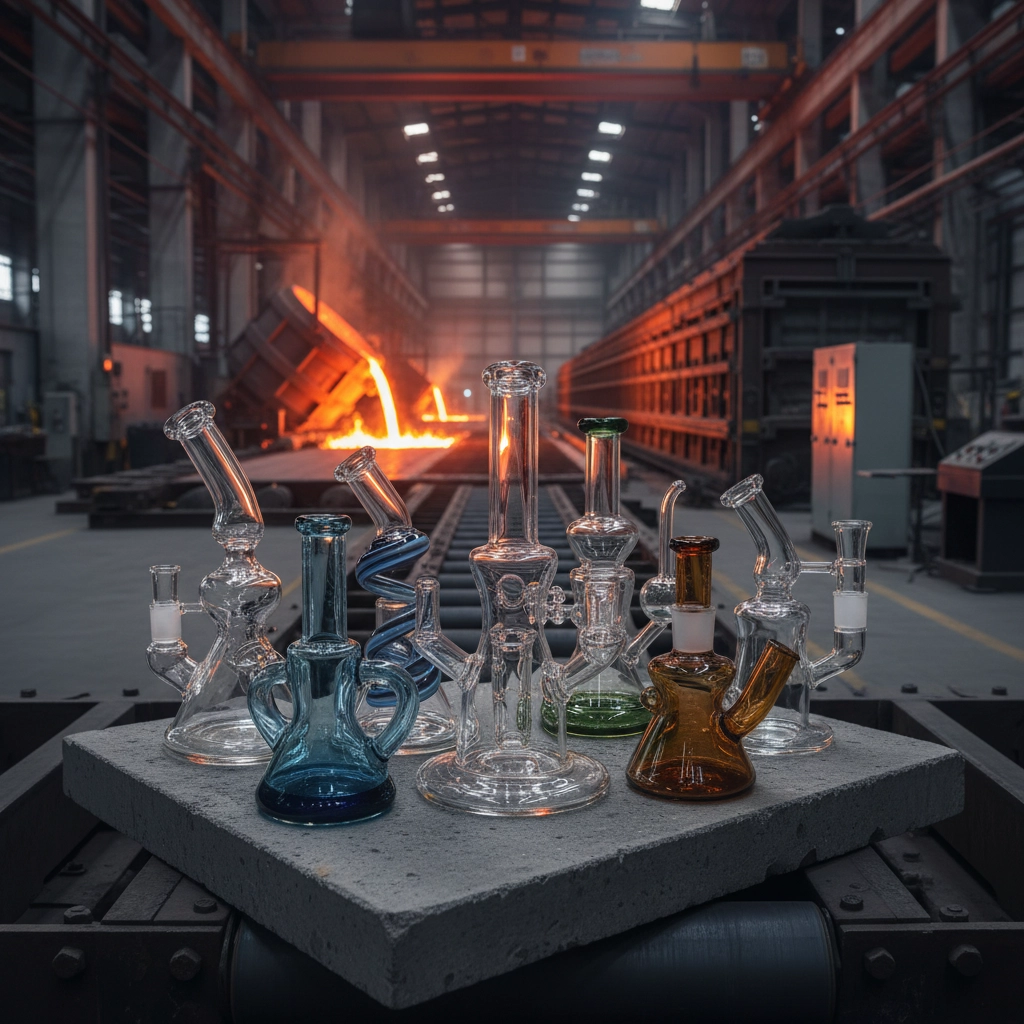
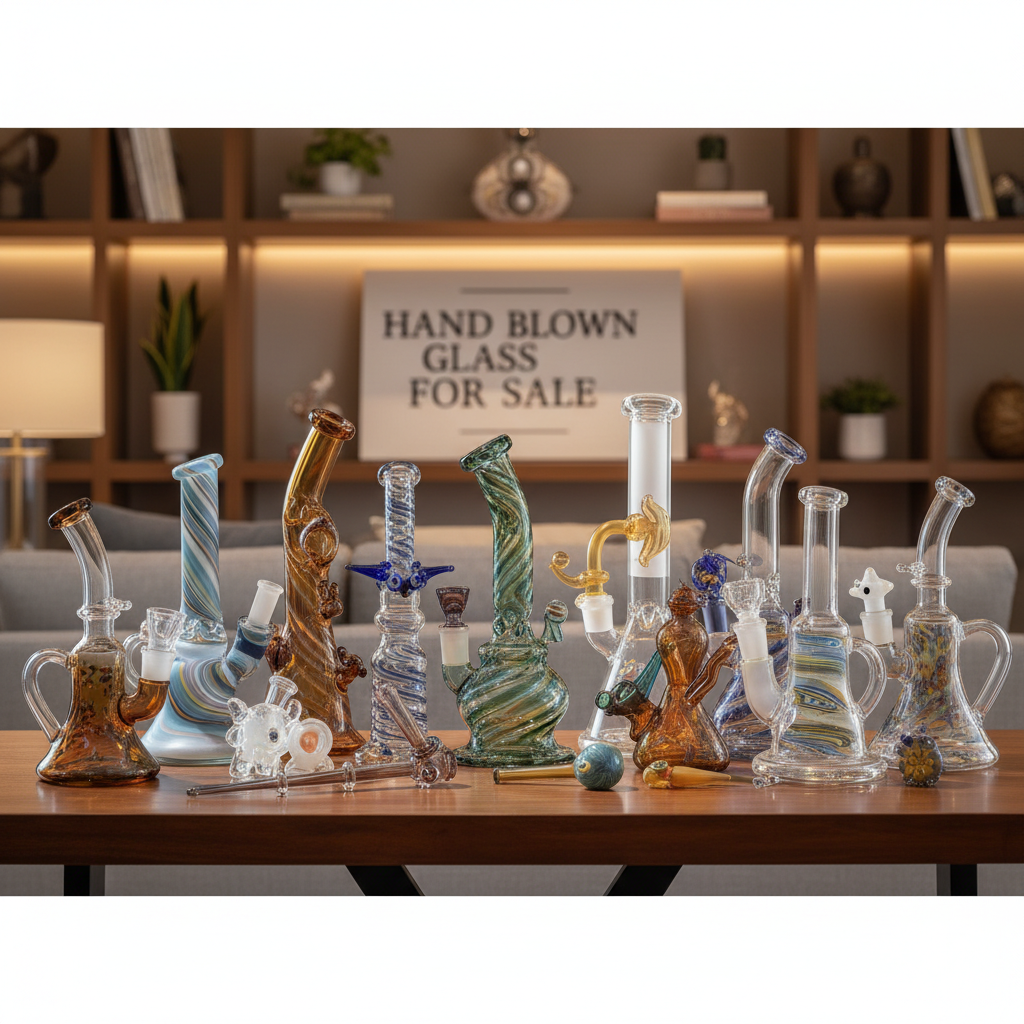
When it comes to the intersection of art and functionality in the glassware industry, cool glass bongs represent more than just smoking accessories; they are marvels of borosilicate engineering. For enthusiasts and collectors worldwide, the appeal lies in the perfect balance of thermal resistance, aesthetic innovation, and the purity of experience that only high-grade glass can provide.
The global market for specialty glassware has seen a significant shift toward artisanal craftsmanship, where the demand for cool glass bongs is driven by a desire for durability and sophisticated design. From complex percolation systems to vibrant, hand-blown colors, these pieces serve as both functional tools and centerpiece art, reflecting a broader cultural trend toward mindful consumption and high-end industrial design.
Understanding the technical specifications—such as wall thickness, joint precision, and heat stress relief—is crucial for anyone looking to invest in quality pieces. By exploring the nuances of material science and artistic expression, users can identify the hallmarks of truly cool glass bongs, ensuring they receive a product that is as safe and efficient as it is visually striking.
The Engineering Behind Cool Glass Bongs
The creation of cool glass bongs requires a sophisticated understanding of fluid dynamics and thermal physics. Engineers focus on the "airflow path," ensuring that smoke is cooled efficiently through water diffusion before it reaches the user. This process involves calculating the optimal number of percolators and the diameter of the tubing to minimize drag while maximizing surface area for cooling.
Beyond the physics of air, the structural integrity of the piece is paramount. Professional manufacturers use precise annealing processes to remove internal stresses from the glass. This ensures that the complex shapes—often featuring intricate honeycombs or tree percolators—do not crack under temperature fluctuations, making these pieces both resilient and safe for long-term use.
Material Excellence and Borosilicate Standards
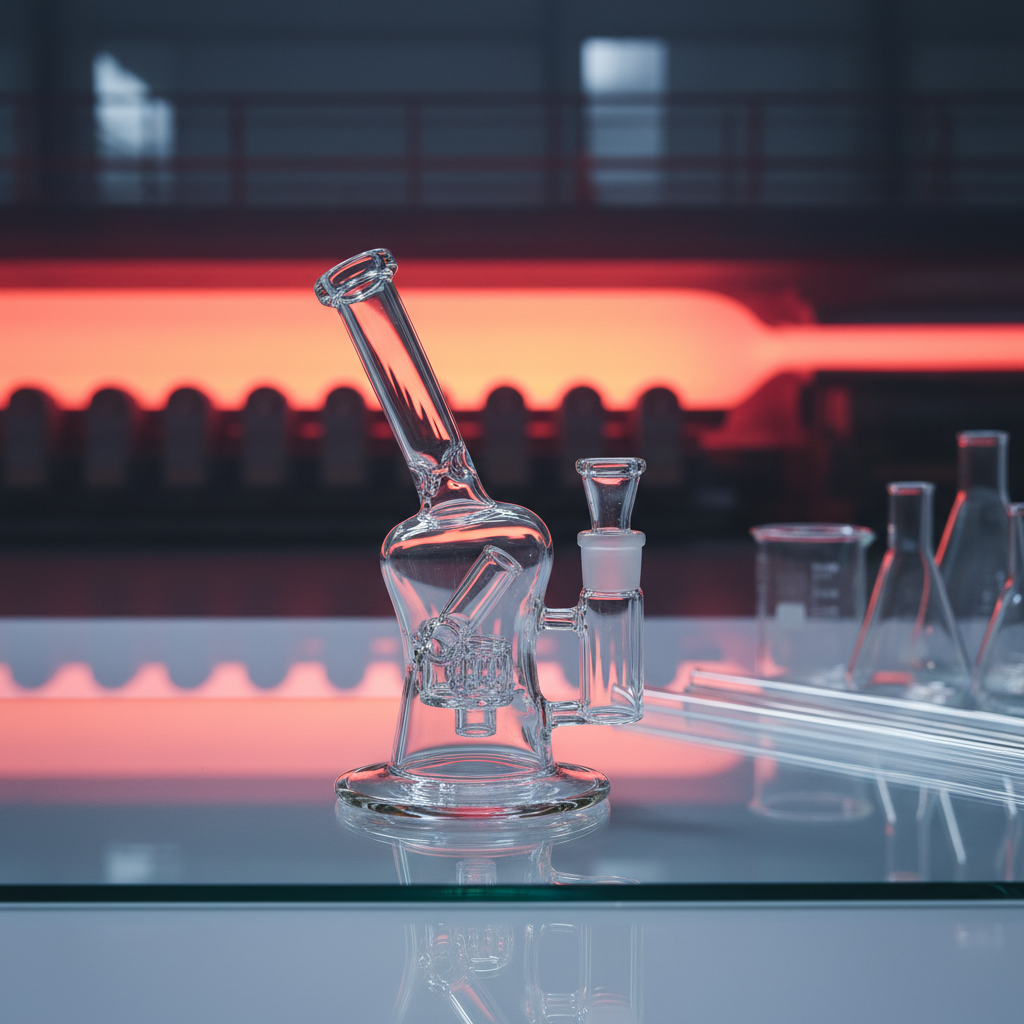
At the heart of every high-quality piece are the materials used. Most cool glass bongs are crafted from borosilicate glass, a material known for its low coefficient of thermal expansion. This means the glass is far less likely to shatter when exposed to sudden heat changes compared to standard soda-lime glass, which is why it is the gold standard for laboratory glassware and high-end smoking apparatus.
The purity of the glass also plays a critical role in the user experience. High-grade borosilicate is non-porous and chemically inert, meaning it does not leach chemicals into the smoke or water and is resistant to corrosion. This purity ensures that the flavor profile of the herbs remains untainted, providing a clean, clinical level of precision that mirrors the standards found in scientific dissolution vessels.
Furthermore, the thickness of the glass wall determines the overall durability. While thin glass can be elegant and lightweight, "heavy-duty" walls are preferred for those who prioritize longevity. The balance between weight and strength is where the true artistry of manufacturing lies, allowing for the creation of pieces that feel substantial in the hand without being cumbersome.
Design Innovations in Modern Glassware
Modern aesthetics have transformed cool glass bongs from simple tubes into complex sculptures. The integration of "scientific" glass techniques—such as recycled glass facets and double-walled insulation—allows for a visual experience that is as impressive as the functional one.
One of the most significant breakthroughs in the design of cool glass bongs is the development of multi-stage filtration. By layering different types of percolators, such as a showerhead followed by a matrix perc, the smoke is broken down into thousands of tiny bubbles, drastically reducing the temperature and harshness.
Ergonomics have also become a priority. Designers are now focusing on "stability bases" and integrated handles, ensuring that these elaborate pieces are not only beautiful but also practical for daily use. The goal is to merge the precision of laboratory glass with the comfort of home consumer products.
Performance Metrics for Filtration Efficiency
Measuring the efficiency of cool glass bongs involves analyzing "bubble density" and "drag coefficient." A higher bubble density typically indicates better filtration and a smoother hit, while a low drag coefficient ensures that the user doesn't have to struggle to pull air through the system.
Different designs offer varying levels of performance depending on the user's priority—whether it be maximum cooling, flavor preservation, or ease of cleaning. By quantifying these factors, we can compare the effectiveness of various percolation methods.
Filtration Performance of Various Cool Glass Bongs Styles
Global Market Applications and Trends
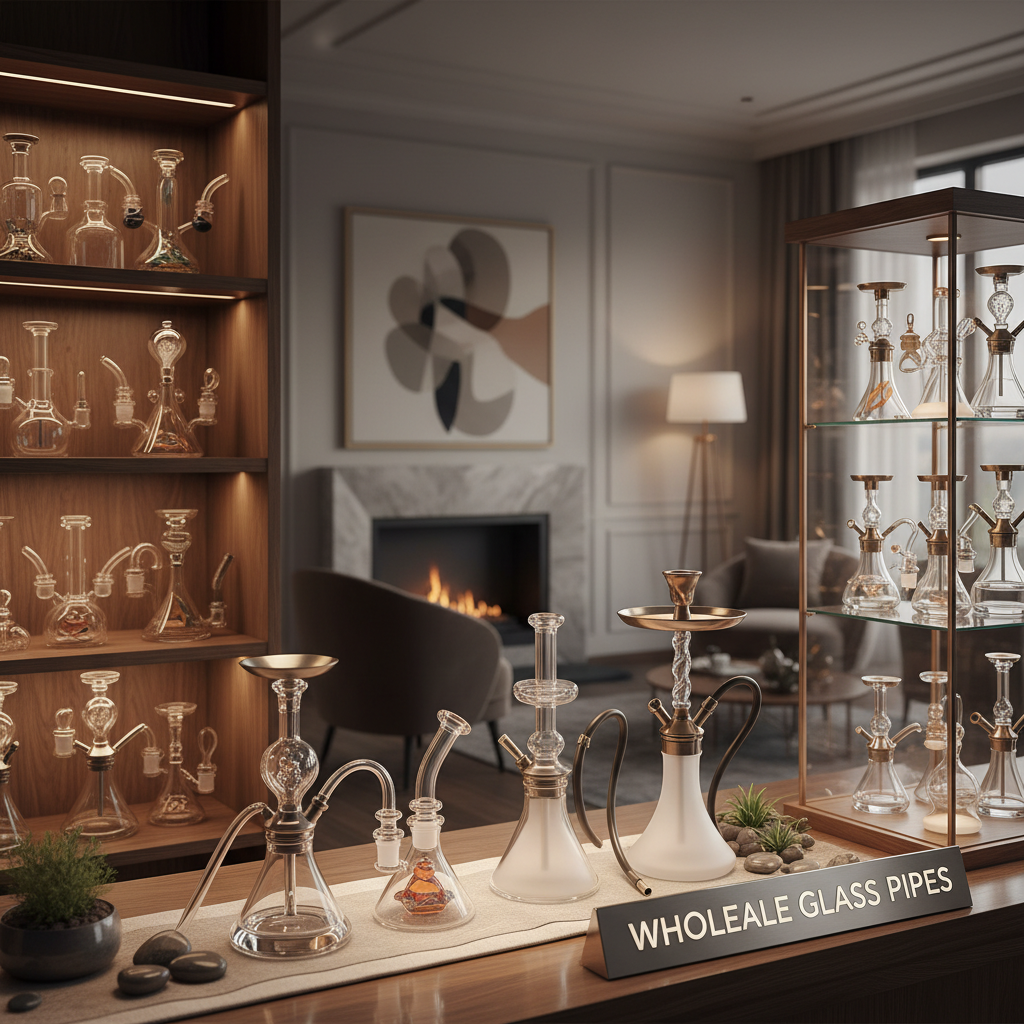
The demand for cool glass bongs has expanded far beyond niche hobbyist circles, entering the mainstream luxury home decor market. In regions like North America and Europe, there is a growing trend toward "functional art," where collectors purchase limited-edition pieces based on the artist's reputation and the complexity of the glasswork.
Simultaneously, the industrial side of the glass business is seeing a crossover. Techniques used in creating high-precision laser tubes and laboratory glassware are being applied to consumer pieces, resulting in higher tolerances and more durable joints. This synergy between industrial manufacturing and artistic blowing has raised the overall quality of the global supply chain.
Long-Term Value and Maintenance
Investing in cool glass bongs is often seen as a long-term asset. Unlike plastic or acrylic alternatives, borosilicate glass does not degrade over time, does not harbor bacteria as easily, and can be returned to a "like-new" state with proper cleaning. This sustainability makes high-end glass a more eco-friendly choice in the long run.
Maintenance is straightforward but critical. Using isopropyl alcohol and coarse salt remains the most effective way to remove resin buildup without scratching the inner walls. For complex pieces with multiple percolators, the use of specialized cleaning brushes and gravity-based rinsing is recommended to maintain the airflow efficiency.
The resale value of artisanal cool glass bongs can be surprisingly high. Pieces from renowned glass artists often appreciate in value, turning a functional purchase into a collectible investment. This secondary market emphasizes the importance of authenticity and the provenance of the glass blower.
Future Innovations in Glass Artistry
Looking ahead, the evolution of cool glass bongs is likely to be influenced by additive manufacturing and smart materials. While hand-blowing will always hold a premium, 3D-printed glass molds are allowing for geometries that were previously impossible, enabling even more efficient filtration systems and architectural shapes.
Sustainability is also driving innovation. We are seeing a rise in "closed-loop" glass production, where recycled borosilicate is repurposed into new artistic pieces. This reduces the carbon footprint of the manufacturing process while maintaining the high thermal standards required for safety.
Furthermore, the integration of hybrid materials—such as medical-grade silicone sleeves and titanium accents—is providing an extra layer of protection for fragile glass. This ensures that the beauty of cool glass bongs is matched by a level of ruggedness suitable for various lifestyles.
Comparative Analysis of Glass Bong Material and Design Specifications
| Design Category |
Thermal Resistance |
Filtration Level |
Durability Score |
| Scientific Beaker |
High |
Moderate |
8/10 |
| Tree Percolator |
Very High |
Exceptional |
6/10 |
| Honeycomb Art |
High |
High |
7/10 |
| Straight Tube |
Moderate |
Basic |
9/10 |
| Recycled Glass Facet |
High |
Moderate |
7/10 |
| Double-Walled |
Exceptional |
Moderate |
8/10 |
FAQS
Borosilicate glass contains boron trioxide, which significantly lowers the coefficient of thermal expansion. In practical terms, this means it can withstand rapid temperature changes without cracking. For cool glass bongs, this is essential because the pieces are often exposed to high heat at the bowl and cold water in the base simultaneously.
Check for the size and number of holes in the percolator. A high-quality system creates smaller, more consistent bubbles (high bubble density) rather than a few large ones. Look for "scientific" designs like honeycombs or tree percs, which increase the surface area of the smoke contacting the water, leading to a cooler experience.
Generally, yes, thicker walls provide better resistance to impact. However, durability also depends on the annealing process. A thin-walled piece that has been properly annealed (stress-relieved) can sometimes be more resilient to thermal shock than a thick-walled piece that was cooled too quickly during production.
The best method is using a mixture of 91% or 99% isopropyl alcohol and coarse Epsom salt. The salt acts as a gentle abrasive to scrub the inner walls. For complex percolators, shake the solution gently and use a pipe cleaner or a pressurized rinse to ensure no residue remains in the small openings.
Yes, they improve it. Because borosilicate glass is chemically inert and non-porous, it doesn't react with the smoke or hold onto old odors. This preserves the natural terpene profile of your herbs, providing a much purer taste compared to plastic, metal, or low-grade glass.
Look for seamless joins, consistent wall thickness, and the absence of air bubbles in the glass structure (unless they are intentional design elements). Check the stability of the base and ensure the joints are ground precisely so that bowls and downstems fit snugly without wobbling.
Conclusion
In summary, cool glass bongs are the culmination of industrial precision and artistic vision. By leveraging the unique properties of borosilicate glass and advanced percolation engineering, these pieces offer a superior experience characterized by thermal safety, purity of flavor, and striking visual appeal. From the technical metrics of filtration efficiency to the long-term value of artisanal craftsmanship, it is clear that high-quality glassware is an investment in both health and aesthetics.
As the industry moves toward more sustainable production and hybrid material designs, the role of the glass bong will continue to evolve from a simple utility to a sophisticated piece of functional art. For those seeking the perfect blend of performance and style, prioritizing material standards and design innovation is the key to a rewarding experience. Visit our website to explore our collection: www.dsglassbong.com