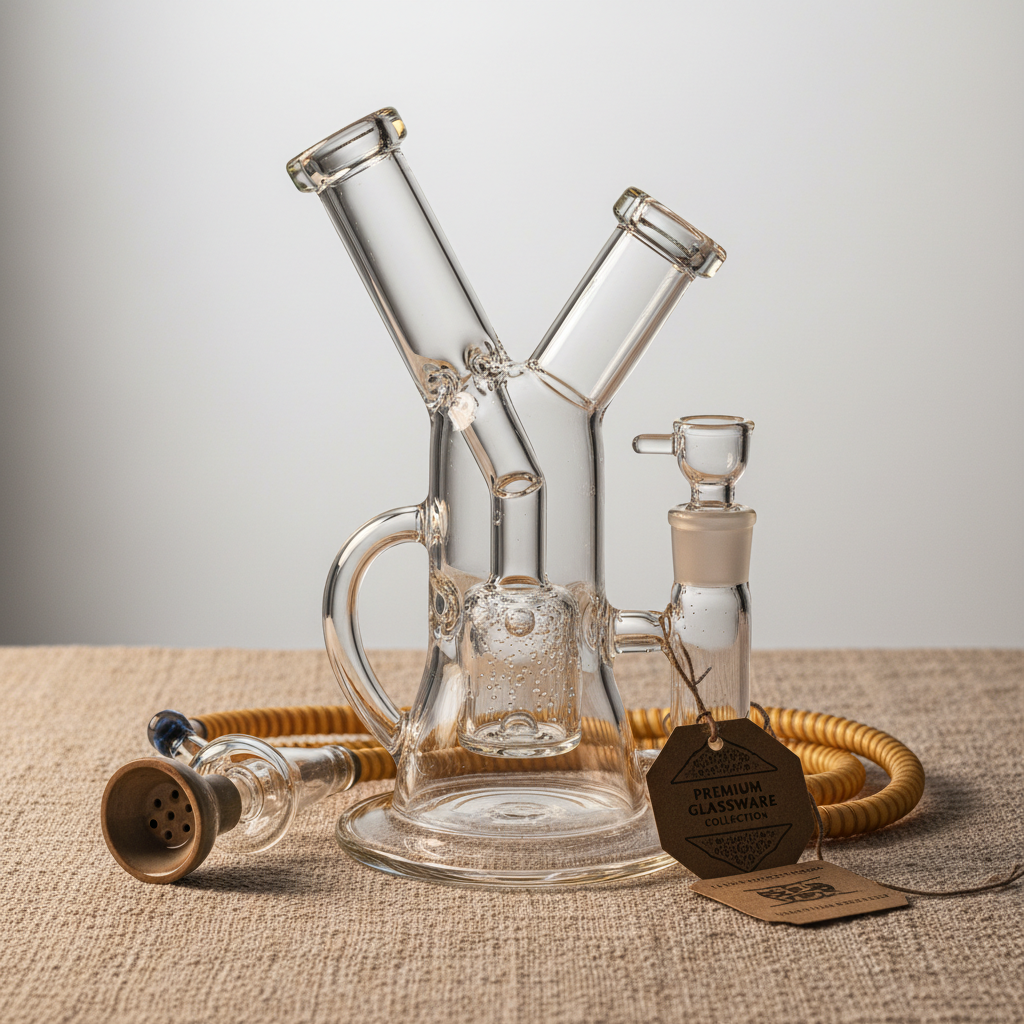
When discussing high-performance glassware, the borosilicate glass bong stands out as a pinnacle of material science meeting consumer utility. Unlike standard soda-lime glass, borosilicate is engineered to withstand extreme thermal fluctuations, making it the gold standard for those who prioritize safety and longevity in their smoking accessories. Understanding the nuances of this material allows users to make informed decisions that impact not only the flavor of their experience but also the overall lifespan of their equipment.
Globally, the demand for premium glassware has surged as consumers shift away from disposable plastics and low-grade metals toward sustainable, inert materials. The borosilicate glass bong addresses the critical need for a non-reactive surface that does not leach chemicals when exposed to high heat. This transition is driven by a broader awareness of health and purity, positioning borosilicate as an essential component in the modern lifestyle of connoisseurs worldwide.
Whether you are a seasoned collector or a newcomer to the scene, the technical advantages of borosilicate—such as its low coefficient of thermal expansion—provide a level of reliability that is unmatched. By exploring the structural integrity and chemical stability of a borosilicate glass bong, one can appreciate why this specific glass composition is utilized in both high-end laboratories and luxury smoking apparatuses.
The Material Science of Borosilicate Glass
At its core, a borosilicate glass bong is defined by the addition of boron trioxide to the silica mix. This chemical modification significantly alters the glass's physical properties, specifically reducing its coefficient of thermal expansion. In practical terms, this means the glass does not expand or contract rapidly when temperature changes occur, which is the primary reason why laboratory beakers and high-end smoking pieces share the same material foundation.
From a manufacturing perspective, working with borosilicate requires higher melting temperatures and more precise annealing processes than standard glass. This rigorous production cycle ensures that the final borosilicate glass bong is free of internal stresses, resulting in a product that is not only clearer but significantly more robust against the pressures of daily use.
Thermal Shock Resistance and Safety
One of the most daunting challenges for any glass user is "thermal shock," the phenomenon where rapid temperature shifts cause the material to crack or shatter. A borosilicate glass bong is specifically engineered to mitigate this risk. Whether you are using a torch for dabbing or cleaning your piece with boiling water, the borosilicate structure absorbs the stress that would typically destroy a soda-lime glass equivalent.
This safety profile is not merely a luxury; it is a critical health consideration. When glass shatters due to thermal stress, it can create micro-shards that are dangerous if inhaled or handled. By utilizing a borosilicate glass bong, users gain peace of mind knowing that their equipment is designed to handle the intense heat cycles inherent in its operation.
Furthermore, the ability to withstand extreme temperatures allows for more versatile usage patterns. From ice-cold filtration to high-heat vaporization, the thermal stability of borosilicate ensures that the device maintains its shape and structural integrity, regardless of the environmental conditions or the method of heating applied.
Chemical Inertness and Purity of Flavor
For the discerning user, the purity of the experience is paramount. A borosilicate glass bong is chemically inert, meaning it does not react with the substances passing through it. This prevents the "metallic" or "plastic" aftertaste often associated with cheaper materials, ensuring that the organic profile of the product is preserved perfectly.
Beyond flavor, this inertness means that a borosilicate glass bong does not leach harmful chemicals like lead or arsenic into the smoke path. In an era where health-conscious consumption is the priority, using laboratory-grade glass provides a sterile environment that protects the user from unwanted chemical additives.
Moreover, the non-porous surface of the borosilicate glass bong makes it incredibly easy to sanitize. Resins and oils do not bond permanently to the surface, allowing for thorough cleaning with isopropyl alcohol and salt, which in turn maintains the freshness of every subsequent session.
Durability and Structural Integrity Factors
While no glass is indestructible, the inherent strength of a borosilicate glass bong is vastly superior to common glassware. This durability is a result of the tighter molecular bonding achieved during the borosilicate manufacturing process. This makes the piece more resistant to scratches and minor impacts, extending the usable life of the product from a few months to potentially many years.
When evaluating durability, it is important to look at wall thickness and joint precision. A high-quality borosilicate glass bong balances weight with strength, ensuring that the walls are thick enough to resist breaking but thin enough to allow for efficient heat transfer and clarity.
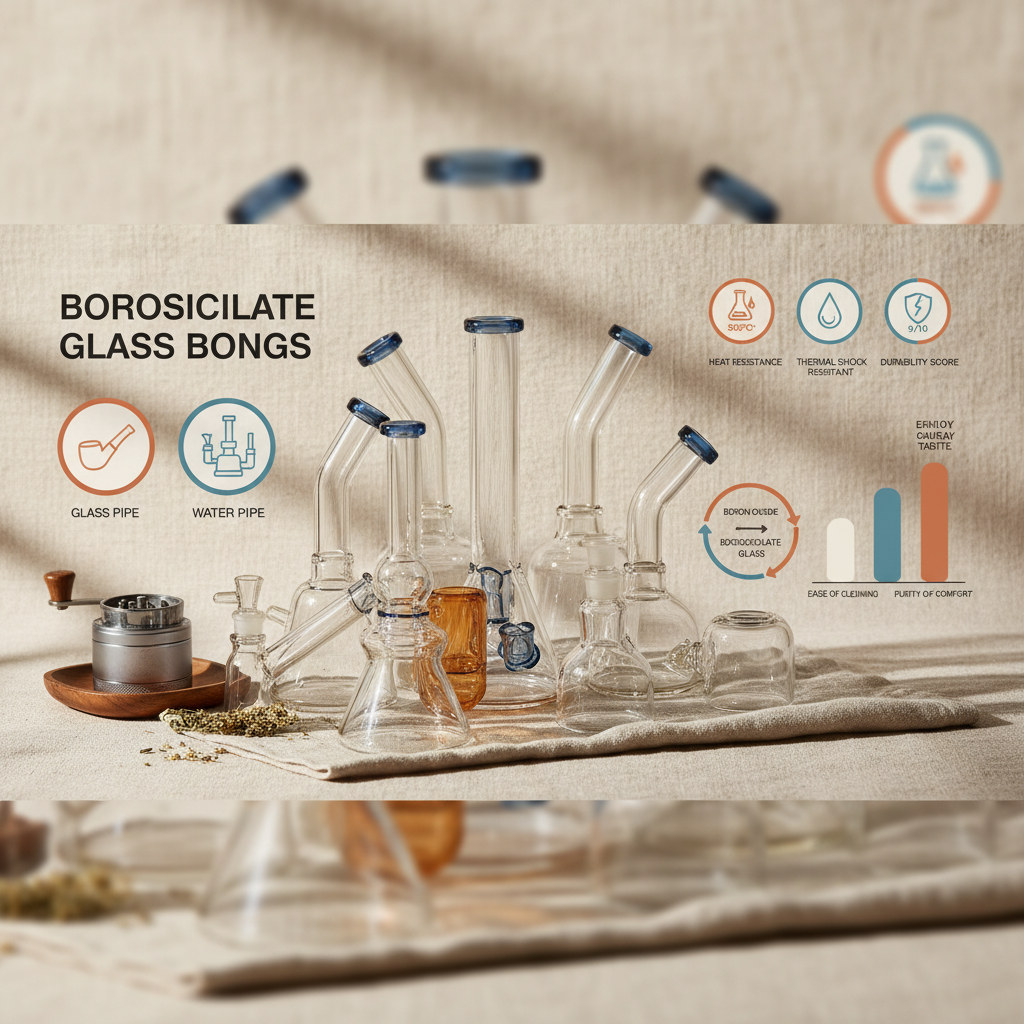
Performance Comparison of Borosilicate Glass Bong Types
Global Manufacturing Standards and Quality
The production of a borosilicate glass bong is governed by international standards that ensure material purity and structural safety. Leading manufacturers adhere to ISO guidelines to ensure that the boron content is precise, which prevents the glass from becoming too brittle or too soft. This standardization is what allows users to buy interchangeable parts, such as bowls and downstems, from different brands with confidence.
In regions like Europe and North America, there is a strong emphasis on "Scientific Glass" grade borosilicate. This grade is the highest available and is typically used in a borosilicate glass bong that is intended for heavy-duty use. By sourcing from manufacturers who use these high-grade materials, consumers avoid the risk of "cheap" glass that may contain impurities or fail under moderate heat.
Maintenance and Longevity Optimization
To maximize the lifespan of a borosilicate glass bong, proper maintenance is essential. Because the glass is non-porous, the primary enemy is the buildup of carbon and resin. Regular cleaning with a mixture of isopropyl alcohol and coarse salt acts as a gentle abrasive that removes deposits without scratching the glass surface, preserving the optical clarity of the piece.
Another key factor in longevity is the use of protective accessories. While the glass is strong, it remains susceptible to high-impact shocks. Utilizing silicone sleeves or stable bases can prevent accidental tips, ensuring that your investment in a high-quality borosilicate glass bong lasts for a lifetime rather than a single clumsy moment.
Finally, avoiding extreme "temperature jumping"—such as moving a scorching hot bowl directly into ice water—is recommended. Although borosilicate is designed for thermal shock, minimizing unnecessary stress on the glass joints will prevent the development of micro-fractures over time, maintaining the air-tight seal of the apparatus.
Future Innovations in Glass Engineering
The evolution of the borosilicate glass bong is now moving toward "Smart Glass" and enhanced composite materials. We are seeing the integration of heat-resistant coatings that further reduce the risk of breakage and the use of laser-cutting technology to create more complex, efficient airflow paths that were previously impossible with manual blowing.
Sustainability is also becoming a core focus. Modern manufacturers are exploring ways to recycle borosilicate glass without compromising its purity, aiming to create a circular economy for luxury glassware. This means the next generation of the borosilicate glass bong will likely be as eco-friendly as it is durable.
Additionally, the marriage of automation and artisan craft is leading to "precision-blown" pieces. By using CNC-guided heating elements, makers can ensure perfectly uniform wall thickness across the entire borosilicate glass bong, eliminating the weak points often found in hand-blown glass and further pushing the boundaries of structural reliability.
Comprehensive Analysis of Borosilicate Glass Bong Material Variants
| Material Grade |
Thermal Resistance |
Chemical Stability |
Market Positioning |
| Lab-Grade Borosilicate |
Exceptional |
Perfect |
Professional / High-End |
| Industrial Grade |
High |
Very High |
Commercial / Daily Use |
| Artisan Blend |
Moderate to High |
High |
Collector / Decorative |
| Low-Boron Glass |
Low |
Moderate |
Budget / Entry-Level |
| Reinforced Borosilicate |
Very High |
High |
Heavy Duty / Industrial |
| Eco-Recycled Borosilicate |
Moderate |
High |
Sustainable / Green Market |
FAQS
The primary difference lies in the boron trioxide content, which lowers the coefficient of thermal expansion. This means a borosilicate glass bong can withstand rapid temperature changes without cracking, whereas regular soda-lime glass would likely shatter. Additionally, borosilicate is more chemically inert, ensuring no toxins leach into your smoke and the taste remains pure.
While significantly more durable and resistant to thermal stress than ordinary glass, borosilicate is not unbreakable. It can still crack if dropped on a hard surface or hit with a heavy object. However, its structural integrity is far superior, and it is much more resilient to the daily wear and tear associated with heating and cooling cycles.
The easiest way is to check the manufacturer's specifications. Genuine borosilicate often has a distinct clarity and a "ringing" sound when lightly tapped. More technically, it doesn't react to rapid temperature shifts. If you bought a budget piece that cracks the first time you use a torch or hot water, it was likely soda-lime glass, not true borosilicate.
Yes, thickness impacts both durability and heat retention. Thicker walls in a borosilicate glass bong provide more impact resistance but can be heavier. Thinner walls allow for faster cooling of the smoke but are more fragile. Most high-end pieces find a "sweet spot" that offers maximum structural integrity without sacrificing the ergonomics of the device.
The gold standard is using 91% or 99% isopropyl alcohol combined with coarse sea salt. The salt acts as a scrub that doesn't scratch the borosilicate surface. Simply shake the mixture inside the bong and rinse with warm water. Avoid using harsh metallic scrubbers, as these can create micro-scratches that weaken the glass over time.
Compared to plastic or cheap metal alternatives, borosilicate is far more sustainable. It is a long-term investment that reduces waste. Furthermore, it is a recyclable material. By choosing a high-quality borosilicate glass bong, you are opting for a product that lasts years rather than months, significantly lowering your environmental footprint.
Conclusion
In summary, the borosilicate glass bong represents the ideal intersection of laboratory-grade science and consumer art. Its unmatched thermal shock resistance, chemical inertness, and structural durability make it the only logical choice for those who value health, flavor, and longevity. From the molecular level of boron trioxide to the macroscopic level of precision engineering, every aspect of borosilicate is designed to provide a safer and more refined experience.
As we look toward the future, the integration of sustainable recycling and advanced automated manufacturing will only enhance the value of this material. For anyone looking to upgrade their setup, investing in a genuine borosilicate piece is not just a purchase, but a commitment to quality and safety. To discover the finest selection of precision-engineered glassware, visit our website: www.dsglassbong.com