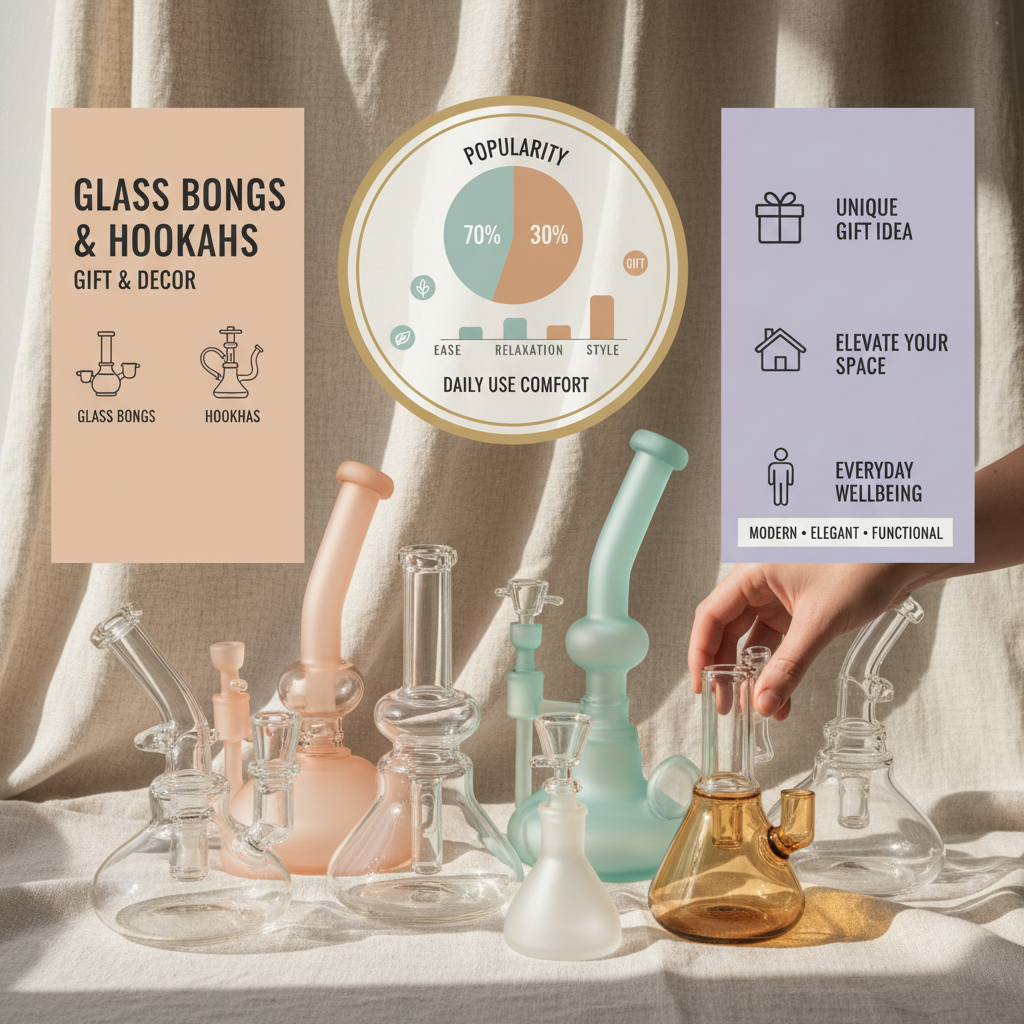
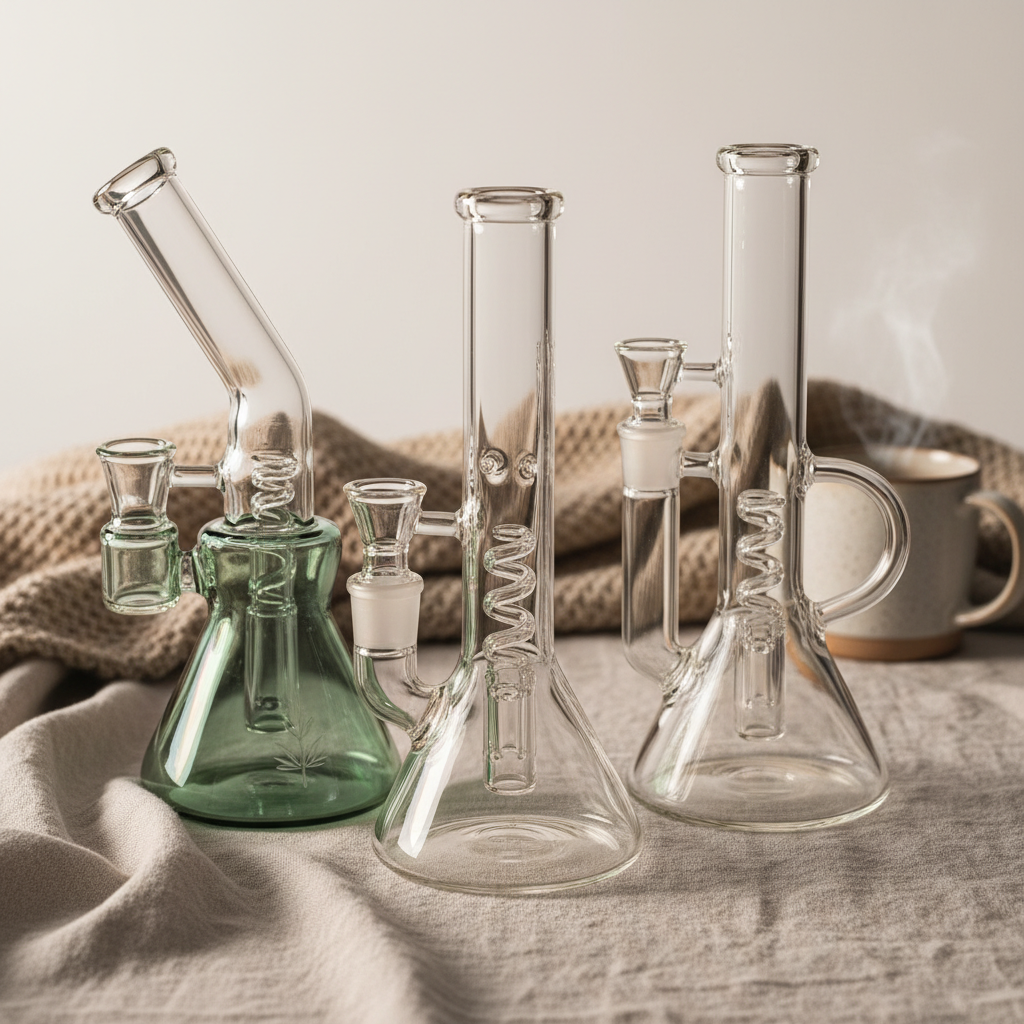
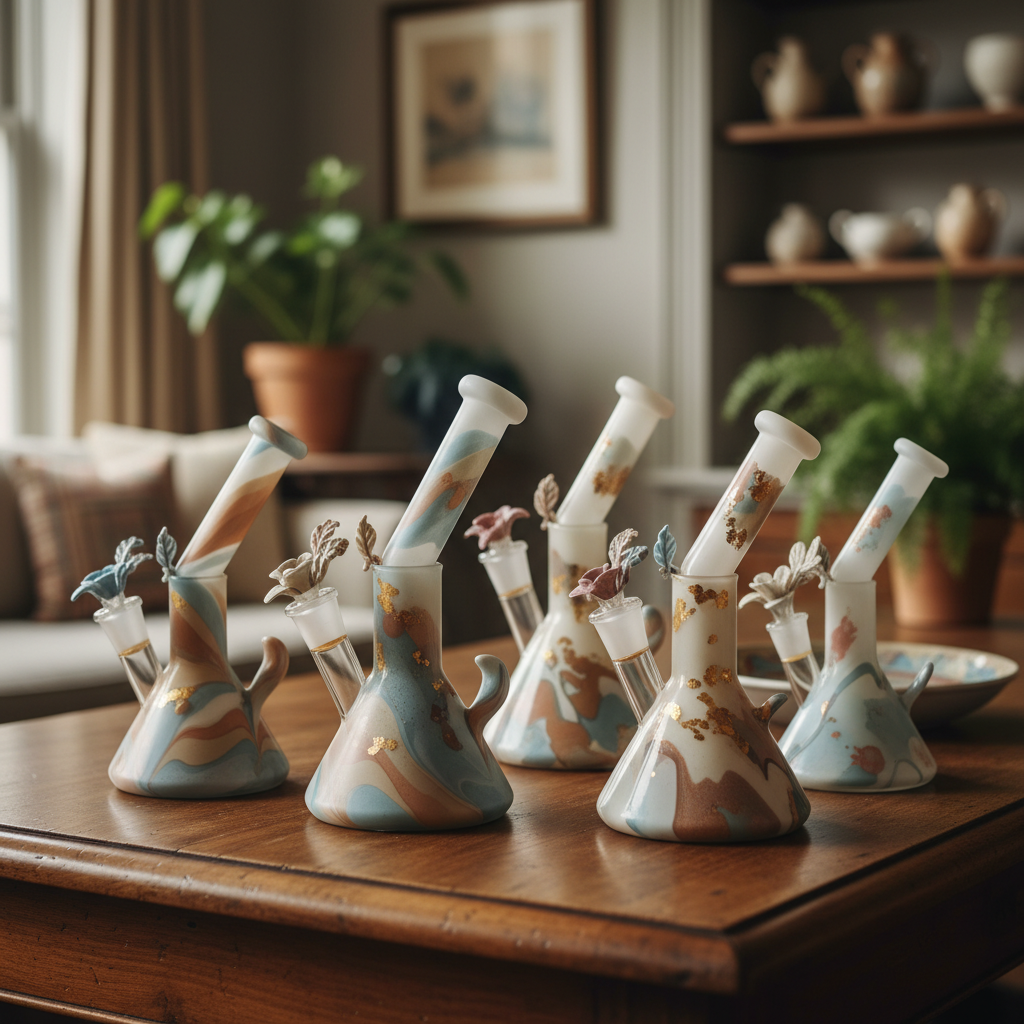
When discussing the intersection of artistic craftsmanship and industrial precision, bong glass stands as a testament to the evolution of borosilicate material science. This specialized glass is not merely a container but a carefully engineered piece of equipment designed to withstand thermal shock and chemical erosion, ensuring a pure experience for the user. Across global markets, the demand for high-quality glasswork has surged as consumers prioritize health, durability, and aesthetic value over cheaper, disposable alternatives.
The global relevance of bong glass is mirrored in the broader trends of the non-metallic mineral products industry, where precision molding and annealing processes are critical. According to international manufacturing standards, the transition toward medical-grade borosilicate has addressed long-standing challenges regarding toxicity and fragility. As regulatory frameworks evolve, the industry is shifting toward transparent supply chains and ISO-certified production methods to guarantee that every piece meets stringent safety criteria.
Understanding the technical nuances of this material is essential for both wholesalers and end-users who seek longevity and performance. From the intricate percolation systems that cool vapor to the thickness of the walls that prevent accidental breakage, the engineering behind the glass determines the overall efficacy of the device. By focusing on the synergy between material purity and structural design, the industry continues to redefine the boundaries of functional glass art.
Material Science and Durability of Bong Glass
The durability of bong glass is primarily derived from the use of borosilicate glass, which incorporates boron trioxide to lower the coefficient of thermal expansion. This chemical composition makes the glass significantly more resistant to cracking when exposed to sudden temperature changes, a critical factor for any vessel involving heat. Unlike standard soda-lime glass, this industrial-grade material maintains its structural integrity under stress, making it the gold standard for high-performance glassware.
Beyond thermal stability, the physical hardness of the glass prevents surface scratching and clouding over time. This ensures that the clarity of the vessel remains pristine, which is not only an aesthetic preference but also a hygiene requirement. The ability to withstand rigorous cleaning protocols without degrading the material surface allows these products to maintain a long lifecycle, reducing waste and providing superior long-term value to the consumer.
The Role of Thermal Resistance in Glass Engineering
Thermal resistance is the cornerstone of safety in the production of bong glass. In the context of glassblowing and industrial molding, the ability of the material to distribute heat evenly prevents internal tension. When glass is cooled too quickly, it develops "stresses" that can lead to spontaneous shattering; therefore, a precise annealing process is employed to stabilize the molecular structure.
This resistance is particularly important during the actual use of the product, where the bowl may be exposed to intense heat while the base remains cool in water. High-grade borosilicate can handle these extreme gradients without fracturing. This technical capability allows designers to create thinner, more elegant walls without sacrificing the safety or reliability of the device.
Moreover, the chemical inertness of thermally resistant glass ensures that no harmful leachates are released into the air or water during heating. This makes the transition to professional-grade glass a health-conscious decision, as it eliminates the risk of inhaling toxins associated with plastics or lower-quality alloys.
Manufacturing Processes for High-Precision Glassware
The creation of premium bong glass begins with the precise blending of raw silica, boron oxide, and alumina. These materials are melted in high-temperature furnaces where impurities are removed to ensure maximum optical clarity. The resulting molten glass is then shaped through a combination of automated molding and hand-finishing by skilled artisans.
Central to this process is the "annealing" stage, where the bong glass is placed in a temperature-controlled oven called a lehr. By slowly lowering the temperature, the manufacturer removes internal stresses, which drastically increases the impact resistance of the final product. This step is what separates industrial-grade laboratory glass from decorative glassware.
Finally, quality control involves rigorous testing, including vacuum tests for airtight seals and pressure tests for structural weak points. Every joint and connection is inspected to ensure that the airflow is optimized, reflecting a commitment to both engineering excellence and user satisfaction.
Performance Metrics of Different Glass Types
When evaluating the efficacy of bong glass, it is important to compare borosilicate against other common materials. While soda-lime glass is cheaper to produce, it fails significantly in thermal shock tests and is more prone to chemical corrosion. In contrast, quartz glass offers even higher heat resistance but at a cost that is often prohibitive for standard commercial applications.
The balance between cost, clarity, and durability makes borosilicate the optimal choice for most consumer and industrial needs. By analyzing the "thermal expansion coefficient," we can see why specific glass formulations are chosen for different components, such as the bowl versus the main chamber.
Comparison of Glass Material Performance
Global Market Applications and Distribution
The application of bong glass extends beyond a single niche, influencing various sectors of the glassware industry. In North America and Europe, there is a strong emphasis on "artisan" glass, where aesthetic customization meets high-end material science. This has led to the rise of boutique studios that utilize industrial borosilicate to create complex, multi-chambered vessels.
In the Asia-Pacific region, the focus is more on large-scale manufacturing and the export of laboratory-grade glass tubes and components. By leveraging automated production lines, manufacturers can provide consistent quality and scalability, allowing these products to be distributed globally to medical, research, and consumer markets with efficiency.
Sustainability and Environmental Impact of Glass
From an ecological perspective, bong glass is inherently more sustainable than plastic or metal alternatives. Glass is infinitely recyclable without losing its purity, and it does not leach microplastics into the environment. The transition toward "green" furnaces—which use electric heating instead of natural gas—is further reducing the carbon footprint of the production process.
Moreover, the longevity of high-quality borosilicate glass reduces the frequency of replacement. By creating products that last for decades rather than months, the industry is contributing to a "slow consumption" model. This shift is highly valued by environmentally conscious consumers who prioritize reliability and sustainability over cheap, disposable options.
Companies are also innovating in packaging, replacing styrofoam with biodegradable cornstarch inserts to protect fragile glass shipments. This holistic approach to sustainability ensures that the entire lifecycle of the product—from the furnace to the home—aligns with modern environmental goals.
Future Innovations in Borosilicate Technology
The future of bong glass lies in the integration of advanced nanotechnology and automated precision. Researchers are exploring "chemical strengthening" processes, similar to those used in smartphone screens, to make borosilicate even more resistant to impact. This could lead to a new generation of "unbreakable" glass that retains the clarity and purity of traditional lab glass.
Additionally, the adoption of 3D printing for glass (Additive Manufacturing) is beginning to emerge. This allows for the creation of internal geometries—such as complex honeycomb percolators—that were previously impossible to blow by hand. Such innovations will allow for unprecedented control over airflow and cooling, drastically improving the user experience.
Digital transformation is also playing a role through the use of AI-driven quality control. High-resolution cameras and machine learning algorithms can now detect microscopic fissures in the glass that the human eye might miss, ensuring that every piece leaving the factory is structurally perfect.
Analysis of Borosilicate Glass Evolution and Market Metrics
| Material Generation |
Thermal Stability |
Impact Resistance |
Production Cost |
| Standard Soda-Lime |
Low (3/10) |
Moderate (4/10) |
Very Low |
| Basic Borosilicate |
High (8/10) |
High (7/10) |
Moderate |
| Hardened Borosilicate |
Very High (9/10) |
Very High (9/10) |
High |
| Fused Quartz |
Extreme (10/10) |
High (8/10) |
Very High |
| Nano-Coated Glass |
High (8/10) |
Extreme (10/10) |
High |
| Hybrid Composites |
Moderate (6/10) |
Extreme (10/10) |
Moderate |
FAQS
Borosilicate glass contains boron trioxide, which significantly lowers its thermal expansion coefficient. This means it doesn't expand or contract as much as regular soda-lime glass when temperature changes, making it virtually immune to thermal shock. For bong glass, this is essential as it prevents the vessel from cracking when hot vapor meets cool water.
While difficult to tell by sight, authentic borosilicate is typically heavier and has a distinct clarity. A professional way to check is the "thermal test" (though risky), but the best method is to purchase from ISO-certified manufacturers who provide material data sheets. Authentic borosilicate also resists "clouding" after multiple cleaning cycles compared to cheap glass.
Yes, glass is one of the most recyclable materials on earth. However, borosilicate glass has a different melting point than standard bottle glass, so it often needs to be processed in specialized facilities. Many high-end manufacturers now have take-back programs to ensure their glass is recycled correctly rather than ending up in landfills.
Annealing is the process of slowly cooling the glass in a controlled oven. If glass is cooled too quickly, internal stresses are "locked" into the molecular structure. These stresses act like invisible cracks; a small bump or a temperature shift can cause the entire piece to shatter. Proper annealing ensures the glass is stable and durable.
Minor surface scratches can sometimes be polished out, but structural cracks in borosilicate are nearly impossible to repair invisibly. Because the material must be heated to extreme temperatures to bond, a repair often creates a "stress point" where the glass is more likely to break again. It is generally safer to replace damaged components.
Not necessarily. While thicker glass is more resistant to impact, overly thick walls can sometimes hold more internal stress if not annealed perfectly. The key is the balance between wall thickness and material purity. High-quality borosilicate can be relatively thin yet incredibly strong due to its superior molecular stability.
Conclusion
The evolution of bong glass from simple utility to a high-tech intersection of art and science highlights the importance of material purity and engineering precision. By leveraging borosilicate's unique properties—specifically its thermal resistance and chemical inertness—manufacturers have created products that offer unparalleled safety, longevity, and performance. From the meticulous annealing process to the exploration of nano-coatings, the focus remains on providing a reliable, high-quality experience for users worldwide.
Looking forward, the industry is poised for a digital revolution, where 3D printing and AI-driven quality control will further push the boundaries of what is possible. For consumers and wholesalers alike, prioritizing certified industrial standards over low-cost alternatives is the only way to ensure long-term value and safety. As we move toward a more sustainable future, the enduring nature of glass continues to make it the most responsible choice for functional glassware. Visit our website for more professional solutions: www.dsglassbong.com