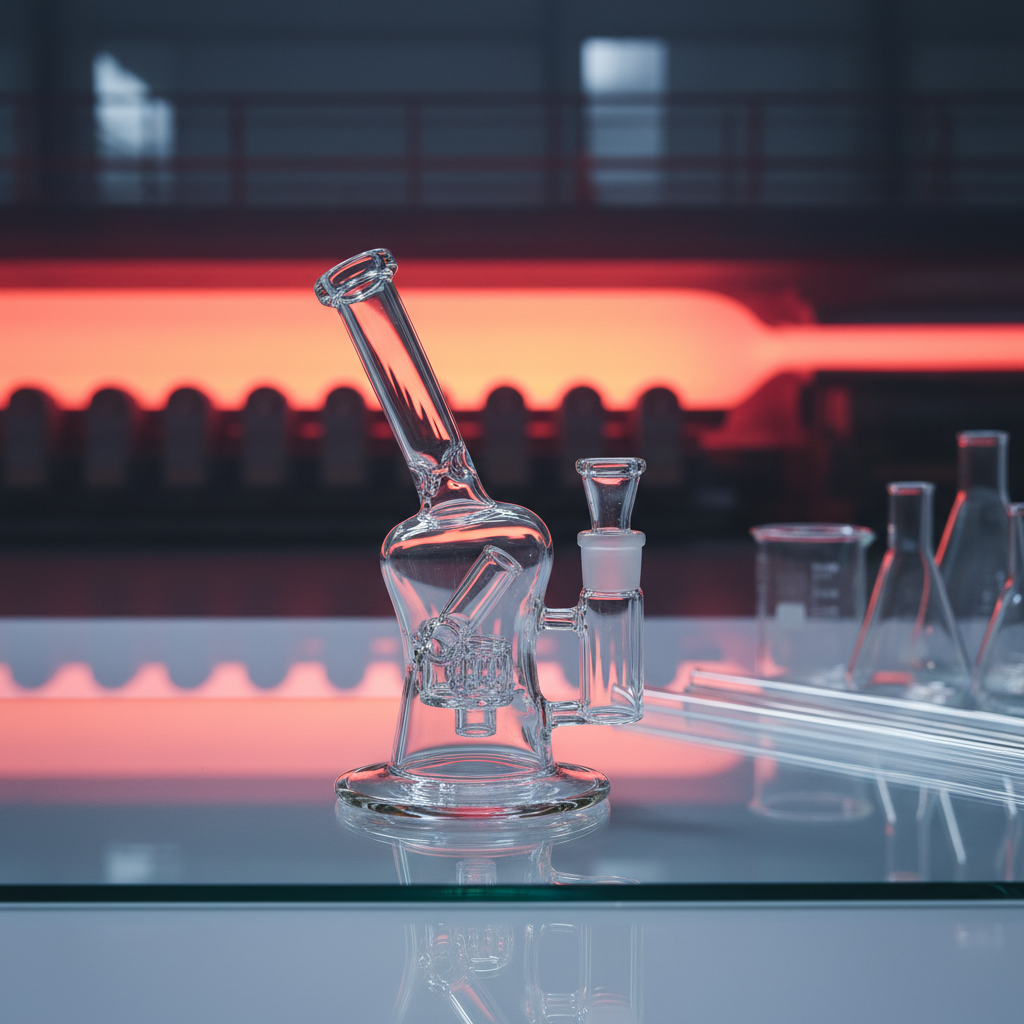
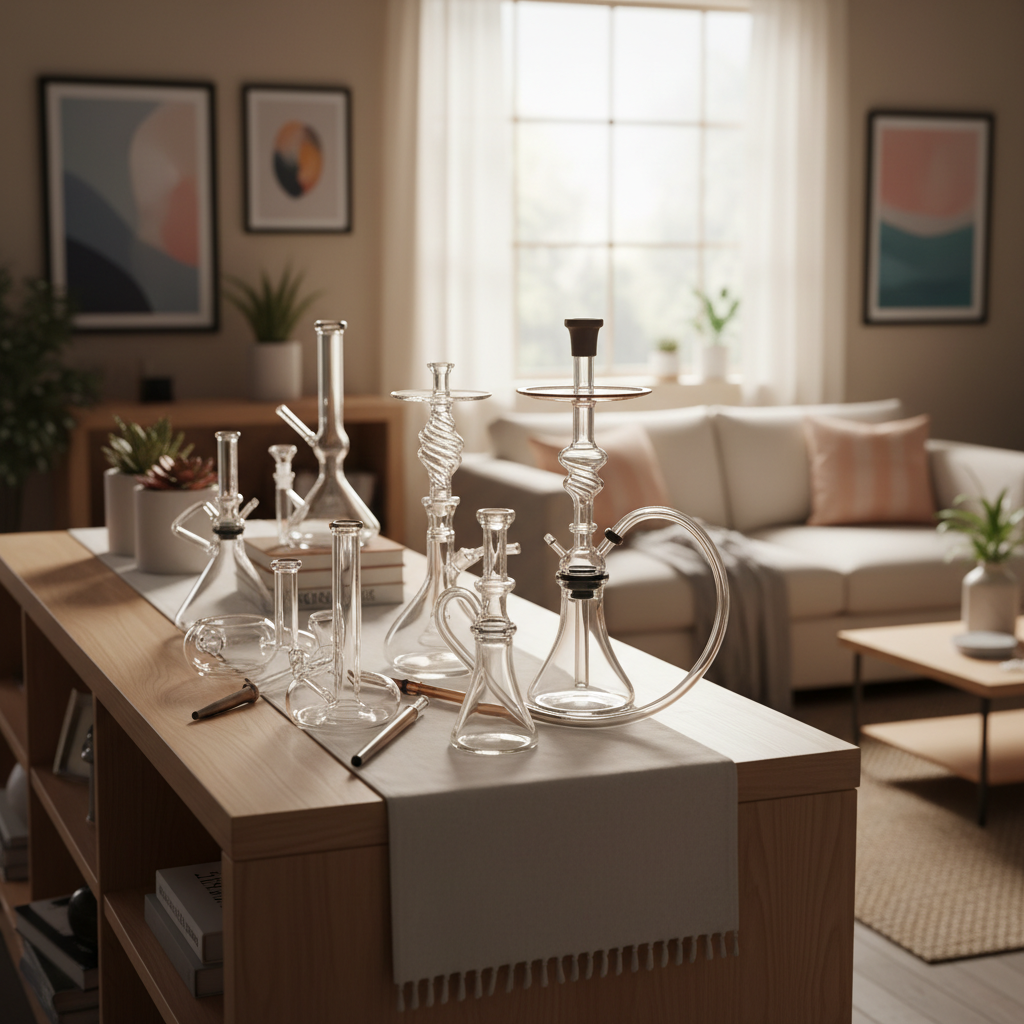
The selection of a high-quality clear glass bong represents a convergence of traditional craftsmanship and modern material science. In the global market for glass smoking accessories, clarity is not merely an aesthetic preference but a critical indicator of the purity of the borosilicate glass used, ensuring that no harmful impurities are introduced during the heating process.
Understanding the nuances of glass thickness, thermal shock resistance, and joint precision is essential for any enthusiast or professional curator. A premium clear glass bong serves as a benchmark for transparency, allowing users to monitor the filtration process and residue buildup in real-time, which is paramount for maintaining hygiene and optimal performance.
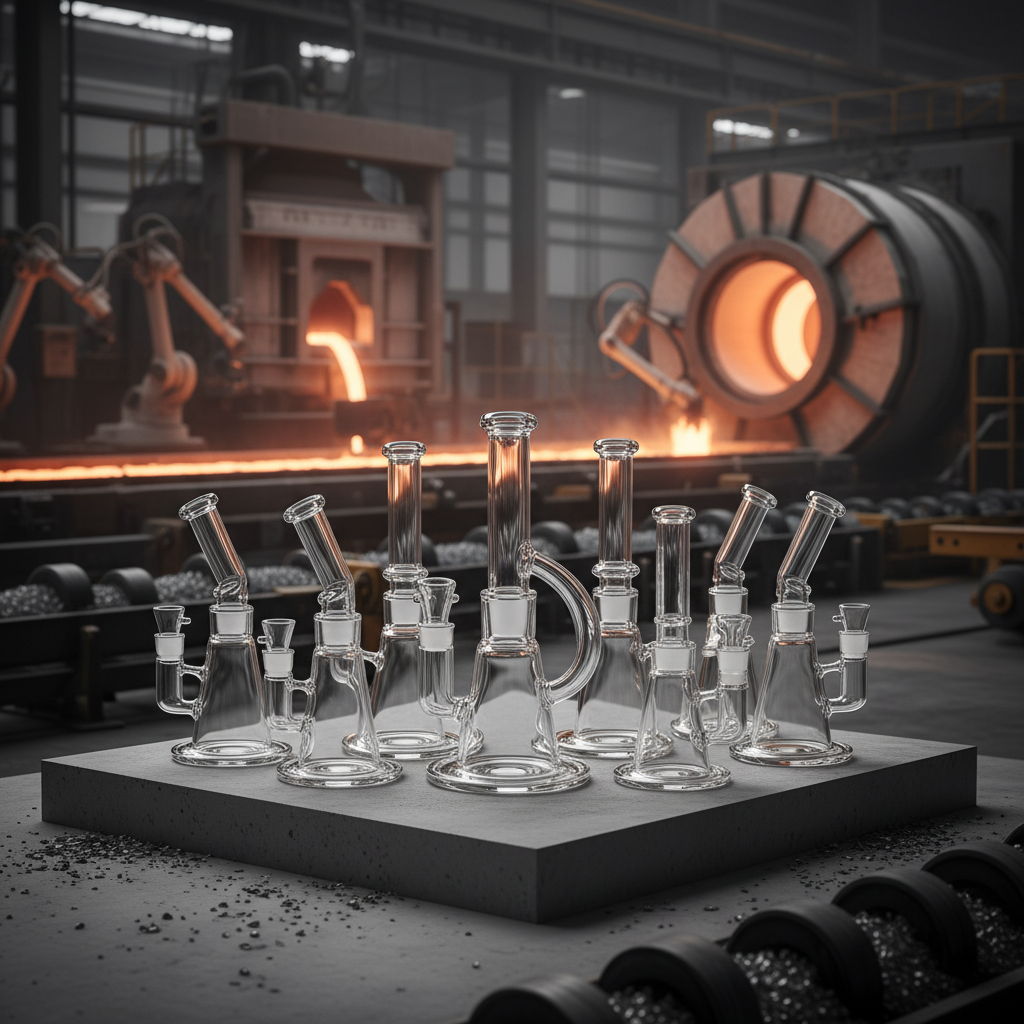
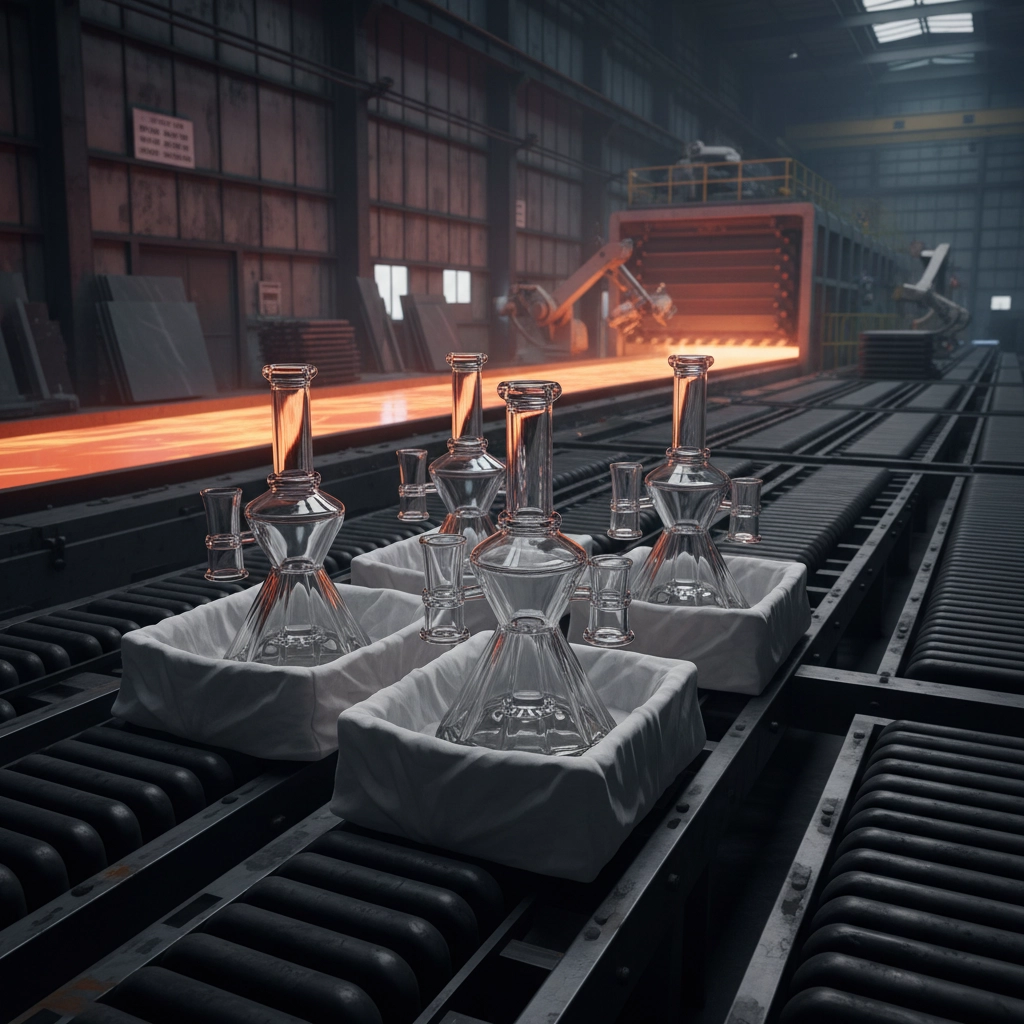
From a manufacturing perspective, the production of these vessels requires stringent quality control to eliminate bubbles and stress points. By focusing on the intersection of durability and visual purity, the industry has evolved to provide tools that are not only functional but also serve as timeless pieces of glassware that withstand the rigors of daily use while maintaining a pristine appearance.
The Material Science of Borosilicate Glass
The foundation of a professional-grade clear glass bong lies in the use of borosilicate glass, a material renowned for its low coefficient of thermal expansion. This technical property prevents the glass from cracking or shattering when subjected to rapid temperature changes, such as when a hot bowl is placed into a water-filled chamber.
Beyond thermal resistance, the chemical inertness of borosilicate ensures that the flavor profile of the contents remains untainted. Unlike cheaper soda-lime glass, a high-quality clear vessel does not leach minerals or chemicals, making it the gold standard for both laboratory applications and high-end consumer glassware.
Design Ergonomics and Filtration Efficiency
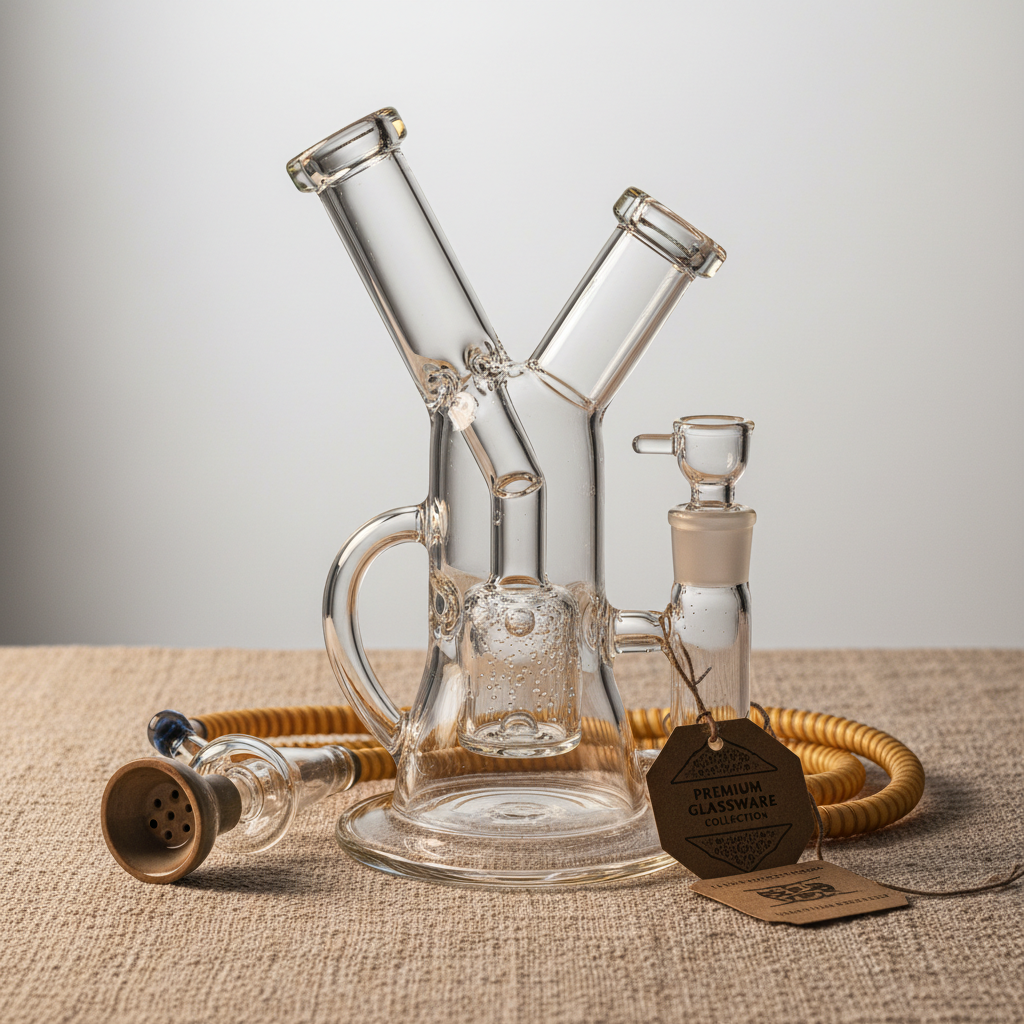
The geometry of a clear glass bong is meticulously engineered to maximize the surface area contact between the smoke and the water. Percolators, ranging from simple downstems to complex honeycombs, are integrated into the design to break the smoke into smaller bubbles, which cools the vapor and filters out heavier particulates.
Ergonomics play a pivotal role in the user experience. The curvature of the neck and the stability of the base are designed to reduce wrist strain and prevent accidental tipping. A well-balanced design ensures that the center of gravity remains low, providing stability even with larger, more intricate clear glass structures.
Furthermore, the transparency of the clear glass allows users to precisely calibrate the water level. Proper water volume is critical; too little water results in inadequate cooling, while too much can lead to "splash-back." This visual feedback is a primary advantage of choosing a clear finish over opaque or frosted alternatives.
Maintenance and Hygiene Standards
Maintaining the visual purity of a clear glass bong requires a disciplined approach to cleaning. Because the glass is transparent, resin accumulation is immediately visible, serving as a natural indicator for when a deep clean is necessary to prevent airflow restriction.
The most effective cleaning method for a clear glass bong involves a combination of isopropyl alcohol and coarse salt. The alcohol acts as a solvent for the organic resins, while the salt provides a gentle abrasive action that scrubs the interior walls without scratching the glass surface.
Regular maintenance not only preserves the aesthetic appeal but also ensures the longevity of the piece. By avoiding harsh caustic chemicals and sticking to alcohol-based solutions, users can maintain the structural integrity and the crystal-clear transparency of their glassware for years.
Comparative Performance Analysis
When evaluating different types of glassware, the performance of a clear glass bong is often measured by its "drag" (airflow resistance) and its cooling capacity. Different percolator configurations within clear glass bodies offer varying levels of filtration, which can be quantified based on user preference and smoke density.
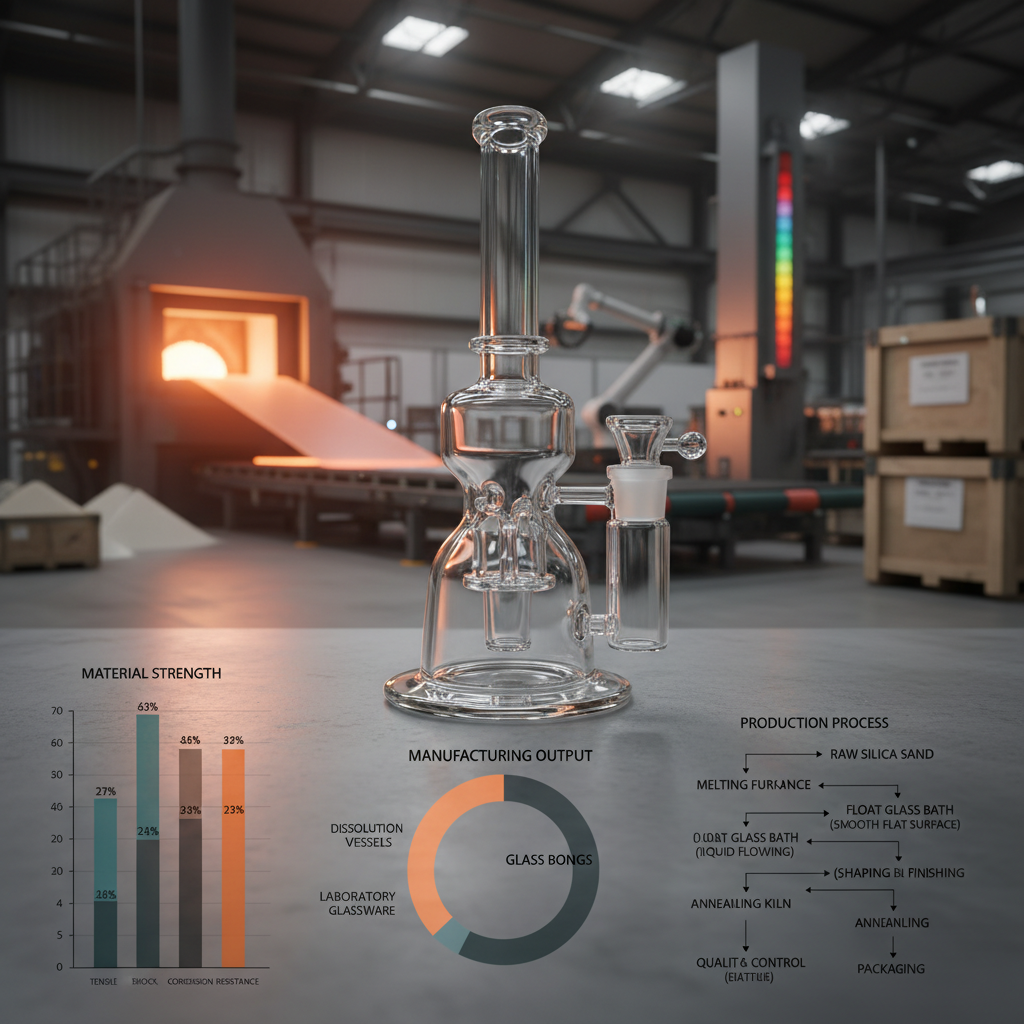
The following data illustrates how different configurations of clear glass designs perform across key metrics such as heat reduction, ease of cleaning, and overall durability.
Performance Metrics of Clear Glass Bong Variants
Global Market Trends and Demand
The demand for the clear glass bong has seen a significant surge in North American and European markets, driven by a growing preference for "minimalist" aesthetics. Consumers are moving away from overly ornate designs in favor of the clean, clinical look that clear borosilicate offers.
Furthermore, the integration of these products into the wellness and aromatherapy sectors has expanded the customer base. The versatility of a clear vessel makes it suitable for a wide range of applications, leading to increased adoption in both residential and commercial settings globally.
Sustainability in Glass Production
Sustainability is becoming a core pillar in the manufacturing of clear glass bong products. Glass is infinitely recyclable, and many modern factories are now implementing closed-loop systems to reuse scrap borosilicate, reducing the energy required for raw material smelting.
Moreover, the shift toward eco-friendly packaging—replacing polystyrene foam with biodegradable molded pulp—reflects the industry's commitment to reducing its carbon footprint. This holistic approach ensures that the product is sustainable from the furnace to the front door.
By promoting long-term durability, the "buy it once" philosophy associated with high-end clear glass reduces the waste generated by disposable alternatives. A robust, thick-walled clear glass vessel is an investment in sustainability, minimizing the frequency of replacement and landfill contribution.
Future Innovations in Glassware Technology
The future of the clear glass bong lies in the integration of smart materials and advanced tempering processes. We are seeing the emergence of "reinforced clear glass" that offers the transparency of borosilicate but with a shock resistance comparable to tempered industrial glass.
Digital transformation is also touching the craft; 3D modeling and precision CNC grinding are allowing for joint tolerances that were previously impossible. This ensures a perfect, airtight seal between the bowl and the clear glass body, eliminating the need for clumsy rubber gaskets.
As we look forward, the marriage of automation and hand-blown artistry will allow for more complex internal filtration systems while maintaining the pristine clarity that users demand.
Technical Specifications Comparison for Clear Glass Bong Variants
| Glass Type |
Thermal Resistance |
Clarity Index |
Durability Score |
| Standard Borosilicate |
High |
9/10 |
7/10 |
| Heavy-Wall Clear |
Very High |
8/10 |
9/10 |
| Soda-Lime Glass |
Low |
7/10 |
4/10 |
| Quartz-Infused Clear |
Extreme |
10/10 |
8/10 |
| Tempered Borosilicate |
High |
9/10 |
10/10 |
| Hand-Blown Art Glass |
Medium |
9/10 |
6/10 |
FAQS
A clear glass bong offers superior visibility, allowing the user to monitor water levels and cleanliness effortlessly. From a material standpoint, clear borosilicate often avoids the additives used in coloring, which some purists believe ensures a cleaner taste and higher transparency.
Real borosilicate glass is significantly more resistant to thermal shock. While not recommended, a slight temperature shift won't crack it, whereas soda-lime glass would. Additionally, high-quality borosilicate has a distinct, crystal-clear transparency without a greenish tint often seen in cheap glass.
While borosilicate is heat resistant, avoid pouring boiling water into a cold clear glass bong, as the extreme sudden temperature delta can cause stress fractures. Warm water is sufficient; for tough residue, isopropyl alcohol is the professional recommendation.
Avoid using metal scrubbers or harsh abrasive pads on the exterior. Use soft microfiber cloths and avoid letting the glass rub against hard surfaces like granite or ceramic. Store it on a padded mat to protect the base.
Generally, yes, as they can withstand more physical impact. However, the "sweet spot" is a balance between thickness and stress relief. Properly annealed thick glass is very durable, but poorly cooled thick glass can actually be more prone to internal tension.
Hard water deposits (calcium/magnesium) can be removed using a mild acidic solution, such as white vinegar or a dedicated citric acid cleaner. Let it soak for 30 minutes, then rinse thoroughly with distilled water.
Conclusion
The clear glass bong stands as a testament to the intersection of utility and purity. By prioritizing high-grade borosilicate glass, ergonomic design, and rigorous maintenance, users can ensure a superior experience that is both safe and efficient. The clarity of the glass is not just a visual trait but a functional advantage that facilitates hygiene and precision in use.
As the industry evolves toward more sustainable production and smarter materials, the classic clear glass vessel will remain the definitive choice for those who value transparency and quality. We encourage users to invest in professional-grade glassware to ensure longevity and performance. Visit our website for more information: www.dsglassbong.com