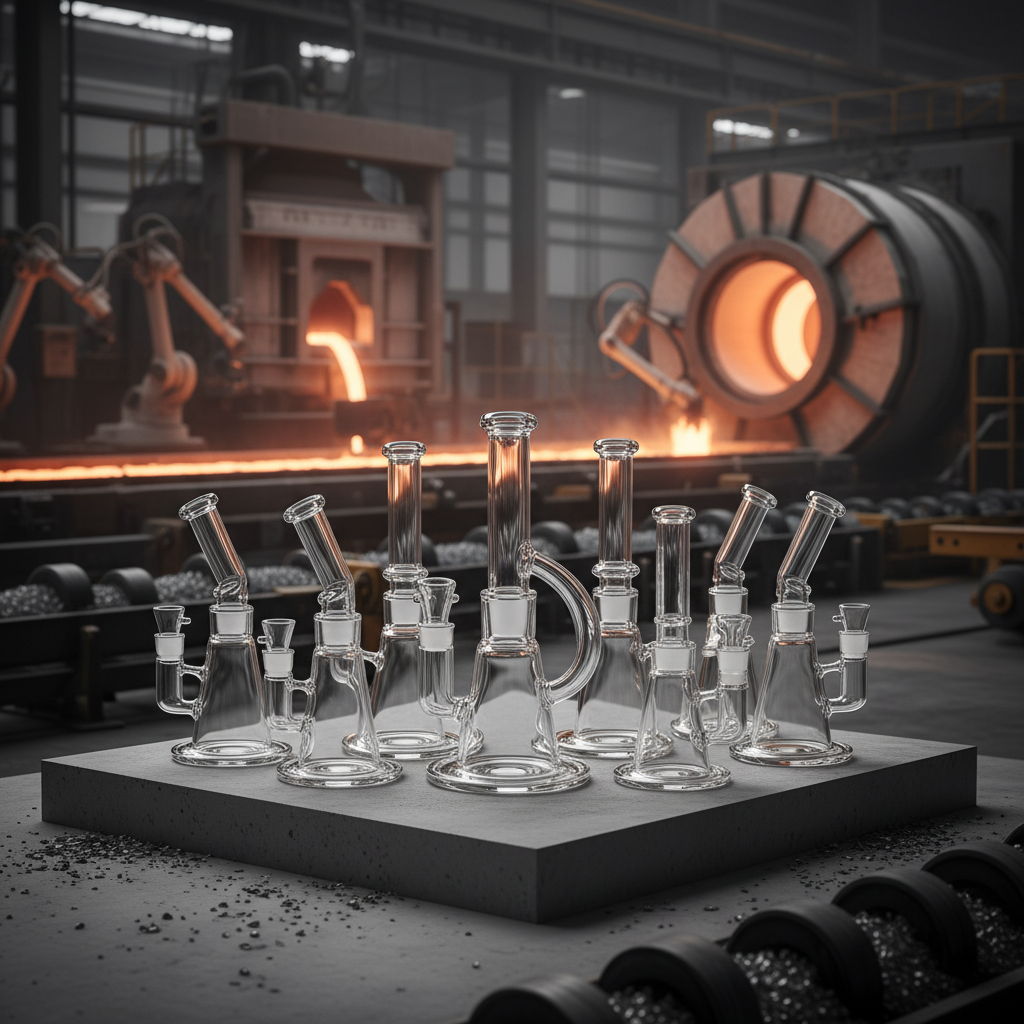
When it comes to the intersection of high-precision glass manufacturing and consumer lifestyle products, clear glass bongs stand out as a testament to the evolution of borosilicate craftsmanship. These pieces are not merely functional tools but are engineered artifacts that prioritize purity, visibility, and thermal resistance, making them a gold standard for enthusiasts and collectors worldwide.
The global demand for high-quality glassware has shifted toward transparency, as users seek to monitor the filtration process and maintain a level of hygiene that only non-porous, clear materials can provide. By leveraging advanced annealing processes and precision molding, the industry has transformed the basic silhouette of water pipes into sophisticated instruments of relaxation and wellness.
Understanding the technical nuances behind clear glass bongs—from the chemical composition of the glass to the fluid dynamics of the percolation—allows consumers to make informed decisions based on durability and performance rather than just aesthetics.
The Material Science of Clear Glass Bongs
The foundation of premium clear glass bongs lies in the use of borosilicate glass. Unlike standard soda-lime glass, borosilicate contains boron trioxide, which significantly lowers the coefficient of thermal expansion. This means the glass can withstand rapid temperature changes—such as the transition from a cold water bath to a high-heat flame—without cracking or shattering.
Beyond thermal properties, the clarity of the glass is achieved through rigorous purification of raw materials. By eliminating impurities like iron oxide, manufacturers produce a crystal-clear medium that does not leach chemicals into the water or smoke, ensuring that the user experiences the purest flavor profile possible.
Engineering for Durability and Thermal Stress
Durability in clear glass bongs is not just about thickness, but about the structural integrity created during the annealing process. Annealing is a controlled cooling process that relieves internal stresses within the glass. Without proper annealing, a piece might look perfect but could spontaneously shatter under minor pressure or temperature fluctuations.
Modern engineering also focuses on the "stress points" of the vessel, such as the joint where the bowl meets the neck. Reinforced joints and thickened bases are common enhancements that prevent the most frequent types of breakage. By optimizing the wall thickness, developers create a balance between a lightweight feel and a rugged build.
Furthermore, the integration of scientific glass-blowing techniques allows for complex percolators that don't compromise the overall strength of the unit. These internal structures are designed to maximize surface area for cooling while maintaining the structural rigidity required for daily industrial or home use.
The Role of Transparency in Filtration Hygiene
One of the primary advantages of clear glass bongs is the ability to visually inspect the internal environment. In any water-filtration system, residue buildup is inevitable; transparency allows the user to identify exactly when a cleaning cycle is necessary, preventing the inhalation of stale particulates.
From a hygiene perspective, the non-porous nature of clear borosilicate ensures that no bacteria or mold can hide within the material itself. When paired with the visibility provided by the clear design, users can ensure that every nook and cranny of their clear glass bongs is sterilized, maintaining a healthy experience.
This "visual feedback loop" also aids in the optimization of the smoking experience. Users can see the bubble size and frequency, allowing them to adjust their inhalation technique to achieve the perfect balance of filtration and airflow, a feature that opaque materials simply cannot offer.
Comparing Performance Metrics of Clear Glass Bongs
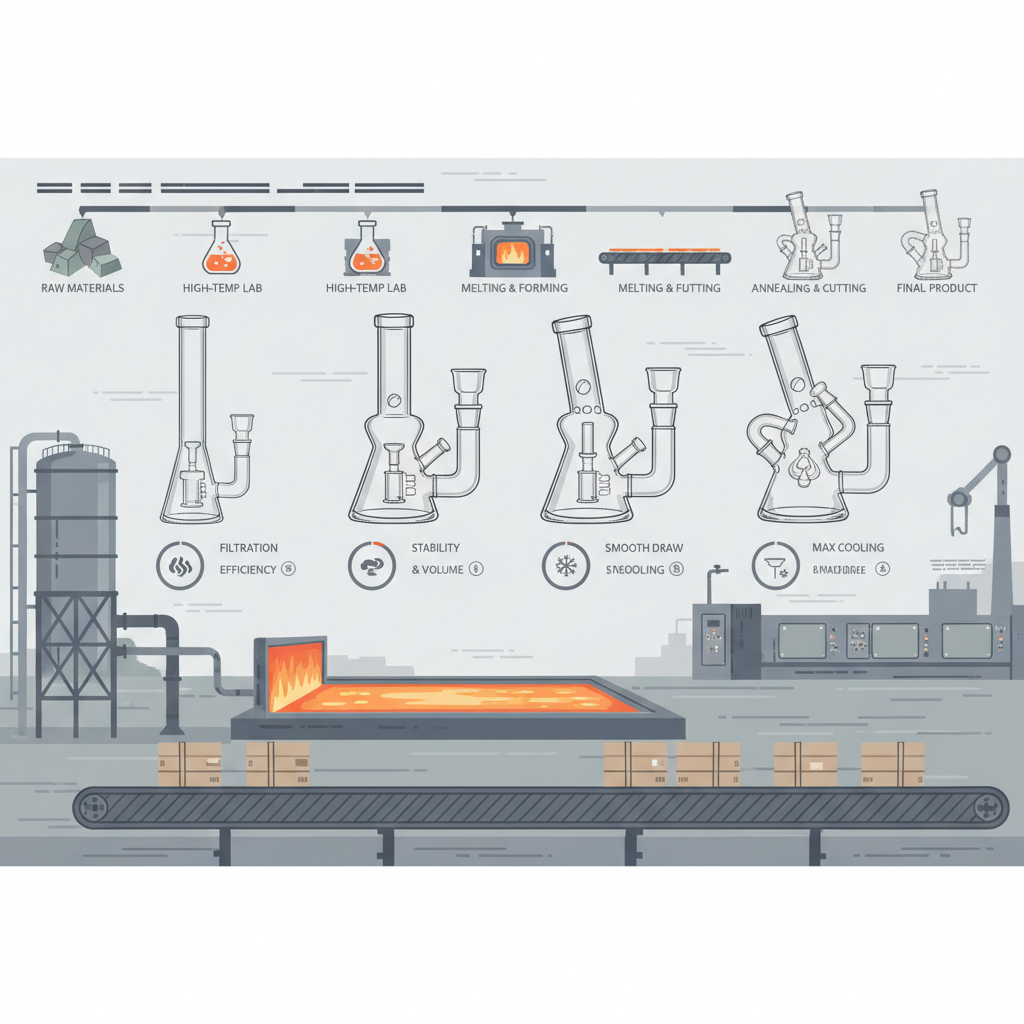
To understand the efficacy of different designs, we evaluate several key performance indicators (KPIs). These include the cooling efficiency, the ease of cleaning, and the overall structural stability. Not all clear glass bongs are created equal; a beaker base offers more stability, while a straight tube might offer better airflow.
By quantifying these attributes, we can see a clear distinction between entry-level glassware and professional-grade laboratory-standard pieces. The following data represents a comparative analysis of common design methodologies used in the production of high-end clear glassware.
Performance Analysis of Clear Glass Bongs Design Types
Global Market Trends and Consumer Adoption
The global market for clear glass bongs has seen a significant uptick in North America and Europe, driven by a growing preference for "minimalist" aesthetics. Consumers are moving away from overly decorated pieces in favor of the clean, clinical look of clear glass, which aligns with modern interior design trends.
Moreover, the rise of legalization in various jurisdictions has shifted the demographic toward a more mature consumer base. This group prioritizes health, purity, and longevity over novelty, leading to a surge in demand for high-borosilicate clear pieces that resemble professional laboratory equipment.
Environmental Impact and Sustainability in Glassware
From a sustainability standpoint, clear glass bongs are an environmentally superior choice compared to plastic or acrylic alternatives. Glass is infinitely recyclable and does not release microplastics or harmful phthalates into the environment during its lifecycle or upon disposal.
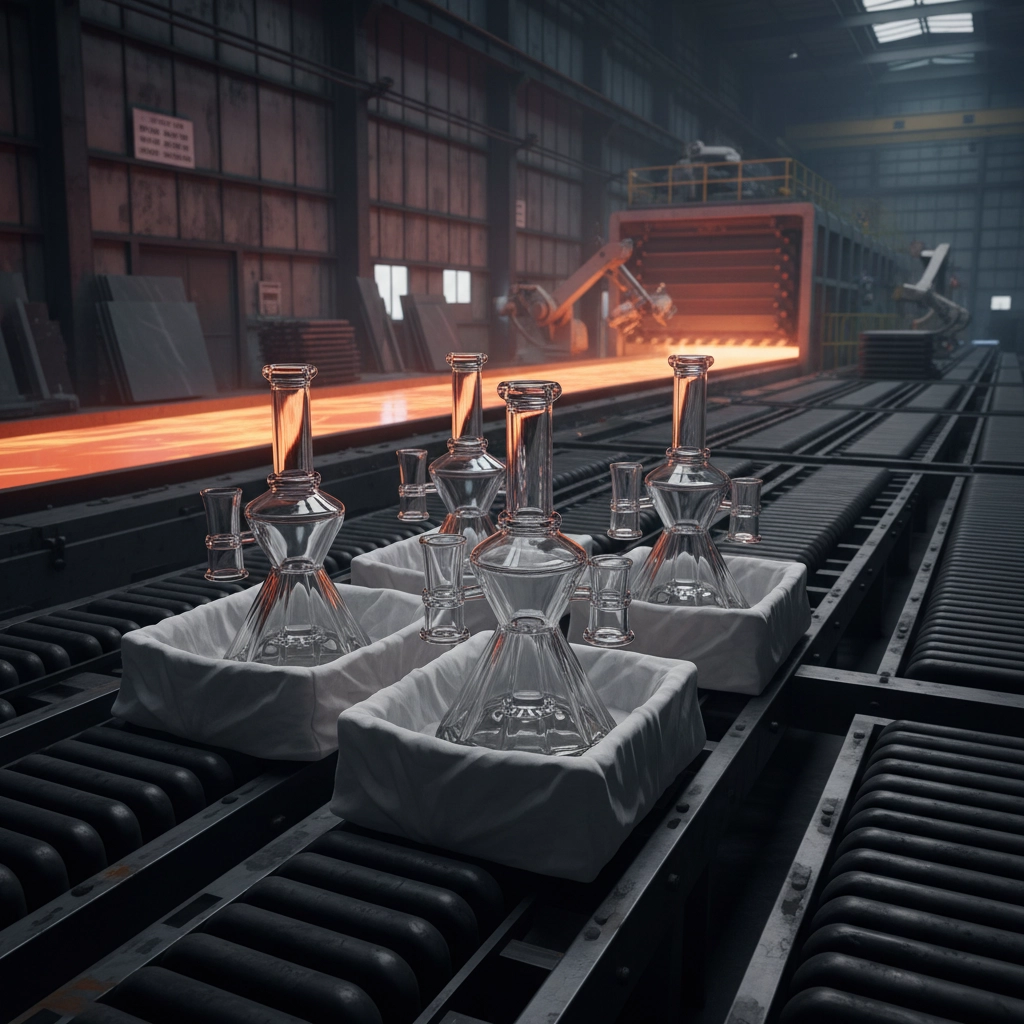
The manufacturing process, while energy-intensive due to the high melting points of silica, is becoming greener. Many top-tier factories are now implementing closed-loop heating systems and switching to electric furnaces powered by renewable energy to reduce the carbon footprint of every piece produced.
Furthermore, the longevity of high-quality clear glass means fewer replacements over time. By investing in a durable, well-annealed piece, consumers reduce the waste associated with "disposable" culture, promoting a more sustainable approach to consumption in the smoking accessories industry.
Maintenance Protocols for Long-term Clarity
To maintain the pristine appearance of clear glass bongs, a systematic cleaning approach is required. The most effective method involves a combination of isopropyl alcohol (91% or higher) and coarse salt. The alcohol acts as a solvent for resin, while the salt serves as a non-abrasive scrubbing agent that doesn't scratch the glass surface.
Regular maintenance prevents the formation of "water lines"—mineral deposits left behind by hard water. Using distilled water in clear glassware is a professional tip that virtually eliminates these deposits, keeping the piece looking brand new for years.
Finally, proper storage is crucial. Using padded holders and avoiding direct contact with hard surfaces prevents the micro-fractures that can eventually lead to structural failure. Following these protocols ensures the longevity and aesthetic appeal of your investment.
Comparison of Maintenance Methods for Clear Glass Bongs
|
Cleaning Agent
|
Effectiveness (1-10)
|
Effort Required
|
Risk of Damage
|
| Isopropyl Alcohol + Salt |
10 |
Moderate |
Very Low |
| White Vinegar + Water |
6 |
Low |
None |
| Commercial Glass Cleaner |
5 |
Low |
Low |
| Lemon Juice + Warm Water |
4 |
Low |
None |
| Dish Soap + Brush |
7 |
High |
Moderate (Scratches) |
| Ultrasonic Cleaner |
9 |
Very Low |
Low |
FAQS
Borosilicate glass has a much lower coefficient of thermal expansion, meaning it can handle extreme temperature changes without cracking. Regular soda-lime glass is prone to thermal shock, making it dangerous for use with high heat. Additionally, borosilicate is chemically inert, ensuring no harmful substances leach into your smoke.
Check for "seeds" (tiny air bubbles) in the glass; high-quality pieces have almost none. Inspect the joints for a perfect, snug fit and look for a consistent wall thickness throughout the body. Authentic borosilicate usually has a slight weight and a distinct "ring" when gently tapped, whereas cheap glass feels lighter and sounds duller.
Cloudiness is usually caused by hard water mineral buildup (limescale). A soak in a mild acidic solution, like white vinegar or a dedicated descaler, can dissolve these minerals. However, if the cloudiness is due to "etching" (chemical damage to the glass surface), it cannot be reversed as the glass structure itself has been altered.
Technically, no, but the need for maintenance is more visible. In colored glass, resin buildup is hidden by the pigment; in clear glass bongs, every smudge is apparent. This actually encourages better hygiene habits, as users are more likely to clean their pieces frequently when they can see the dirt.
Compared to silicone or acrylic, glass is more brittle. However, high-grade borosilicate is significantly tougher than standard glass. While it can break if dropped on a hard surface, its resistance to heat and chemicals makes it far more durable for long-term daily use than plastics, which degrade over time.
While borosilicate glass can handle high temperatures, it is generally advised to use warm or hot water rather than boiling water to avoid unnecessary thermal stress, especially if the glass is cold. A gradual increase in temperature is always safer to preserve the structural integrity of the piece.
Conclusion
In summary, clear glass bongs represent the pinnacle of blending scientific precision with consumer utility. From the chemical advantages of borosilicate glass and the necessity of proper annealing to the hygiene benefits of total transparency and sustainable manufacturing, these pieces offer a superior experience for the discerning user. By focusing on purity, durability, and ease of maintenance, clear glassware ensures a consistent and healthy interaction.
Looking forward, the industry is likely to see even more integration of advanced fluid dynamics and automated precision molding to further enhance filtration efficiency. For those seeking a balance of timeless aesthetics and professional performance, investing in high-quality clear glassware is the most logical choice. To explore our premium selection, visit our website: www.dsglassbong.com