Hookah smoking has become increasingly popular in recent years, especially among young adults who see it as a social and relaxing activity. Many people believe that using hookahs—especially modern designs such as glass hookahs—is a safer alternative to cigarette smoking. The smooth taste, flavored shisha, and stylish appearance of today’s hookah devices often create the impression that the health risks are minimal. However, the reality is more complex. Whether someone uses traditional brass models or premium glass hookahs, the health effects are still significant and worth understanding before making hookah smoking a regular habit.
In this comprehensive guide, we explore the health effects of hookah use, common misconceptions, the role of device materials like glass hookahs, and what scientific research tells us about risks associated with short-term and long-term use.
Hookahs and Health: Understanding the Basics
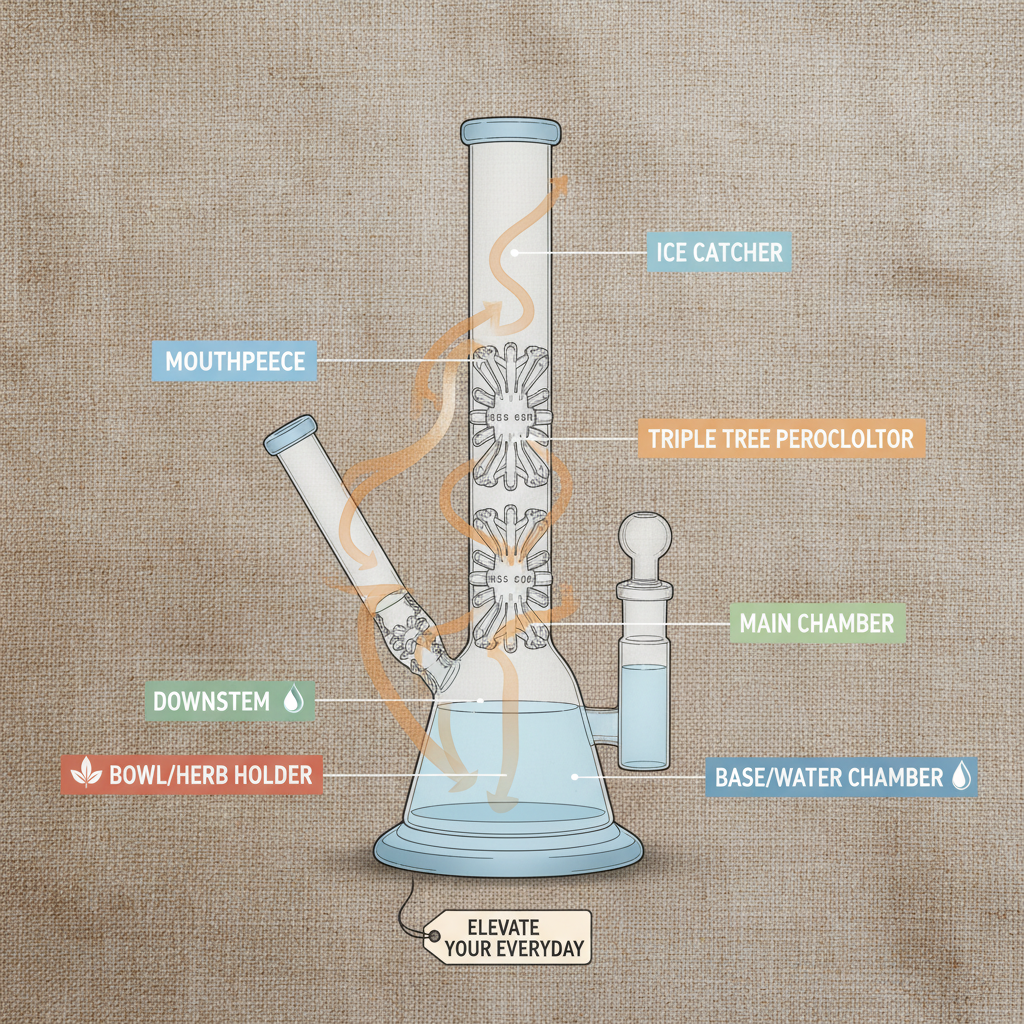
A hookah is a water pipe that allows users to inhale smoke created by heating flavored tobacco—commonly known as shisha—using charcoal. Many believe that the water at the base filters harmful chemicals, making the smoke cleaner and less harmful. In reality, the water only cools the smoke but does not eliminate toxic substances.
Whether users are smoking from traditional metal hookahs or modern glass hookahs, the health risks stem from the tobacco, charcoal, and prolonged smoking sessions, not from the device structure itself. A typical hookah session can last 30–90 minutes, meaning users inhale significantly more smoke than they would from a single cigarette.
Common Misconceptions About Hookah Safety
Misconception 1: “Hookah smoke is filtered and therefore safer.”
The cooling effect of water does not remove toxic chemicals. Research shows that hookah smoke contains high levels of carbon monoxide (CO), tar, nicotine, heavy metals, and carcinogens. Even with clean-burning charcoal, harmful by-products remain.
Misconception 2: “Glass hookahs are safer than metal hookahs.”
While glass hookahs offer cleaner airflow, do not rust, and eliminate the risk of metal oxidation, they do not remove toxins naturally produced by burning tobacco or charcoal. Users may experience a smoother and purer taste, but the health risks related to smoke composition remain largely the same.
Misconception 3: “Shisha has fruit flavors, so it is healthier.”
Flavored tobacco is still tobacco and contains nicotine. The fruit scents simply mask the harshness of smoke, encouraging longer and deeper inhalation.
What Happens During a Hookah Session?
To better understand the health effects, it helps to look at what actually occurs:
-
Charcoal is lit to heat the shisha.
-
The user inhales through the mouthpiece.
-
Smoke travels through the water in the base.
-
Cooled smoke is inhaled into the lungs.
The longer duration of hookah sessions means users may inhale the equivalent of smoking multiple cigarettes in one sitting. Even if glass hookahs provide cleaner tasting smoke, the chemical exposure remains substantial.
Short-Term Health Effects of Using Hookahs
1. Carbon Monoxide Exposure
Charcoal used in hookahs produces carbon monoxide, a toxic gas that can cause headaches, dizziness, nausea, and fatigue. In enclosed spaces, CO levels can rise quickly, posing a risk of CO poisoning.
2. Elevated Heart Rate and Nicotine Intake
Hookah smoke contains nicotine, which increases heart rate and blood pressure. Even occasional smoking can lead to mild nicotine dependence.
3. Respiratory Irritation
Hookah smoke irritates the airways, leading to coughing, throat dryness, and temporary breathing difficulties. The moisture in the smoke does not reduce these effects; it only makes the smoke feel smoother.
4. Exposure to Toxins
Users inhale benzene, polycyclic aromatic hydrocarbons (PAHs), and heavy metals. These substances come from both tobacco and charcoal, regardless of whether glass hookahs or metal hookahs are used.
Long-Term Health Effects of Hookah Smoking
Long-term hookah use has been linked to several serious health concerns:
1. Lung Disease
Frequent hookah smoking increases the risk of chronic bronchitis, decreased lung function, and chronic obstructive pulmonary disease (COPD). The large volume of smoke inhaled during each session places stress on the respiratory system.
2. Heart Disease
Nicotine and carbon monoxide exposure contribute to plaque buildup in arteries, raising the risk of heart attacks and stroke.
3. Cancer Risks
Carcinogens in hookah smoke can contribute to cancers of the:
-
lungs
-
mouth
-
throat
-
stomach
-
esophagus
Studies show that even “occasional” hookah smokers are exposed to carcinogenic compounds at levels comparable to other forms of tobacco smoking.
4. Reduced Fertility
Nicotine and heavy metals affect hormone levels and reproductive health in both men and women.
5. Gum Disease and Oral Health Problems
Hookah smoke dries out oral tissues, increasing risks of gum inflammation, tooth loss, and oral cancers.
How Do Glass Hookahs Affect Health Risks?
Glass hookahs have surged in popularity for their clean appearance, transparent design, and smooth airflow. Many users believe that switching to glass hookahs makes smoking safer. However, here is what you need to know:
Benefits of Glass Hookahs (Non-Health Related):
-
No rust or metal oxidation
-
Easy to clean and sanitize
-
Pure, unaltered smoke flavor
-
Aesthetic appeal
-
No leftover metallic tastes
Health Risks Remain the Same Because:
-
The tobacco is the same
-
The charcoal still produces carbon monoxide
-
Water does not filter toxins
-
The volume of inhaled smoke remains high
In short, while glass hookahs improve the smoking experience, they do not reduce the inherent health risks associated with hookah smoke.
Secondhand Smoke From Hookahs
Many people do not realize that hookah lounges expose non-smokers to secondhand smoke from both:
1. burning charcoal (which produces CO and heavy metals)
2. exhaled tobacco smoke
Secondhand hookah smoke can cause headaches, breathing issues, and elevated CO levels in nearby individuals.
Are Herbal or Nicotine-Free Shisha Options Safer?
Herbal shisha does not contain nicotine, but these products still produce tar and harmful chemicals when heated with charcoal. Using herbal blends with glass hookahs may reduce nicotine exposure, but the smoke still contains toxins that affect the lungs and heart.
How to Reduce Health Risks if You Choose to Smoke
While the safest option is avoiding hookah use altogether, people who choose to smoke can reduce risks slightly by:
-
Using natural coconut charcoal instead of quick-light charcoal
-
Smoking less frequently and for shorter sessions
-
Cleaning glass hookahs regularly to prevent residue buildup
-
Ensuring good airflow and ventilation
-
Avoiding shared mouthpieces
-
Using high-quality shisha to minimize additives
Remember, these steps reduce—not eliminate—health risks.
Final Thoughts: The Real Impact of Hookah Smoking
Hookahs, especially beautiful glass hookahs, have cultural significance and social appeal. However, the perception that they are a “clean” or “safe” alternative to cigarette smoking is misleading. Scientific evidence consistently shows that hookah smoke contains harmful chemicals, produces large volumes of inhaled smoke, and can lead to serious short-term and long-term health problems.
Understanding the health effects allows users to make informed decisions. If you enjoy hookah smoking, do so mindfully, limit frequency, choose safer charcoal options, and maintain proper hygiene. And if you’re considering quitting, knowing these risks is a powerful first step toward better respiratory and overall health.

Previous
Difference Between Hookah and Shishanext
Bong Design