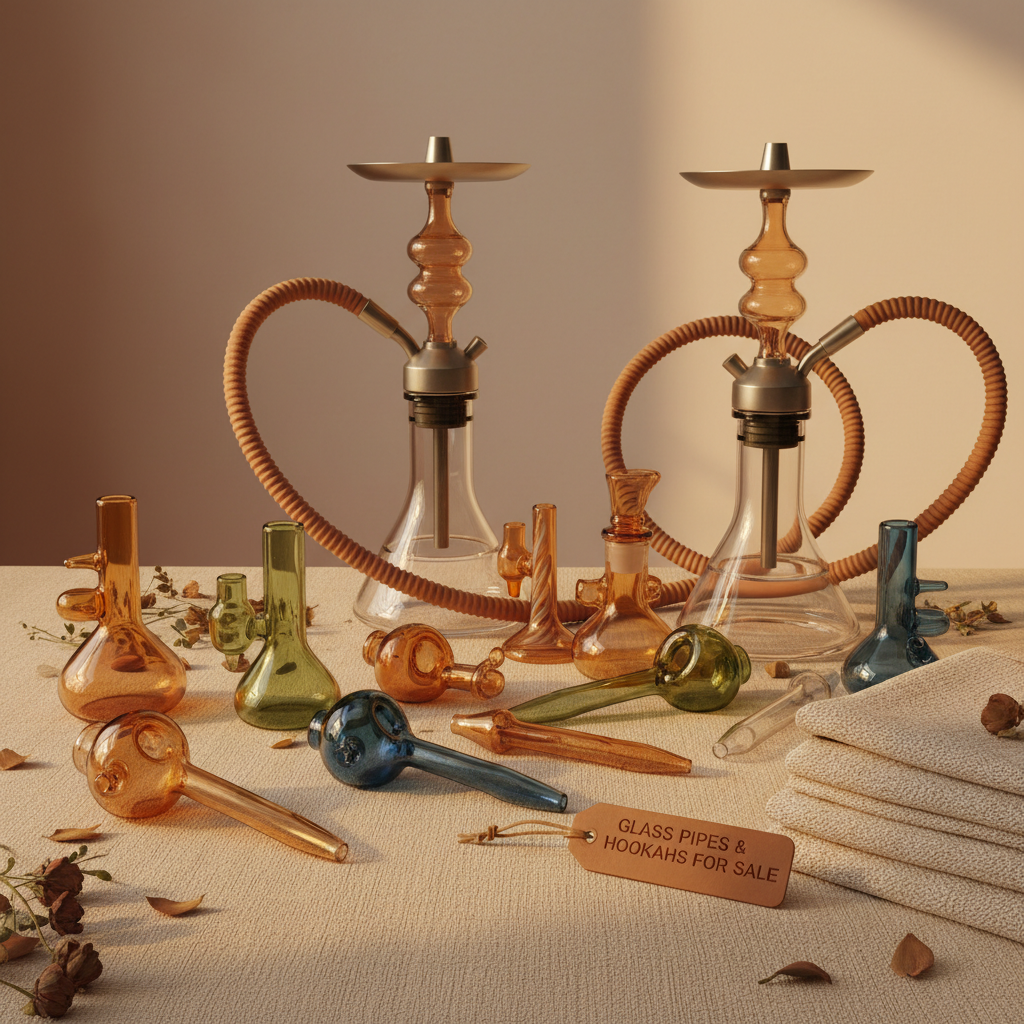
Finding a high-quality yet cheap glass bong can be a daunting task for enthusiasts and newcomers alike. In the vast landscape of glass manufacturing, the balance between affordability and structural integrity is the primary concern for most consumers seeking a reliable smoking apparatus without breaking the bank.
The global demand for accessible glassware has surged as more users prioritize hygiene and purity, moving away from metal or plastic alternatives. By understanding the manufacturing process and the materials used, consumers can identify which budget-friendly options offer the best value and which ones are simply low-quality imitations.
Ultimately, the goal of sourcing a cheap glass bong is not just about the price tag, but about maximizing the utility-to-cost ratio. This guide explores the technical specifications, market trends, and quality benchmarks that define the modern budget glassware industry.
Material Science of Budget Glassware
The foundation of any cheap glass bong lies in the type of glass used. While high-end pieces often utilize borosilicate glass for its thermal resistance, budget-friendly versions may use a mix of soda-lime glass or lower-grade borosilicate. The key is ensuring that the material remains non-toxic and capable of withstanding standard temperature fluctuations during use.
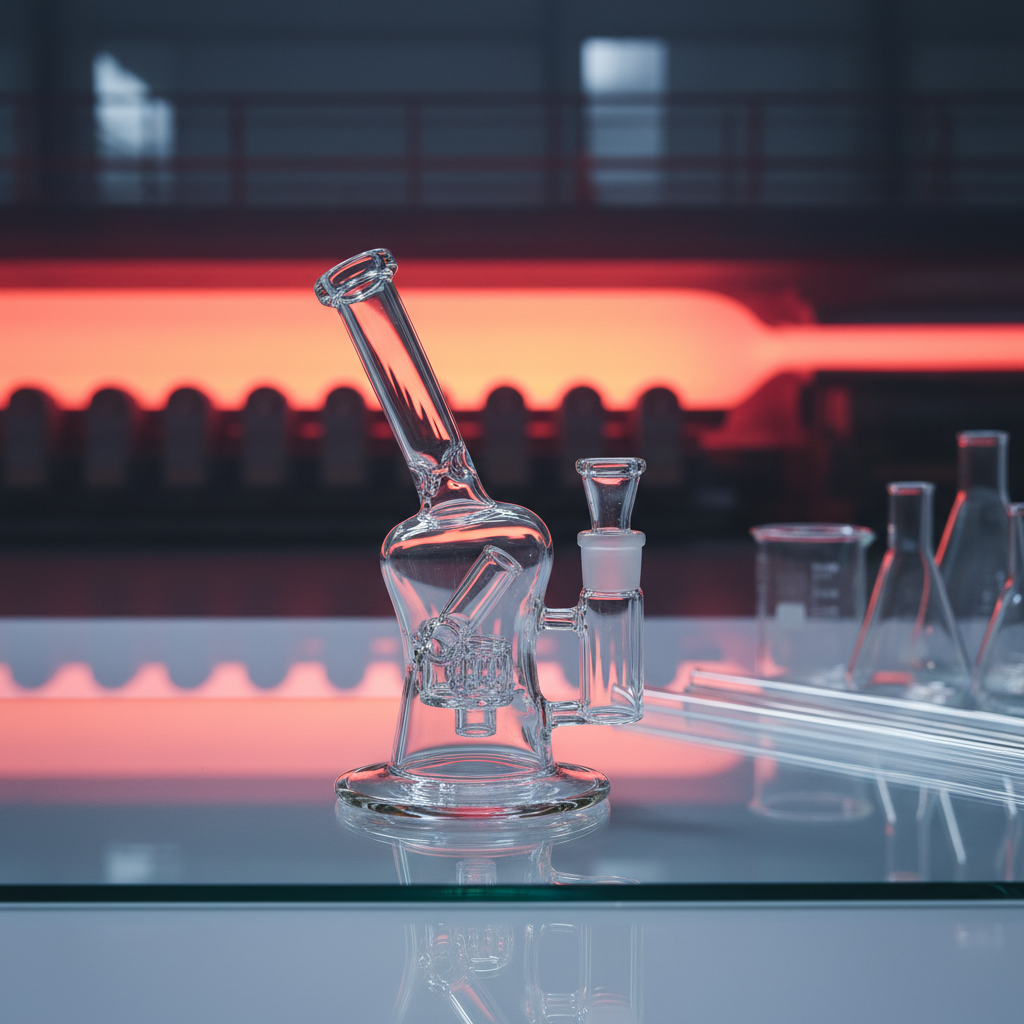
Manufacturing a budget-friendly piece requires a precise chemical balance to maintain clarity and strength while reducing production costs. By optimizing the annealing process—the slow cooling of glass to relieve internal stresses—manufacturers can produce a durable cheap glass bong that resists cracking without requiring the expensive artisanal hand-blowing techniques used in gallery pieces.
Cost Efficiency in Glass Manufacturing
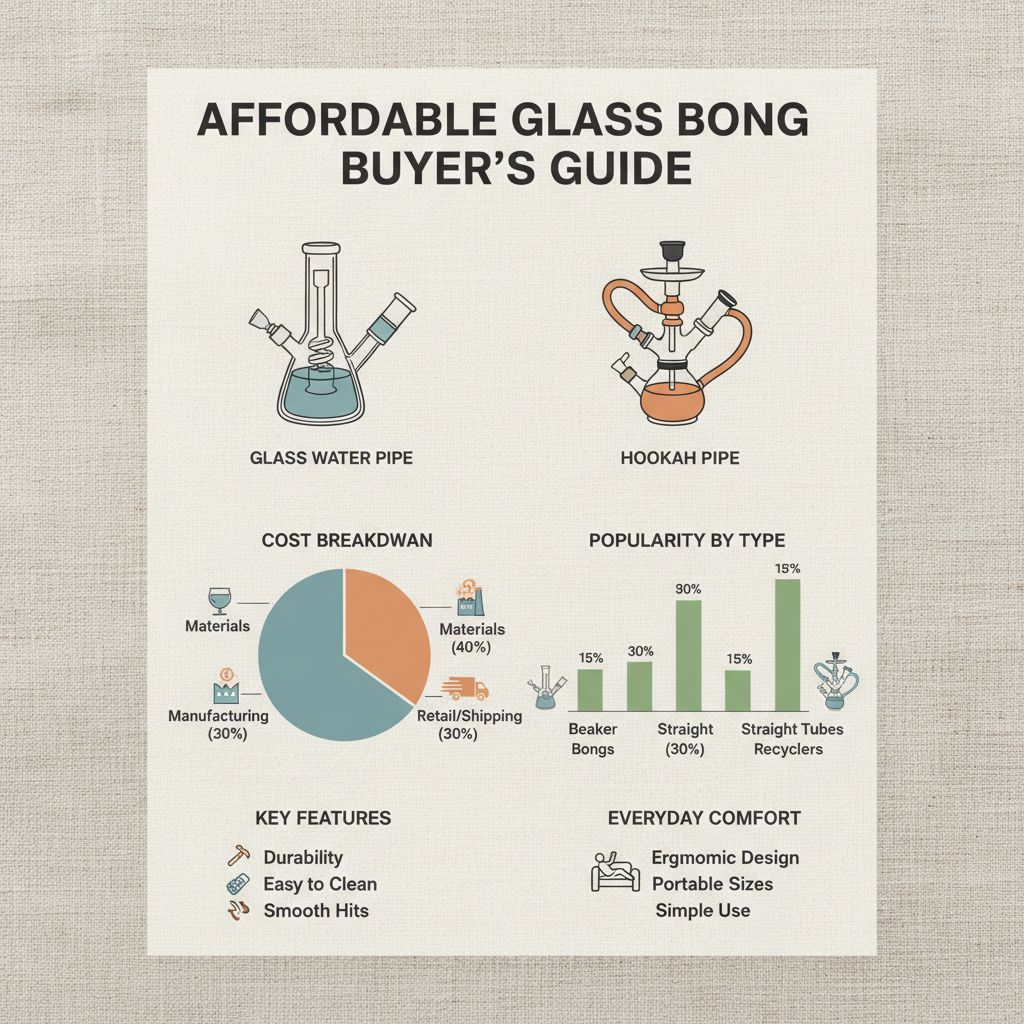
Achieving a low price point for a cheap glass bong often comes down to the scalability of the production line. Automation in mold-blowing and standardized sizing allow factories to produce thousands of identical units, significantly lowering the per-unit cost compared to custom-made laboratory glassware or artistic bongs.
Furthermore, the integration of streamlined supply chains reduces the overhead costs associated with shipping and raw material procurement. By sourcing bulk silica and utilizing energy-efficient furnaces, manufacturers can maintain high quality-control standards while keeping the final retail price of the cheap glass bong accessible to the general public.
Strategic design choices also play a role. Simplifying the percolator geometry and reducing the number of complex joints allow for faster production cycles. This doesn't necessarily degrade the user experience, as basic filtration remains highly effective in most budget-tier designs.
Durability vs. Affordability Metrics
When evaluating a cheap glass bong, the primary metric is the wall thickness. A thinner wall reduces material cost but increases the risk of breakage, whereas a balanced thickness provides the necessary structural integrity for daily use without inflating the price.
It is a common misconception that a cheap glass bong is inherently fragile. Many mass-produced pieces are engineered with reinforced bases and standardized joint fittings that make them surprisingly resilient to the typical wear and tear of home environments.
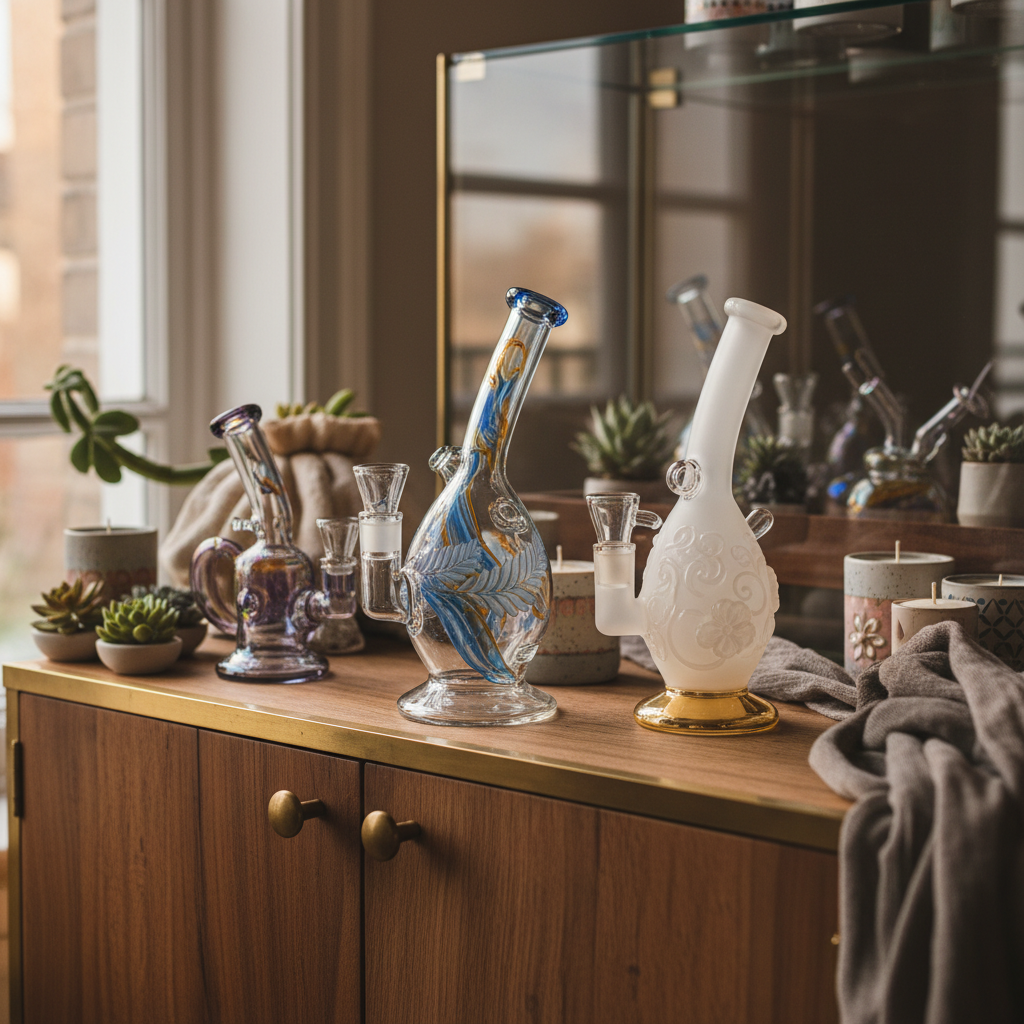
The trade-off typically occurs in the aesthetic detailing rather than the core functionality. By opting for clear glass over expensive iridescent coatings or intricate internal carvings, the manufacturer can offer a cheap glass bong that performs as well as a mid-range piece.
Comparative Performance Analysis
To understand where a budget option fits in the market, we must compare different styles of budget glassware. Whether it is a beaker base, a straight tube, or a miniature travel piece, each variation of a cheap glass bong offers different advantages in terms of stability and smoke filtration.
Analyzing these factors allows the consumer to make an informed decision based on their specific needs—be it maximum stability for a home setup or portability for travel.
Performance Ratings of Various Budget-Friendly Options
Global Market Applications
The accessibility of the cheap glass bong has democratized the experience for users globally. In regions where disposable income is limited, these affordable options provide a hygienic alternative to improvised smoking devices, reducing the health risks associated with aluminum or plastic.
Furthermore, in the retail sector, budget glassware serves as an entry point for new customers. Many specialty shops utilize the cheap glass bong as a "starter" piece, allowing users to familiarize themselves with maintenance and usage before investing in high-end scientific glass.
Long-term Value and Sustainability
When we discuss the long-term value of a cheap glass bong, we must consider its lifecycle. Glass is inherently more sustainable than plastic or acrylic, as it is chemically inert and can be cleaned repeatedly without degrading. This makes even the most affordable glass options a greener choice.
Moreover, the ease of replacing individual components, such as the downstem or bowl, extends the life of a cheap glass bong. Instead of replacing the entire unit, users can simply swap out a broken part, further increasing the economic and environmental value.
From a psychological perspective, owning a dedicated piece of glassware provides a sense of ritual and dignity, regardless of the price. The transition to a cheap glass bong represents a move toward a more intentional and cleaner lifestyle.
Future Innovations in Glass Tech
The future of the cheap glass bong is being shaped by advancements in material science and additive manufacturing. We are seeing the rise of "hybrid" glasses that combine the affordability of soda-lime with the strength of borosilicate through advanced layering techniques.
Digital transformation is also impacting the industry. AI-driven design software allows manufacturers to simulate stress points in a cheap glass bong before it is even produced, leading to designs that are thinner (and thus cheaper) yet stronger than ever before.
Sustainability policies are also pushing the industry toward recycled glass. The integration of cullet (crushed recycled glass) into the production of a cheap glass bong not only lowers the melting point—saving energy—but also reduces the carbon footprint of the entire manufacturing process.
Core Specifications and Comparison of Budget Glassware Options
| Bong Type |
Glass Grade |
Durability Score (1-10) |
Price Accessibility |
| Standard Beaker |
Low Borosilicate |
7 |
Very High |
| Straight Tube |
Soda-Lime Glass |
5 |
Maximum |
| Mini Travel Bong |
Thick Borosilicate |
9 |
High |
| Basic Percolator |
Medium Borosilicate |
6 |
Medium |
| Laboratory Style |
High Borosilicate |
8 |
Moderate |
| Custom Molded |
Mixed Glass |
6 |
High |
FAQS
Yes, as long as it is made from non-toxic materials like borosilicate or soda-lime glass. Unlike plastics or low-grade metals, glass does not leach chemicals when heated. To ensure safety, always check that the glass is free of cracks and clean it regularly with isopropyl alcohol to maintain purity.
The primary differences are the thermal resistance, wall thickness, and artistic complexity. High-end pieces are often hand-blown by artisans using premium borosilicate glass, while a cheap glass bong is typically mass-produced. However, for basic functionality, budget pieces often provide nearly identical performance.
The best way to protect your cheap glass bong is to use a silicone sleeve or a stable base. Avoid sudden temperature shocks (like pouring ice water into a hot bong) and always place it on a soft surface. Using a steady hand during cleaning is also critical to avoid stressing the glass joints.
In most cases, yes. Most budget bongs use standardized joint sizes (such as 14mm or 18mm). This allows you to upgrade your experience by purchasing a higher-quality quartz bowl or a different style of slide without having to replace the entire base of the bong.
The best place is through specialized glass manufacturers who offer direct-to-consumer pricing. This eliminates the middleman markup found in traditional smoke shops. Visiting reputable sites like www.dsglassbong.com ensures you get industrial-grade quality at a fraction of the retail cost.
Not necessarily. Filtration depends on the design (e.g., the shape of the downstem and the amount of water), not the price of the glass. A well-designed cheap glass bong can filter smoke just as effectively as a more expensive version, provided it has a functional percolator or a proper water chamber.
Conclusion
Finding a cheap glass bong does not mean compromising on the core experience of smoking. By focusing on material integrity, standardized designs, and scalable manufacturing, the industry has made it possible to own a durable, hygienic, and effective piece of glassware without a significant financial investment. Whether you prioritize portability, stability, or simple filtration, there is a budget-friendly option that meets these needs.
Looking forward, the integration of recycled materials and AI-optimized designs will only make these products more sustainable and resilient. We encourage consumers to research joint sizes and glass types to ensure they are getting the best value for their money. For those seeking the perfect balance of quality and affordability, we invite you to explore our curated selection. Visit our website: www.dsglassbong.com