How to Make a Glass Bong: Insights From Industry Experience
If you’ve ever been curious about the process of crafting a glass bong, you’re in for a bit of a treat. Having spent years working in industrial equipment sectors—including some time around glass fabrication—I've come to appreciate just how intricate and delicate this art form really is. Now, making a glass bong isn’t just about blowing some glass into a cylinder, as some might think; it’s a carefully calibrated blend of materials science, craftsmanship, and a smidge of creativity.
Oddly enough, many folks outside this niche underestimate the technical challenges, like how consistent heat application can affect the glass, or how structural design influences airflow, which is paramount for a satisfying user experience. In real terms, each bong is a miniature engineering project—albeit for fun rather than factory output.
Material Matters: Borosilicate Glass is King
From my experience, the industry overwhelmingly favors borosilicate glass when it comes to manufacturing bongs. Why? Because it resists thermal shock far better than your standard soda-lime glass. This means you can expect fewer cracks during rapid cooling phases or uneven heating—pretty crucial when you factor in the kind of temperature swings a bong undergoes during normal use.
Frankly, working with borosilicate requires slightly different techniques, especially in handling viscosity and annealing, but the payoff is worth it. It also keeps the bong clearer and cleaner over time, which users definitely notice.
The Basics of Glass Bong Construction
The typical process involves heating a glass tube until it’s malleable, then skillfully shaping it with specialized tools—think blowpipes and shaping paddles, to start. Coordination is key here: too much heat, and the glass deforms uncontrollably; too little, and it snaps or bubbles.
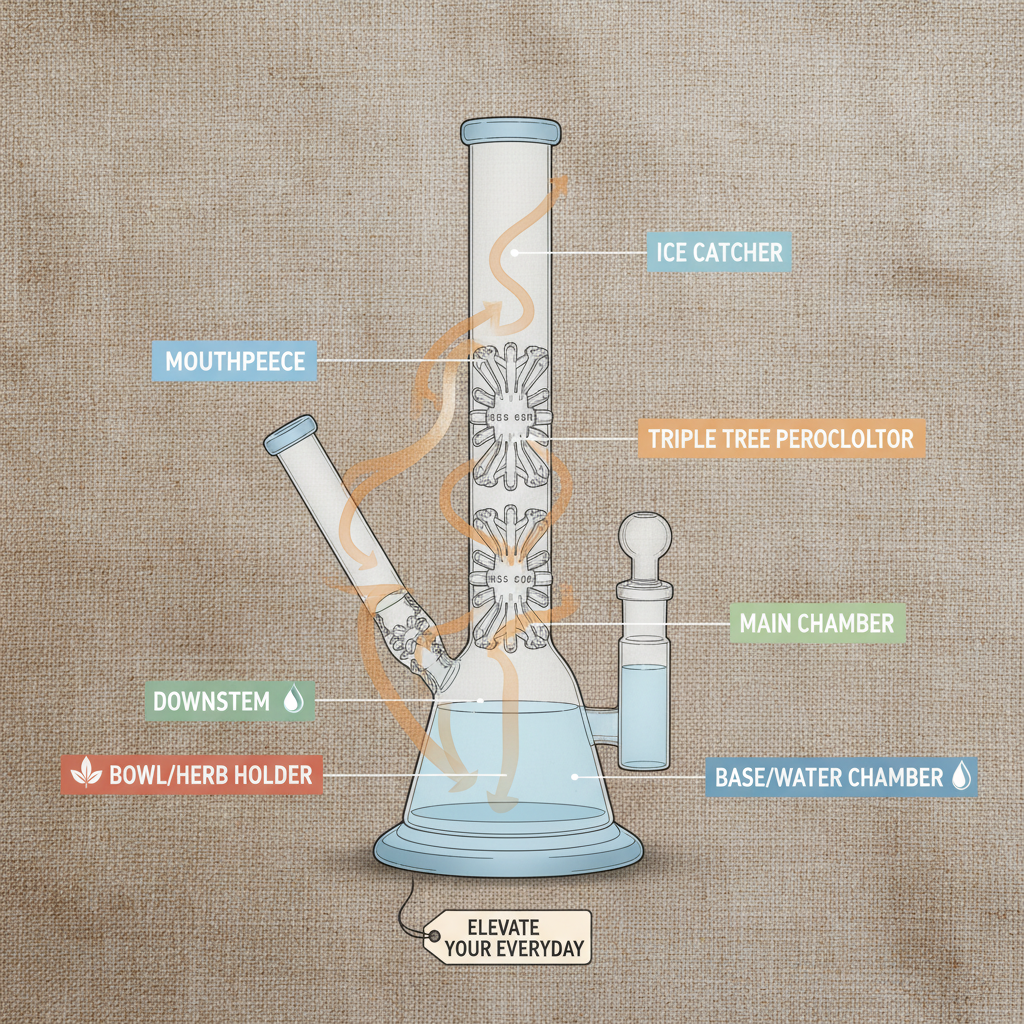
Once the general shape is achieved, precise cuts open holes for the downstem and mouthpiece, which are then seamlessly fused. Many engineers I’ve met emphasize this fusion step as critical—it's where leaks can quietly sneak in and ruin performance. Testing usually follows after assembly, often with airflow and pressure sensors, though in smaller artisan shops this is more a matter of experienced “feel.”
Customization and Design Trends
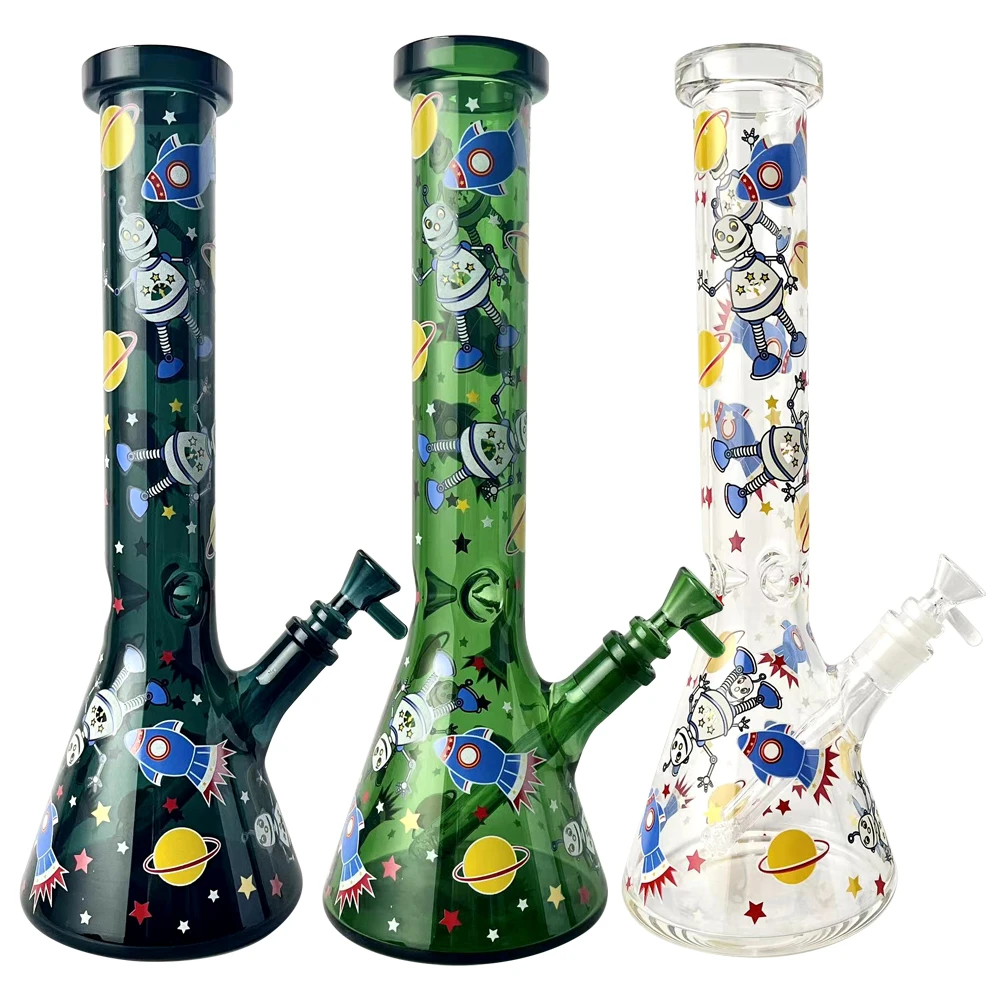
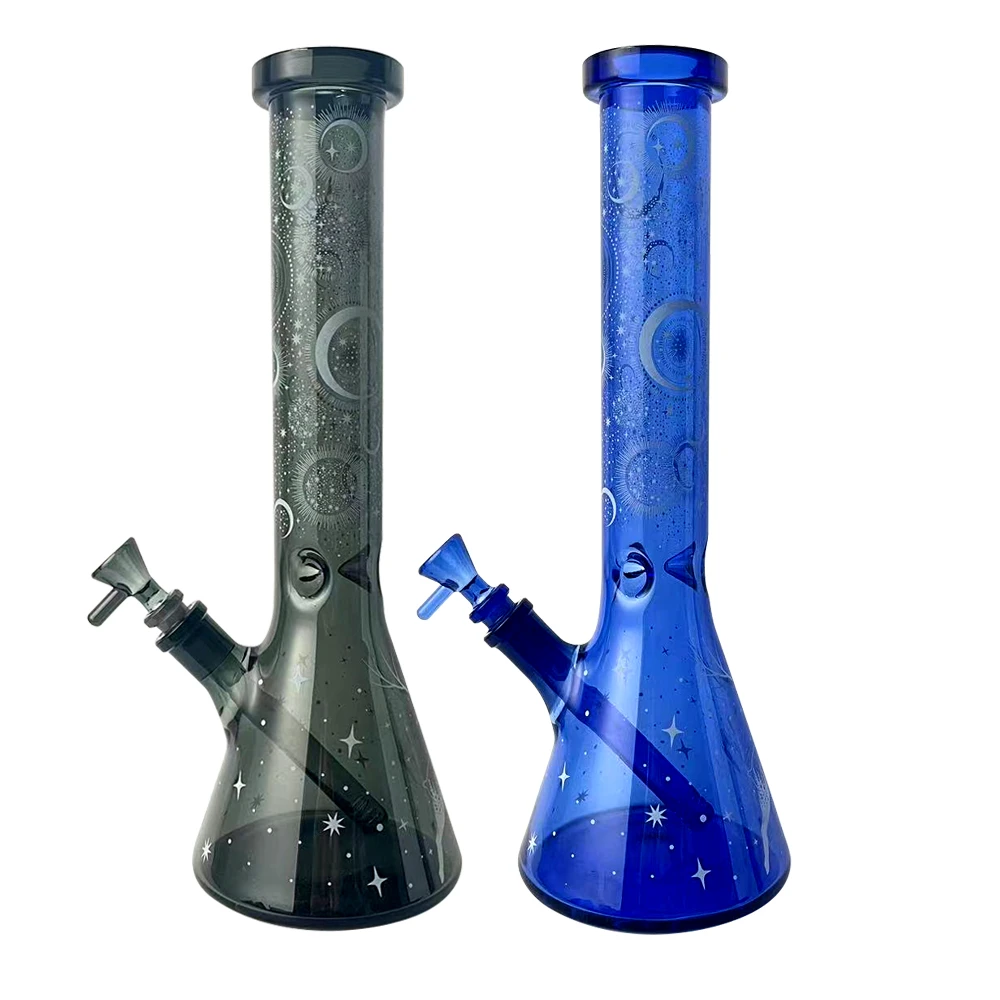
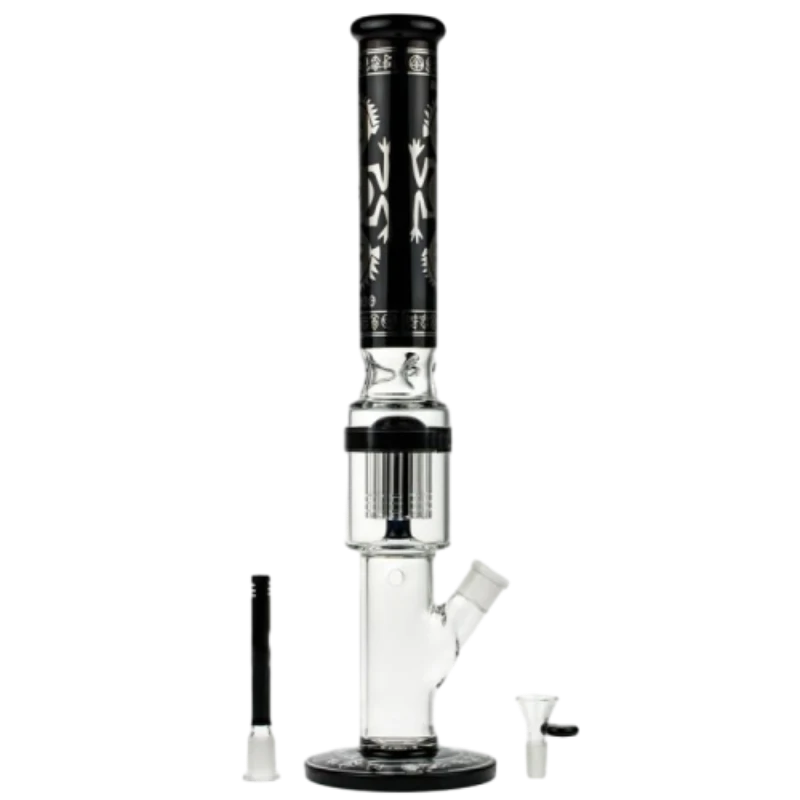
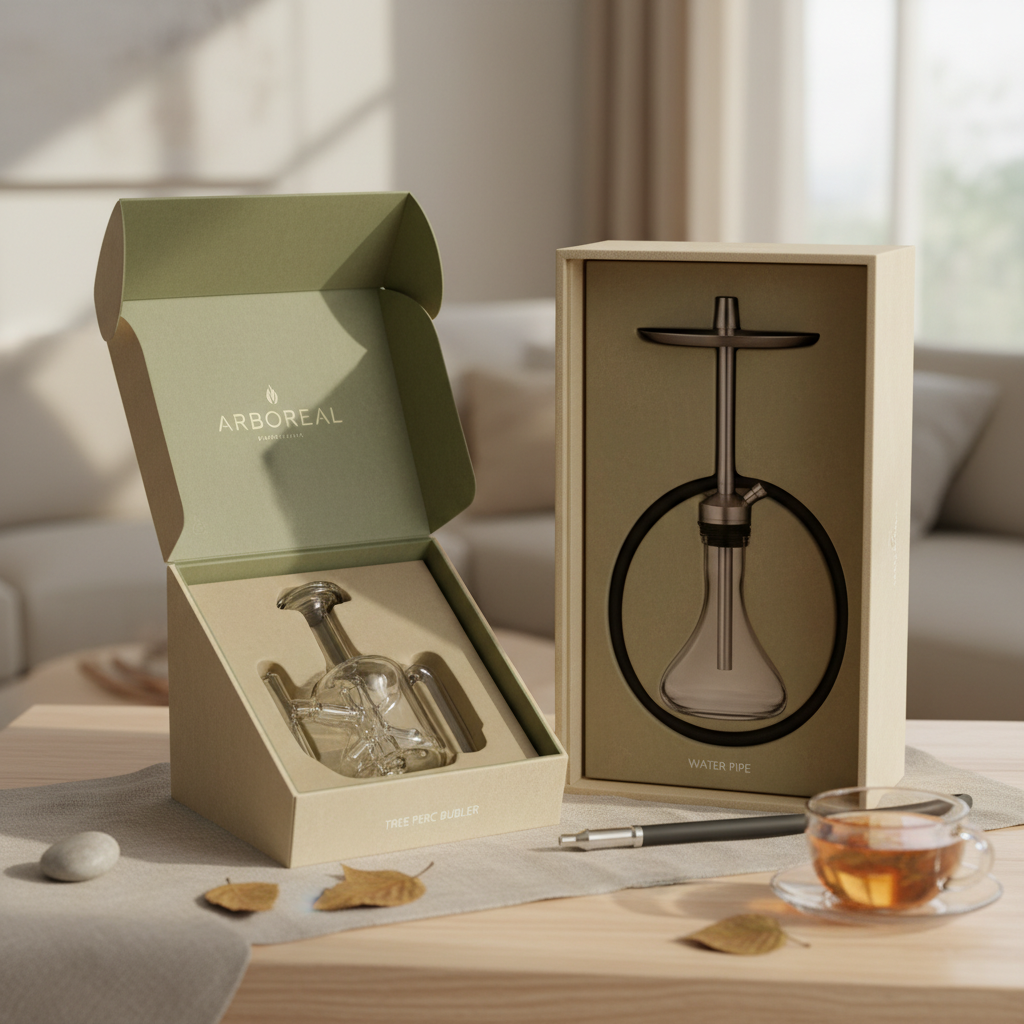
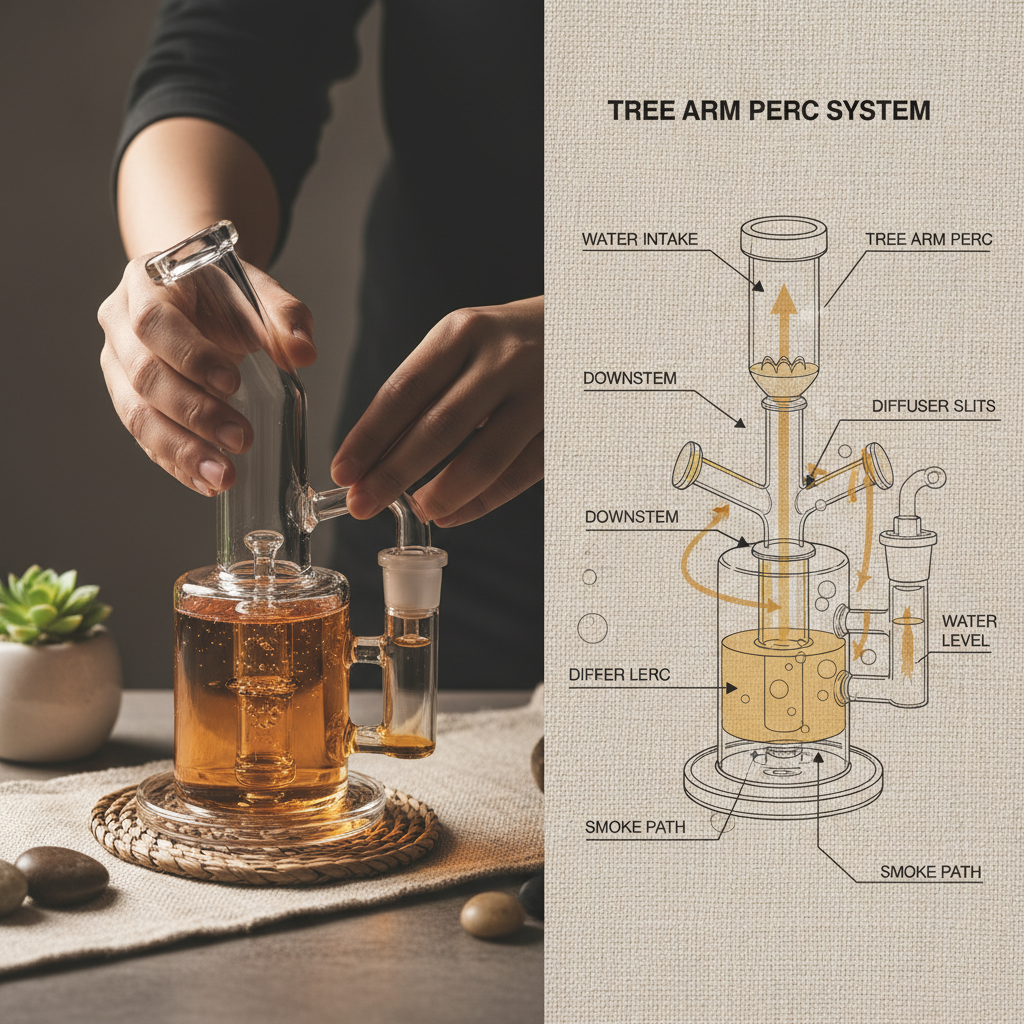
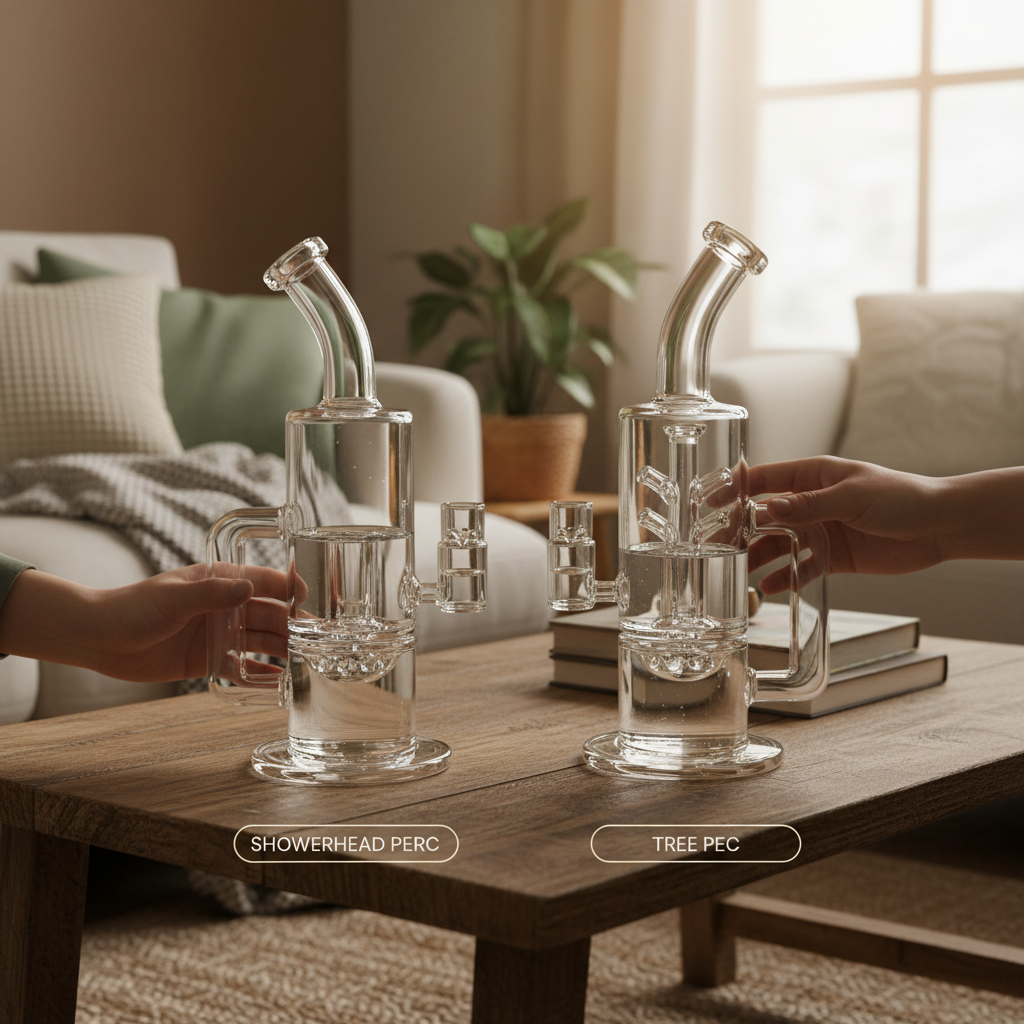
More recently, designers have played with aesthetic and functional customizations: percolators to cool and filter smoke, layered glass colors, and even intricate etching for that artisanal flair. I recall one project where a small glassblower crafted a series of modular bongs that could be disassembled for extreme portability—a neat innovation that didn’t compromise performance.
Product Spec Overview
| Specification | Details |
|---|---|
| Material | Borosilicate Glass |
| Height | 18 inches (45.7 cm) |
| Diameter | 2.5 inches (6.4 cm) |
| Percolator Type | Tree Percolator |
| Joint Size | 14 mm female |
| Weight | 450 grams |
Comparing Major Glass Bong Vendors
| Vendor | Price Range | Customization | Material Quality | Lead Time |
|---|---|---|---|---|
| DS Glass Bong | $$$ | High (custom shapes/colors) | Premium borosilicate | 2-3 weeks |
| ClearWater Designs | $$ | Moderate (limited patterns) | Standard borosilicate | 1-2 weeks |
| Blue Flame Creations | $ | Low (stock models) | Soda-lime glass | 3-5 days |
One fun story I recall is about a customer who wanted a custom-colored bong as a gift. The glassblower managed to craft a piece with swirling blues and reds that looked like molten lava frozen in time. Watching that thing take shape in the hot shop oven felt like witnessing magic—something I still appreciate years later.
For anyone thinking about their first DIY glass bong project: patience and respect for the materials are key. And honestly, I’d recommend checking out products from reputable suppliers like DS Glass Bong. Their attention to quality really shows in the durability and the smoothness of their designs.
In conclusion, crafting a glass bong melds art with science, demanding precision, knowledge of materials, and a touch of flair. I suppose that is part of what makes the industry so fascinating, even after all these years of hands-on experience.
Stay curious and keep exploring the nuances behind what seems like everyday objects—we often find the stories that make them special.
References
- Elmer, J. “Glassblowing Techniques and Industry Trends,” Industrial Craft Journal, 2021
- Smith, L. “Thermal Shock Resistance in Borosilicate Glass,” Materials Science Review, 2019
- Wilson, T. “Design Innovations in Glass Smoking Equipment,” B2B Glassware Magazine, 2022