How to Use a Glass Bong: A Practical Guide and Global Perspective
To some, a glass bong might just seem like a simple smoking accessory. But, oddly enough, understanding how to use a glass bong properly matters not only for enjoyment but also has subtle cultural and industrial significance worldwide. Whether you're a first-timer or someone curious about the nuances, knowing how a glass bong works and how to use it right enhances both experience and safety—and frankly, that’s worth appreciating.
Introduction: Why Understanding How to Use a Glass Bong Matters Globally
The use of glass bongs has expanded beyond niche circles. Across many countries—from the U.S. to parts of Europe and even some parts of Asia—there’s a growing demand for cannabis-related products as laws evolve. According to the 2023 United Nations World Drug Report, cannabis remains the most widely used illicit drug worldwide, with increasing legalization for recreational and medicinal use. This trend naturally drives demand for accessories, like glass bongs.
However, new users often struggle with the correct usage. Misusing a glass bong can lead to wasted product or coughing fits, which doesn’t exactly help a healthy image. It also touches on public safety and health, connecting small-scale consumer education with larger industry challenges.
What Is a Glass Bong?
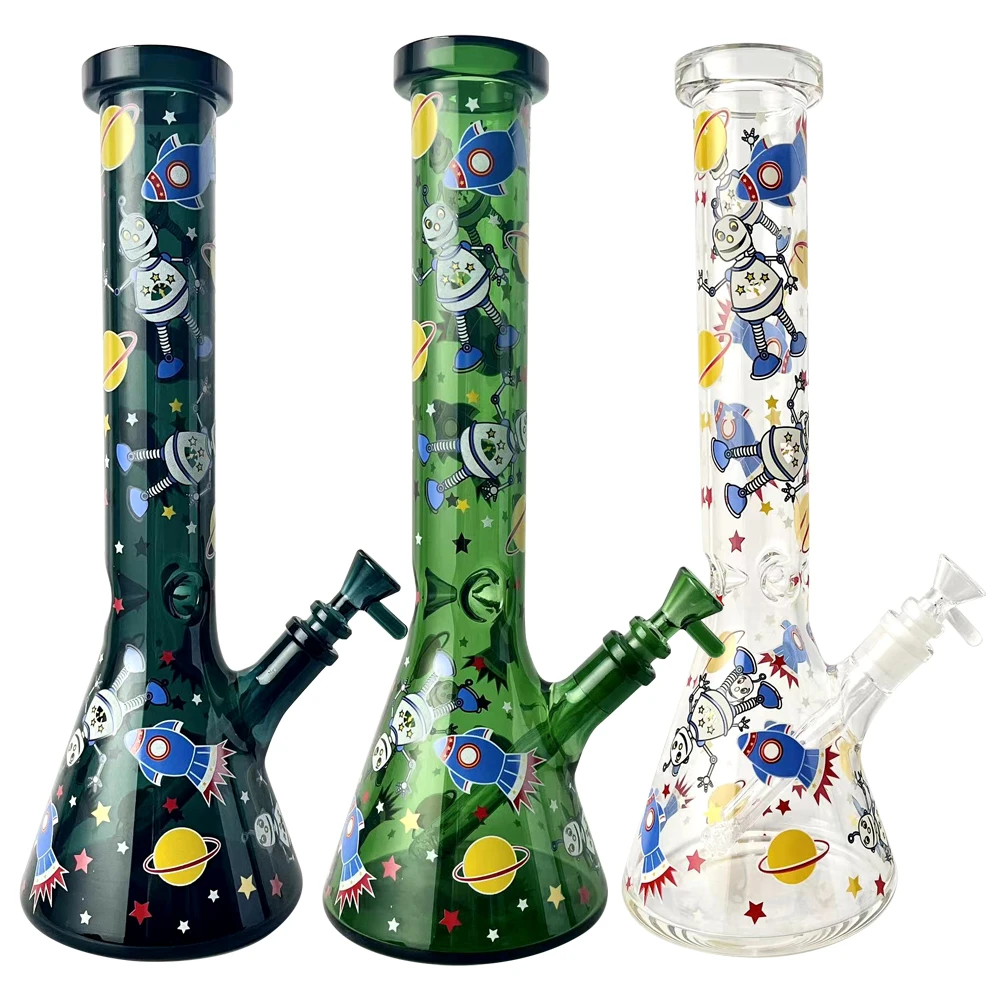
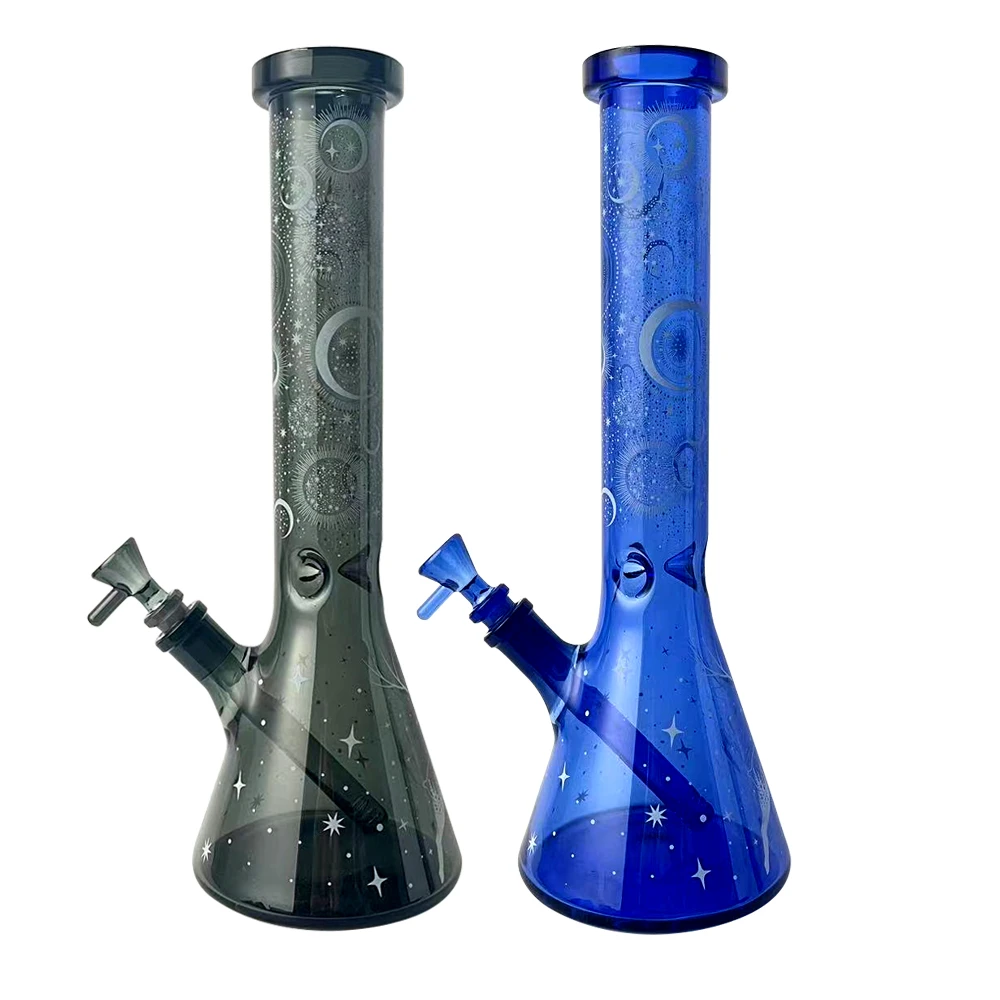
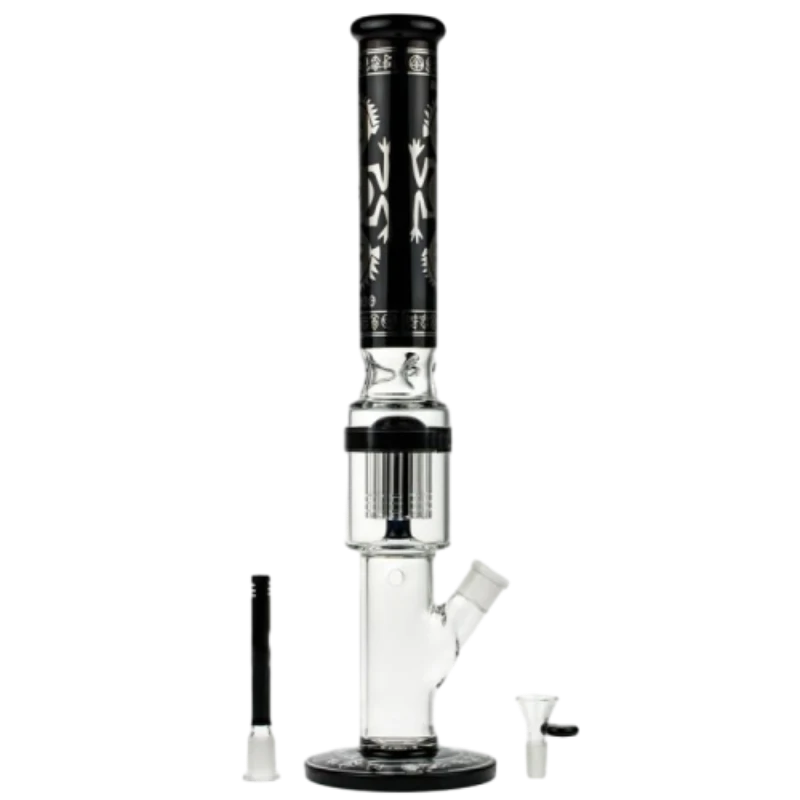
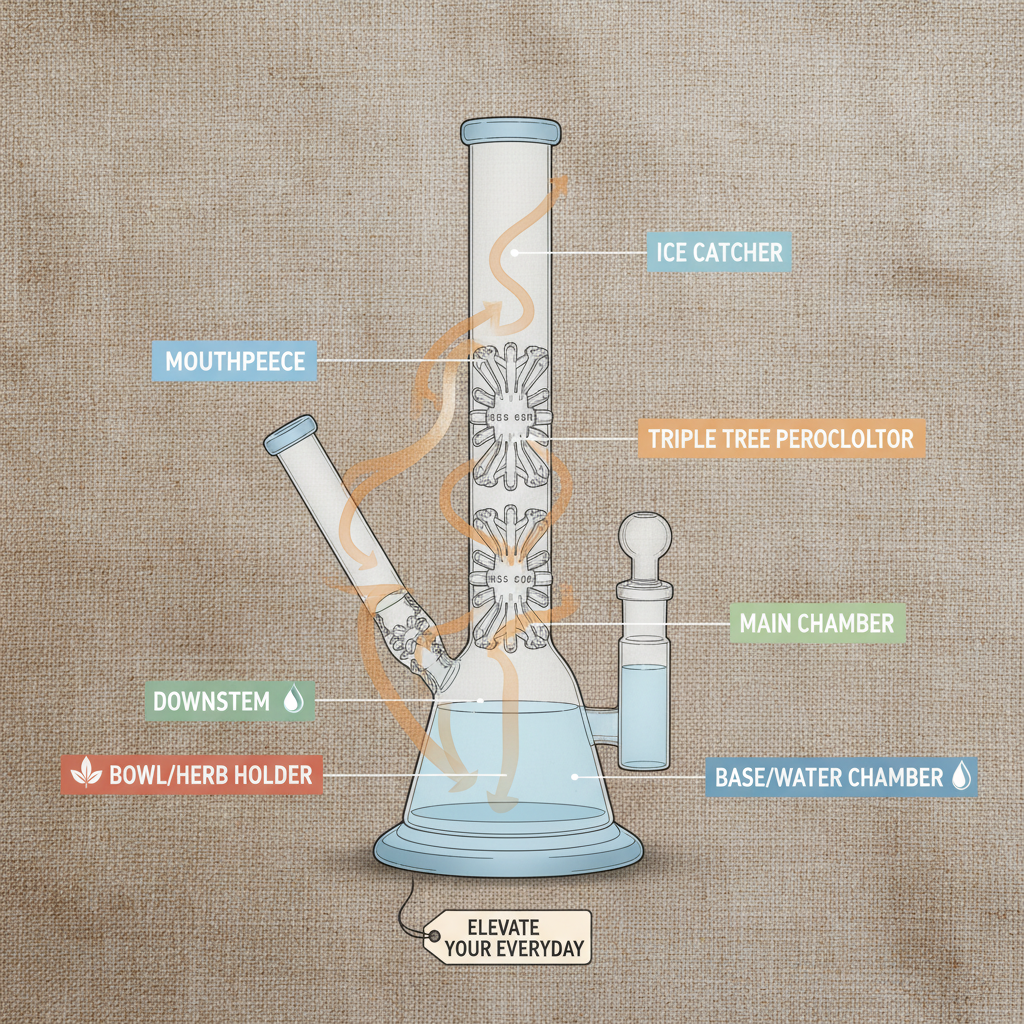
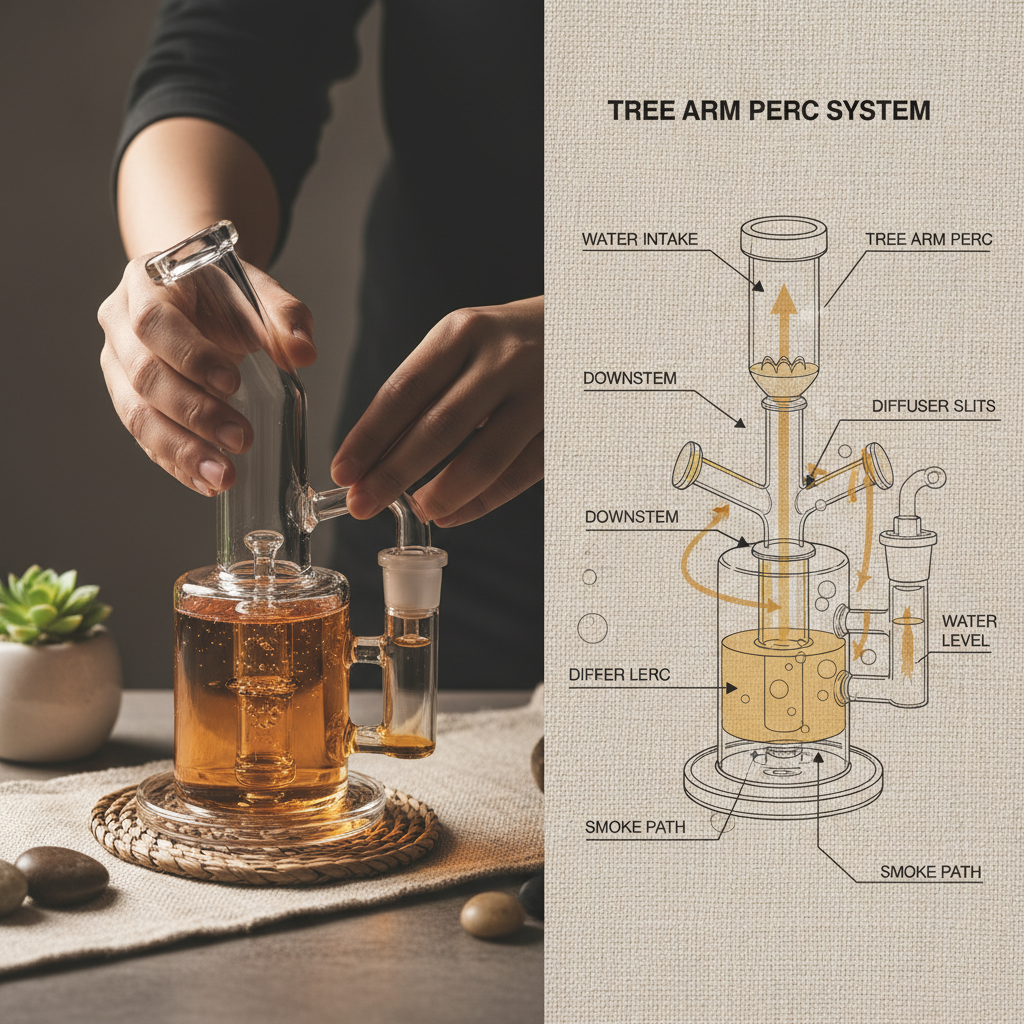
Simply put, a glass bong is a water pipe designed to filter and cool smoke before inhalation. Typically made from heat-resistant glass, it features a bowl for the substance, a water chamber, and a mouthpiece. Users ignite the substance in the bowl while inhaling through the mouthpiece, drawing smoke through the water chamber that acts as a seal and filter.
Though often associated with recreational cannabis consumption, the design principles influence other filtration technologies and even medical inhalers. It connects traditional smoking tools with a modern twist of smarter, healthier enjoyment—kind of a bridge between culture and innovation.
Core Components of a Glass Bong
1. Durability & Material Quality
Using borosilicate glass makes a huge difference. It’s resistant to heat and breakage, which frankly, means less frustration. Cheaper glass can crack easily, causing leaks or injuries. Durability affects both longevity and user safety.
2. Water Filtration Efficiency
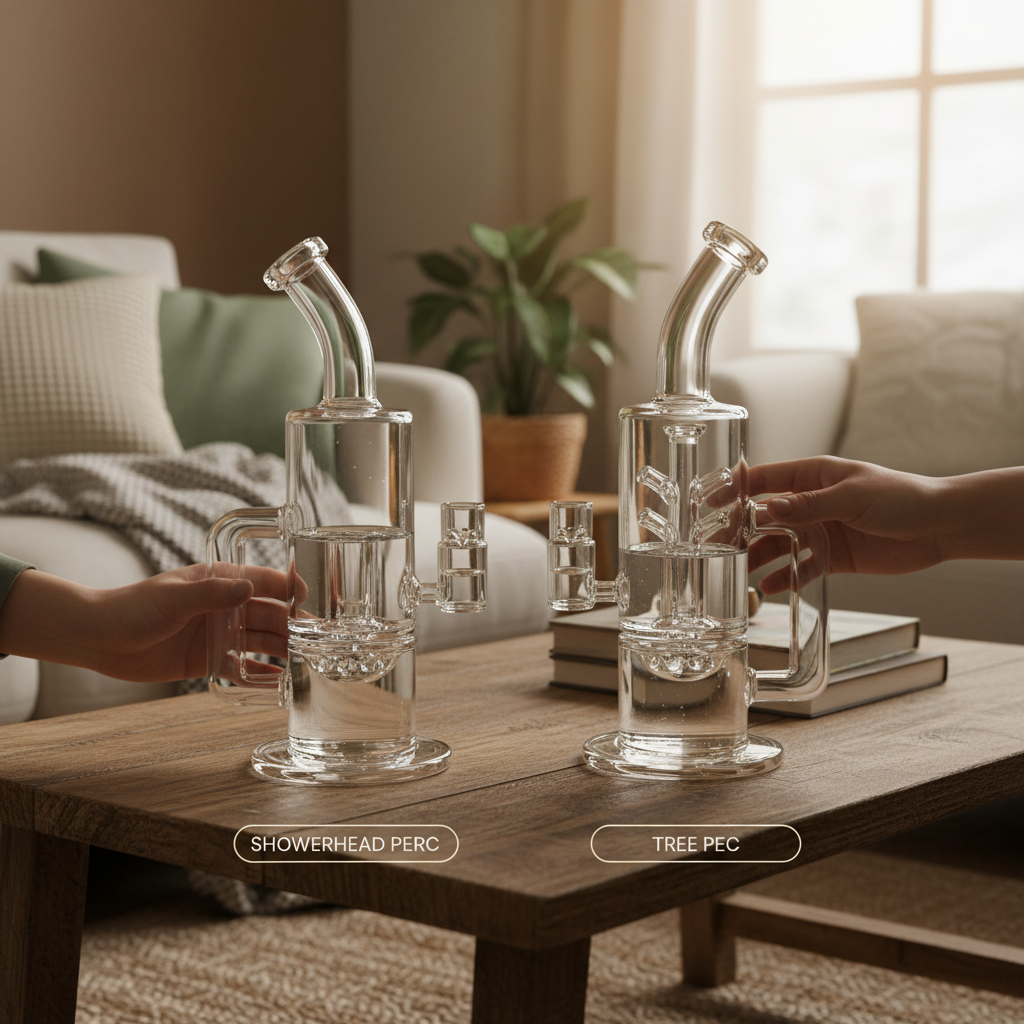
The water chamber cools and filters smoke, reducing harshness. The deeper and wider the water chamber, the more filtration—but too much water means more suction effort. Balance is key here.
3. Ease of Maintenance
Glass bongs require regular cleaning to function well. Features like removable downstems or diffusers help. Keeping residue minimal also reduces bacterial growth and maintains smooth hits.
4. Portability and Size
While some glass bongs are elaborate and heavy, there are compact versions designed for on-the-go use. Portability often trades off with filtration but sometimes, convenience trumps all.
Typical Glass Bong Specifications
| Feature | Specification | Notes |
|---|---|---|
| Material | Borosilicate Glass | Heat-resistant, durable |
| Height | 20-35 cm | Varies by model |
| Water Chamber Volume | 150-300 ml | Affects filtration and cooling |
| Downstem Type | Removable/Fixed with diffuser | Diffuser reduces harshness |
Global Use Cases
Curiously enough, glass bongs aren't just a recreational tool. In some remote industrial sites, people use them as safer alternatives for herbal smoking due to their filtration. In medical cannabis communities, clean, well-used glass bongs support legal and controlled consumption.
In parts of Canada, where cannabis has been legal federally for years, educational campaigns focus on proper bong usage to minimize respiratory irritation. Meanwhile, in emerging markets like some European countries undergoing legalization shifts, glass bongs help set quality and health standards in an otherwise fragmented market.
Vendor Comparison: Popular Glass Bongs (2024)
| Brand | Material Quality | Price Range | Notable Feature |
|---|---|---|---|
| DS Glass | High borosilicate | $80 - $150 | Removable diffuser downstem |
| CleanBowl | Standard soda-lime glass | $50 - $100 | Simple, lightweight design |
| PureGlass | Laboratory-grade borosilicate | $120 - $200 | Multi-chamber filtration |
Advantages & Long-Term Benefits of Using a Glass Bong Correctly
- Improved Filtration: Water filtration cools and smoothens the smoke, reducing throat irritation.
- Cost Efficiency: Efficient usage means less product waste.
- Health & Safety: Using glass eliminates harmful chemicals found in some cheaper plastics or metals.
- Social & Cultural Connectivity: Using bongs properly helps align with cultural practices where respect for the tool is paramount.
There’s a dignity and trust built into using glass bongs thoughtfully—as many users and even industry insiders say, it feels more “ceremonial” and responsible, which kind of reflects modern trends in mindful consumption.
Future Innovations in Glass Bong Usage
Looking ahead, expect advances in glass formulae making bongs even more durable and lighter. Some companies are integrating digital tech like temperature control or sensors to measure draw quality—oddly enough, bringing smart-home tech to smoking accessories.
Sustainability also leads innovation: recycled glass and eco-friendly manufacturing are on the rise, aligning with broader environmental goals and user preferences worldwide.
Challenges & Solutions When Using Glass Bongs
Fragility remains the biggest challenge for glass bongs. Accidental breakage happens frequently. To mitigate this, experts suggest storage cases, careful cleaning methods, and replacing typical joints with shock-absorbing materials. Furthermore, some users struggle with mastering proper draw technique—it’s not just inhale; it’s coordination between lighting, suction, and timing.
Educational resources and videos go a long way here. For in-depth guides, check out how to use a glass bong. Understanding these techniques can turn fumbling into finesse.
FAQ: Frequently Asked Questions About How to Use a Glass Bong
- Q1: How do I properly fill the water chamber?
- A: Fill just enough water to cover the downstem’s holes—usually about 1.5 to 2 inches deep. Too much water increases suction effort; too little lessens filtration.
- Q2: Can I use alcohol to clean my glass bong?
- A: Yes, isopropyl alcohol combined with salt is the most effective cleaning method. Rinse thoroughly after cleaning to avoid residue.
- Q3: How frequently should I clean my glass bong?
- A: Ideally, clean it after every few uses to maintain taste quality and hygiene. Heavy users might clean daily; occasional users at least weekly.
- Q4: What should I do if my bong breaks?
- A: Avoid inhaling from cracked glass—dispose safely. Many vendors, including DS Glass, offer replacement parts to minimize cost.
Conclusion & Call to Action
Understanding how to use a glass bong is more than a simple skill—it’s a gateway to safer, more enjoyable use. With better knowledge on proper usage, maintenance, and product choice, you join a global community valuing quality, health, and culture.
Ready to upgrade your experience? Explore our collection and detailed guides at https://www.dsglassbong.com to start your journey on the right note.
Mini takeaway: Mastering the use of glass bongs fosters better experience, health, and appreciation for a global cultural practice that’s evolving with modern needs.
References: