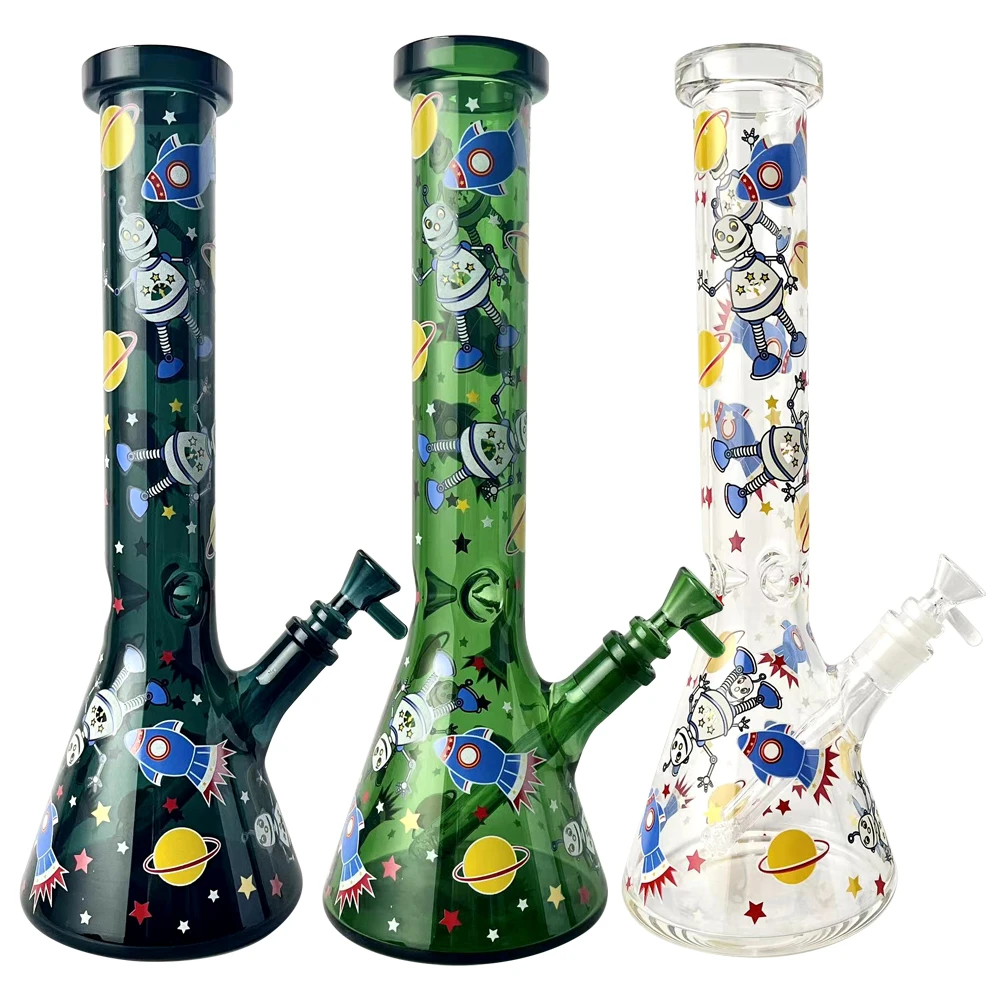
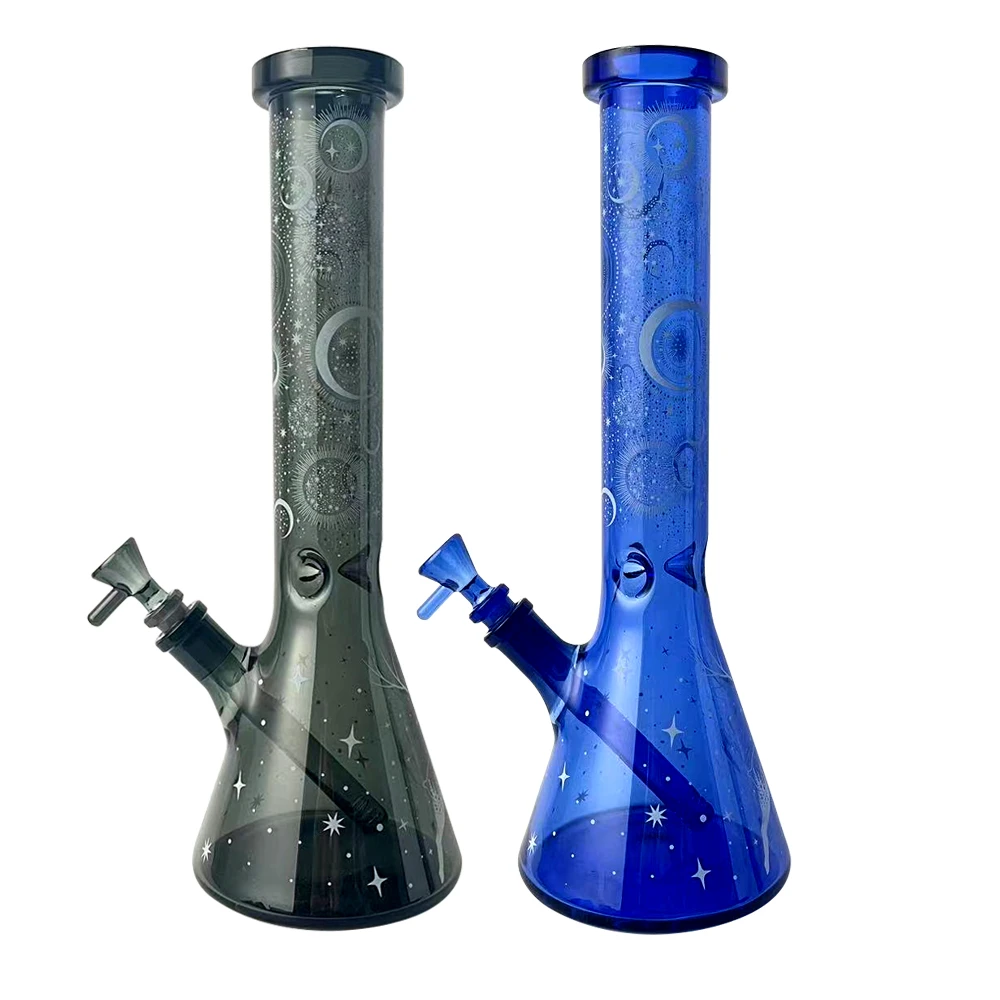
How to Use a Glass Bong: Insights From Industry Experience
Having spent years working around industrial equipment and materials, I’ve picked up a fair bit about durability, design, and the practicalities of glass products — including glass bongs. Oddly enough, the technology and craftsmanship that go into these seemingly simple pieces are quite fascinating once you look beneath the surface.
Let’s talk real: glass bongs have become a staple in both casual and serious use, but knowing how to use one properly makes all the difference. From the engineering perspective, the functionality hinges on how water filtration is optimized, and frankly, not all designs deliver equally.
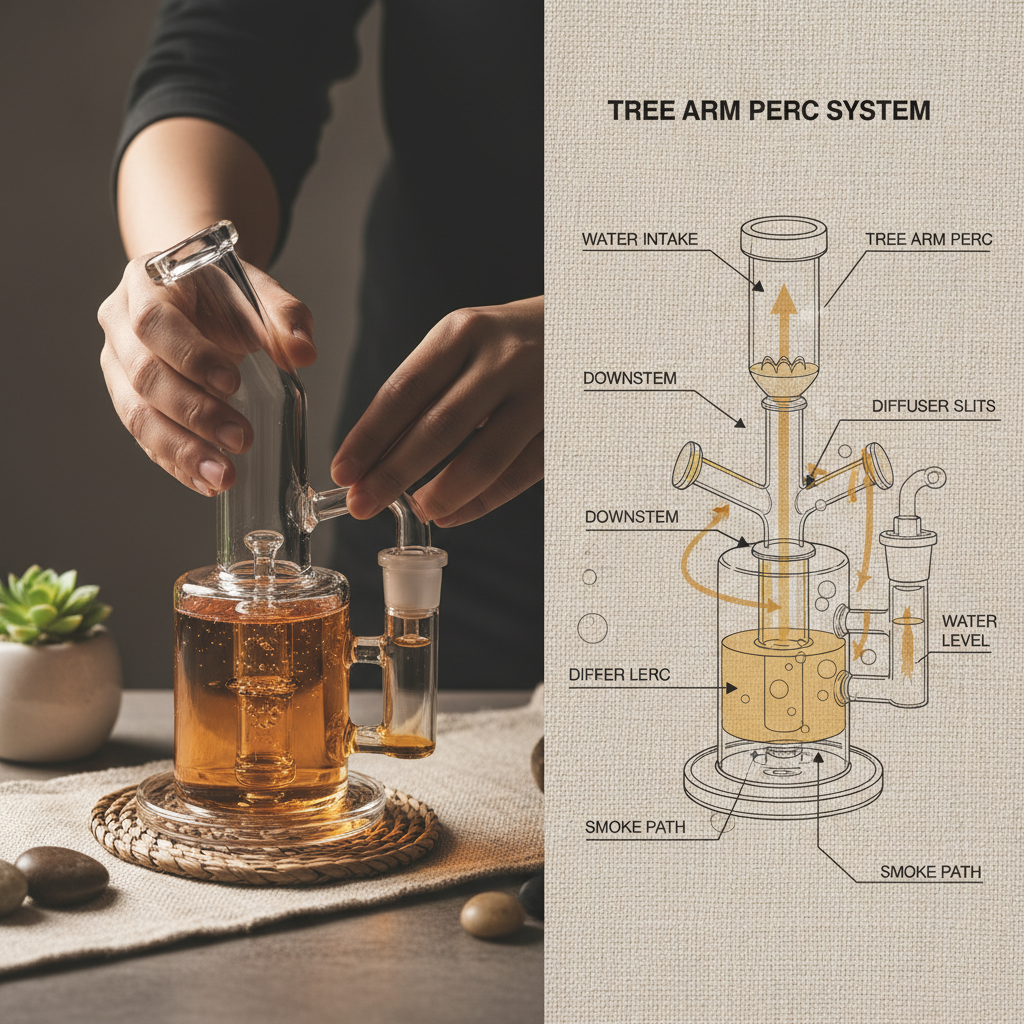
First off, the basic concept is pretty straightforward: smoke passes through water inside the bong, which cools and filters it before you inhale. This brings me back to some early testing of borosilicate glass pipes we did. Borosilicate is a standout material here — high thermal shock resistance, so it won’t crack under rapid temperature changes (been there, seen cheaper glass shatter unexpectedly).
When you’re ready to use your glass bong, here’s a quick rundown from someone who’s handled similar glassware in industrial contexts:
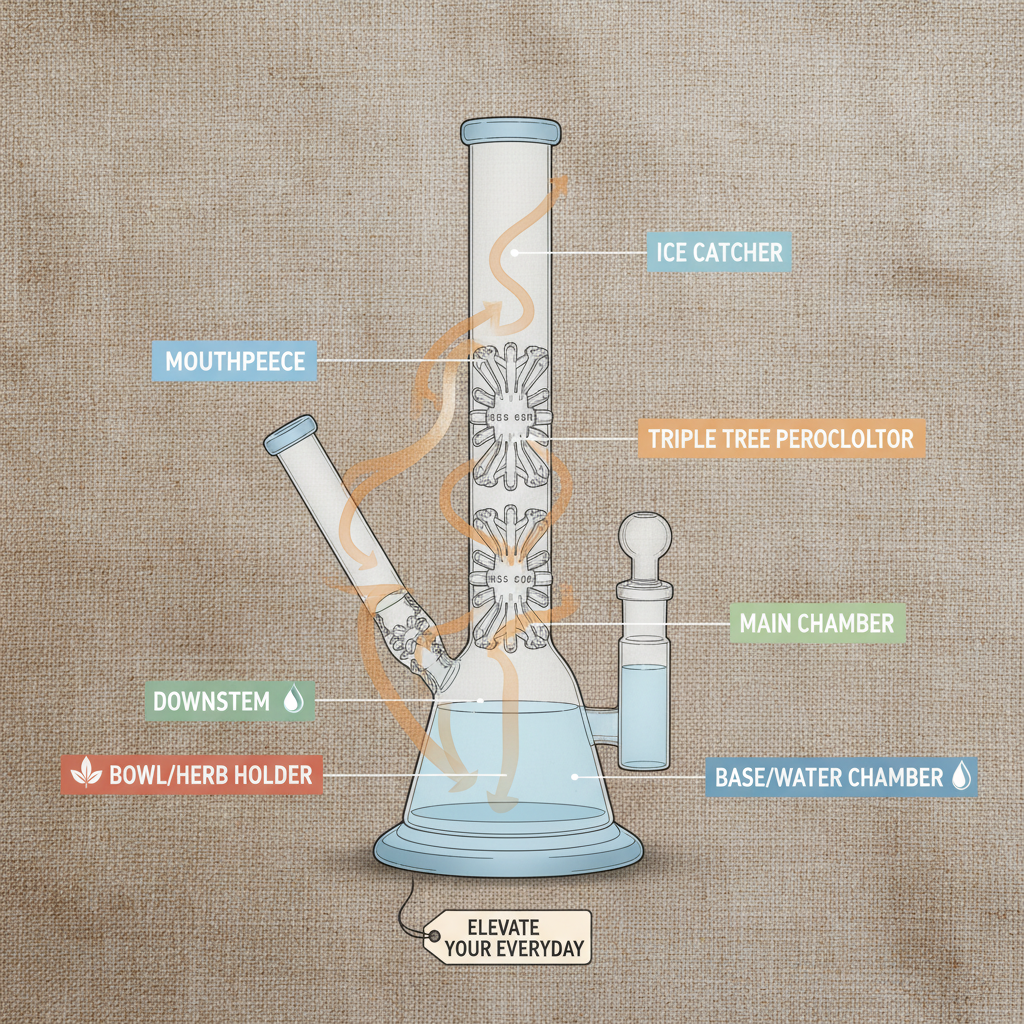
- Fill the bong’s chamber with fresh, clean water just enough to submerge the downstem’s slits or holes — this ensures proper smoke filtration without splashing water into your mouth.
- Pack the bowl gently but firmly with your material of choice. Not too tight, or airflow suffers. Not too loose, or it’ll burn unevenly.
- Place your mouth on the mouthpiece, create a light seal, and light the bowl while inhaling gently to draw smoke through the water.
- When the chamber fills, clear it by pulling the carb (if your bong has one) or lifting the bowl to let fresh air in as you inhale.
I noticed users tend to overfill the bong with water. Too much water means you’ll be sucking harder than necessary, and oddly enough, the filtration benefits drop—or you just risk a mouthful of water. It’s a small detail but makes a big difference.
Product Specification Table
| Specification | Detail |
|---|---|
| Material | Borosilicate glass (heat resistant) |
| Height | 8–12 inches (typical range) |
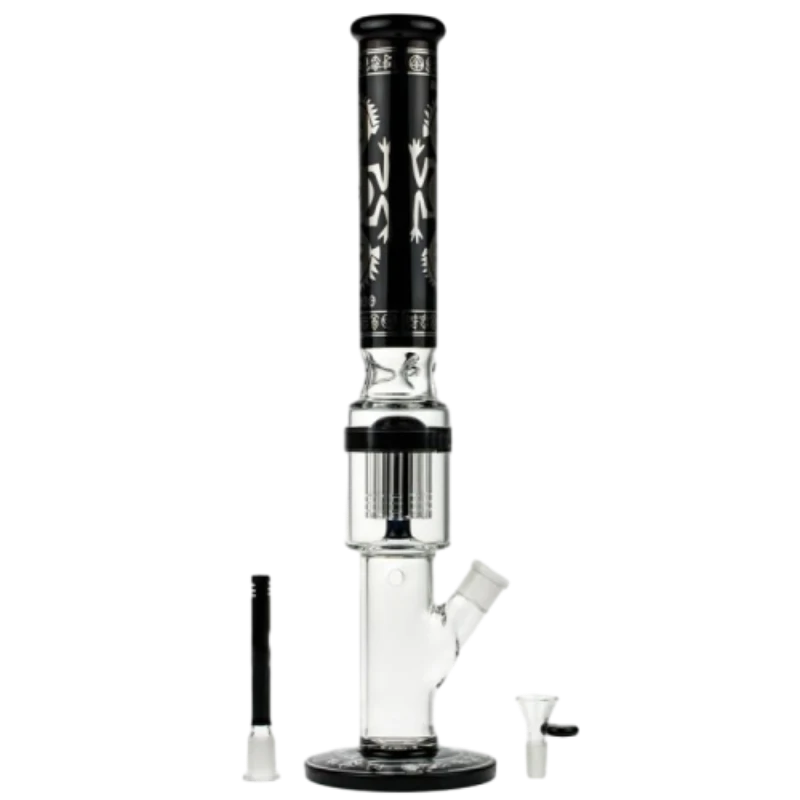
| Downstem Type | Removable with diffusers (multiple holes/slits) |
| Joint Size | 14mm or 18mm (standardized) |
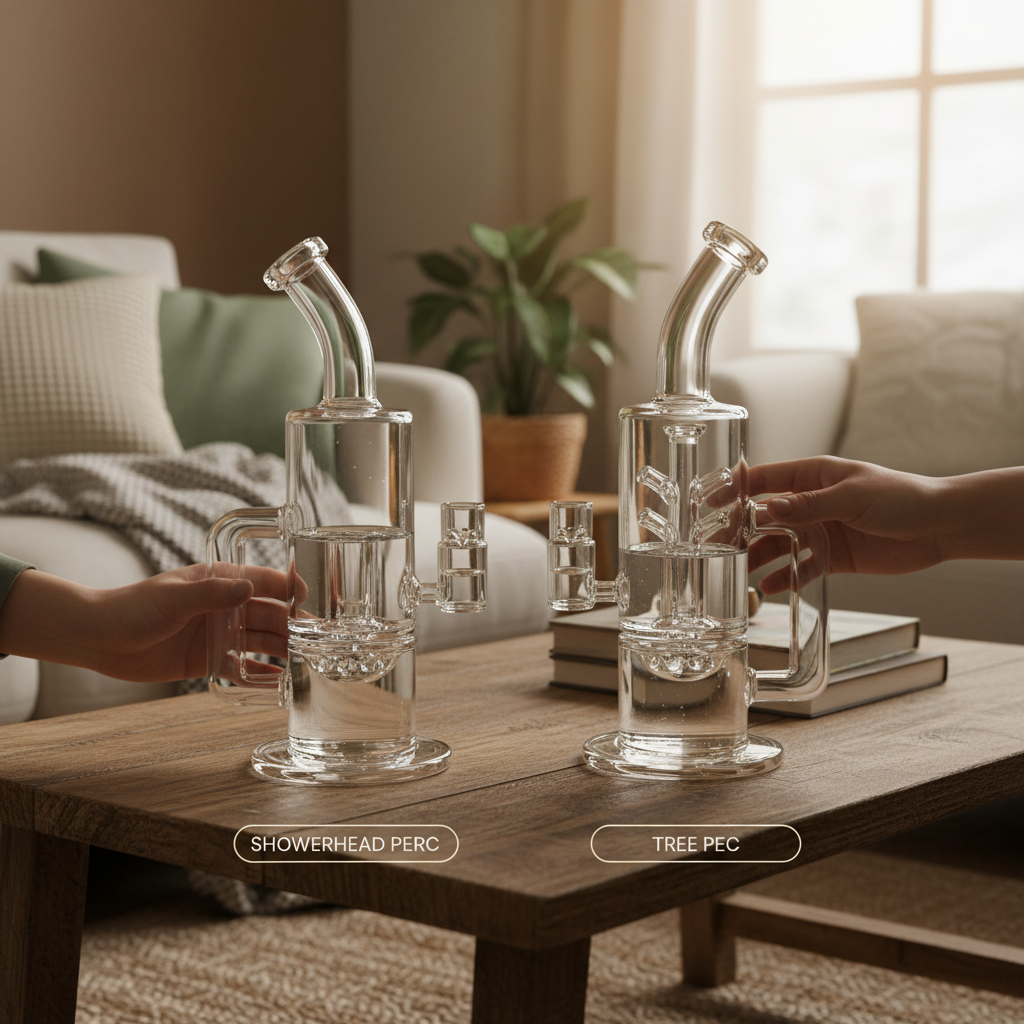
| Additional Features | Ice catcher, splash guard, percolator options |
Customization also plays a big role here. Many users prefer ice catchers for that cooling effect — quite clever, honestly. It cools the smoke further, giving a smoother hit, something I learned from conversations with industrial glassblowers who stress exactness in shaping glass.
Vendor Comparison: What to Look For
| Feature | DS Glass Bong | Generic Vendor A | Generic Vendor B |
|---|---|---|---|
| Material Quality | Premium borosilicate | Standard glass | Low-temp glass |
| Craftsmanship | Handcrafted with precise joints | Mass-produced | Machine-made parts |
| Design Options | Multiple styles & custom features | Limited | Few |
| Price | Mid-range (value-driven) | Low | Budget |
| Durability | High, tested for thermal stress | Medium | Low |
One little story from the field: a customer once told me that after switching from a cheap plastic to a quality glass bong, their whole experience changed. Not just the taste, but the ritual felt more respectful to the craft — almost like honoring the materials and the fire itself.
In real terms, choosing a glass bong with thoughtful design and quality craftsmanship is not just about aesthetics: it affects usability, safety, and long-term satisfaction. You really do get what you pay for here, and if you’re serious about it, it pays off to invest in a piece that stands up to heat and use.
If you’re curious to explore more, check out some reputable glass bongs with those industry-tested features that make a difference.
In summary, using a glass bong properly is part science, part art — and a bit of patience always helps.
References:
1. Material properties of borosilicate glass - Industrial Glass Journal, 2017
2. Practical filtration in water pipes - Glassblowing Association, 2020
3. User experience studies on cannabis consumption methods - HealthTech Reviews, 2021