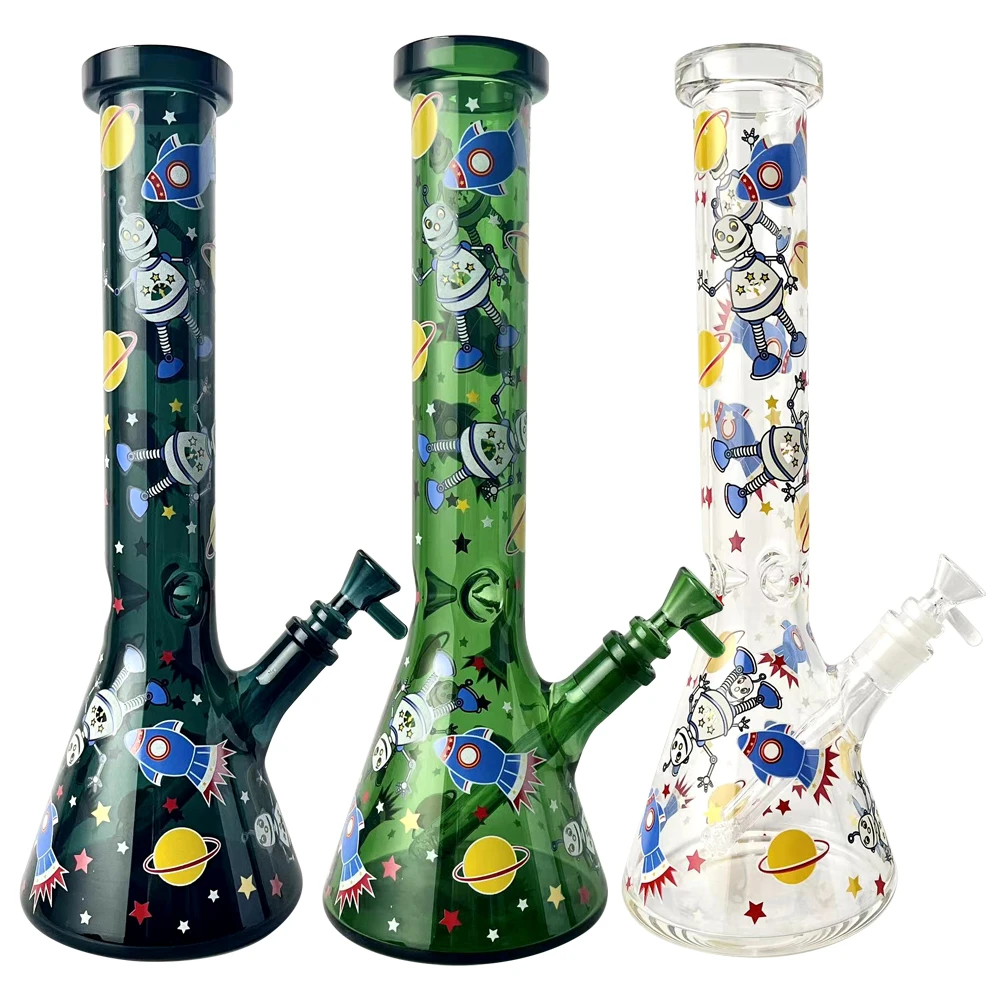
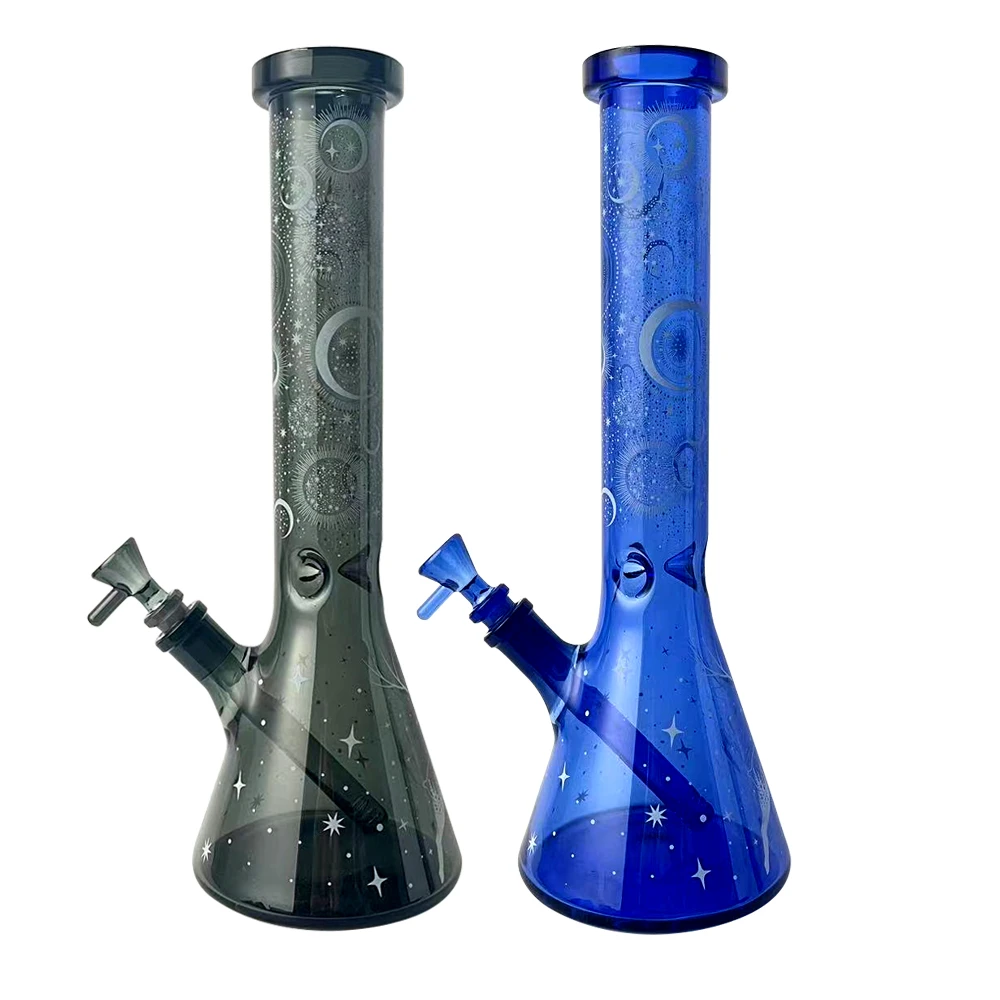
Is Borosilicate Glass Good for Bongs? A Veteran’s Take
Having worked around industrial equipment — many years now, frankly — I’ve gotten to appreciate materials beyond their specs on paper. So when the question pops up, is borosilicate glass good for bongs? I find that it’s not just about the chemistry, but about user experience, durability, and frankly, the nuanced trust you put into your piece.
Let’s start with the basics: borosilicate glass is that special kind you often find in labware and high-end cookware. If you’ve ever handled a Pyrex baking dish or eyed a scientific beaker, you’ve touched this stuff. It’s prized for its resistance to thermal shock — basically, it can handle rapid temperature changes without cracking or breaking. For bongs, this means fewer “oops” moments during use, cleaning, or with heat application.
Now, I suppose you might wonder why this matters so much. Imagine you’re lighting up, and your glass suddenly stresses from a quick chill or heat. That’s a break in flow — literally and figuratively. Borosilicate handles such stress like a champ. Oddly enough, many engineers in the glass industry swear by it because it combines toughness with clarity. That clarity is no small detail: a clear piece lets you see your smoke percolate — it adds a layer of visual enjoyment, sort of like watching the gears click in a finely tuned machine.
One thing I’ve noticed over the years: quality matters. There are different grades of borosilicate, and not all manufacturers are equal. The market is flooded with “borosilicate” labeled products, some better than others. That’s why purchasing your bong from a reputable vendor is crucial — you want consistent wall thickness, chemical purity, and precise melting temperatures to avoid impurities that could weaken the glass over time.
| Spec | Value | Relevance for Bongs |
|---|---|---|
| Thermal Expansion Coefficient | 3.3 × 10⁻⁶ /°C | Low expansion means better heat resistance, less cracking. |
| Melting Point | ~820°C (1510°F) | Allows for high-temp cleaning options like torching. |
| Chemical Resistance | Excellent | Resists resin etching, easier to clean thoroughly. |
| Density | 2.23 g/cm³ | Lightweight yet strong, easier to handle. |
Speaking of vendors: a bit of industry insider knowledge — some suppliers blend borosilicate with soda-lime glass to save cost, which reduces durability. It’s usually not obvious without detailed specs, so sourcing from dedicated glassblowers or specialists is a safer bet. For example, I often recommend checking brands like DSGlassBong.com. Their pieces reliably state true borosilicate use and even provide detailed specs, which isn’t common across the board.
| Vendor | Glass Type | Price Range | Notes |
|---|---|---|---|
| DSGlassBong.com | 100% Borosilicate | $50 - $200 | Transparent specs, durable, customer support noted. |
| Generic Online Marketplace | Often Mixed | $20 - $80 | Variable quality, risk of impurities or weaker glass. |
| Boutique Glassblowers | Varies (often Borosilicate) | $150 - $500+ | Handmade, unique designs, blend quality with art. |
On a personal note: I remember a customer telling me how their DSGlass bong lasted over five years with daily use — no chips or cracks, and still crystal clear. That kind of endurance is what you want when investing in a daily piece. It’s the difference between replacing your gear every few months and having a reliable tool you trust.
In real terms, borosilicate glass keeps up with the heat and the ritual. It’s sturdy but still elegant, tough yet refined. So yes, it’s good — actually better than good — for bongs. If you ask me, no matter what design or style you pick, make sure it’s genuine borosilicate. That’s the foundation of longevity and performance.
So if you’re browsing for a reliable rig, these little insights might save you some headache and wallet ache down the road. Buying good borosilicate glass isn’t just about the specs or the marketing buzz: it’s about the experience of every toke, every clean, and every shared session.
Happy hunting, and may your glass stay clear and your vibes steady.
References:
1. Corning, “Borosilicate Glass Properties,” Corning.com (2023).
2. “Thermal Shock Resistance of Glass,” Journal of Materials Science, 2020.
3. DSGlassBong.com — Product Spec Sheets and Customer Reviews.