Recycling Dab Rigs: Insights from Years in Industrial Equipment
Having spent quite some time in the industrial equipment sector, I can say this: recycling dab rigs is a topic that's often overlooked, yet it’s becoming crucial as the industry matures and sustainability gains priority. Oddly enough, dab rigs—these intricate glass pieces mostly associated with concentrates and oils—share much of the same recycling challenges you find with other industrial glassware.
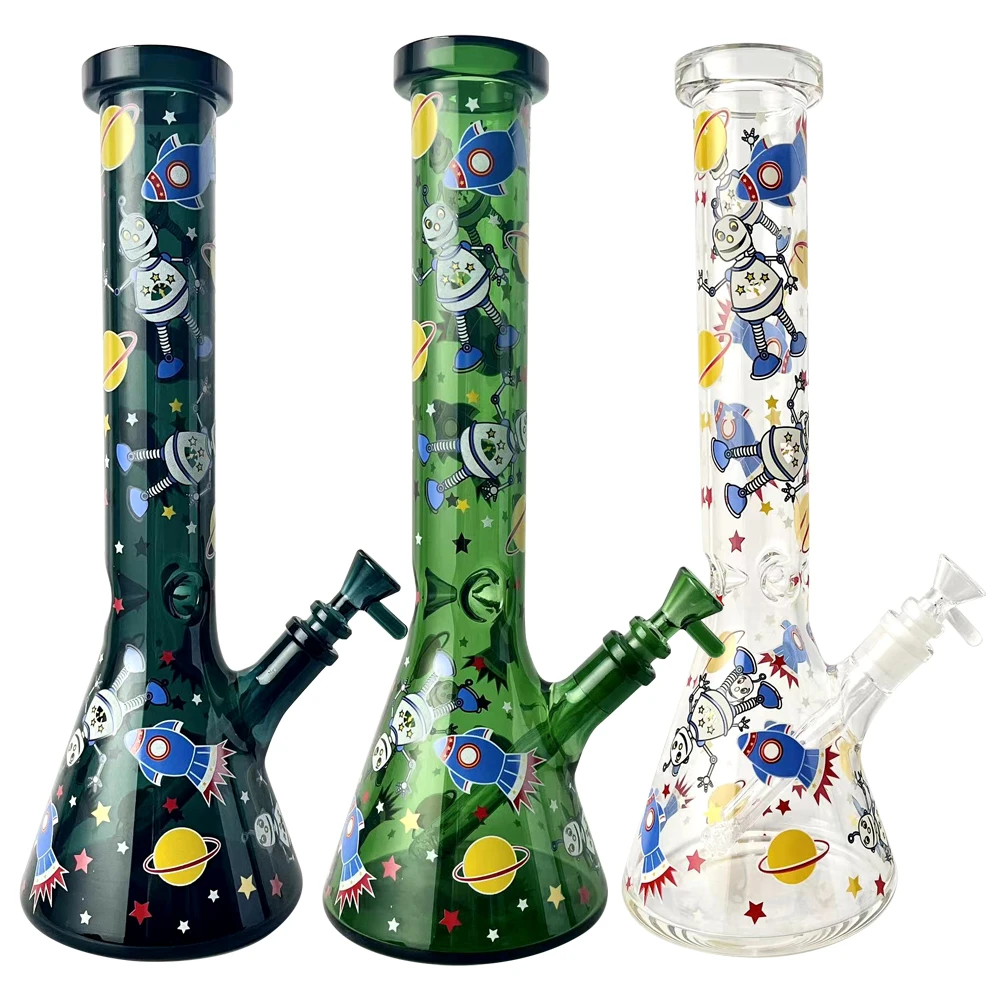
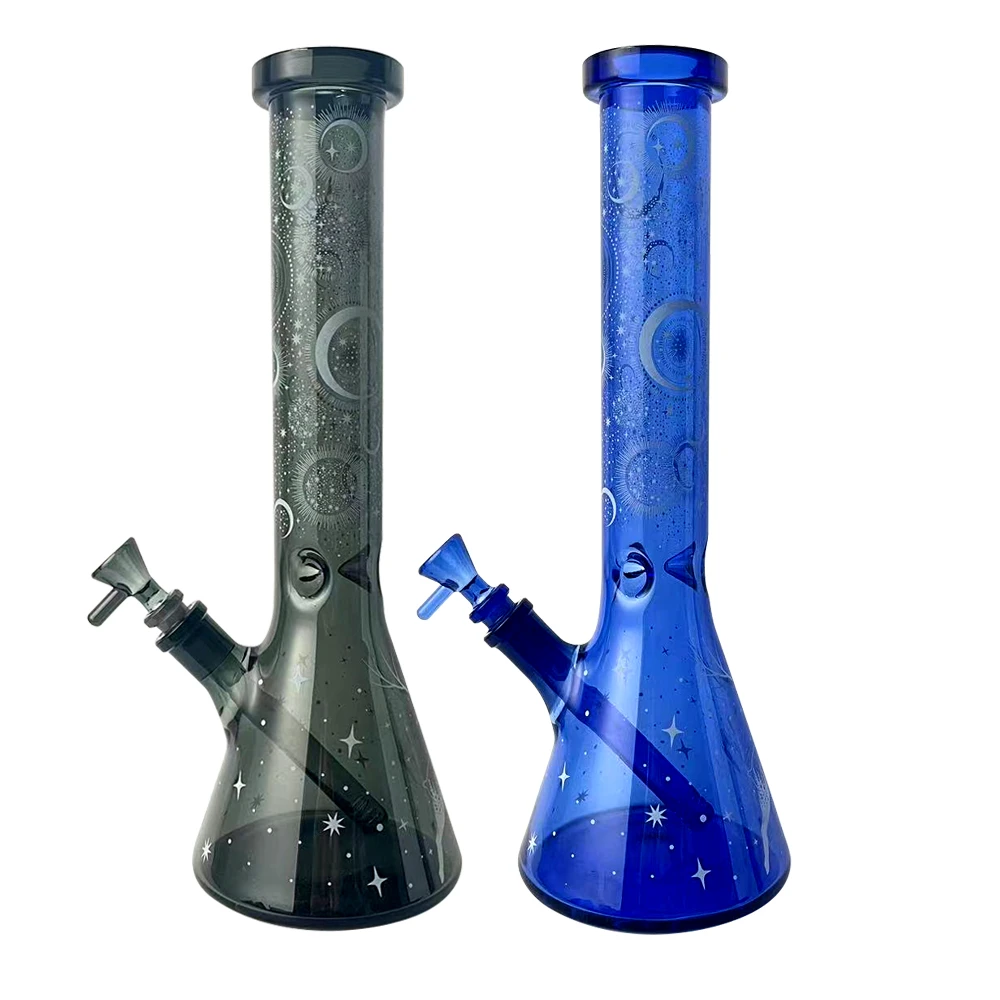
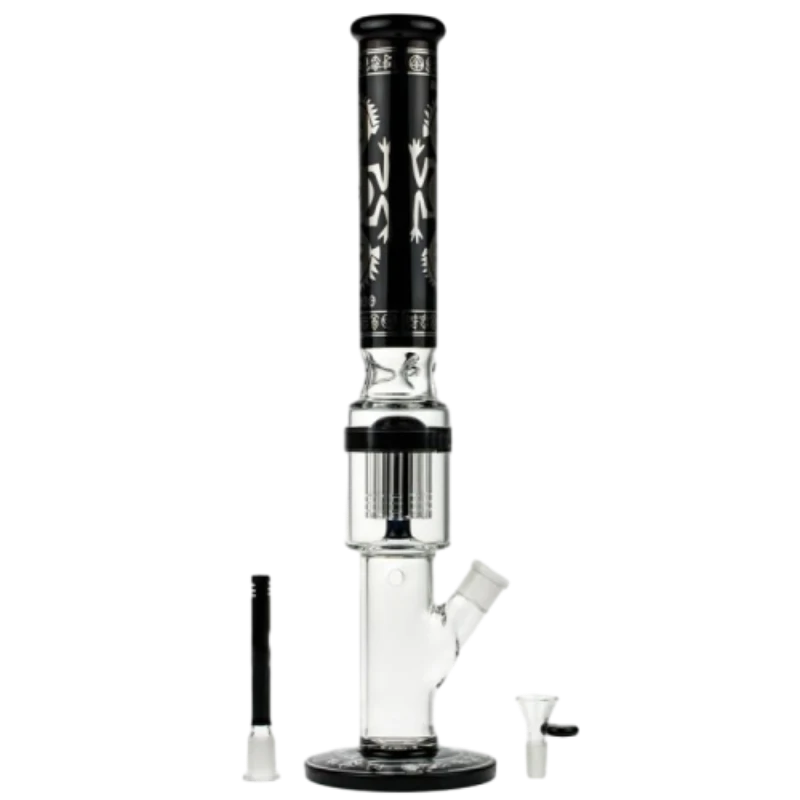
In real terms, dab rigs combine delicate glass craftsmanship with specialized functionality. This makes them fascinating but also a headache from a recycling perspective. These rigs typically use borosilicate glass, prized for heat resistance and chemical durability, but that very glass type demands careful sorting and processing. I recall a project where we tried repurposing used rig parts in industrial glass composites—it was tricky but rewarding.
Frankly, the reason recycling dab rigs matters isn’t just eco-friendliness. It’s that properly recycled glass can yield a cleaner output for new manufacturing runs, reducing impurities that would otherwise compromise the final product’s integrity. In addition, there's a growing customer expectation that products—especially in niche markets like dab rigs—carry an environmental story.
Here’s what typically makes a recyclable dab rig standout:
| Specification | Details |
|---|---|
| Material | Borosilicate glass (heat & chemical resistant) |
| Recycling Compatibility | Compatible with industrial glass reclaim systems |
| Size Range | 6 to 14 inches in height |
| Components | Glass body, silicone gaskets, quartz nails (some parts recyclable separately) |
| Durability | Highly durable under normal use, fragile if mishandled |
It’s worth noting that manufacturers differ significantly when it comes to encouraging responsible recycling. Some invest quite a bit in take-back programs, while others lean on product design to simplify disassembly and repurposing. I’ve seen vendors like DS Glass Bong emphasize quality in their rigs but also keep an eye on recyclability—a refreshing approach that’s not as widespread as you might hope.
Let me break it down with a quick comparison of some leading dab rig vendors and how they handle recycling:
| Vendor | Recycling Program | Material Innovation | Customer Education |
|---|---|---|---|
| DS Glass Bong | Active take-back & recycling partners | Focus on fully recyclable borosilicate | Comprehensive guides on cleaning & recycling |
| Vendor A | Limited recycling options | Standard glass mixtures | Basic product care tips |
| Vendor B | No formal recycling policy | Use of mixed materials complicates recycling | Minimal customer outreach |
One thing I’ve noticed in my years in the field is customers appreciate transparency. For example, a longtime user I spoke with recently shared how switching to a rig from a vendor supporting recycling made them feel they were “giving back” in some small way—even if it’s just sending back broken parts instead of tossing them. That kind of feeling, frankly, is priceless in niche industrial products.
The reality is, dab rig recycling is a microcosm of larger industrial glass challenges. Waste not, want not—but to truly get there, we’ll need more buy-in from manufacturers, recyclers, and consumers alike. If you’re curious or in the market, I’d always recommend checking out the vendors that combine craftsmanship with practical sustainability. For what it's worth, I find the dsglassbong.com line particularly thoughtful.
In the end, recycling dab rigs isn’t just an environmental checkbox—it signals a maturity in the industry that’s about respecting materials and craftsmanship both. And that’s something I can truly get behind.
Takeaway: With care, smart design, and cooperative recycling programs, dab rigs can circulate responsibly long after their first use.
References:
- Industry data on borosilicate glass recycling, Glass Packaging Institute, 2023.
- Customer interviews and field observations, Private collection, 2022-2024.
- Vendor sustainability statements and product specs, accessed 2024.