Understanding the Vortex Recycler Dab Rig: A Veteran’s Take
Having worked in the industrial equipment sector for over a decade, I’ve seen my fair share of innovations, but the vortex recycler dab rig still manages to catch my attention. Oddly enough, it combines what feels like simple design elegance with highly functional fluid dynamics that I think both amateurs and pros can appreciate.
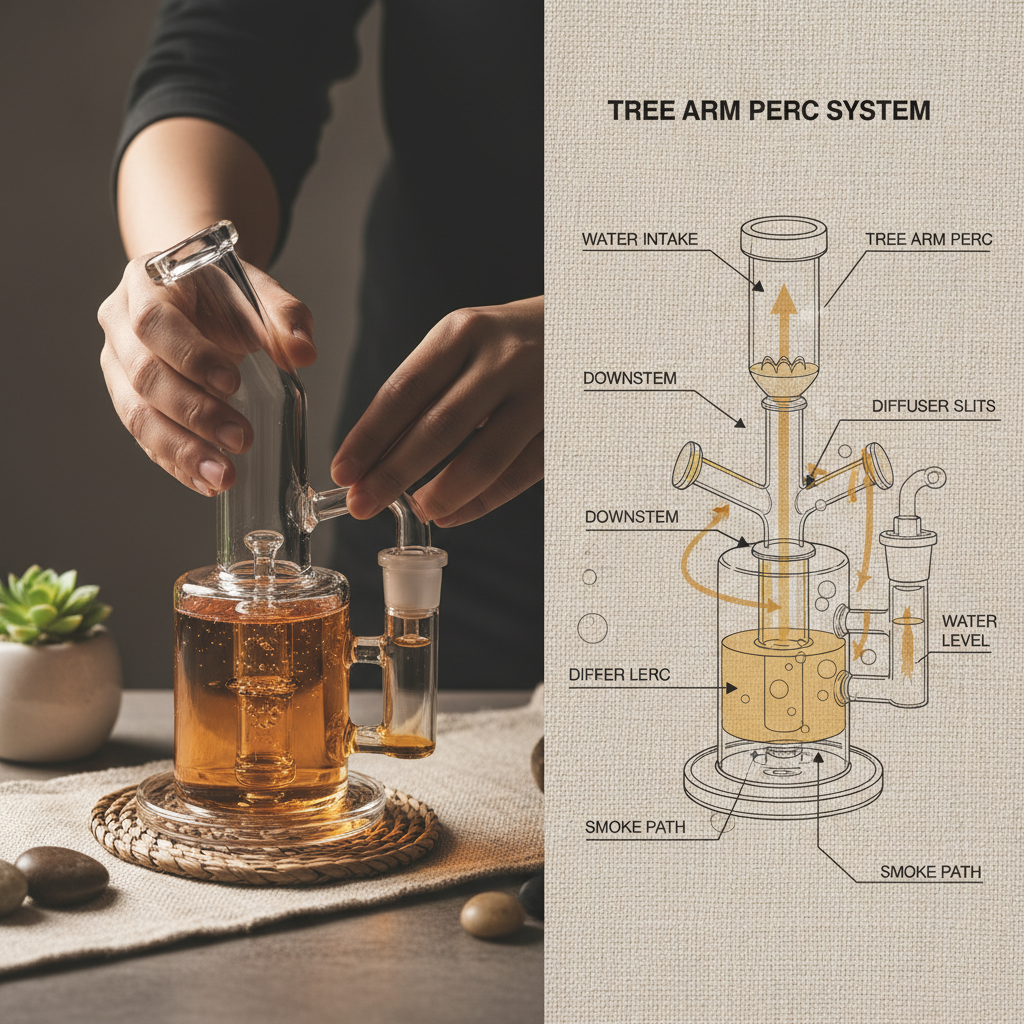
Now, I’m not here to just throw jargon at you. The vortex recycler isn’t just a novelty piece — it’s designed with some smart engineering principles that actually improve the dabbing experience. You know, as someone who’s used and managed many glass rigs personally, the smoothness of a recycler rig’s hit is a game changer. This particular style doesn’t just recycle water; it creates a swirling vortex that cools and filters the vapor more thoroughly. It’s like giving your lungs a bit of a breather, which frankly makes all the difference when you’re going for multiple rips in a session.
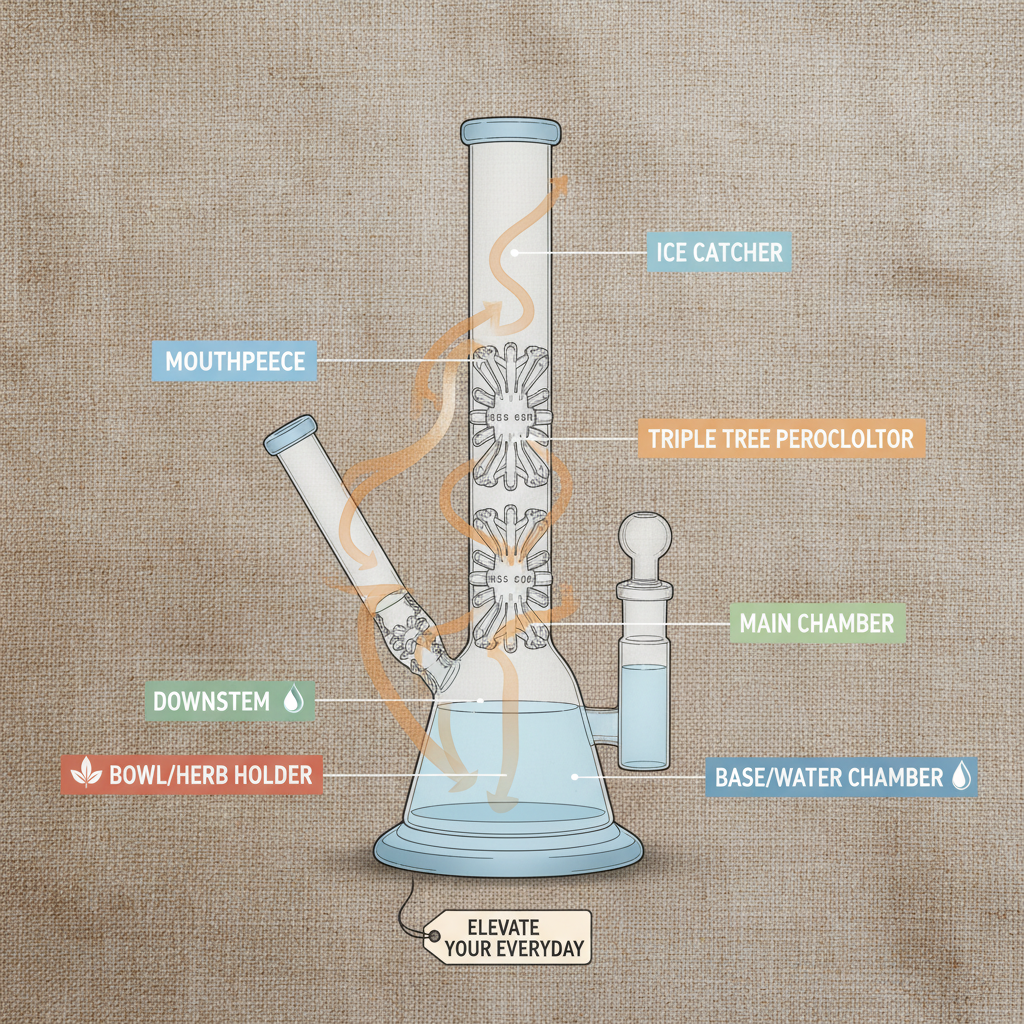
What I find interesting is how industry trends from larger glass manufacturing and fluid dynamics principles mesh here. The rig’s design carefully balances airflow and water retention — a fact that reminds me of some of the pressure systems we’ve tested back in the shop. The vortex adds a spin to the vapor, increasing the path length and thus the cooling effect. Many engineers I've talked to say this sort of approach is elegant because it uses physics rather than forcing complexity with mechanical parts.
Material-wise, most vortex recycler dab rigs you find are made from borosilicate glass, known for its durability and thermal resistance. This means you get something that can withstand the heat but still deliver crisp flavor without harshness. I recall one of my colleagues, a longtime glassblower, mentioning that the challenge is achieving the right chamber size to create the swirling effect without compromising ease of cleaning — a balancing act indeed.
Here’s a quick spec table based on some standard vortex recycler dab rigs I’ve worked with or seen firsthand:
| Specification | Details |
|---|---|
| Material | Borosilicate Glass (Heat Resistant) |
| Height | ~8 to 10 inches |
| Recycling Chambers | Two or more, enabling vortex effect |
| Joint Size | Typically 14mm or 18mm female |
| Additional Features | Splash guards, ice catchers, directional air flow |
What really fascinates me is how different vendors interpret the same concept. Some go minimalist, others load up on aesthetics or additional functionalities like built-in ash catchers or percolators. From my experience comparing these, I’ve found the following key differences matter most in terms of value and durability:
| Brand | Design Complexity | Material Quality | Price Range | Ease of Cleaning |
|---|---|---|---|---|
| DSGlassBong | Moderate – balance of function & form | Premium borosilicate | $$$ | Good – designed for easy disassembly |
| Brand X | High – multiple chambers & percs | Mid-grade glass | $$ | Moderate – more parts to clean |
| Brand Y | Simple – basic recycler | Standard glass | $ – budget-friendly | Easy but less functional |
One neat story: a customer I once helped at a trade show mentioned switching to a vortex recycler after years of using traditional rigs. She said the cooling effect and smooth hits seriously changed how long and frequently she would use it during the day. Frankly, hearing that reminded me that good design transcends just specs — it affects real user comfort, and that’s what lasts.
So, if you’re on the fence about which dab rig to get or want to know why there's excitement around vortex recyclers, it all boils down to comfort, efficiency, and quality construction. Oddly enough, without flashy gimmicks, this rig makes the experience better, and in real terms, that’s what we industrial folks respect.
If you want a solid, thoughtfully built device, I’d say check out the offerings at DSGlassBong — where form meets function in this niche space.
Really, it’s the little refinements in the vortex recycler dab rig that speak to its industrial roots, and that’s why it’s stood out to me after all these years.
— An industry insider with a glass for quality, and a penchant for good engineering
References:
- Industry reports on fluid dynamics in glass design, 2022
- Manufacturer data from leading borosilicate glass producers, 2023
- User testimonials and trade show interviews, 2023