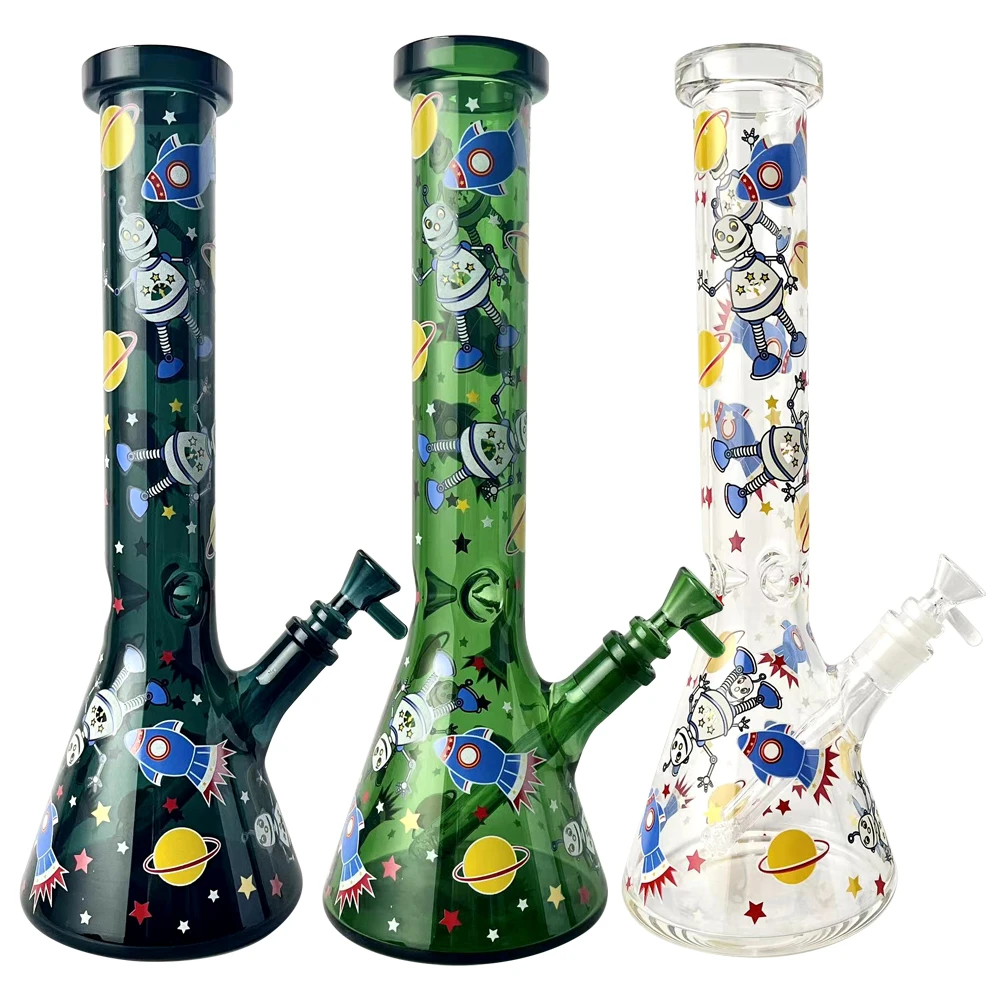
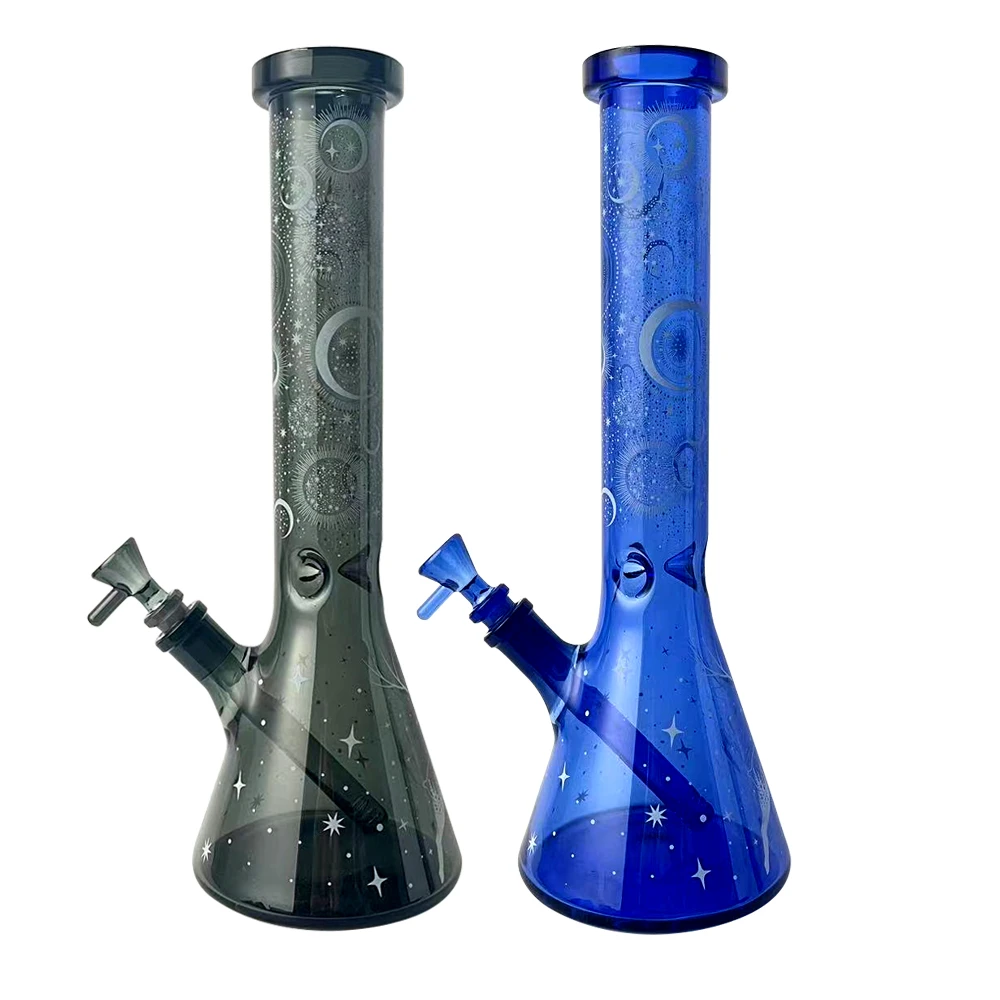
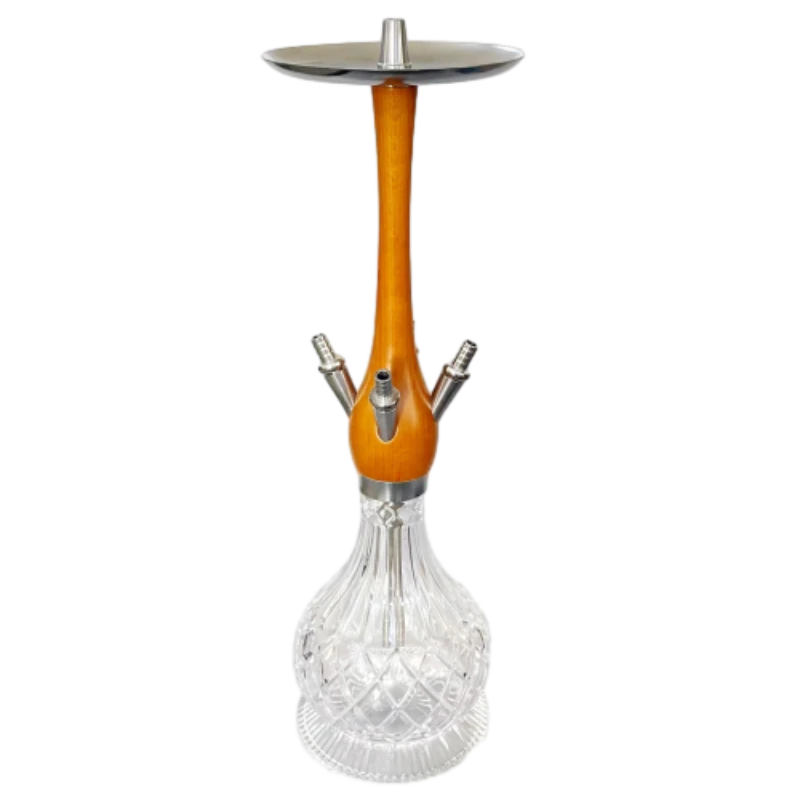
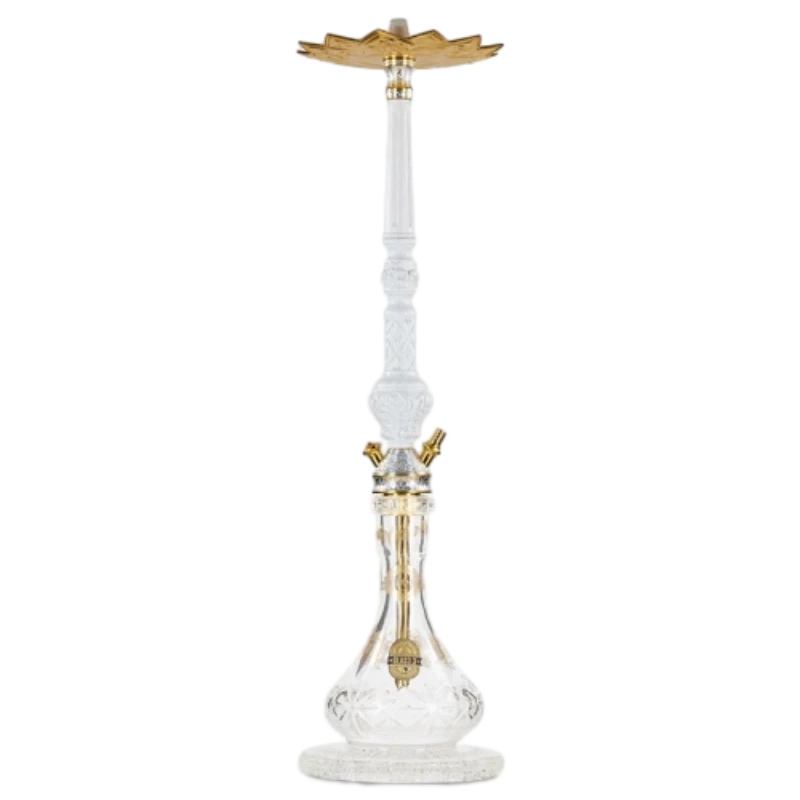
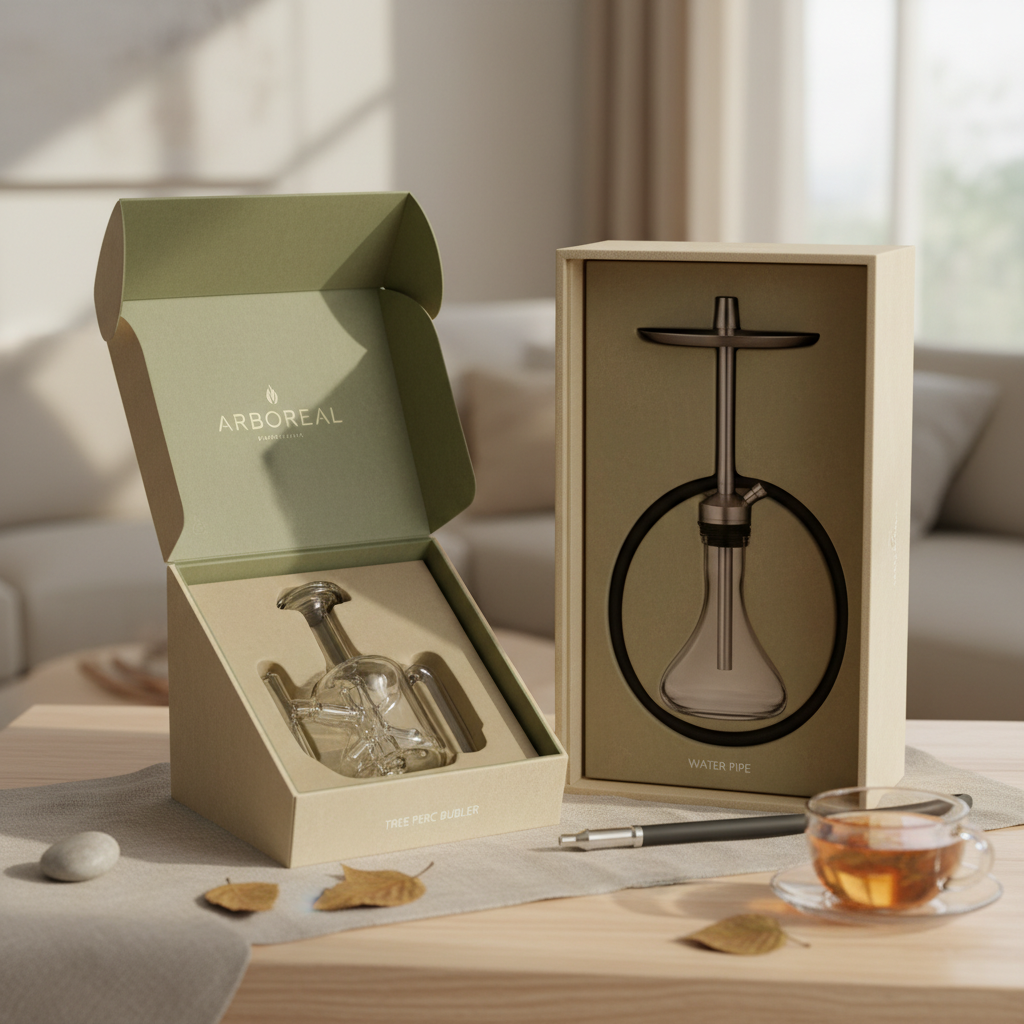
Understanding the Water Bong: A Deep Dive Into Its Global Significance
When you hear the term water bong, you might think it’s just a typical smoking device. However, its importance — both culturally and industrially — stretches far beyond casual use. Globally, the water bong has evolved into a symbol of innovative filtration and cooling technology used to improve user experience while addressing health concerns associated with inhalation. Today, understanding this device matters not only to enthusiasts but also to industries focused on cleaner consumption practices and environmental considerations.
Why does it matter on such a broad scale? Well, with rising concerns over air quality, personal health, and sustainable product design, the water bong represents more than just tradition. It embodies a blend of culture, engineering, and environmental awareness. So, diving into its functionality and benefits sheds light on a small but meaningful frontier of consumer products, filtration tech, and even legal cannabis industries worldwide.
Global Context: The Water Bong's Place in Industry and Culture
Across continents, the water bong's usage has surged remarkably, paralleling attitudes toward cannabis and herbal consumption reforms. According to the United Nations Office on Drugs and Crime (UNODC), global cannabis use has increased steadily since the early 2000s, influencing industry demands for safer consumption methods.[1] This spike highlights a key challenge: reducing harmful particulates and smoothing harsh smoke — and that's precisely where the water bong shines.
Oddly enough, what started as a simple cultural artifact centuries ago in Asia has morphed into specialized equipment featuring scientific filtration principles. In markets where legalization drives consumption upwards, like parts of North America and Europe, manufacturers innovate constantly to improve product efficiency and user safety.
What Exactly Is a Water Bong?
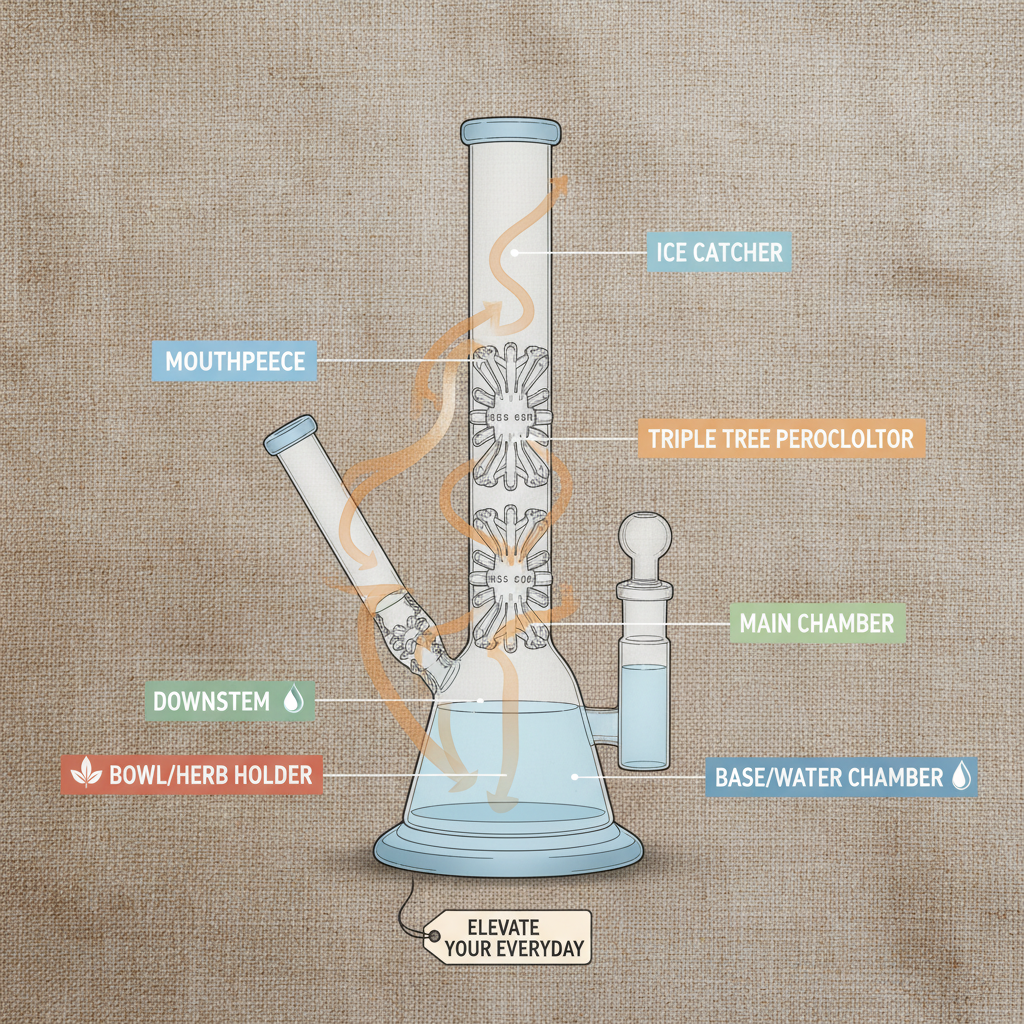
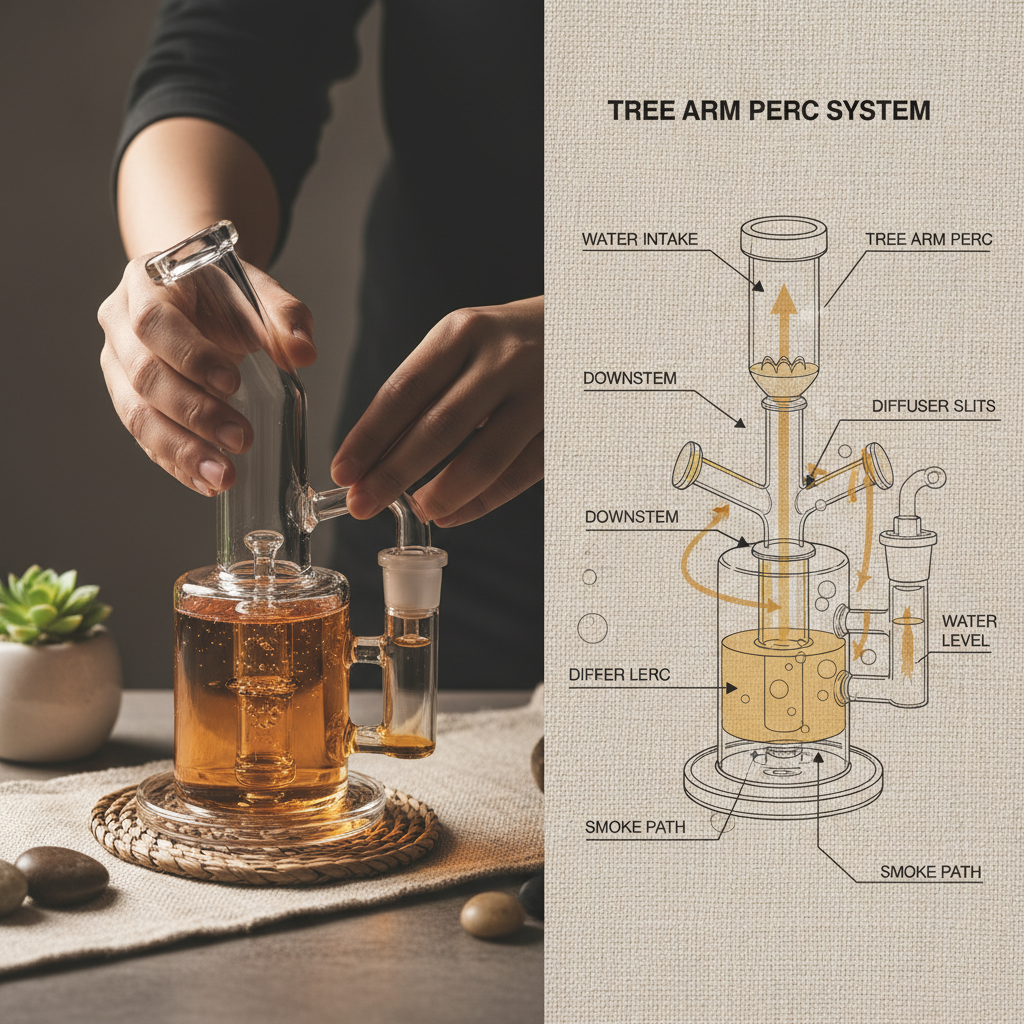
Put plainly, a water bong is a device that filters smoke through water before inhalation. The main idea? Cool the smoke and trap some of the unwanted undesirable substances like tar or ash. Think of it as an intermediary cleansing stage between raw combustion and your lungs. This process transforms harsh smoke into a smoother, less irritating experience.
The connection to industries beyond personal use is subtle but present. For instance, modern water bongs influence designs in vapor filtration systems used in labs and even some medical apparatus through shared principles regarding particulate containment and cooling effects.
Core Components and Key Factors of Water Bongs
- Material Quality: Most water bongs are made from glass, acrylic, ceramic, or silicone. Glass ranks highest for durability and purity, while silicone offers flexibility for portability.
- Water Filtration: This traps unwanted particulates and cools inhaled smoke, reducing throat irritation.
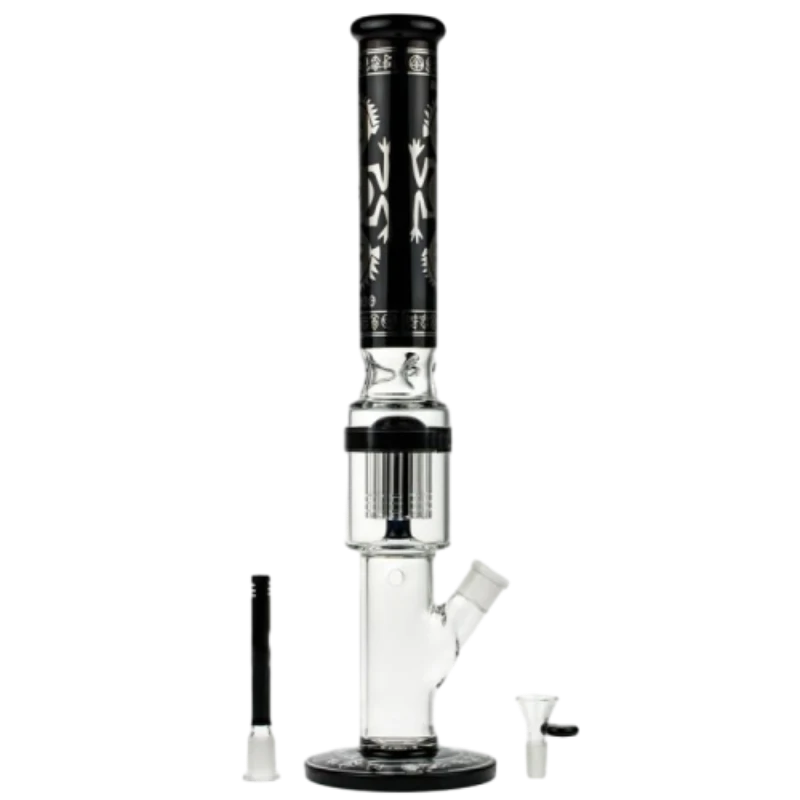
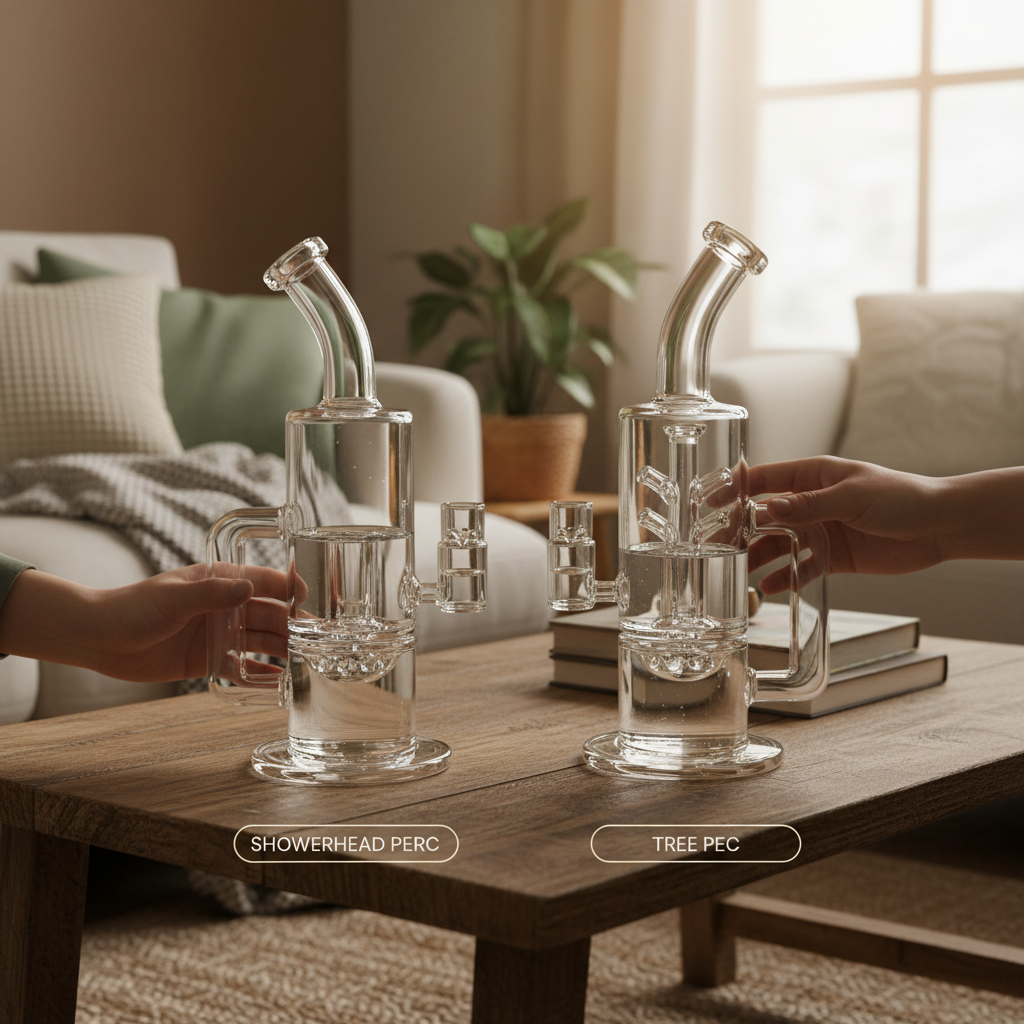
- Design Complexity: From basic straight tubes to intricate percolators and diffusers, design affects filtration efficiency and aesthetic appeal.
- Portability & Size: Larger models deliver smoother hits but sacrifice portability; smaller units are travel-friendly but might underperform filtration-wise.
- Maintenance Ease: Regular cleaning ensures optimal filtration; some designs are easier to disassemble and clean than others.
Reflecting on these factors, a high-quality water bong is not merely about form — function is critical, and users often find themselves balancing what’s portable against what provides the cleanest experience.
Mini Takeaway:
The magic of water bongs lies in the balance between material choice, water filtration efficiency, and user-friendly design—each aspect contributing critically to the smoking experience and health outcomes.
Product Specifications: Typical Water Bong Features
| Feature | Standard Model | Premium Model |
|---|---|---|
| Material | Borosilicate Glass | Thick Borosilicate with Reinforced Neck |
| Height | 20 cm | 30 cm |
| Percolator Type | Single Diffuser | Multi-Chamber Tree Perc |
| Water Capacity | 120 ml | 200 ml |
| Cleaning | Removable bowl, easy rinse | Detachable parts, dishwasher-safe |
Global Applications & Use Cases of Water Bongs
Water bongs have strong roots everywhere from East Asia to North America. In regions where cannabis legalization is progressing, such as Canada, Germany, or parts of the US, they’re increasingly preferred over dry pipes or rolled consumables because they mitigate harsh compounds. Notably, in post-disaster relief operations and remote industrial zones, water filtration and cooling concepts from water bongs inspire safer air filtration techniques in temporary shelters or workspaces.
One memorable example: In a remote mining camp in Australia, workers adopted water-based smoke filtration to reduce dust inhalation during breaks — a true adaptation of bong filtration principles with direct health impact.
Mini Takeaway:
Beyond recreational use, the water bong’s filtration method influences health and safety adaptations in varied global settings, demonstrating its utility beyond the obvious.
Advantages & Long-Term Value
Practically speaking, water bongs offer smoother hits, less coughing, and reduced lung irritation. From a sustainability viewpoint, reusable glass units cut waste significantly compared to disposable products. The social value? Empowering users to consume responsibly and with dignity — it’s not trivial.
Emotionally, many users describe the experience as more relaxing and less aggressive, fostering social trust and reducing stigma within communities. You also get innovation on your side, with manufacturers constantly improving durability and filtration tech — which makes me think this is no fleeting fad.
Innovations & Future Trends
The water bong market is advancing rapidly with tech like integrated activated carbon filters, silicone components for shock absorption, and modular parts for customization. Add growing green initiatives: some brands now use recycled glass or develop biodegradable silicone.
Artificial intelligence even creeps in — think smart bongs with sensors measuring intake volume and air quality feedback. When these trends converge, expect even healthier and more personalized user experiences.
Challenges & Emerging Solutions
The main hurdles remain cleaning difficulty for complex models, fragility of glass pieces, and sometimes inaccurate user expectations about health benefits (they help, but don’t make smoking safe). Experts suggest innovations in self-cleaning coatings and more flexible, durable materials to tackle these problems.
Vendor Comparison: Leading Water Bong Manufacturers
| Feature / Brand | GlassMaster | PureFlow | EcoBong |
|---|---|---|---|
| Material Quality | High-grade borosilicate glass | Tempered glass with silicone sleeves | Recycled glass & biodegradable silicone |
| Price Range | $80–$150 | $60–$120 | $50–$110 |
| Design Options | Classic and advanced percolators | Compact and travel-friendly | Eco-friendly themes |
| Durability | High (fragile but strong glass) | Moderate with silicone protection | Moderate, biodegradable emphasis |
| Customer Reviews | Excellent filtration, elegant | Portable and user-friendly | Great for eco-conscious buyers |
Frequently Asked Questions About Water Bongs
1. What makes water bongs better than other smoking devices?
Water bongs cool and filter the smoke through water, reducing harshness and trapping some tar and ash. This makes inhalation smoother and less irritating compared to direct pipe or joint smoking. However, while they improve the experience, they don’t eliminate health risks entirely.
2. How long should I clean my water bong for optimal performance?
Ideally, a water bong should be cleaned after every 3–4 uses to prevent residue buildup, which can affect both taste and filtration. Using isopropyl alcohol and salt is a common method, but some premium models allow dishwasher safe assemblies for easier maintenance.
3. Are glass water bongs fragile?
Yes, traditional glass water bongs are fragile and can break if dropped or mishandled. That's why some users prefer silicone or acrylic options for portability, though these sometimes sacrifice filtration quality.
4. Can water bongs be customized?
Absolutely. Many manufacturers offer modular designs with interchangeable percolators, bowls, and mouthpieces. This lets users tailor functionality and aesthetics according to preferences and lifestyle.
Conclusion: The Last Word on Water Bongs
At the end of the day, water bongs represent more than just a smoking accessory — they are a fusion of tradition, science, and innovation that respond to evolving global attitudes toward consumption and health. Their long-term value lies in enhancing experience while striving toward safer, cleaner alternatives.
Curious about exploring the best varieties around? Visit our website: water bong.
Sometimes it’s the small, often overlooked innovations like the water bong that quietly reshape consumer habits and cultural perceptions — in time, perhaps even broader public health approaches.