Understanding the Blunt Glass Pipe: A Small Tool with a Global Impact
If you’ve ever come across the phrase blunt glass pipe, you might think it’s just another simple smoking device. But there’s actually quite a bit to unpack here, especially if we look at it from a broader perspective — both in industry and everyday use. Frankly, understanding what a blunt glass pipe is, how it’s crafted, and why it continues to matter globally isn't just niche trivia. It's about appreciating how simple materials and designs serve communities, influence trade, and even relate to sustainability goals worldwide.
Why the Blunt Glass Pipe Matters Globally
The blunt glass pipe is not just a product of casual culture; it's a window into global manufacturing processes, supply chains, and even health discussions. According to a 2023 report by the World Health Organization, the global smoking accessories market has a compound annual growth rate (CAGR) nearing 7%, underscoring rising demand for quality, safe products such as glass pipes.
But there’s also a challenge — the need for non-toxic, durable, and affordable materials that can serve diverse communities from North America to Europe and Asia, without harming environments or health.
What Is a Blunt Glass Pipe?
In simple terms, a blunt glass pipe is a smoking device crafted from glass, designed to replace traditional blunt wraps made from tobacco leaves. Its core appeal is in providing a safer, reusable, and visually appealing experience. The pipe consists of a cylindrical glass chamber designed for efficient airflow and cooling, making it popular among users who prefer a smoother, less harsh inhale. Blunt glass pipes tie into modern industry trends prioritizing safety regulations and eco-conscious manufacturing.
Key Factors that Define a Quality Blunt Glass Pipe
1. Durability
A blunt glass pipe must withstand heat and handling without cracking. Borosilicate glass is frequently used because it tolerates thermal shocks, enhancing longevity — which, in real terms, lowers replacement costs and environmental waste.
2. Design and Size
Design isn’t just about looks. Ergonomics affect ease of use and cleaning. Compact models tend to sell better in urban markets, while larger pipes appeal in other regions where session size matters. Something to consider if you’re choosing a product for yourself or stocking a store.
3. Cost Efficiency
Making these pipes competitive means balancing raw material expenses with production techniques. Automated glass blowing has reduced costs in places like China, yet artisanal hand-blown pipes command premium prices — you know, those one-of-a-kind pieces collectors adore.
4. Safety and Compliance
Regulations vary worldwide, but lead-free, non-toxic materials are a must, especially for export markets. The ISO 12843 standard covers glass product safety, influencing how manufacturers certify their items.
5. Aesthetic Appeal
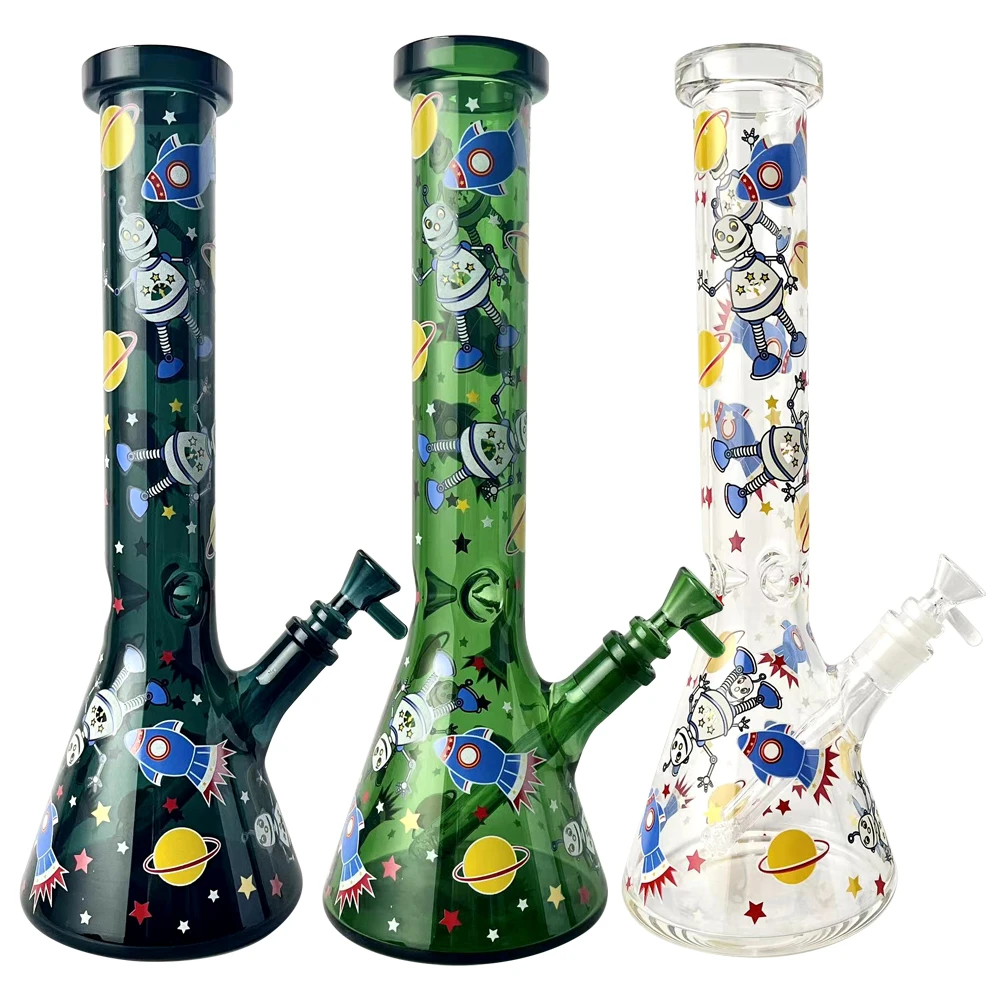
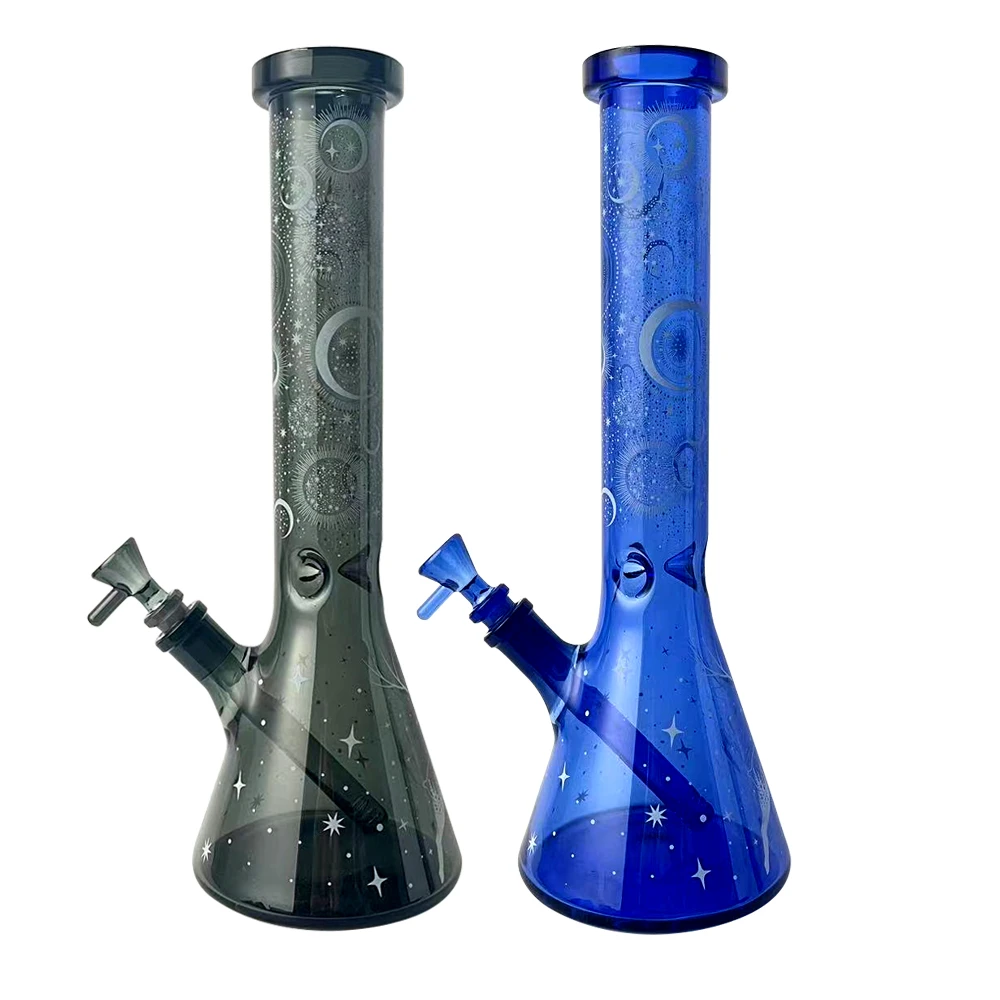
Colors, patterns, and custom finishes are becoming big differentiators. Customers often choose pipes that express personality or creativity — a point not to underestimate in a market driven by lifestyle.
| Feature | Details |
|---|---|
| Material | Borosilicate Glass |
| Length Range | 3 to 6 inches |
| Weight | 25 to 50 grams |
| Color Options | Clear, Colored, Patterned |
| Compliance | ISO 12843 Certified |
Global Applications & Use Cases
Oddly enough, blunt glass pipes pop up in surprisingly varied contexts. In North America and parts of Europe, they’re mainly recreational but also occasionally used therapeutically in regulated medical cannabis markets.
On the other hand, in some Asian and African regions, they’re part of artisanal collections and sometimes tied into local economies through small-scale production. This cross-cultural footprint points to a larger narrative: accessible, clean, and reusable smoking tools are increasingly important around the world for reducing waste and harmful chemical exposure.
Moreover, organizations involved in harm reduction campaigns are incorporating such glass pipes into educational kits, promoting safer consumption practices. It seems straightforward but can really impact public health efforts.
Advantages & Long-Term Value
- Cost Savings: Durable glass means fewer replacements over time.
- Environmental Benefits: Less waste compared to disposable wrappers.
- Health & Safety: Non-toxic glass reduces the risk of harmful chemical inhalation.
- Social Impact: Empowering small manufacturers with sustainable materials and fair-trade practices.
Beyond the obvious, there’s a trust and dignity factor — using well-crafted glass pipes feels safer and more responsible, which many users appreciate.
Future Trends & Innovations in Blunt Glass Pipes
Looking ahead, the blunt glass pipe market is tapping into multiple innovations. Green energy-powered glass furnaces are becoming standard in factories. Meanwhile, there's a growing interest in digital customization — consumers want bespoke pipes, from laser-etched designs to embedded temperature sensors. Also, automation in glass shaping promises even tighter quality control.
Environmental regulations pressure manufacturers to adopt eco-friendly materials and safer production processes, while some brands explore incorporating biodegradable components or even recycled glass.
Challenges & Solutions
However, not everything is smooth flying. Glass pipes remain fragile, which poses shipping and durability concerns. Also, ensuring consistent quality across batches is tricky, especially with artisanal producers.
Innovative answers? Hybrid glass-polymer composites might improve shatter resistance without sacrificing style. Plus, better packaging solutions and education improve product longevity in consumer hands.
| Vendor | Material Quality | Design Variety | Price Range ($) | Shipping Options |
|---|---|---|---|---|
| GlassWorks Co. | High | Wide | 20 - 50 | Global Express & Economy |
| Artisan Pipes | Medium | Custom Handmade | 50 - 150 | Selective Regional |
| EcoGlass Supplies | High (Recycled) | Limited | 15 - 40 | Standard Worldwide |
FAQ: Frequently Asked Questions About Blunt Glass Pipes
- Q: What makes a blunt glass pipe better than traditional blunt wraps?
- A: Blunt glass pipes offer reusability, safer materials (borosilicate glass vs. tobacco leaf wraps containing nicotine and additives), and a smoother smoking experience. They also reduce waste and are easier to clean.
- Q: How fragile are glass blunt pipes in day-to-day use?
- A: While made from durable borosilicate glass, they can still break if dropped. Proper handling and storing in padded cases can prolong their life significantly.
- Q: Are blunt glass pipes eco-friendly?
- A: Yes, compared to disposable blunts, they create less waste and often use recyclable or recycled glass materials, aligning with sustainability goals.
- Q: Can I buy blunt glass pipes internationally?
- A: Many vendors ship globally, but you should check local regulations regarding smoking accessories. Some countries restrict or regulate import/export of these items.
Conclusion
So, after diving into the details, it’s clear that blunt glass pipes are more than just smoking tools. They reflect evolving material science, global market trends, sustainability efforts, and whisper something about how we consume daily pleasures responsibly. Whether you’re an aficionado or a curious observer, the blunt glass pipe reminds us that even simple things—made well—can have a ripple effect worldwide.
Ready to explore some quality products and see what suits your style? Visit our website: blunt glass pipe for a curated selection crafted with care.
Mini takeaway: The humble blunt glass pipe balances tradition with innovation, offering safer, stylish, and sustainable options in the global smoking accessories market.