Understanding the Bong: A Global Perspective on Its Role and Benefits
If you've ever crossed paths with the term "bong," you might think simply of a common water pipe. But beyond casual uses, the bong, as a device or concept, holds intriguing nuances globally — particularly when we consider its design, applications, and cultural importance. Understanding bongs better is not just about curiosity; it touches on manufacturing craftsmanship, industrial innovation, and even environmental concerns. So, why does the bong matter on a global scale? To put it plainly, bongs represent a widely adopted tool that balances form, function, and tradition in fascinating ways.
Introduction: Why the Bong Still Holds Global Relevance
Despite its humble origins, the bong has carved a global niche that transcends borders. According to data aggregated by Wikipedia and cultural surveys, the bong is one of the most popular ways of consumable intake related to herbal substances worldwide. Its impact is palpable in regions ranging from Southeast Asia to North America, where innovation in glassware craftsmanship meets local cultural preferences.
Oddly enough, the evolution of the bong also parallels advancements in materials science and industrial design, revealing how seemingly simple products connect to broader challenges — like improving health safety, optimizing materials for durability, and adapting manufacturing processes in a sustainable way.
Mini takeaway: The bong remains a culturally and technologically relevant device worldwide, straddling tradition and innovation.
What Is a Bong? Defining the Basics
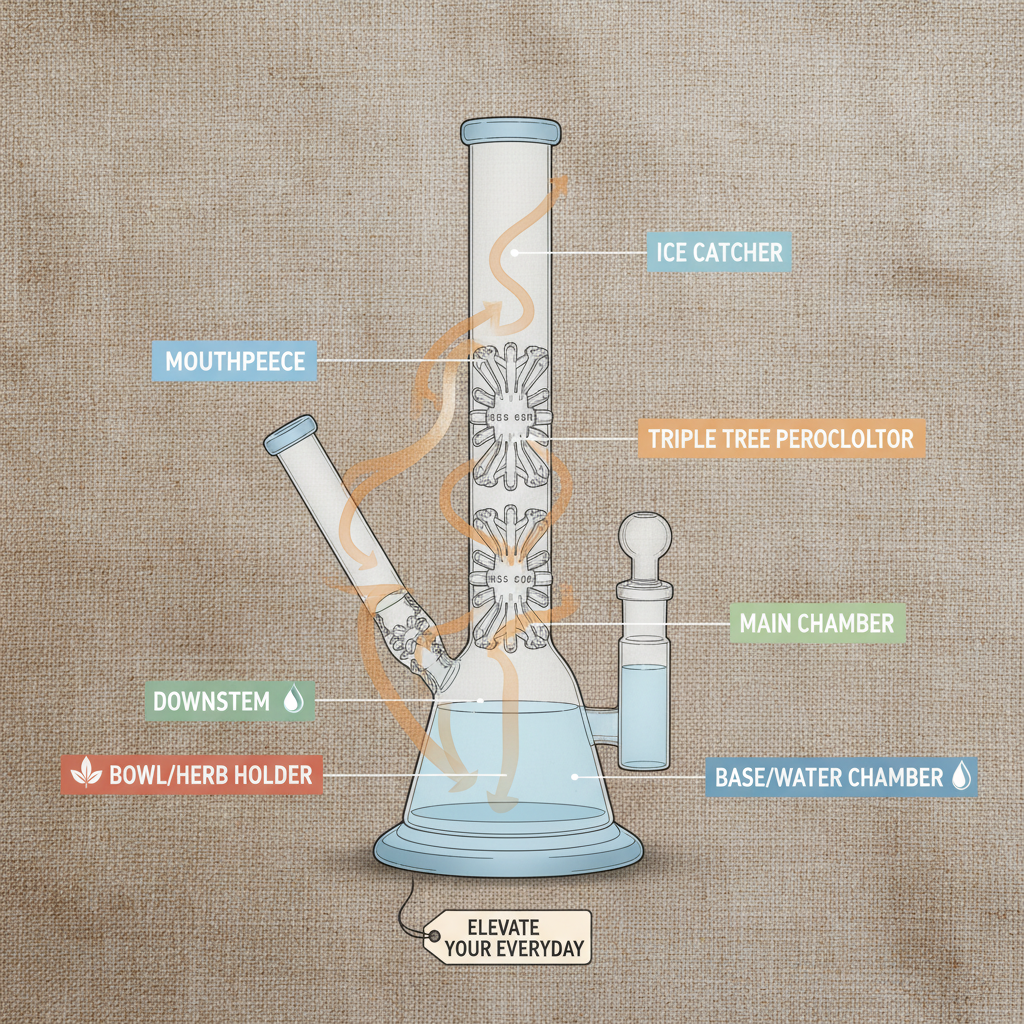
In simplest terms, a bong is a filtration device generally used for smoking. Fundamentally, it cools and filters smoke through water, which makes for a smoother intake compared to direct inhalation methods. But it's not just a smoking accessory; it's a clever little example of applying scientific principles — filtration, diffusion, and condensation — into everyday use.
In industry and humanitarian contexts, similar filtration ideas appear in water purification devices and air quality control systems. Though different in scope, these shared principles underline the bong’s broader significance beyond its cultural footprint.
Mini takeaway: A bong is a device that filters smoke through water, embodying simple but effective physical processes with parallels in industrial filtration systems.
Core Components of a Bong: What Makes It Tick
1. Durability and Materials
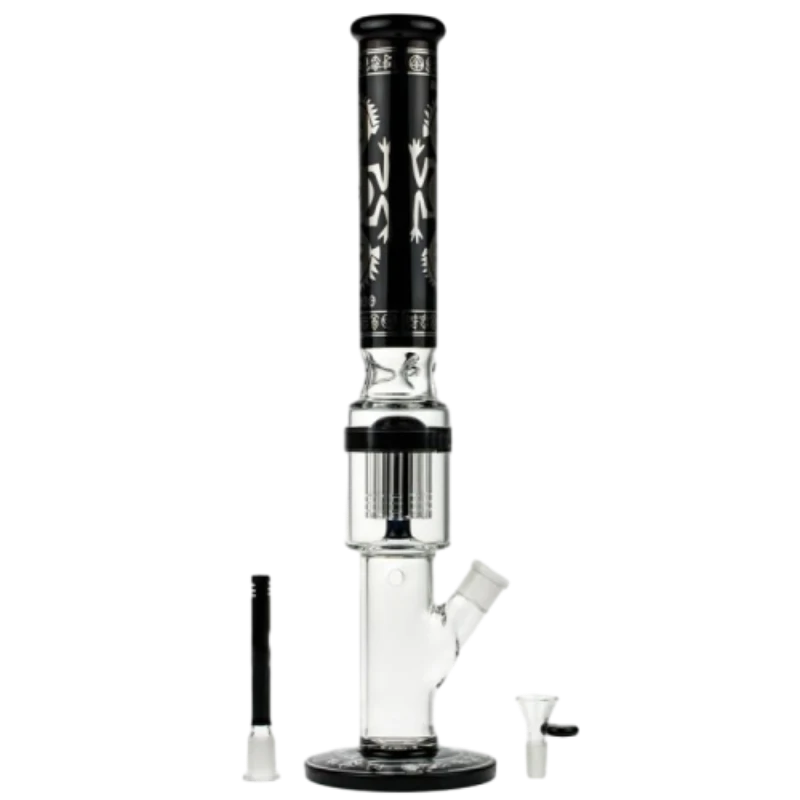
Bongs traditionally feature glass — either borosilicate or soda-lime glass — for clarity and heat resistance. Some models use silicone or acrylic, which are lighter and less fragile. Durability is key since these devices handle heat and frequent use.
2. Filtration Efficiency
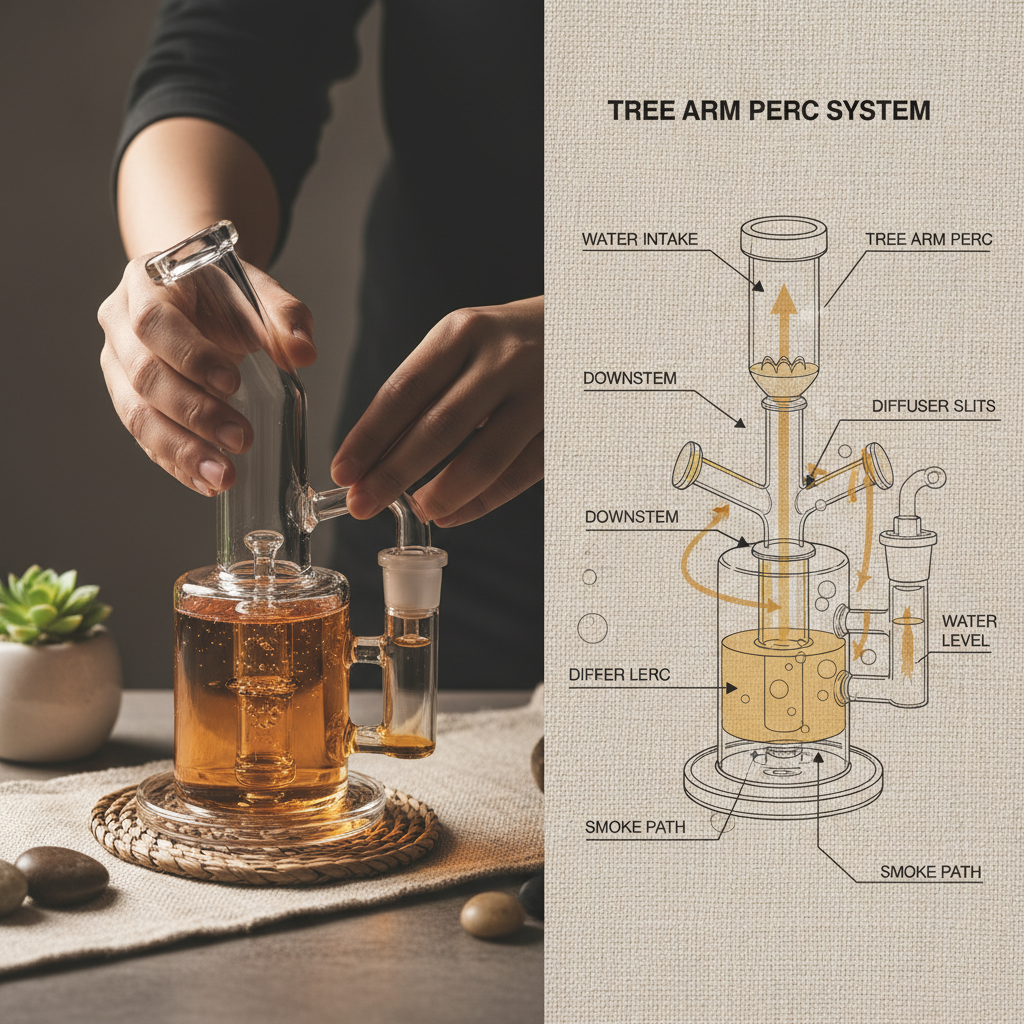
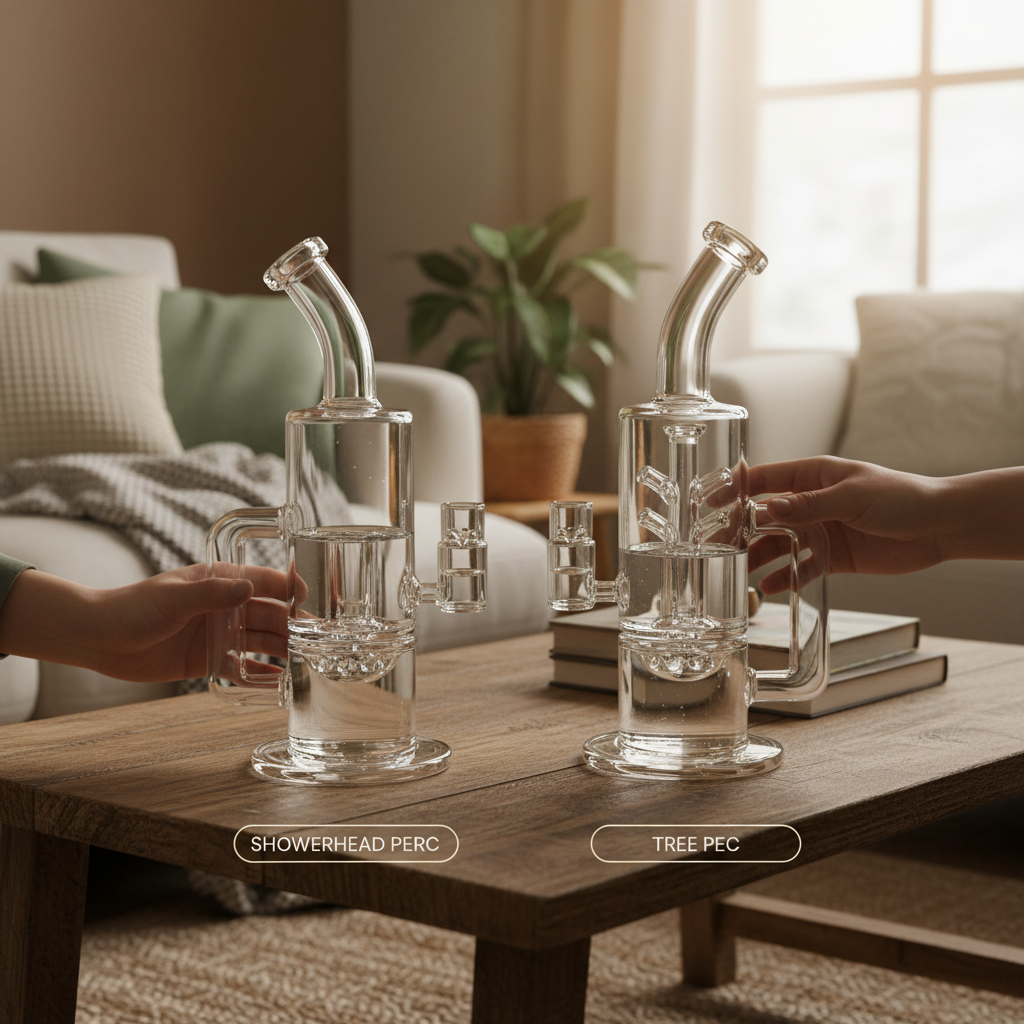
The water chamber acts as a filter, removing large particles and cooling the smoke. Some bongs incorporate percolators or diffusers, specialized features that increase smoke surface area with water for smoother hits.
3. Design and Ergonomics
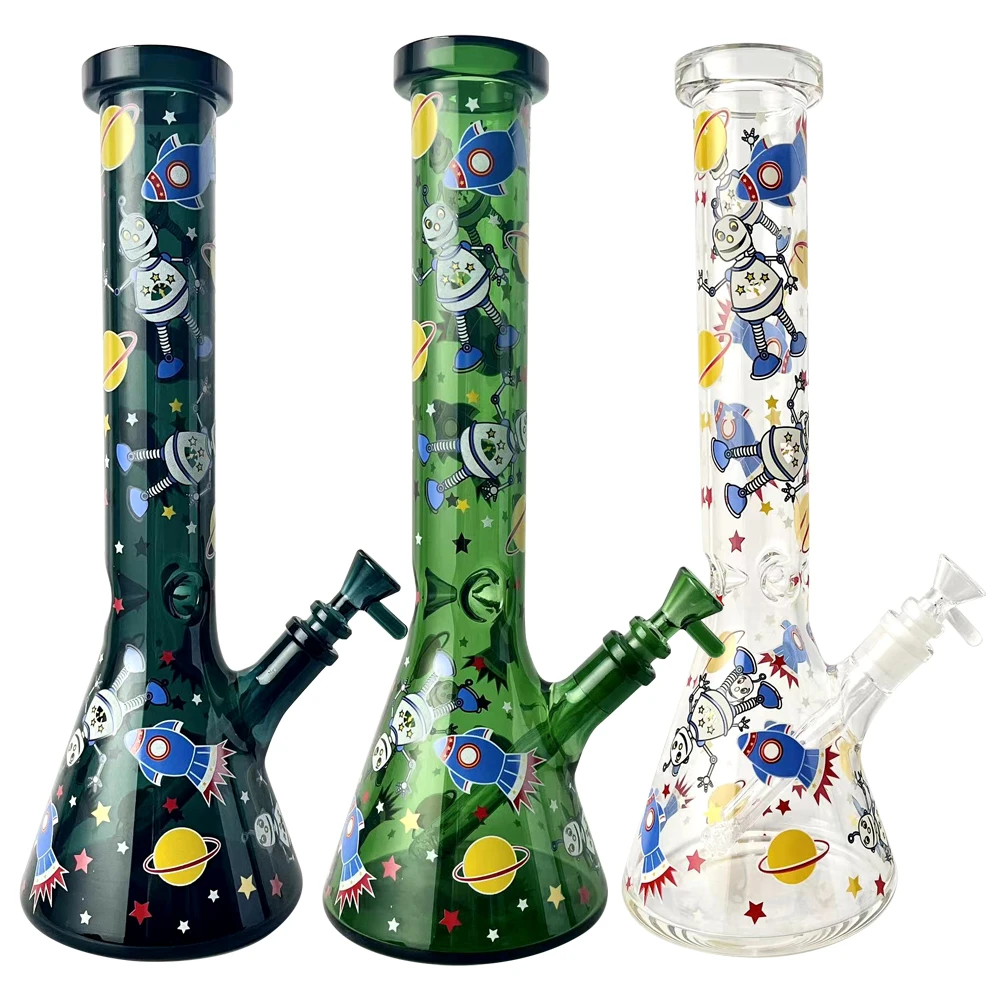
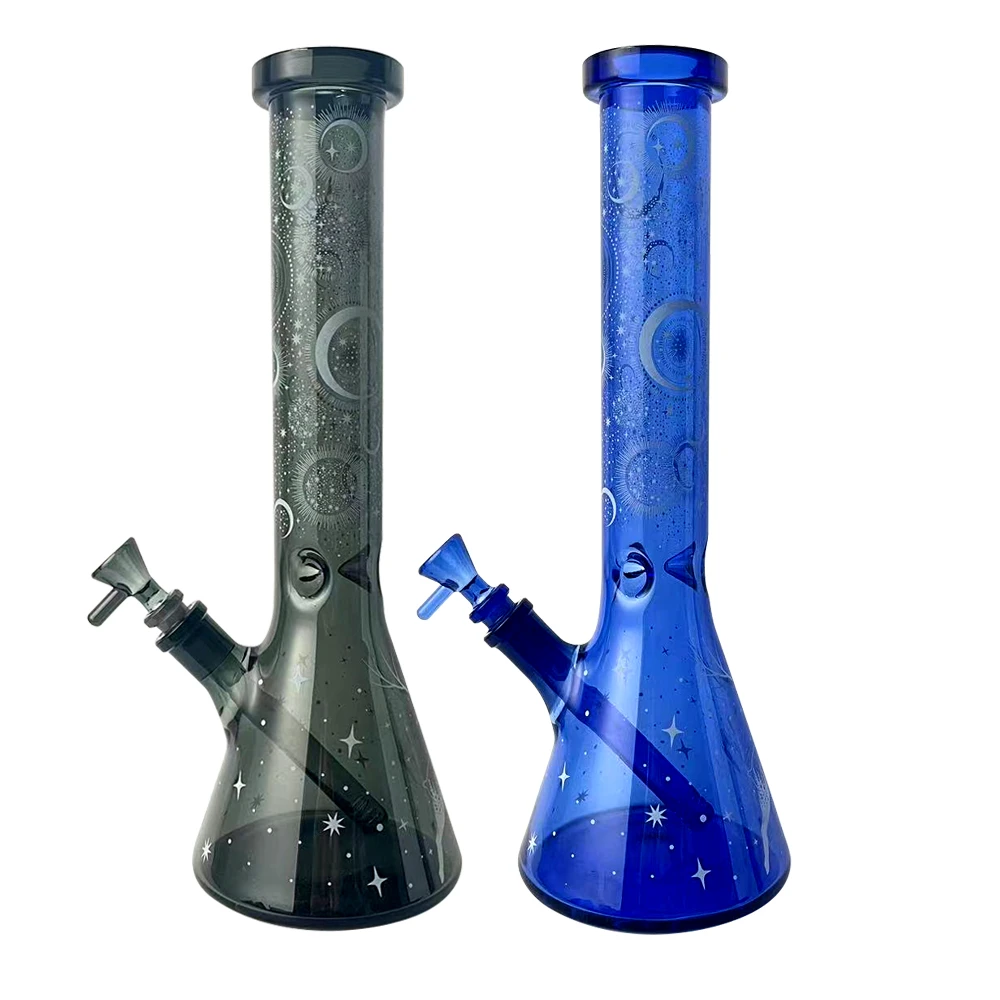
The aesthetics vary wildly, from simple straight tubes to elaborate artistic pieces. But practical design matters—for ease of cleaning, handling, and stability during use.
4. Portability and Scalability
While many bongs are tabletop-sized, some manufacturers now produce travel-friendly, foldable models — a nod to changing user lifestyles.
5. Cost Efficiency
Materials and craftsmanship influence prices hugely. Mass-production vs. handcrafted artisanal pieces create a broad spectrum of options that cater both to casual users and enthusiasts.
Mini takeaway: From materials and filtration to ergonomics and cost, several components define a bong’s quality and usability.
Global Applications & Use Cases of Bongs
- Recreational Use: The most widespread application remains within recreational settings worldwide, where users appreciate efficiency and smoothness.
- Medical Contexts: With rising interest in medicinal cannabis, bongs offer preferred delivery mechanisms due to lowered irritation compared to joints.
- Artisanal Industry: Glassblowers and manufacturers in places like Murano (Italy) or Chongqing (China) blend traditional craftsmanship with modern production.
- Environmental Parallels: Concepts behind bongs inspire portable water filtration and air purification equipment, especially in remote or disaster-affected regions.
For example, NGOs operating in remote industrial zones sometimes adapt bong-inspired filtration ideas to create compact, low-cost air scrubbers for workers.
Mini takeaway: Bongs impact diverse sectors, from recreational and medical to artisanal craft and even niche environmental technologies.
Advantages & Long-Term Value of Using Quality Bongs
- Smoother Experience: Cooling smoke lowers harshness, making it safer and more pleasant.
- Cost-Effectiveness: Durable bongs last long and reduce the need for single-use products.
- Social and Cultural Significance: Owning and sharing a bong often symbolizes community and shared experience.
- Innovation and Trust: Advancements in materials and craftsmanship continually improve reliability.
I suppose there’s also an emotional angle: using a well-crafted bong can feel like an investment in self-care and socializing—a ritualized pause in busy lives.
Mini takeaway: Beyond functionality, bongs deliver lasting social, economic, and emotional benefits for users worldwide.
Future Trends & Innovations in Bong Design and Usage
The future feels exciting, honestly. We see experimentation around:
- Eco-friendly materials like recycled glass and bioplastics to reduce environmental impact.
- Digitization: smart bongs that can track usage or help regulate intake.
- Advanced filtration tech inspired by environmental science, including charcoal composites and nanomaterials.
- Customization with 3D printing, enabling users to design personalized pieces tailored to their preferences or ergonomic needs.
These trends illustrate how the bong isn’t stuck in past traditions but evolves alongside broader technological and ecological movements.
Mini takeaway: Innovation in materials, digital integration, and customization is shaping bongs’ next generation.
Challenges & Expert Solutions
Of course, challenges linger:
- Fragility: Glass breakage remains a pain point, especially for travelers.
- Health Concerns: Though safer than some methods, smoke inhalation still carries risks.
- Regulatory Barriers: In many regions, legal restrictions limit accessibility and innovation.
Experts suggest silicone hybrids and protective cases to reduce breakage. Educational campaigns promote safer usage. And some vendors push for decentralized, compliant manufacturing to overcome legal hurdles.
Mini takeaway: Addressing fragility, health, and regulations is critical to future bong development and acceptance.
Mini FAQ: Common Questions About the Bong
- What makes a bong better than a traditional smoking pipe?
- A bong’s water filtration cools and filters smoke, reducing harshness and irritation compared to direct pipes — offering a smoother, often healthier experience.
- How do you clean and maintain a bong effectively?
- Regular cleaning with isopropyl alcohol and salt removes residue. Rinse thoroughly and handle fragile parts carefully to maintain longevity.
- Are glass bongs better than silicone ones?
- Glass offers better taste and aesthetics but is fragile. Silicone is durable and portable but may affect flavor slightly. Choice depends on lifestyle and preference.
- Can bongs be customized or personalized?
- Yes! Many manufacturers and glassblowers offer custom designs, from color accents to shapes, catering to collectors and casual users alike.
- Is it legal to own a bong everywhere?
- Legal status varies by country and region. It's best to check local laws before purchasing or transporting bongs.
Comparison Table of Leading Bong Vendors
| Vendor | Material | Price Range | Customization | Durability |
|---|---|---|---|---|
| GlassWorks Pro | Borosilicate Glass | $80–$200 | Yes | High |
| SiliconeFlex | Food-grade Silicone | $30–$70 | Limited | Medium-High |
| ArtisanBongs | Hand-blown Glass | $150–$400+ | Fully Custom | Variable |
Bong Product Specification Table
| Specification | Example Model: GlassWorks Clear 12" |
|---|---|
| Material | Borosilicate Glass |
| Height | 12 inches (30.5 cm) |
| Percolators | Double Showerhead |
| Joint Size | 14 mm Female |
| Weight | Approx. 400 grams |
| Price | $110 USD |
Conclusion & Call to Action
In the end, bongs are more than just simple water pipes. They’re a window into how tradition, technology, and culture intertwine — offering tangible benefits of smoother use, durability, and evolving innovation. Whether for recreational enjoyment, medicinal applications, or artisanal passion, the bong’s global footprint and future innovations hold plenty to appreciate.
If you’re intrigued and want to explore high-quality options, customized pieces, or simply learn more, why not visit our website? There, you'll find everything from premium handcrafted bongs to cutting-edge designs tailored to modern users.
It’s fascinating how a simple device can connect so many dots — culture, science, and sustainability alike.