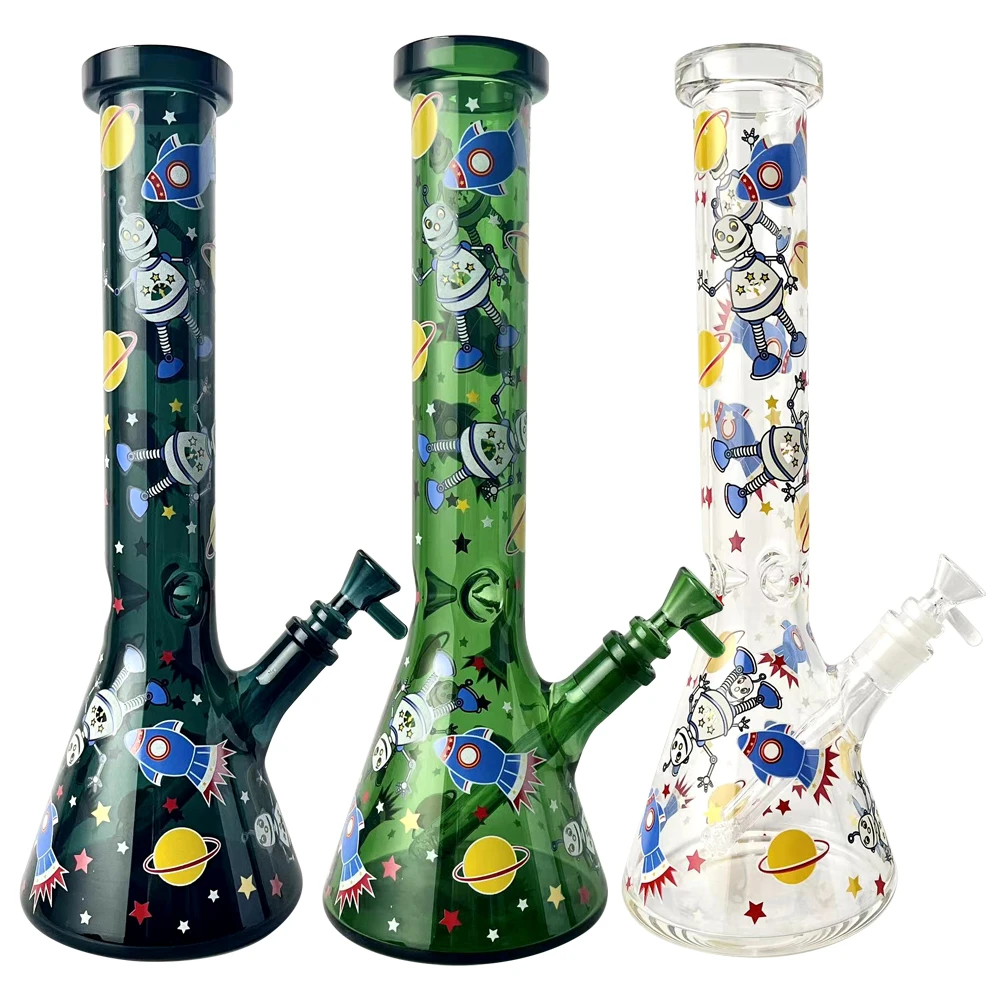
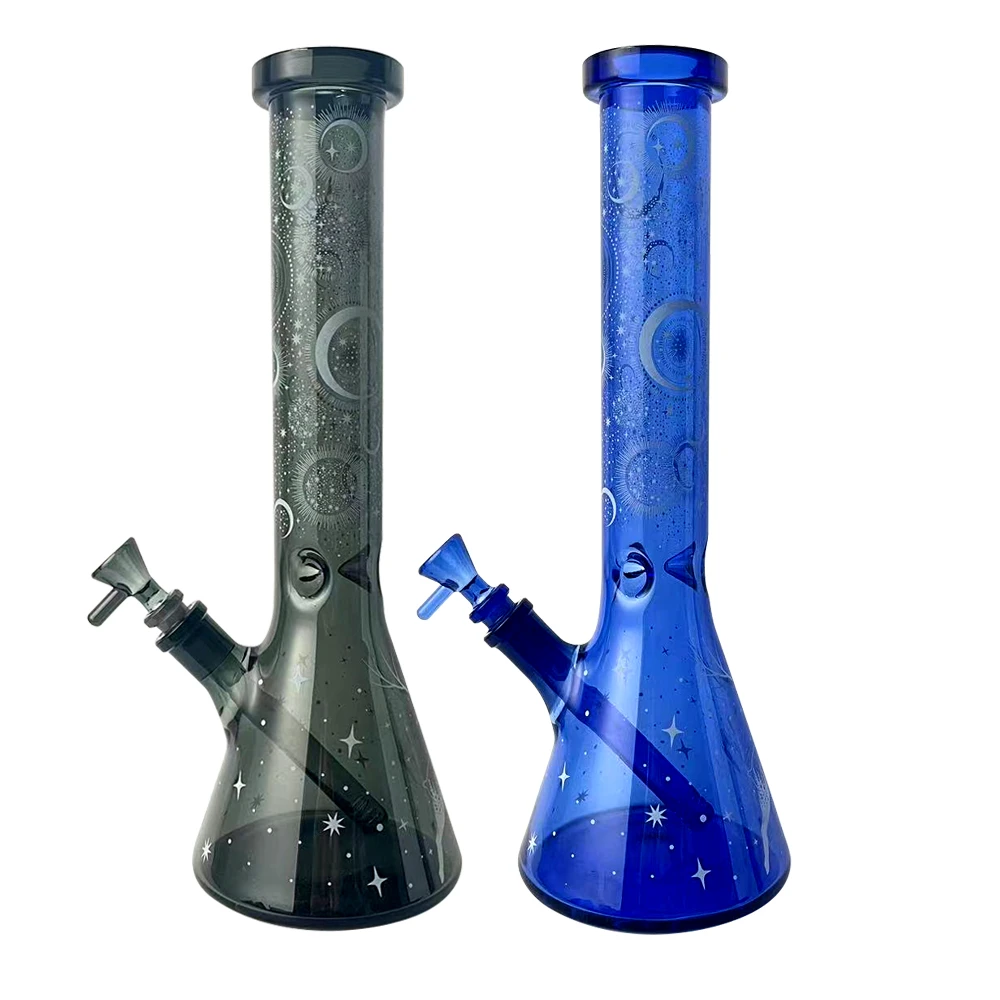
Bubbler Glass: What It Is and Why It Matters Globally
In a world where clean, efficient airflow and filtration play a key role in both industrial processes and consumer lifestyles, bubbler glass stands out as a fascinating yet often overlooked innovation. Whether used in scientific labs, water filtration, or even recreational devices, bubbler glass represents a unique merging of art, science, and practical utility. Understanding its design, applications, and benefits isn’t just for glass experts — it matters globally for industries aiming at sustainability, safety, and innovation.
Quick takeaway: Bubbler glass improves airflow and filtration using simple yet clever design, impacting industries from health care to environmental tech worldwide.
Global Context: Why Bubbler Glass Still Captures Attention
From environmental standards monitored by ISO to water quality reports by the United Nations, the global spotlight on clean air and water is intensifying. Oddly enough, something as simple as bubbler glass helps meet these challenges. According to ISO 16000 series standards on indoor air quality, controlling particulate matter is crucial — and bubblers, because of how they diffuse air or liquids through water, offer an elegant solution.
Industry reports highlight that filtration and aeration technologies are expected to grow by 5-7% per year through 2028. This is in response to urban pollution, water treatment demands, and even clean-energy tech that often requires specialized glass components for chemical stability. So yes, bubbler glass might not headline the news, but it’s kind of a quiet workhorse in solving pressing global filtration needs.
Defining Bubbler Glass
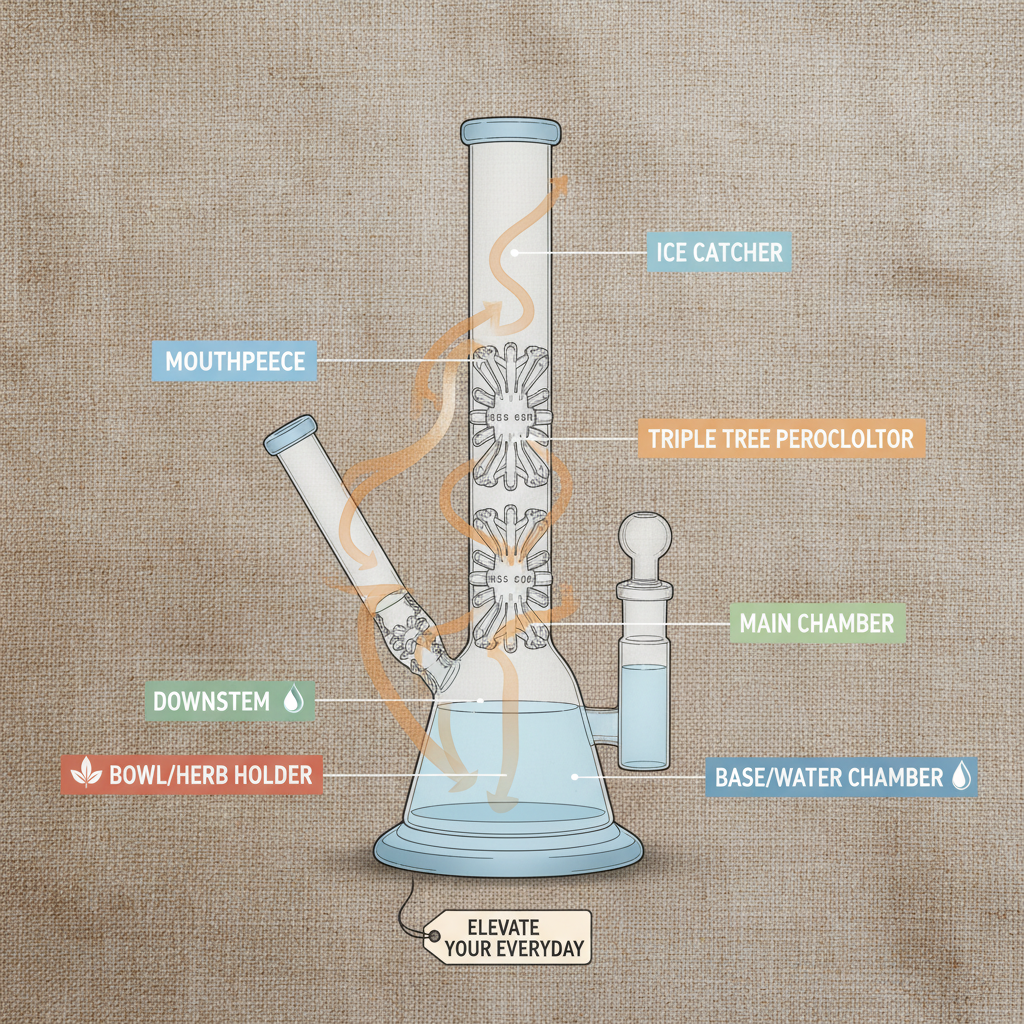
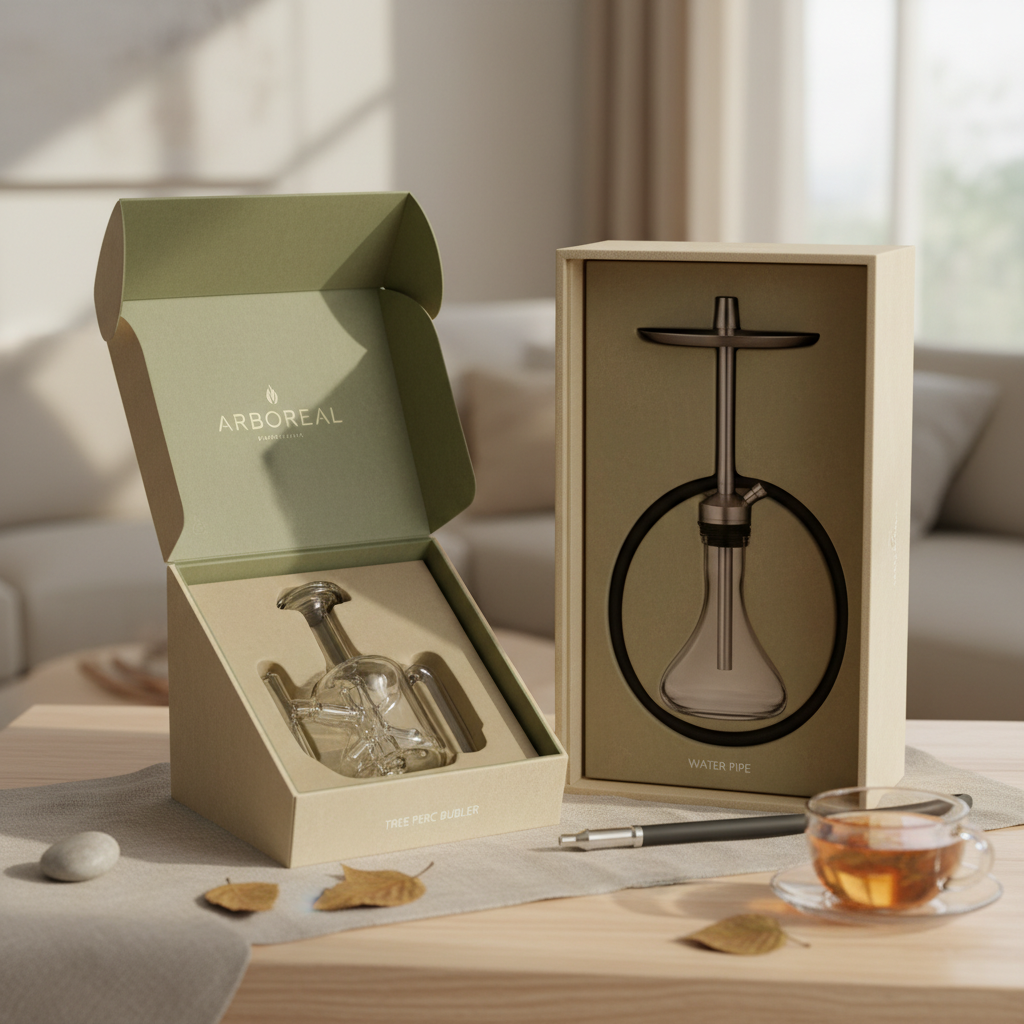
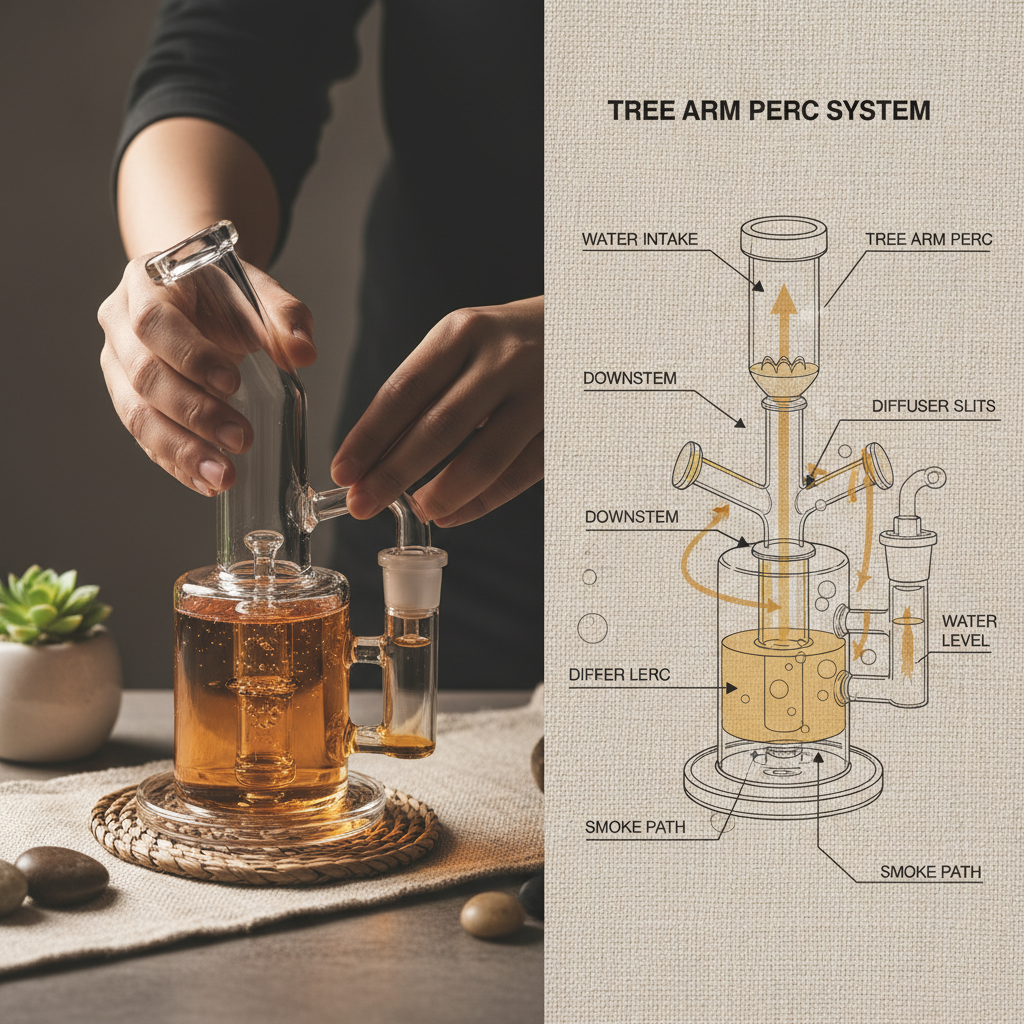
At its simplest, bubbler glass refers to specially designed glass apparatuses that channel and diffuse gas or liquid through small bubbles in water or other fluids. Think of it as a device that enhances filtration or cooling by forcing air (or smoke) through water to ‘clean’ or cool it before release.
Where might you see these? Laboratory equipment frequently uses bubblers for gas washing. In consumer culture, bubbler glass often appears in smoking accessories to smooth harsh particulate inhalation — showing its broad utility. More broadly, bubbler glass ties to industries focused on safer, cleaner air or fluid handling, linking the craftsmanship of glassmaking with contemporary technical needs.
Key Components of Bubbler Glass
Durability
This glass isn’t your run-of-the-mill windowpane. High-grade borosilicate glass is often the base—valued for its thermal resistance and chemical sturdiness. It means bubblers withstand sudden temperature changes, chemicals, and frequent cleaning, crucial across scientific and industrial uses.
Filtration Efficiency
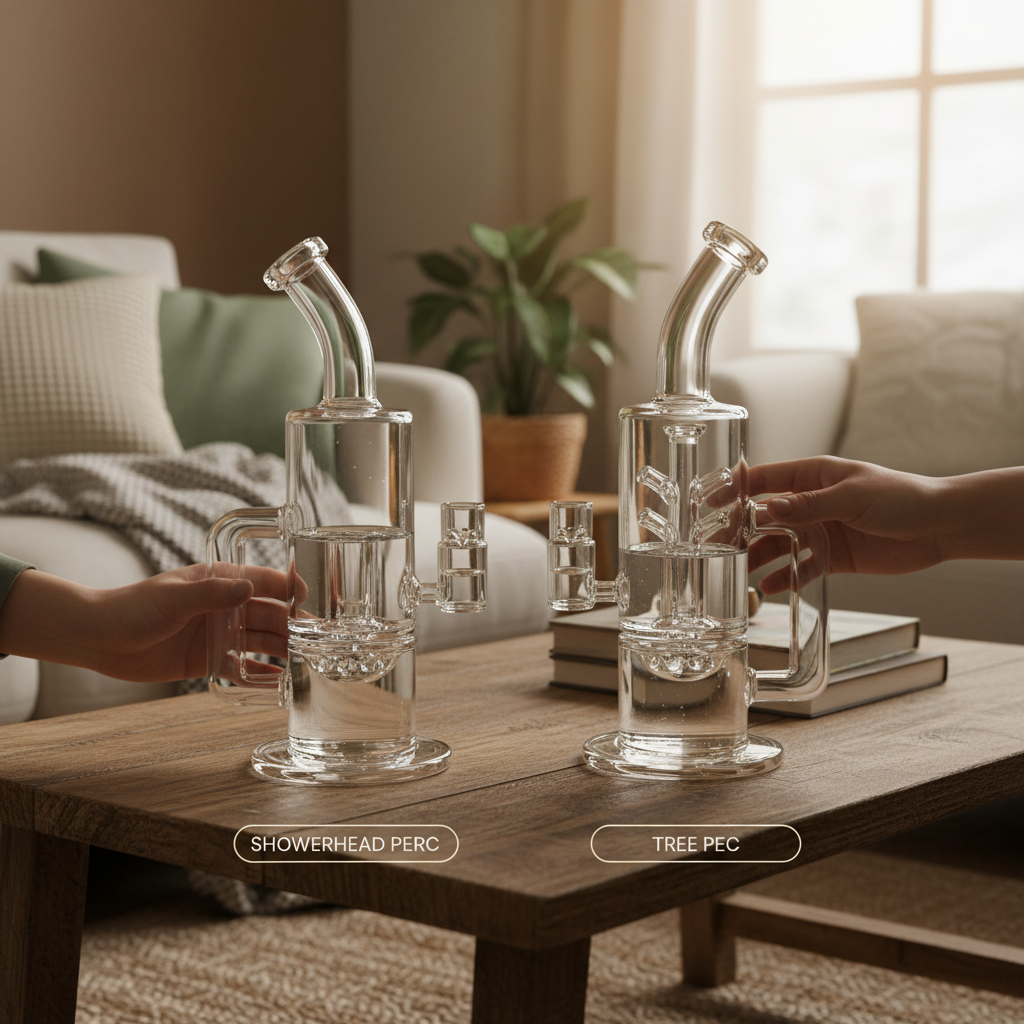
The magic happens in the diffusion system—the way bubbles are created and distributed affects filtration quality. More bubbles increase surface area contact with water, which filters particulates or cools the gas. Design finesse here makes or breaks performance.
Scalability & Size Variation
Bubblers vary from tiny lab tools to large industrial-scale devices. This flexibility is important when adapting bubblers across sectors—small for delicate chemical testing or large for municipal water treatment plants.
Ease of Maintenance
Glass’s inert nature means no residue buildup inside, plus many bubbler designs allow quick disassembly. This is crucial where repeated use and sanitation standards are strict, such as in hospitals or labs.
Customizability
Designers can add special coatings or etchings for enhanced chemical resistance or aesthetic appeal — something that matters from artisan bubbler glass manufacturers to specialized industrial models.
| Feature | Value/Description |
|---|---|
| Material | Borosilicate Glass |
| Typical Diameter | 5mm – 150mm (varies by model) |
| Operating Temperature | -50°C to 500°C |
| Bubble Hole Size | 0.5mm – 3mm, optimized for diffusion |
| Use Cases | Air filtration, labs, water treatment, consumer devices |
Mini takeaway: The durability and efficiency of bubbler glass come from thoughtful glass choice and design, balancing performance with practical maintenance.
Global Applications & Use Cases
- Water and Air Treatment Plants: Bubblers are integrated into municipal filtration to aerate water and remove impurities.
- Laboratory Gas Washing: Scientists use bubblers to purify or scrub gases as part of chemical reactions.
- Industrial Cooling Systems: Bubblers aid in cooling hot gases before release to reduce pollution.
- Consumer Devices: In some cultures, bubbler glass pieces are crafted into smoking accessories for smoother experiences.
In disaster relief or remote industrial zones, portable bubbler devices help maintain water purity where infrastructure is lacking. For example, NGOs often supply bubblers alongside filtration kits to improve localized water quality, which can be vital during crises.
Advantages & Long-Term Value of Bubbler Glass
For starters, the cost efficiency linked to durability means fewer replacements and less waste. Environmentally, using inert glass avoids introducing harmful chemicals during filtration, aligning with sustainability goals promoted by bodies like the UN Environment Programme.
Beyond quantifiable savings, there's the emotional reassurance: users know they’re relying on a proven, safe medium. Whether it’s a lab tech handling sensitive samples or someone cherishing their bubbler glass at home, trust in the device builds confidence and encourages safer choices.
Future Trends & Innovations in Bubbler Glass Technologies
Looking ahead, we see experimentation with bioactive coatings to prevent bacterial colonization inside bubblers. Green energy advocates are also exploring bubbler glass in hydrogen fuel cell research—using it to purify and control gases safely.
Digitization is influencing quality control, with automated inspection ensuring precision bubble size and glass integrity. Plus, 3D printing techniques for glass might one day enable custom bubblers on demand — an exciting leap forward, if realized at scale.
Challenges and Solutions
Despite its benefits, bubbler glass can be fragile—breakage remains a concern particularly for field use. Protective casings and flexible mounting help address this. Also, bubbles may not always filter harmful nanoparticles fully, so bubbler systems are often paired with advanced filters or membranes.
Ongoing research aims to enhance filtration efficiency without sacrificing airflow—a delicate balance. Frankly, it’s a reminder that no tech is perfect, but continuous innovation keeps driving bubbler glass forward.
| Vendor | Product Range | Price Range | Customization | Delivery Time |
|---|---|---|---|---|
| DS Glassworks | Lab to consumer bubblers | $$ | High (custom sizes, designs) | 1-2 weeks |
| ClearFil Glass | Industrial-scale bubblers | $$$ | Medium | 3-4 weeks |
| PureBubbles Inc. | Standard lab bubblers | $ | Low | 1 week |
FAQ: Frequently Asked Questions About Bubbler Glass
- What makes bubbler glass better than plastic filters?
Glass is chemically inert, heat resistant, and doesn’t leach contaminants, making it safer and longer-lasting. - Can bubbler glass devices be used outdoors?
Yes, but protection from breakage is important; some vendors offer ruggedized designs for field use. - How do I clean my bubbler glass safely?
Use warm water and mild detergents; avoid abrasive materials to maintain glass clarity and integrity. - Is bubbler glass custom-made?
Many manufacturers offer custom sizes and shapes tailored to specific industrial or consumer needs.
Conclusion
In the end, bubbler glass is much more than a curious piece of scientific glassware or a niche consumer item. It’s a quietly vital tool in global initiatives for cleaner air, better filtration, and sustainable design. Its ability to combine durability, efficiency, and flexibility makes bubbler glass an often unsung hero everywhere from remote field labs to urban water treatment plants.
If you’re curious to explore the finest range of bubbler glass products or need custom solutions, I warmly invite you to visit https://www.dsglassbong.com — they blend craftsmanship and technical savvy better than most.
Final thought: Sometimes it’s the simplest designs, like a few bubbles in water, that quietly change complex systems for the better.